
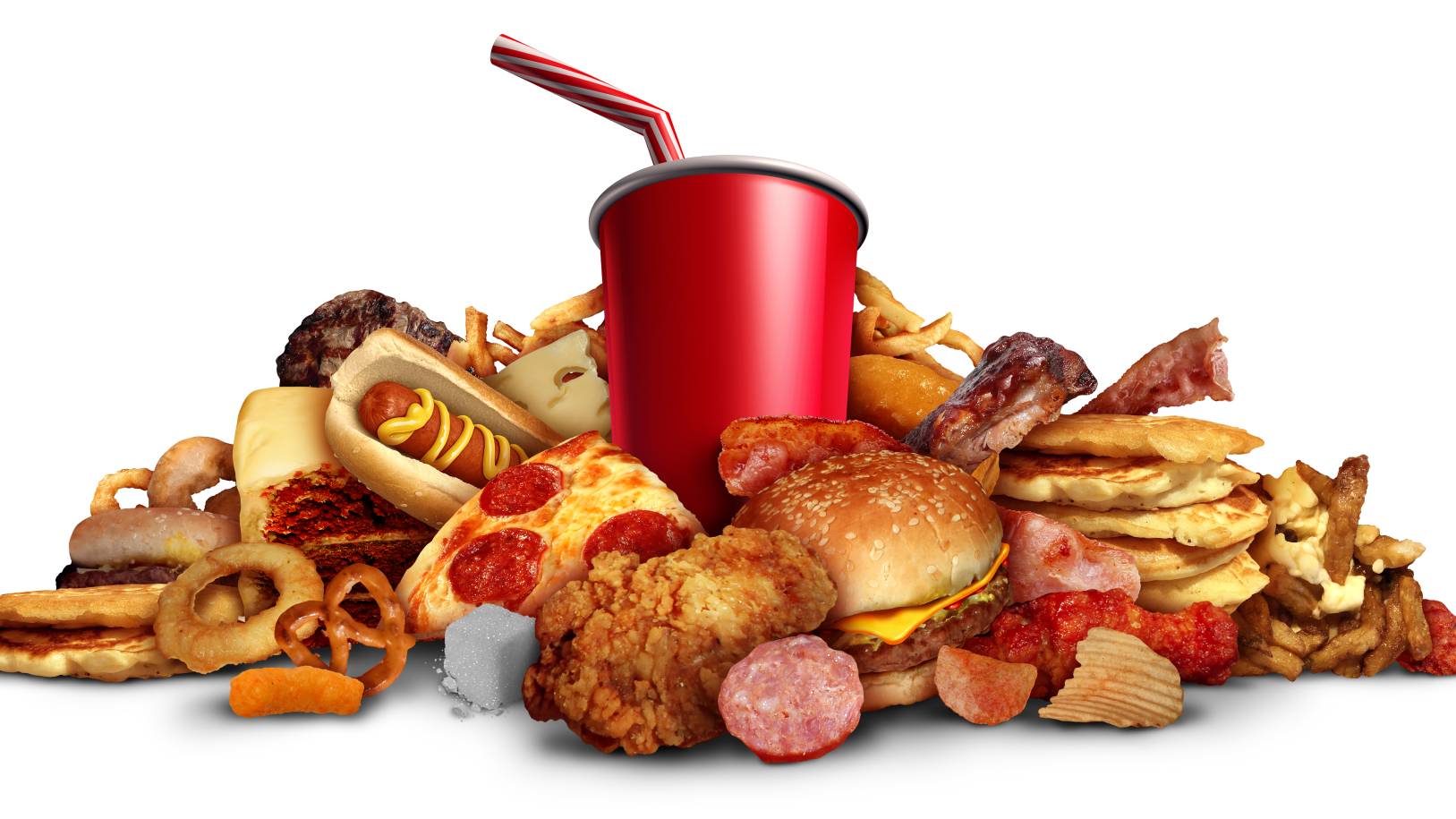
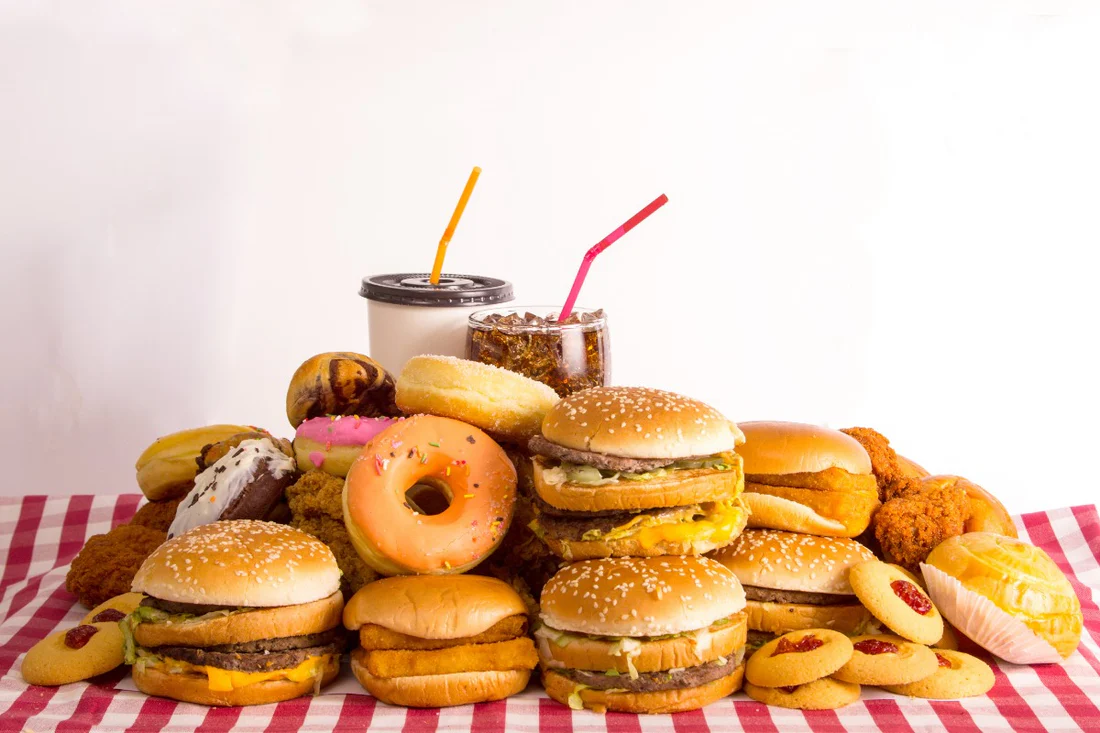
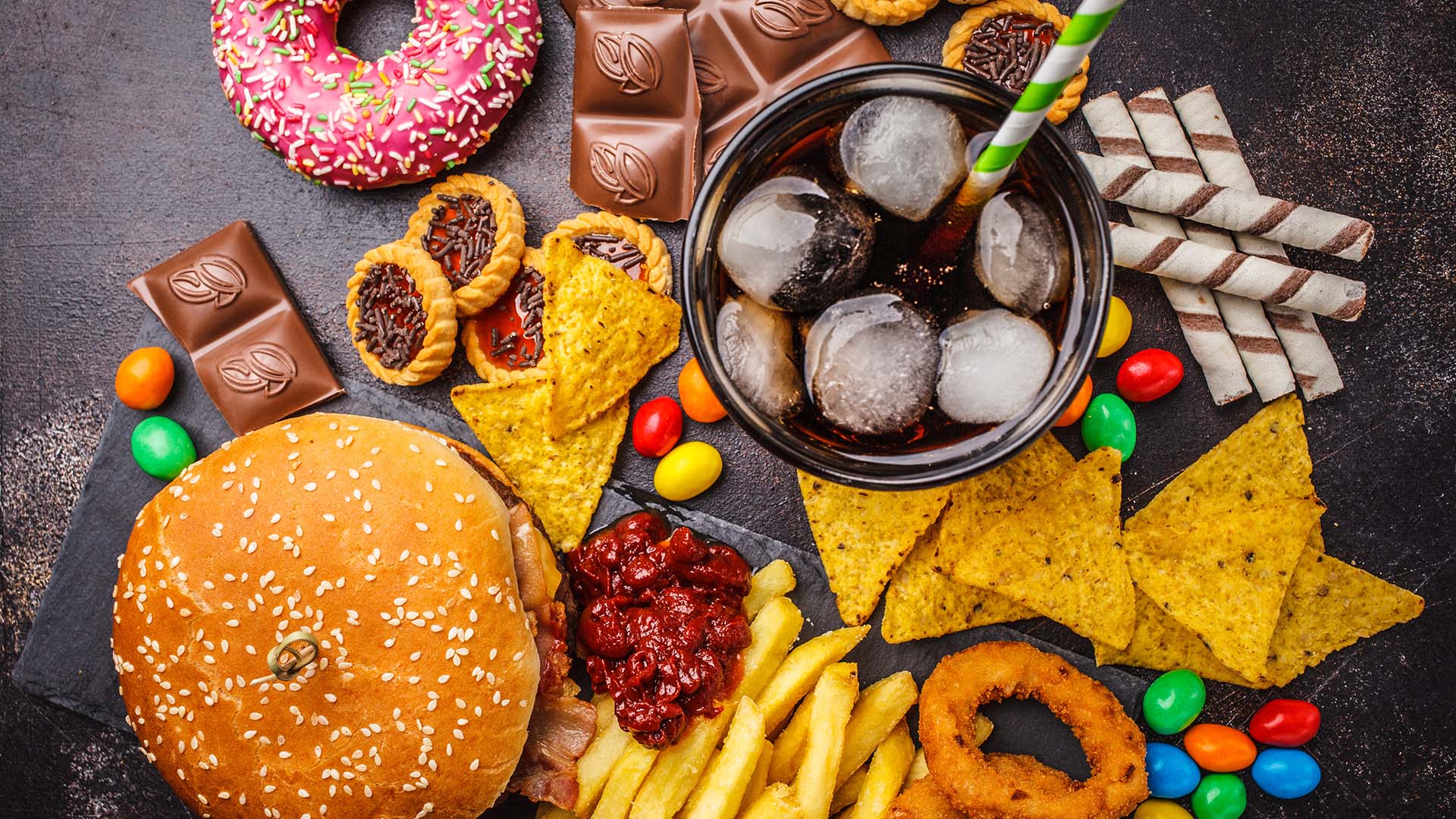
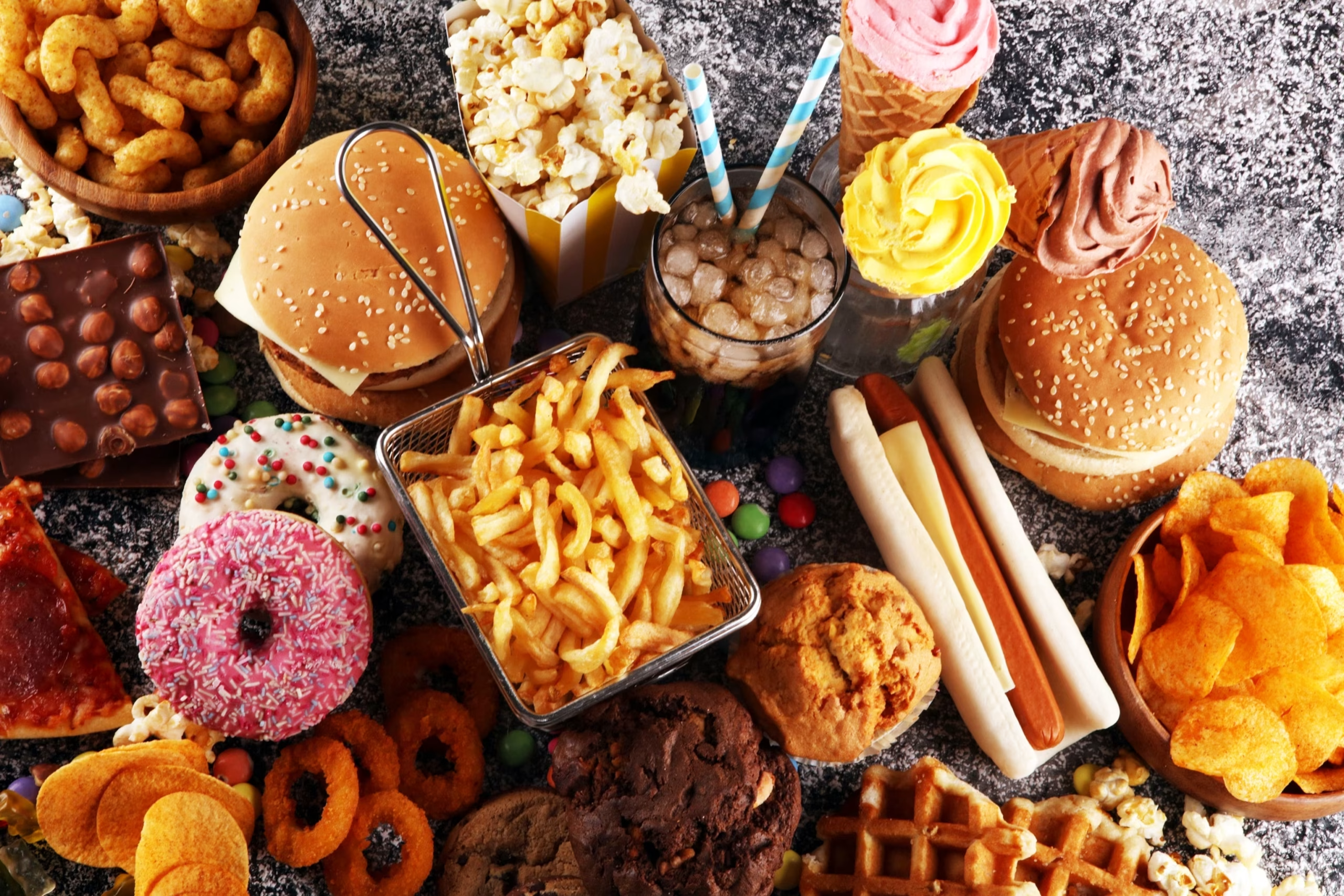
Ultra-processed foods have become a huge part of diets around the world. These are foods that are heavily processed and often contain ingredients not normally used in a kitchen, like artificial flavors, preservatives, sweeteners, colors, and emulsifiers. Common examples include packaged snacks, sugary drinks, instant noodles, frozen meals, and fast food items.
While they are convenient and tasty, nutrition experts warn that frequent consumption of ultra-processed foods increases the risk of several health problems.
What Are Ultra-Processed Foods?
Ultra-processed foods are different from minimally processed foods like fresh fruits, vegetables, grains, or cooked meats. They are made to last longer, taste more appealing, and be convenient, but often at the cost of nutrition.
Common characteristics of ultra-processed foods:
-
High in added sugars
-
High in unhealthy fats (like trans fats)
-
High in sodium (salt)
-
Contain artificial additives, preservatives, colors, and flavor enhancers
-
Low in fiber and essential nutrients
Examples include soft drinks, chips, packaged cookies, breakfast cereals with added sugar, processed cheese, instant soups, and ready-to-eat frozen meals.
Why People Eat Ultra-Processed Foods
Ultra-processed foods are everywhere, and there are several reasons why people eat them:
-
Convenience – They are quick to prepare or ready-to-eat.
-
Taste – High sugar, fat, and salt make them highly enjoyable.
-
Affordability – Often cheaper than fresh, whole foods.
-
Advertising – Aggressive marketing targets children and adults.
-
Shelf Life – Long-lasting products reduce the risk of spoilage.
While convenient, these foods often replace healthier, natural foods in daily diets.
Health Risks Linked to Ultra-Processed Foods
Eating ultra-processed foods regularly is linked to multiple health risks:
1. Obesity
-
High-calorie content and low fiber lead to overeating.
-
People who consume more ultra-processed foods tend to gain excess weight.
-
Obesity increases the risk of heart disease, diabetes, and joint problems.
2. Heart Disease
-
Excess salt, unhealthy fats, and added sugar increase blood pressure and cholesterol.
-
Studies show a direct link between ultra-processed food intake and cardiovascular diseases.
3. Diabetes
-
Added sugars in drinks and snacks cause spikes in blood sugar levels.
-
Frequent consumption contributes to insulin resistance and type 2 diabetes.
4. Digestive Problems
-
Lack of fiber can cause constipation and gut issues.
-
Some additives may affect gut bacteria, leading to inflammation or poor digestion.
5. Mental Health Issues
-
Diets high in ultra-processed foods are associated with higher risks of depression and anxiety.
-
Poor nutrition can affect brain function, focus, and mood.
6. Cancer Risk
-
Some studies suggest that diets high in ultra-processed foods may increase the risk of certain cancers.
-
This could be due to additives, preservatives, or high sugar and fat content.
Children and Ultra-Processed Foods
Children are particularly affected:
-
Bright packaging, candies, sugary drinks, and snacks attract kids.
-
High consumption in childhood can set lifelong eating habits.
-
Linked to childhood obesity, early diabetes, and poor cognitive development.
Tip: Encouraging children to eat whole foods and limiting ultra-processed foods can improve long-term health.
Global Trends
-
Consumption of ultra-processed foods is increasing worldwide, especially in urban areas.
-
Low- and middle-income countries are also seeing a rise due to globalization and marketing.
-
In some countries, more than half of daily calories come from ultra-processed foods.
Observation: Traditional diets with fresh fruits, vegetables, grains, and proteins are being replaced by packaged, fast, and ready-to-eat meals.
How to Reduce Ultra-Processed Food Intake
1. Focus on Whole Foods
-
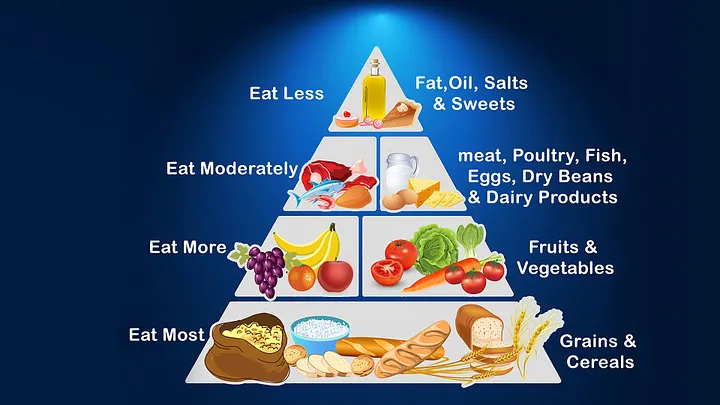
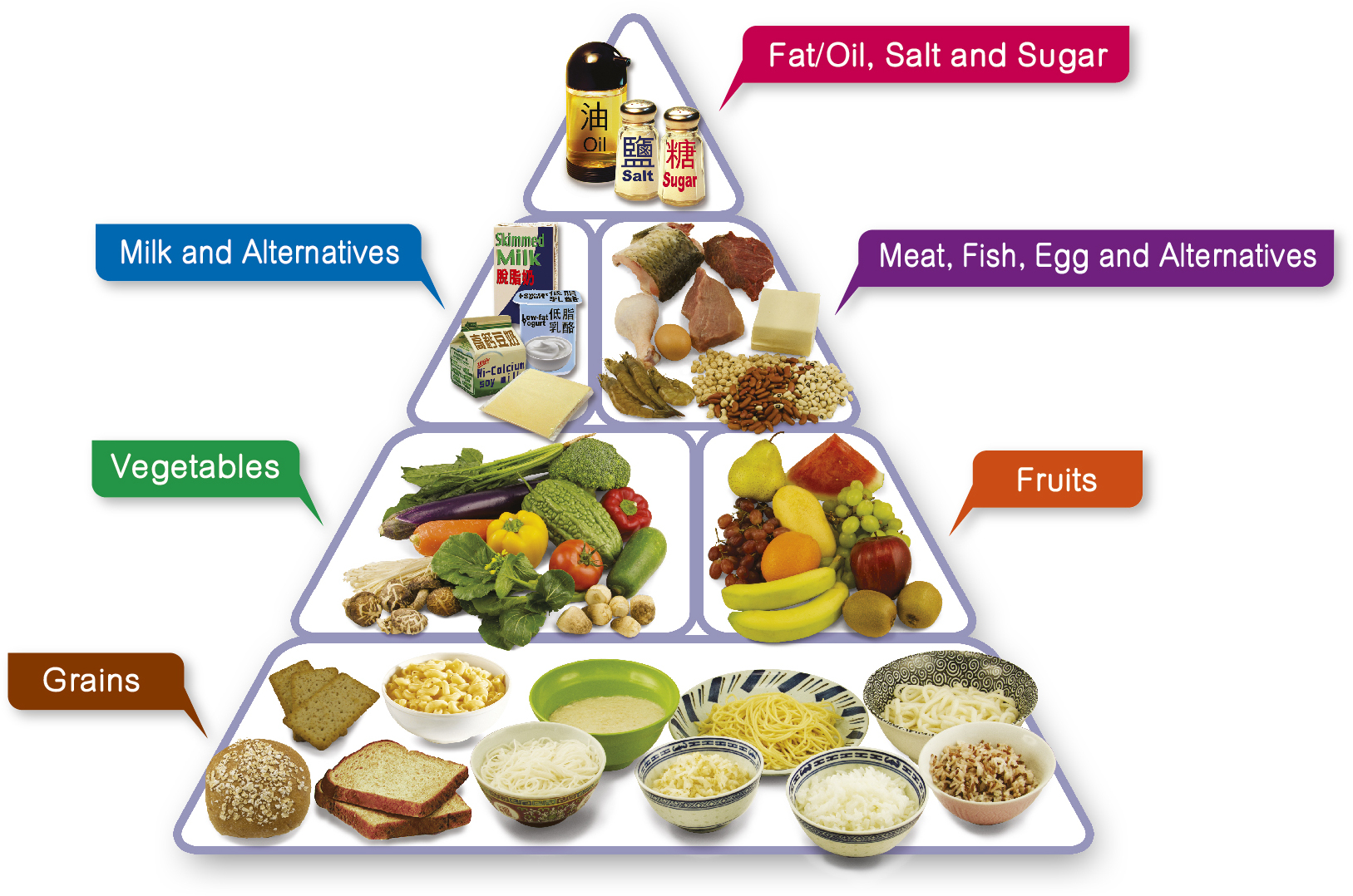
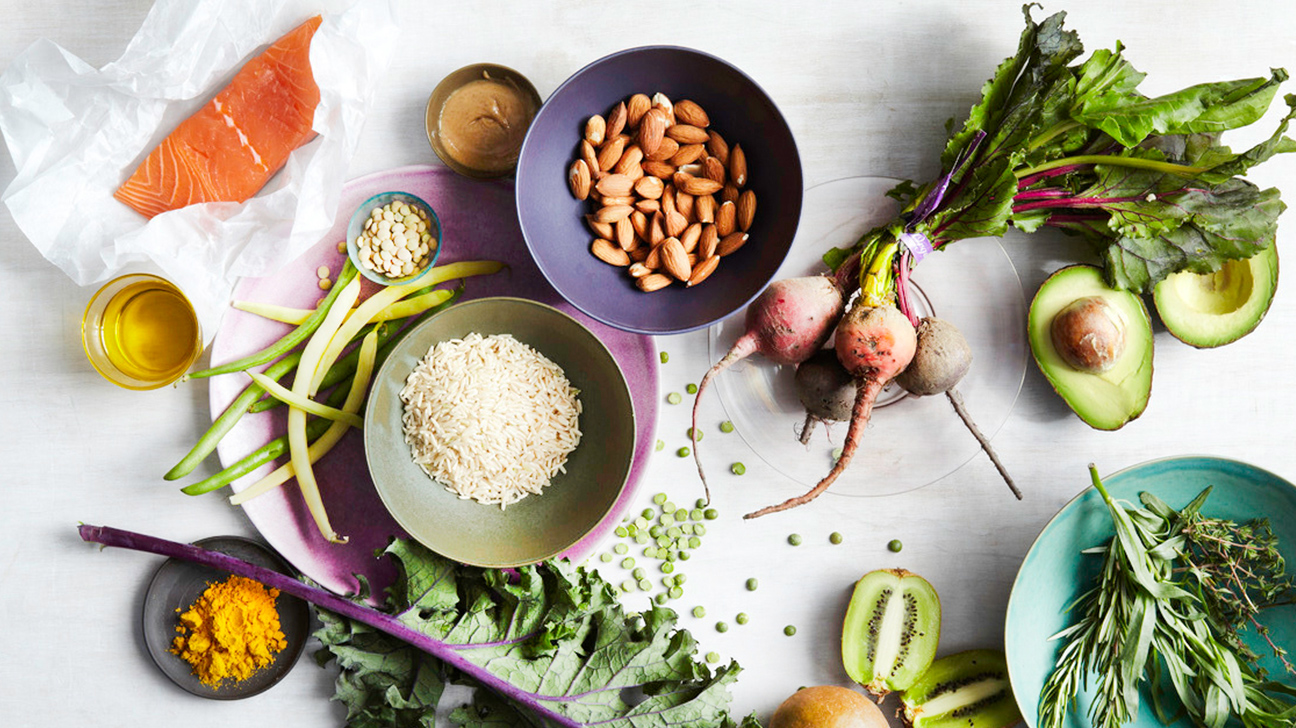
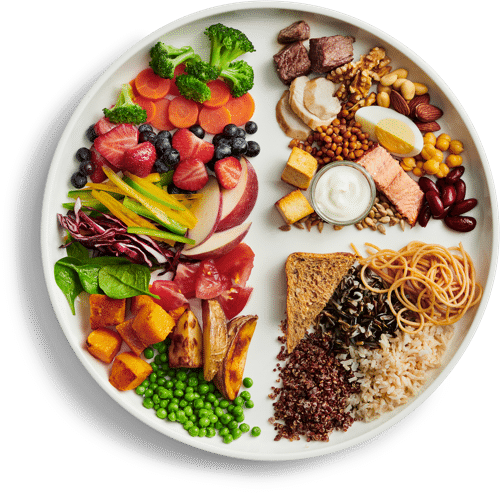
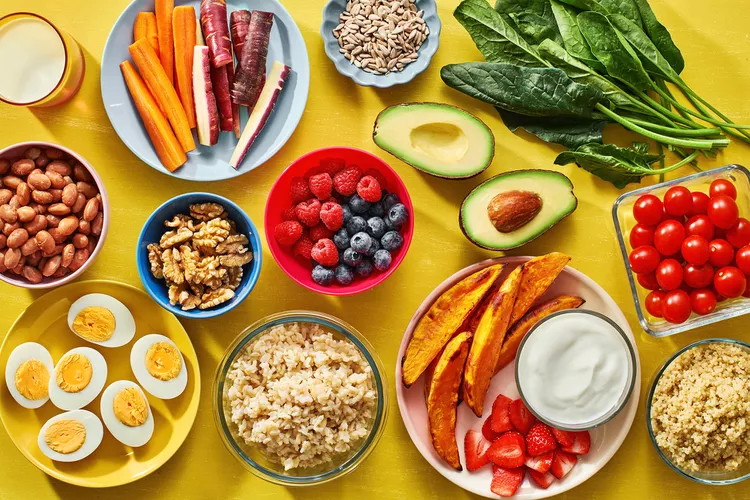
Eat fresh fruits, vegetables, whole grains, lean proteins, and healthy fats.
-
Cooking meals at home reduces dependence on packaged foods.
2. Read Food Labels
-
Check for added sugars, sodium, trans fats, and artificial additives.
-
Avoid products with long, unrecognizable ingredient lists.
3. Limit Sugary Drinks
-
Replace soda and sweetened drinks with water, coconut water, or natural fruit juice.
4. Smart Snacking
-
Swap chips and cookies with fruits, nuts, seeds, or yogurt.
-
Homemade snacks are better than packaged ones.
5. Meal Planning
-
Plan meals ahead to include natural ingredients.
-
Keep healthy snacks ready to avoid reaching for ultra-processed foods.
Healthier Alternatives
| Ultra-Processed Food | Healthier Option |
|---|---|
| Sugary soda | Water, infused water, coconut water |
| Chips | Roasted nuts, popcorn, veggie sticks |
| Packaged cookies | Homemade oatmeal or fruit bars |
| Instant noodles | Whole-grain pasta with vegetables |
| Frozen ready meals | Homemade cooked meals with fresh food |
Tip: Gradually replace processed foods with healthier options instead of quitting suddenly.
Role of Governments and Experts
Experts believe public health policies can reduce risks:
-
Tax sugary drinks and ultra-processed snacks.
-
Regulate advertising to children.
-
Improve food labeling for transparency.
-
Encourage schools to provide healthy meals.
-
Support availability of fresh foods in urban areas.
Summary
Ultra-processed foods are convenient and tasty but pose serious health risks. Regular consumption increases the likelihood of obesity, heart disease, diabetes, digestive problems, mental health issues, and possibly certain cancers. Children and urban populations are particularly vulnerable.
Promoting whole foods, limiting processed foods, educating the public, and regulating marketing are key to protecting public health. Making small, conscious changes in daily eating habits can reduce multiple health risks and improve overall well-being.
Eating fresh, minimally processed foods is not just a personal choice—it’s a global health priority.
Read Also: Keep your face towards the sunshine and shadows will fall behind you
Watch Also: https://www.youtube.com/@TravelsofTheWorld24







Leave a Reply