
Eating a balanced diet is one of the most important ways to stay healthy. The foods we eat every day provide the energy and nutrients our bodies need to grow, repair, and function properly. Following the principles of the Healthy Eating Food Pyramid can help guide your food choices and make it easier to maintain a balanced diet.
What Is the Healthy Eating Food Pyramid?
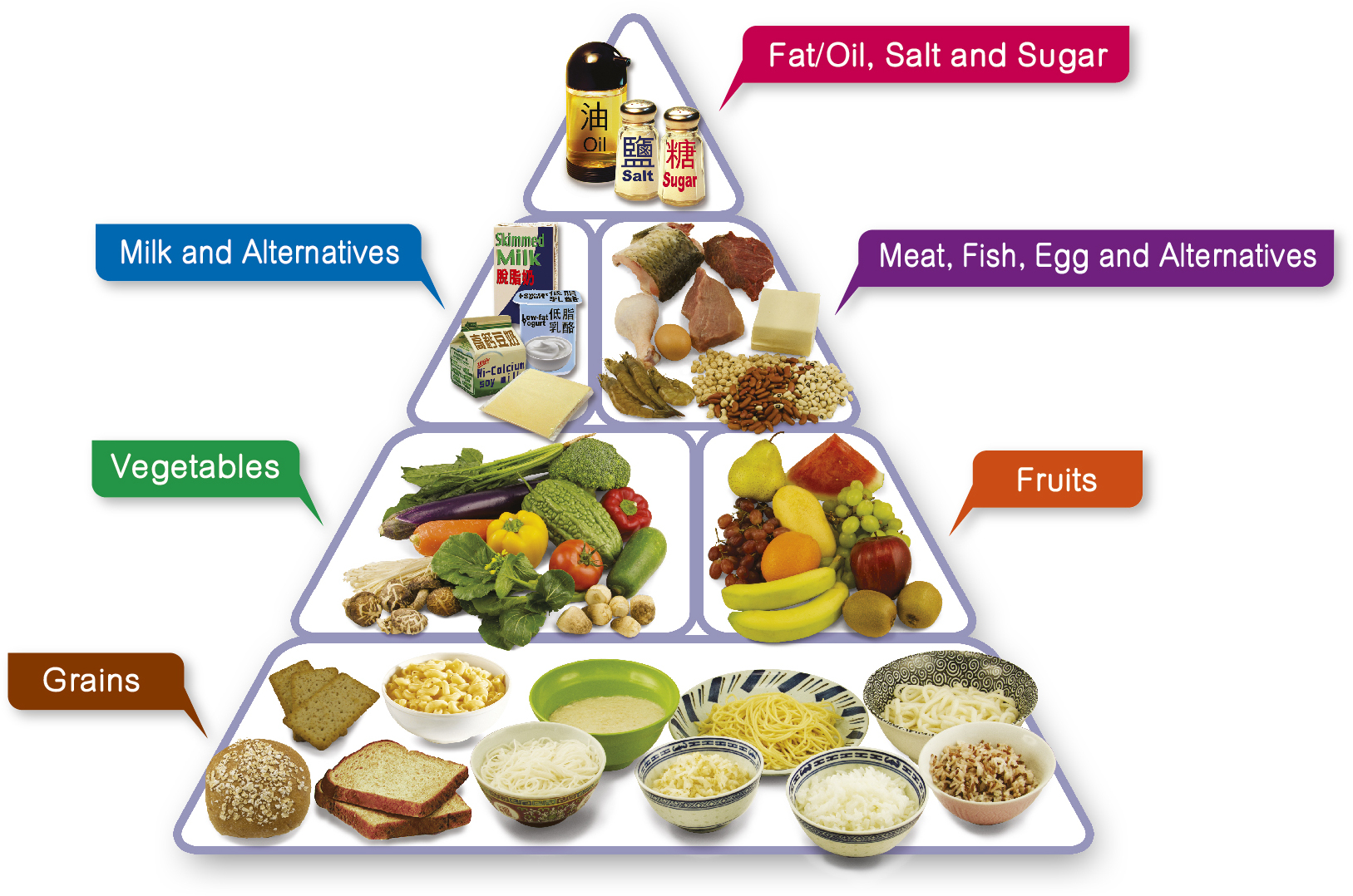
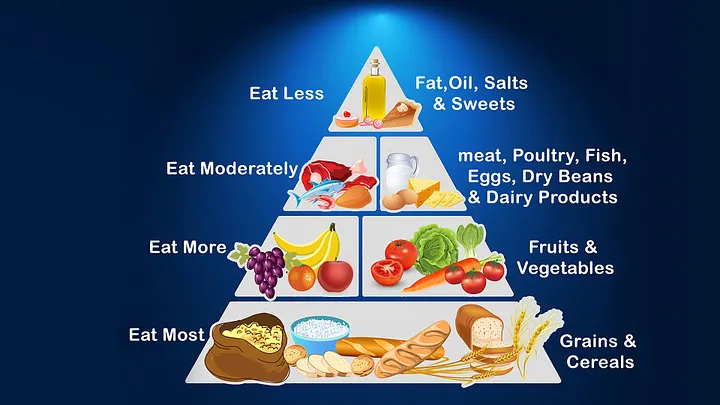
The Healthy Eating Food Pyramid is a simple guide that organizes foods into groups and shows how much of each type you should eat. It is shaped like a pyramid to help visualize the quantity of foods to consume:
-
Base of the Pyramid – Foods you should eat the most
-
Middle Layers – Foods to eat in moderate amounts
-
Top of the Pyramid – Foods to eat sparingly
The pyramid encourages a diet that is rich in grains, fruits, vegetables, and moderate in proteins, while limiting fats, oils, salt, and sugar.
Base of the Pyramid: Grains
Grains should make up the largest portion of your diet. They provide carbohydrates, which are the main source of energy for your body.
Examples of Grains:
-
Rice (brown rice preferred over white rice)
-
Whole wheat bread or chapati
-
Oats and oatmeal
-
Quinoa
-
Barley
-
Millet
Tips for Healthy Grain Consumption:
-
Choose whole grains over refined grains whenever possible.
-
Include grains in every meal—breakfast, lunch, and dinner.
-
Limit foods made from refined flour, like white bread and pastries, which have fewer nutrients and less fiber.
Grains are important not only for energy but also for fiber, which supports digestion and helps prevent constipation.
Second Layer: Fruits and Vegetables
Fruits and vegetables provide essential vitamins, minerals, and fiber. They help the immune system, keep your digestive system healthy, and reduce the risk of chronic diseases.
Examples of Fruits:
-
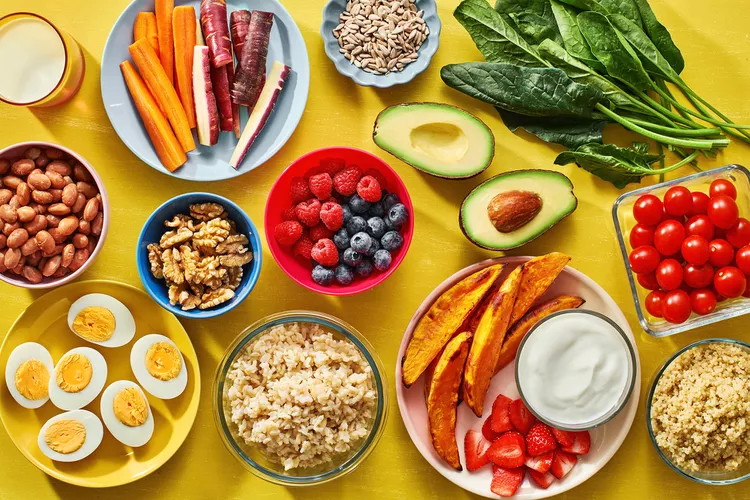
Apples, oranges, bananas, grapes, berries, mangoes, papaya
Examples of Vegetables:
-
Spinach, kale, carrots, broccoli, bell peppers, tomatoes, cucumbers, zucchini
Tips:
-
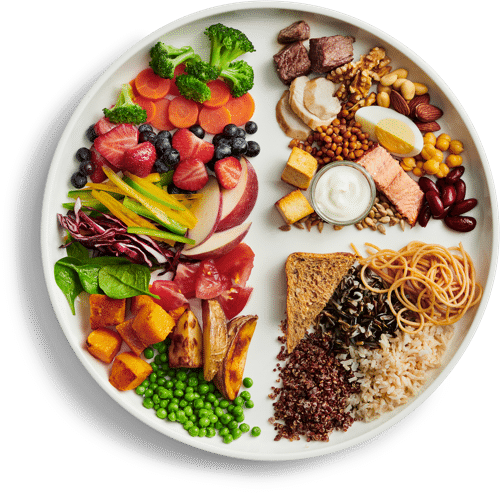
Aim to fill half your plate with fruits and vegetables at each meal.
-
Include a variety of colors to get a wide range of nutrients.
-
Fresh, seasonal fruits and vegetables are best, but frozen or minimally processed options are also good.
Health Benefits:
-
Improve digestion with fiber
-
Boost immunity with vitamins and antioxidants
-
Support heart and brain health
-
Maintain healthy weight
Third Layer: Protein-Rich Foods
Protein is essential for growth, repairing tissues, and maintaining muscle mass. The pyramid recommends moderate amounts of protein-rich foods.
Examples:
-
Lean meats (chicken, turkey, lean beef)
-
Fish (salmon, sardines, tuna)
-
Eggs
-
Dairy (milk, yogurt, cheese, paneer)
-
Legumes (lentils, chickpeas, beans, peas)
-
Nuts and seeds
Tips for Healthy Protein:
-
Trim fat from meat before cooking.
-
Prefer low-fat cooking methods like steaming, boiling, stewing, or using non-stick pans.
-
Include plant-based proteins for variety and added fiber.
Benefits:
-
Supports muscle growth and repair
-
Keeps you full and satisfied
-
Provides essential nutrients like iron, zinc, calcium, and B vitamins
Top Layer: Fats, Oils, Salt, and Sugar
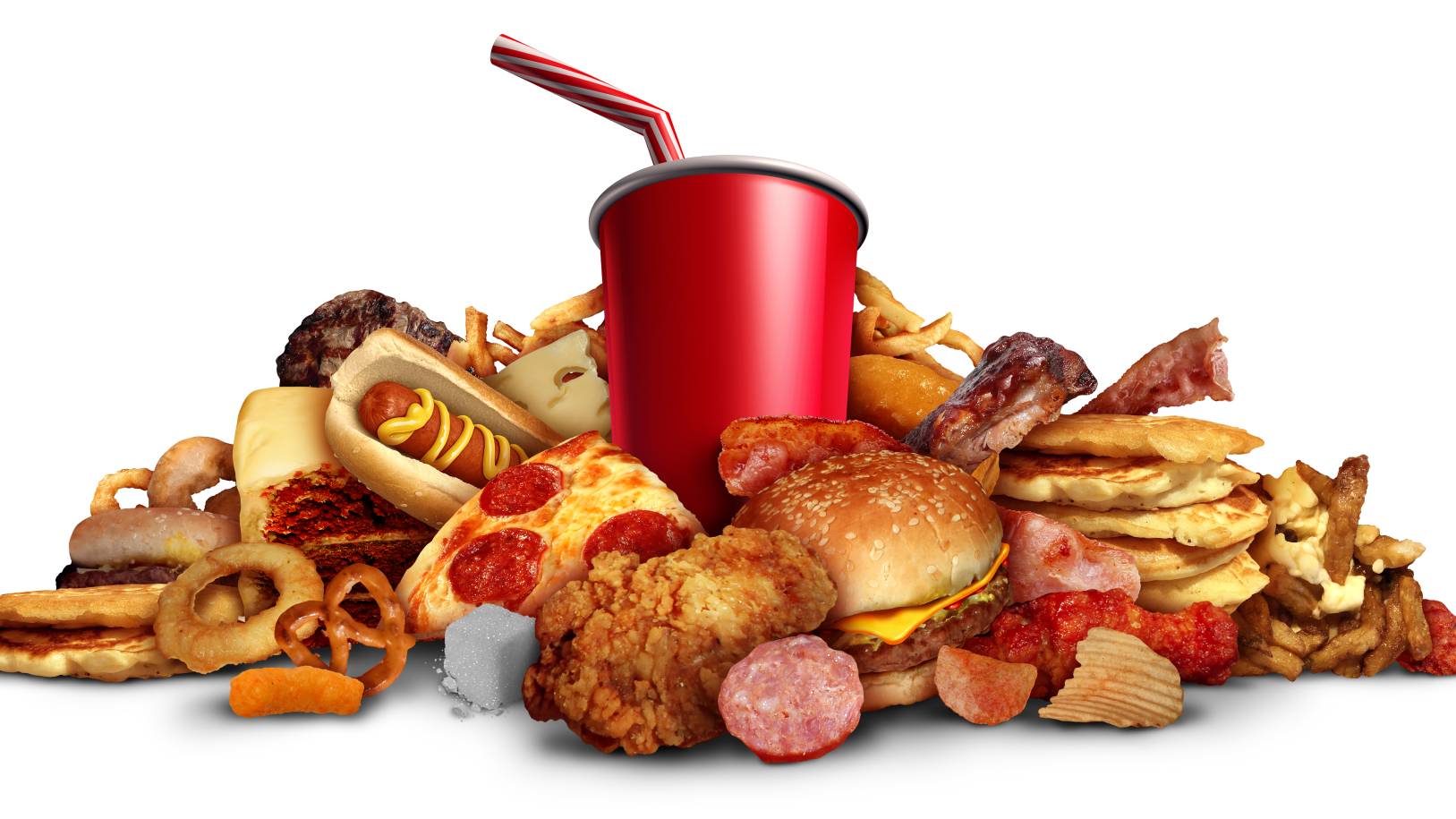
Foods in this layer should be eaten sparingly. Too much fat, salt, or sugar can lead to health problems like obesity, high blood pressure, heart disease, and diabetes.
Tips to Limit Unhealthy Components:
-
Use healthy fats like olive oil, avocado, or nuts in moderation.
-
Reduce salt in cooking; use herbs and spices for flavor.
-
Limit sugary drinks, desserts, and sweets.
-
Avoid deep-frying; prefer steaming, boiling, simmering, or stir-frying with minimal oil.
Cooking Tips:
-
Use non-stick pans to reduce oil use.
-
Trim visible fat from meat before cooking.
-
Steam vegetables instead of frying to preserve nutrients.
-
Opt for low-fat dairy products when possible.
Benefits of Reducing Fats, Salt, and Sugar:
-
Helps maintain a healthy weight
-
Reduces risk of heart disease and high blood pressure
-
Supports long-term health and longevity
Portion Guidance Using the Pyramid
The pyramid helps you understand how much of each food group to eat:
-
Grains – Eat the most; make them the base of your meals.
-
Fruits and Vegetables – Eat plenty; half of your plate should be fruits and vegetables.
-
Protein – Eat a moderate amount; include a source in each meal.
-
Fats, Oils, Salt, Sugar – Eat sparingly; use as flavoring rather than the main ingredient.
Tip: Balance is key. Don’t skip any layer, but adjust portion sizes to maintain a healthy weight.
Sample Daily Meal Plan Using the Pyramid
Breakfast:
-
Oatmeal with fresh berries and a handful of nuts
-
A glass of milk or yogurt
Snack:
-
Apple or banana
-
Small handful of almonds
Lunch:
-
Brown rice or whole wheat chapati
-
Grilled chicken or lentil curry
-
Steamed vegetables (carrots, broccoli, beans)
-
Side salad
Snack:
-
Yogurt with fruit
-
Roasted chickpeas
Dinner:
-
Quinoa or whole-grain pasta
-
Grilled fish or tofu
-
Stir-fried vegetables with minimal olive oil
-
Fresh fruit for dessert
Tip: Drink plenty of water throughout the day and limit sugary beverages.
Benefits of Following the Healthy Eating Pyramid
-
Balanced Nutrition – Provides carbohydrates, protein, fat, vitamins, and minerals in the right proportions.
-
Weight Management – Helps prevent overeating and supports a healthy body weight.
-
Heart Health – Limits unhealthy fats, salt, and sugar.
-
Digestive Health – High fiber from grains, fruits, and vegetables improves digestion.
-
Long-Term Health – Reduces risk of chronic diseases like diabetes, hypertension, and heart disease.
Practical Tips to Implement the Pyramid
-
Plan Meals Ahead – Include all layers of the pyramid in your shopping list.
-
Cook at Home – Home-cooked meals are healthier than ready-to-eat foods.
-
Use Healthy Cooking Methods – Steam, boil, simmer, or stir-fry. Avoid deep-frying.
-
Trim Fats from Meat – Reduces unhealthy fat intake.
-
Moderate Salt and Sugar – Use natural herbs, spices, and small amounts of healthy fats.
-
Variety Is Key – Eat a mix of foods from each group to get all essential nutrients.
Summary
The Healthy Eating Food Pyramid is a simple guide to help us eat a balanced diet. Grains should form the base of your meals, followed by plenty of fruits and vegetables. Moderate amounts of protein-rich foods like meat, fish, eggs, and dairy are essential, while fats, oils, salt, and sugar should be limited.
By following the pyramid, using healthy cooking methods, trimming fats, and focusing on whole foods, you can maintain a balanced diet, support long-term health, and reduce the risk of chronic diseases. Making small, consistent changes in how you choose, cook, and consume food can have a big impact on overall well-being.
Read Also: Keep your face towards the sunshine and shadows will fall behind you
Watch Also: https://www.youtube.com/@TravelsofTheWorld24










Leave a Reply