
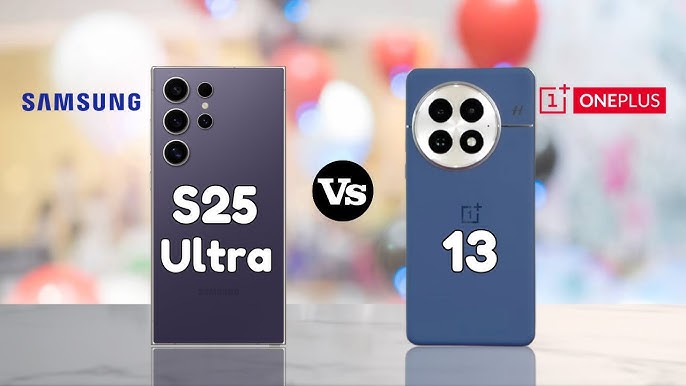
Today’s flagship phones are powerful, exciting, and expensive. But not all flagships are the same. The OnePlus 13 and the Samsung Galaxy S25 Ultra are two of the most talked‑about phones of this generation. Both promise top‑tier performance, great cameras, long battery life, and smooth screens — but they take different approaches.
Let’s break this down step by step in simple words so you can really understand how they stack up and why some people feel the OnePlus 13 challenges Samsung’s Ultra flagship.
1. Design and Build Quality
Galaxy S25 Ultra
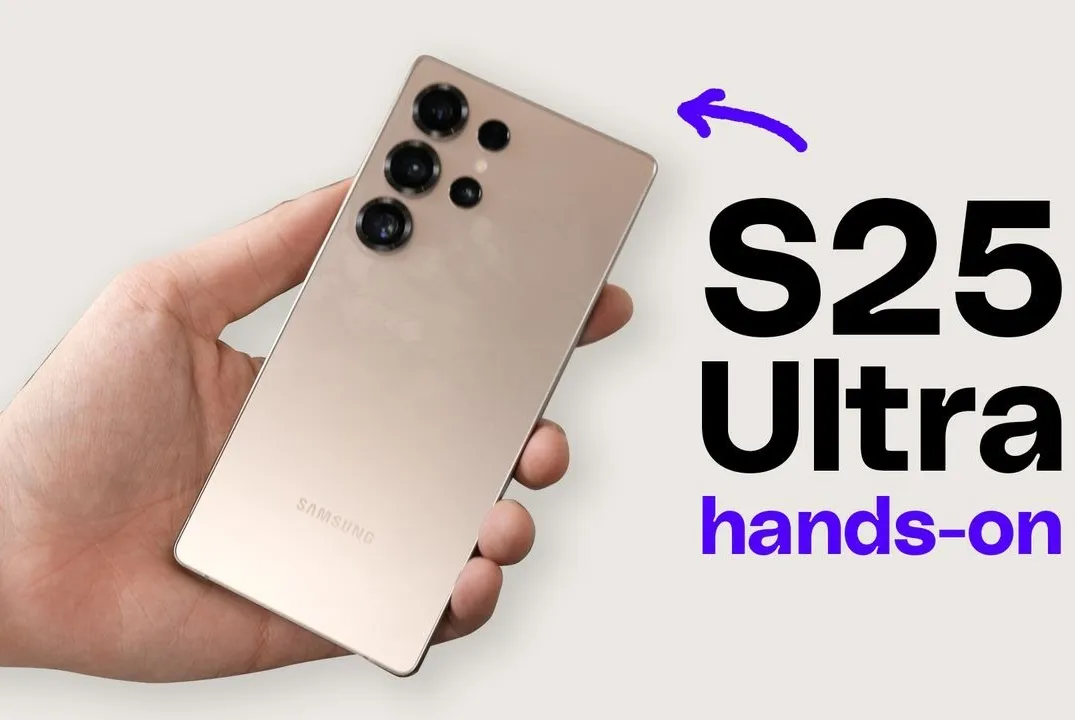
The Galaxy S25 Ultra feels premium and solid in the hand. It has a sleek design with a curved screen and slim bezels. It’s a big phone, but it’s built to look and feel like a true flagship. Samsung’s design usually feels luxury, with smooth edges and a refined camera layout.
The S25 Ultra also comes with an S Pen, something unique in a non‑folding phone — great for drawing, writing notes, and navigating the device in new ways.
OnePlus 13
The OnePlus 13 also feels premium but in a slightly different way. The screen is more flat, and the look is clean and minimal. Some people like the simple, clean style more than flashy, curved sides.
OnePlus went with a strong casing and high dust/water protection (IP69), which is even a bit better than Samsung’s common IP68 level — though both are more than enough for everyday life.
Verdict:
Both phones feel like premium devices, but Samsung’s design can seem flashier, while OnePlus feels cleaner and tougher.
2. Display — What You See Every Day
Galaxy S25 Ultra
Samsung makes some of the best displays in the world, and the S25 Ultra’s screen is big and beautiful. It’s a 6.9‑inch Dynamic AMOLED panel with super‑smooth motion at 120Hz. The colors, brightness, and clarity are excellent — perfect for videos or long browsing sessions.
OnePlus 13
The OnePlus 13 has a similar size screen (about 6.8″) with the same 120Hz refresh rate. OnePlus claims very high peak brightness, which helps outdoors.
A nice detail here is brightness outdoors — OnePlus can sometimes be easier to see in full sun thanks to its high brightness numbers. However, Samsung’s screen tends to have richer color depth and better overall panel quality.
Verdict:
Samsung’s screen is slightly more refined overall, but OnePlus still delivers an excellent display that’s bright and smooth.
3. Performance — Speed, Gaming, Everyday Use
Both phones run on the Snapdragon 8 Elite class chipsets, which are currently among the best you can find in Android phones.
Galaxy S25 Ultra
Samsung uses its own custom version of the Snapdragon 8 Elite chip. This means Samsung and Qualcomm worked together to fine‑tune performance, especially for things like multitasking, cooling, and AI functions.
OnePlus 13
OnePlus uses the standard Snapdragon 8 Elite chipset — but pairs it with impressive cooling tech and big memory options (up to 24GB RAM in some versions). Some tests show that this can help it stay cool and stable in long gaming sessions.
For most people, performance will feel very fast on both phones. You won’t notice lag in everyday apps, games, or multitasking.
Verdict:
Both are powerful. Samsung’s custom tweaks give it a tiny edge in some tests, but OnePlus is still extremely capable.
4. Cameras — Photography and Zoom Power
Galaxy S25 Ultra
Samsung’s biggest advantage here is its camera versatility. The S25 Ultra has:
-
A 200MP main camera
-
A wide‑angle lens
-
Two telephoto lenses — one with 3x optical zoom and one with 5x optical zoom
That means Samsung gives you more zoom power and more ways to shoot in different situations. It also supports 8K video and many creative camera tools.
OnePlus 13
The OnePlus 13 camera system is strong:
-
Three 50MP cameras (main, wide, periscope zoom)
-
Hasselblad tuning for color
-
Great results in everyday shots
The main difference is zoom range. OnePlus only has up to about 3x optical zoom — so it’s not as powerful as Samsung for faraway shots.
Many users feel OnePlus produces great real‑life photos and accurate colors. Some even find it better for everyday snaps compared to Samsung’s over‑processed look.
Verdict:
If zoom and more camera tools matter to you, Samsung wins. If you want real‑life shots with excellent colors, OnePlus still competes hard.
5. Battery Life and Charging
Battery remains a big area where OnePlus shines.
OnePlus 13
-
6,000mAh battery — larger than Samsung’s
-
Really fast wired charging (up to 100W), reaching a large charge very quickly
-
Strong wireless charging too
Real‑life tests show the OnePlus 13 often lasts longer on a single charge and charges faster than the S25 Ultra.
Galaxy S25 Ultra
-
5,000mAh battery — smaller than the OnePlus
-
Slower charging speed (45W)
-
Wireless charging and Reverse WirelessCharging
The S25 Ultra still lasts a full day on heavy use, but OnePlus pulls ahead in both battery life and charging speed.
Verdict:
OnePlus clearly wins battery life and speed here.
6. Software Experience
Software can shape how a phone feels every day.
Samsung One UI
Samsung’s One UI is rich in features — tools, customization, AI features, gestures, special enhancements, Galaxy ecosystem ties, and more. You also get seven years of software updates, which is more than most Android brands offer.
OnePlus OxygenOS
OnePlus’ OxygenOS feels cleaner and simpler to many users. People who like a calm, smooth, minimal UI may prefer this. But it doesn’t have as many features or as many years of guaranteed updates (OnePlus promises fewer major updates).
Some users online actually praise OnePlus software for feeling smooth and quick, while others say it lacks some polish compared to Samsung.
Verdict:
One UI offers more long‑term support and features. OxygenOS feels simpler and faster to some users. It’s really a personal taste thing.
7. Extras — Things That Matter in Real Life
Samsung S25 Ultra Extras
-
S Pen support — great for notes, drawings, and precision
-
More software features and ecosystem tools
-
Better zoom range in camera
OnePlus 13 Extras
-
Bigger battery and faster charging
-
Often better value for money — powerful phone for less
-
Strong performance and minimal, clean interface
A lot of online discussions highlight price value as a major point in favor of OnePlus — people often say you get nearly the same or better performance for hundreds of dollars less.
On the other hand, Samsung’s additional features and richer ecosystem are still worth it for many buyers.
8. Real‑Life Opinions from Users
People who actually use both phones have said different things:
-
Some prefer the OnePlus for everyday shots and battery life.
-
Others feel Samsung’s display and camera zoom are more polished.
-
Some find the OnePlus feels more “simple and smooth.”
-
A few think Samsung’s software feels more complete but sometimes buggy.
No matter what, both phones have strong fans.
Overall Verdict — Who Should Be Worried?
Why Samsung Might Be Worried
-
The OnePlus 13 gives almost flagship performance for much less money. You get a big battery, extremely fast charging, strong cameras, and top‑tier speed without spending as much as Samsung’s Ultra.
-
Many people feel the everyday experience is just as good as Samsung’s high‑end phone — especially for core features like performance and battery.
-
OnePlus continues to close the gap on design, camera quality, and software feel — areas where Samsung used to have a clear edge.
Where Samsung Still Leads
-
More camera flexibility and zoom power
-
Stronger software support and ecosystem features
-
Premium extras like the S Pen and richer One UI tools
Bottom Line
If your goal is performance, battery endurance, value for money, and strong everyday photos, the OnePlus 13 may make you question whether Samsung is worth the extra price.
If you want the most polished camera system, deeper software tools, AI features, and long‑term support, the Galaxy S25 Ultra is still one of the best phones you can buy.
Quick Final Tips if You’re Choosing
Choose OnePlus 13 if you want:
-
Better battery life
-
Faster charging
-
Lower price but similar performance
-
A clean user experience
Choose Galaxy S25 Ultra if you want:
-
Stronger camera zoom and creative tools
-
More software features and ecosystem links
-
Longer official software updates
-
S Pen support
Final Thoughts
Both phones are amazing. But the OnePlus 13 has forced people to rethink what a flagship phone needs to have — and that can make a giant like Samsung feel some pressure. It’s proof that giving users great performance, power, and battery without a huge price tag can shake up the smartphone world.
In simple words:
The OnePlus 13 is not just another competitor — it’s a real challenger to Samsung’s Ultra level. Many people now ask themselves, “Do I really need to pay extra for a Galaxy Ultra?” That’s exactly why Samsung should, at the very least, keep an eye on what OnePlus is doing.
Read Also: Keep your face towards the sunshine and shadows will fall behind you
Watch Also: https://www.youtube.com/@TravelsofTheWorld24





Leave a Reply