
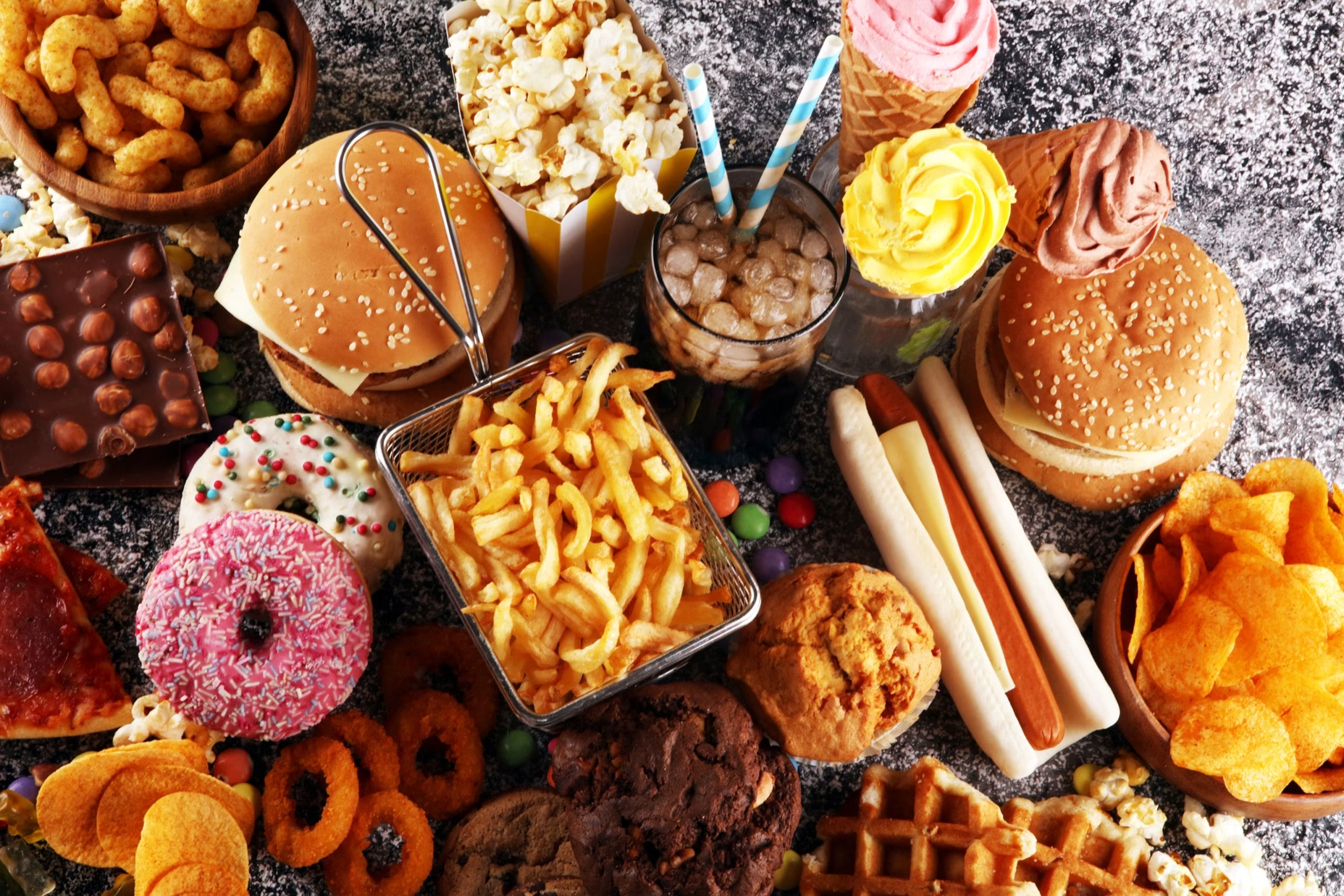
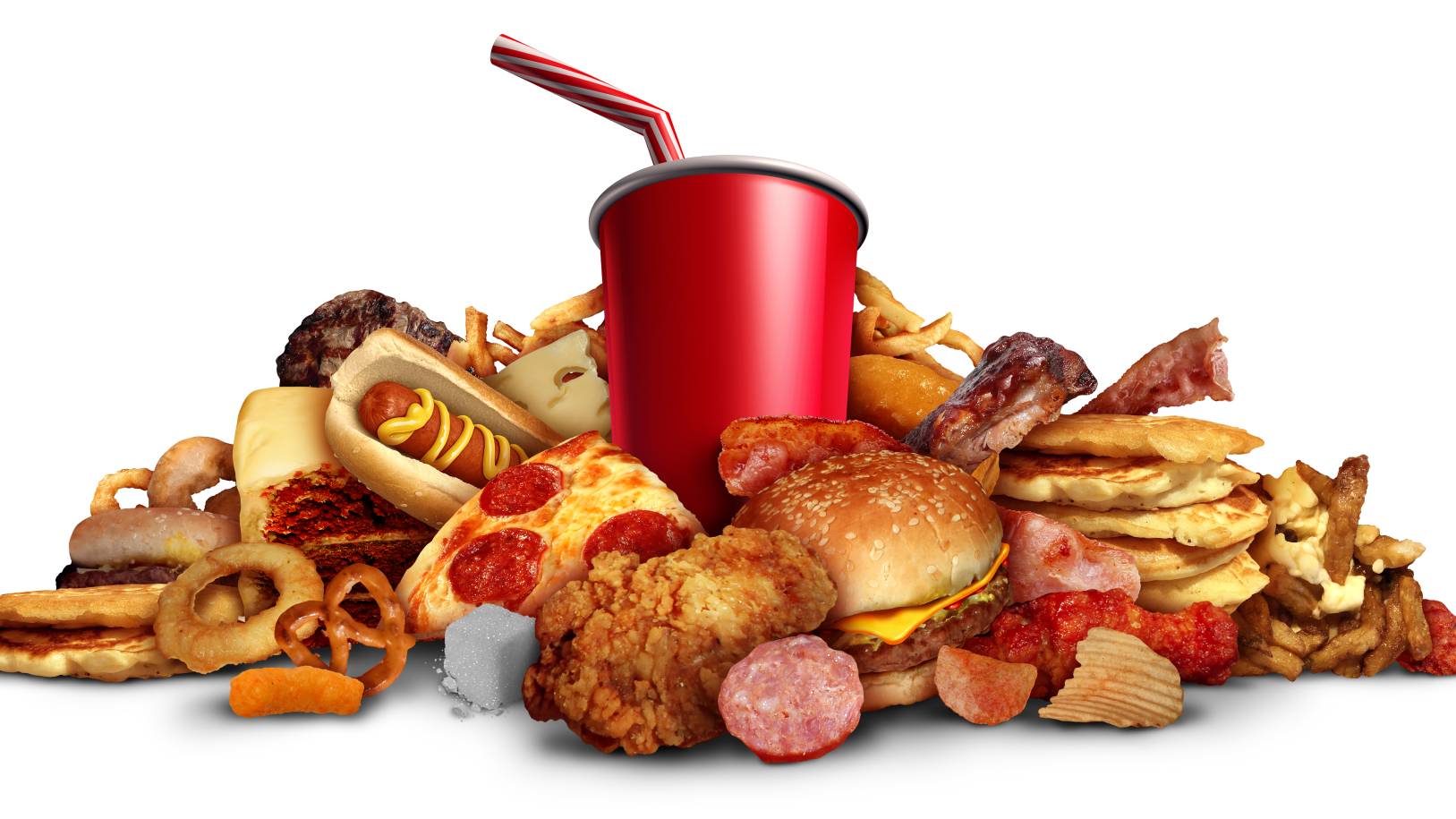
In recent decades, the global food landscape has changed dramatically. One of the biggest changes is the rise of ultra-processed foods. These are foods that are highly processed and contain ingredients not commonly found in a kitchen, such as artificial colors, flavors, preservatives, sweeteners, and emulsifiers. Examples include packaged snacks, sugary drinks, instant noodles, frozen meals, fast food items, and many ready-to-eat packaged products.
Experts now warn that this surge in ultra-processed foods is a serious public health threat, affecting millions of people worldwide.
What Are Ultra-Processed Foods?
Ultra-processed foods are different from minimally processed foods like fresh fruits, vegetables, or boiled rice. They are often high in:
-
Added sugars – Can lead to obesity and diabetes.
-
Salt (sodium) – Linked to high blood pressure and heart disease.
-
Unhealthy fats – Often trans fats or refined oils that harm the heart.
-
Additives – Such as flavorings, colors, preservatives, which may affect health when consumed in excess.
They are designed to be convenient, tasty, and long-lasting, which is why they have become so popular globally.
Why Ultra-Processed Foods Are Popular
-
Convenience – Ready-to-eat and quick meals save time for busy people.
-
Taste – High sugar, salt, and fat content make them highly palatable.
-
Marketing – Aggressive advertising targets children and adults, making them attractive.
-
Affordability – Often cheaper than fresh, whole foods, especially in urban areas.
-
Shelf Life – Long-lasting products reduce waste and make storage easier.
While convenient, these foods often replace healthier meals in daily diets.
Health Risks of Ultra-Processed Foods
Eating ultra-processed foods regularly has been linked to many health problems:
1. Obesity
-
These foods are high in calories and low in fiber, which can lead to overeating.
-
Studies show that people who eat more ultra-processed foods have a higher risk of gaining excess weight.
2. Heart Disease
-
High salt and unhealthy fats increase the risk of high blood pressure, cholesterol, and heart problems.
-
Long-term consumption can raise the risk of cardiovascular diseases.
3. Diabetes
-
Added sugars cause spikes in blood sugar levels.
-
Frequent consumption may contribute to insulin resistance and type 2 diabetes.
4. Digestive Problems
-
Lack of fiber in these foods can cause constipation and poor gut health.
-
Some additives and emulsifiers may affect gut bacteria.
5. Mental Health
-
Emerging research suggests a link between ultra-processed foods and higher rates of depression and anxiety.
-
Poor diet can affect brain function and mood over time.
Global Trends
-
Countries worldwide are seeing a rise in ultra-processed food consumption.
-
Urban areas, in particular, are shifting from traditional diets of fresh produce and grains to packaged and fast foods.
-
Even low- and middle-income countries are experiencing increases due to globalization and aggressive food marketing.
Example: In some countries, over 50% of daily calories now come from ultra-processed foods.
Children and Ultra-Processed Foods
Children are especially vulnerable:
-
They are attracted to bright packaging, sugary drinks, snacks, and cereals.
-
High consumption in childhood can establish unhealthy eating habits that continue into adulthood.
-
Diets high in ultra-processed foods are linked to childhood obesity, early onset diabetes, and poor cognitive development.
Why This Is a Public Health Concern
The World Health Organization (WHO) and nutrition experts warn that the global rise in ultra-processed foods is not just a personal choice issue—it’s a public health crisis.
-
Healthcare Costs – Obesity, diabetes, and heart disease increase medical costs for families and governments.
-
Life Expectancy – Poor diets contribute to premature death from preventable diseases.
-
Economic Impact – Reduced productivity due to health problems affects economies globally.
How to Reduce Ultra-Processed Food Consumption
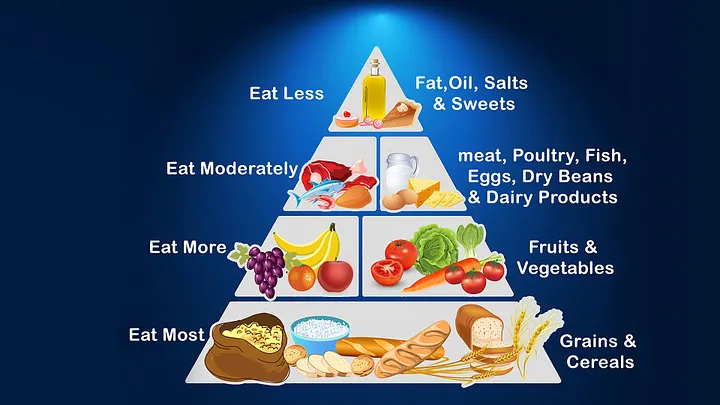
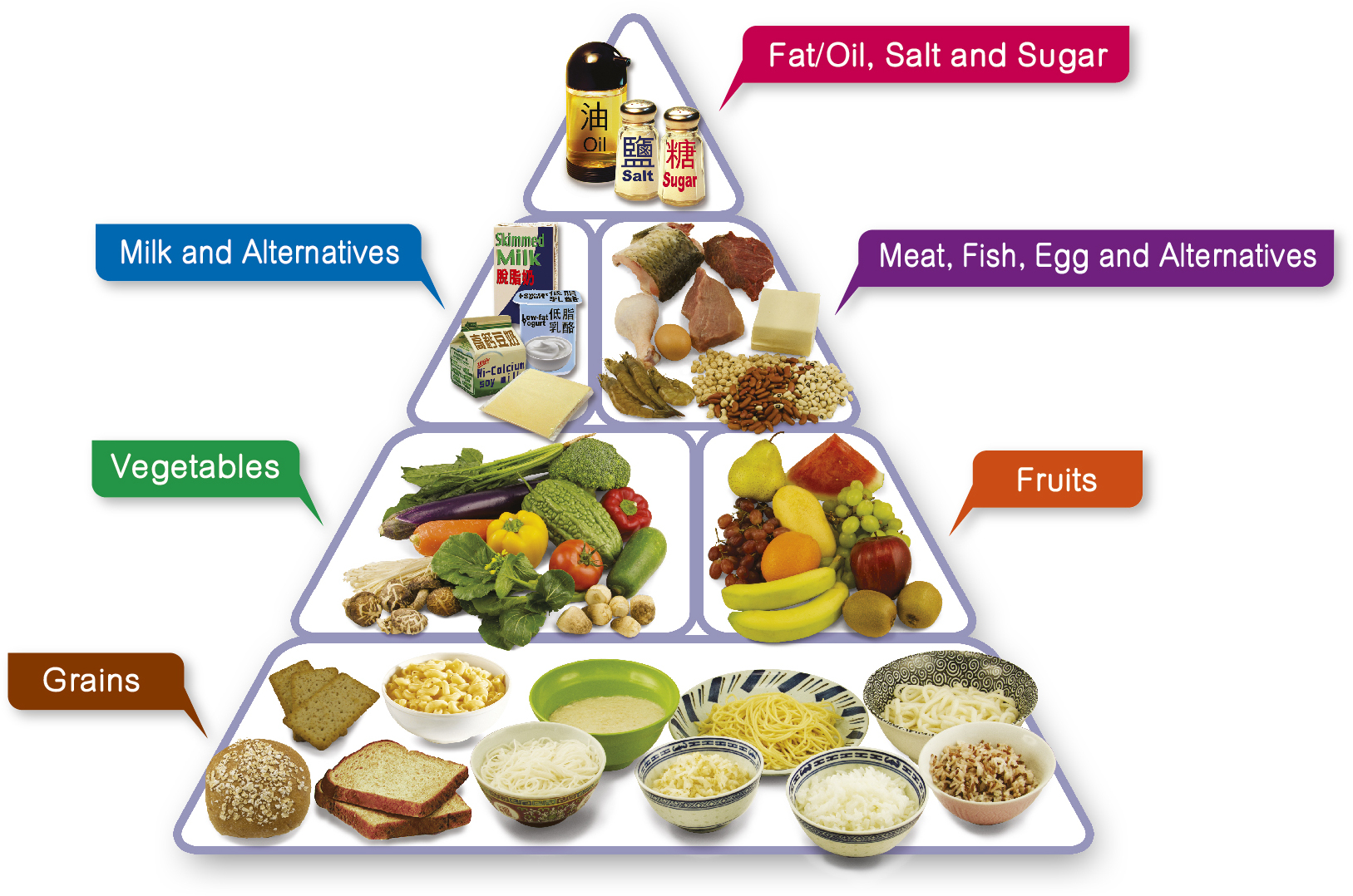
1. Promote Whole Foods
-
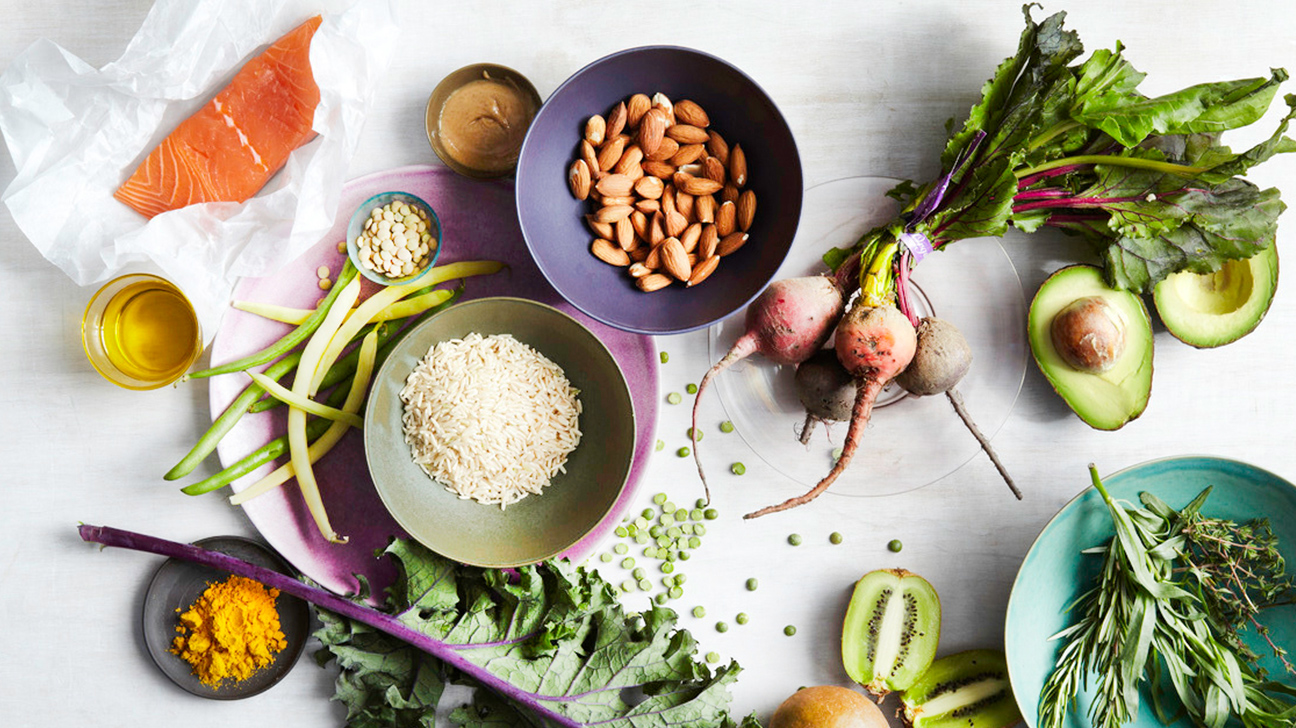
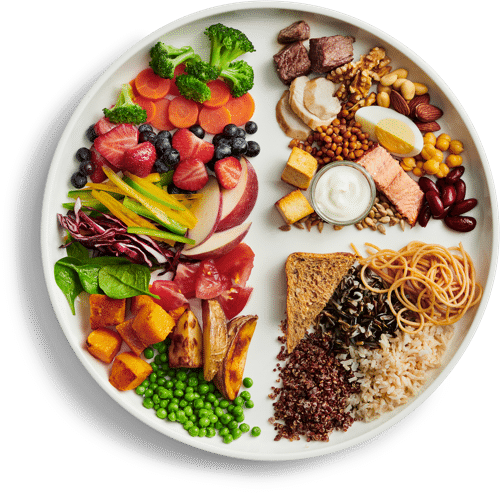
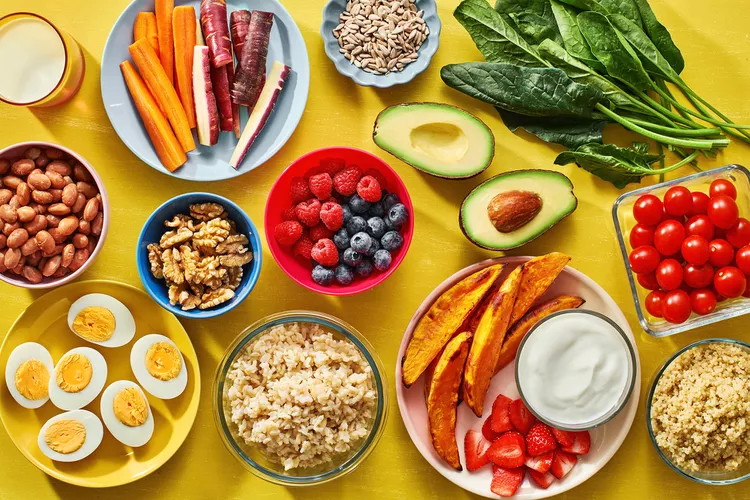
Fruits, vegetables, whole grains, lean proteins, and healthy fats should form the base of daily diets.
-
Cooking meals at home reduces reliance on processed foods.
2. Educate About Nutrition
-
Public awareness campaigns can teach people about the risks of ultra-processed foods.
-
School programs can encourage children to choose healthier options.
3. Regulate Marketing
-
Limit advertising of ultra-processed foods, especially to children.
-
Encourage labels that clearly show sugar, salt, and fat content.
4. Improve Accessibility
-
Make healthy foods more affordable and available, especially in urban areas.
-
Governments can support local farmers and fresh produce markets.
5. Personal Habits
-
Read food labels carefully and avoid products with too many additives or sugar.
-
Plan meals to include natural, minimally processed ingredients.
-
Snack on fruits, nuts, or homemade healthy options instead of packaged snacks.
Examples of Minimally Processed Alternatives
| Ultra-Processed Food | Healthier Alternative |
|---|---|
| Sugary soda | Water, coconut water, or infused water |
| Packaged snacks | Nuts, seeds, fruit slices, roasted chickpeas |
| Instant noodles | Whole-grain pasta or stir-fried vegetables with noodles |
| Sweet cereals | Oats with fruits and nuts |
| Frozen ready meals | Homemade meals with fresh ingredients |
The Role of Governments and Experts
Experts suggest that governments play a role in reducing the risks of ultra-processed foods:
-
Introduce taxes on sugary drinks and junk foods.
-
Regulate advertising to children.
-
Encourage food labeling for transparency.
-
Support school meals with fresh, minimally processed foods.
Conclusion
The global rise in ultra-processed foods is more than a dietary trend; it’s a public health threat. Regular consumption contributes to obesity, diabetes, heart disease, and even mental health problems. Children and urban populations are especially affected.
Promoting whole foods, educating the public, regulating marketing, and improving access to healthy foods are key steps to tackle this issue. By making better choices daily and reducing reliance on ultra-processed foods, individuals can protect their health, and communities can reduce the burden of preventable diseases.
Read Also: Keep your face towards the sunshine and shadows will fall behind you
Watch Also: https://www.youtube.com/@TravelsofTheWorld24








Leave a Reply