
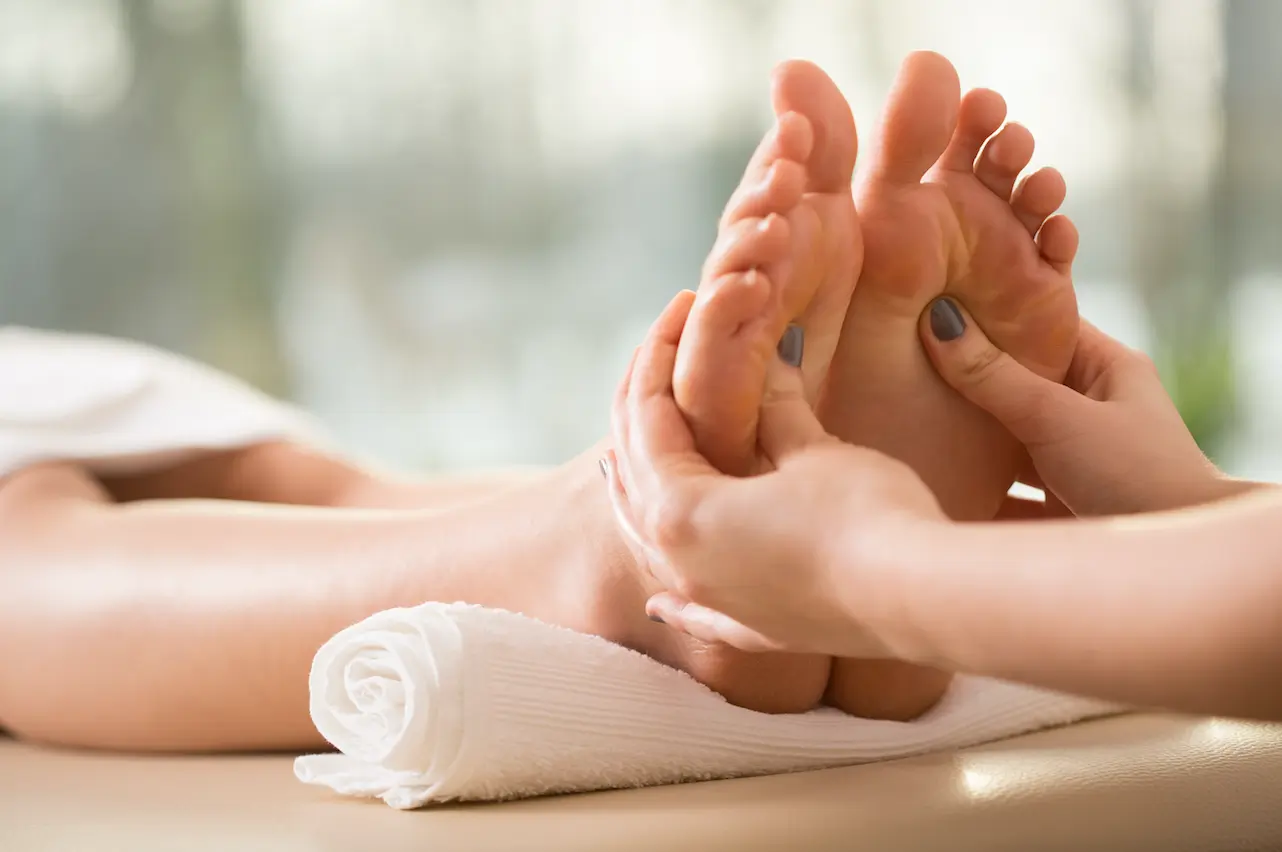
Massage therapy has been used for thousands of years to help people relax, relieve stress, and take care of their bodies. Over time, many different types of massage have developed, each with unique techniques and benefits. One type that has gained popularity is trigger point or pressure point massage therapy. This therapy focuses on specific points in the muscles that cause pain or tension, helping the body feel better naturally.
In this article, we’ll explain what trigger point massage is, how it works, its benefits, and how to know if it’s right for you. We’ll keep it simple and easy to understand.
What Is Trigger or Pressure Point Massage Therapy?
Trigger point massage therapy is a specialized form of massage that targets tight, sensitive areas in your muscles called “trigger points.”
Trigger points are spots in the muscles that feel like small knots. These knots can cause discomfort or pain in the exact spot or even in other parts of your body. For example, a knot in your shoulder may cause pain to radiate down your arm.
The goal of this massage is to release these knots, reduce pain, and restore normal muscle function.
How Does Trigger Point Massage Work?
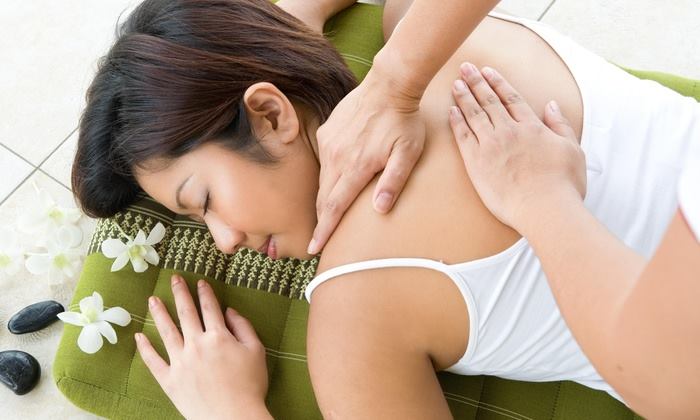
Trigger point massage works by applying focused pressure to the knots or tense areas in your muscles.
Here’s how it generally works:
-
Identification: The therapist feels for tight areas in your muscles.
-
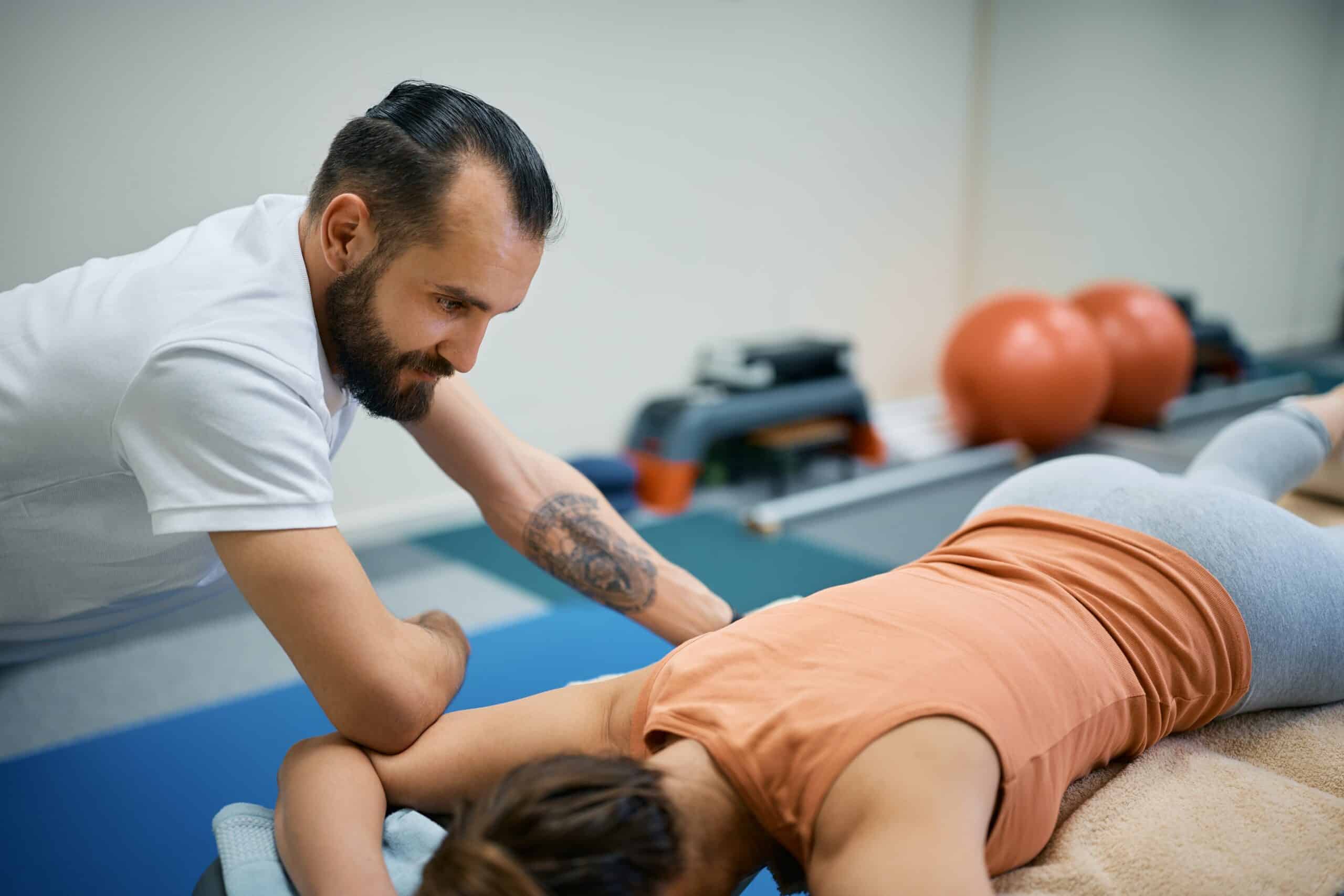
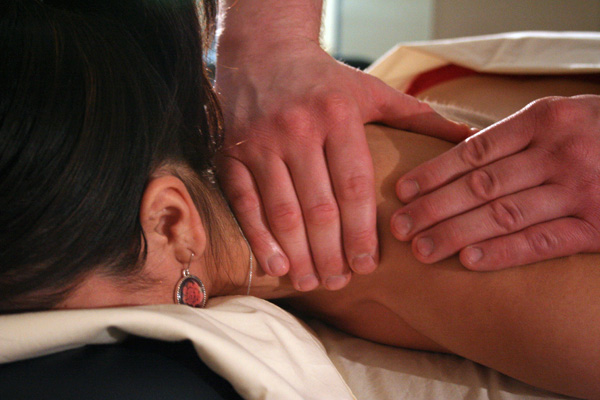
Pressure: Firm, steady pressure is applied to the trigger point using fingers, knuckles, or elbows.
-
Hold and Release: The therapist holds the pressure for several seconds, which helps release tension.
-
Stretching: Sometimes, the therapist will stretch the muscle after releasing the knot.
The pressure may feel uncomfortable at first, but it should not be painful. Over time, the tension in the muscle eases, and the pain often decreases.
Common Areas for Trigger Points
Trigger points can develop in almost any muscle. Some of the most common areas include:
-
Neck and shoulders
-
Upper and lower back
-
Arms and forearms
-
Hips and thighs
-
Legs and calves
These points often develop due to poor posture, stress, overuse of muscles, or injury. Addressing them with trigger point therapy can bring relief not only to the area itself but also to connected parts of the body.
Benefits of Trigger Point Massage Therapy
Trigger point massage offers a wide range of benefits. Here are the most important ones:
1. Reduces Muscle Pain and Stiffness
By targeting knots and tight areas in the muscles, this massage helps relieve pain and stiffness. It’s effective for both chronic pain and temporary discomfort caused by stress or activity.
2. Improves Mobility and Flexibility
When muscles are tight, movement can feel restricted. Releasing trigger points helps restore normal muscle function, improving your range of motion and flexibility.
3. Relieves Tension Headaches
Many headaches are caused by tension in the neck, shoulders, and upper back. Trigger point massage can release this tension, reducing the frequency and intensity of headaches.
4. Helps with Posture
Tight muscles often pull your body out of alignment, causing poor posture. By releasing knots and balancing muscle tension, trigger point therapy supports better posture over time.
5. Supports Athletic Performance
Athletes often use trigger point massage to recover from workouts and prevent injuries. By keeping muscles loose and pain-free, it helps improve performance and reduce recovery time.
6. Reduces Stress
Muscle tension often increases when you’re stressed. Trigger point massage not only eases physical discomfort but also helps calm your mind and reduce stress levels.
7. Enhances Blood Circulation
Applying pressure to trigger points stimulates blood flow to the area, which helps deliver nutrients, remove waste, and support healing.
What to Expect During a Session
A typical trigger point massage session usually lasts 30–60 minutes, depending on your needs. Here’s what usually happens:
-
Consultation: The therapist asks about your pain, health history, and areas of discomfort.
-
Muscle Assessment: The therapist checks for tight areas and trigger points.
-
Focused Massage: The therapist applies pressure to the knots and may stretch surrounding muscles.
-
Aftercare: The therapist may suggest gentle stretching, hydration, or rest to support recovery.
It’s normal to feel some soreness after the session, similar to the feeling after a good workout. This usually goes away within a day or two.
Who Can Benefit from Trigger Point Massage?
Trigger point therapy is helpful for many people, including:
-
People with chronic muscle pain
-
Those with tension headaches
-
Office workers with poor posture
-
Athletes or active individuals
-
People recovering from minor injuries
-
Anyone experiencing stress-related muscle tension
However, it may not be suitable for everyone. People with certain medical conditions should consult a doctor before trying trigger point therapy.
Tips for First-Time Visitors
If you’re new to trigger point massage, here are some tips:
-
Wear comfortable clothing
-
Drink water before and after the session
-
Communicate with your therapist about pressure and comfort
-
Take it slow—sessions can be adjusted for beginners
-
Follow any aftercare advice, like stretching or gentle movement
These tips help you get the most benefit and feel comfortable during your session.
Trigger Point Massage vs. Other Types of Massage
It’s helpful to know how trigger point massage is different from other massages:
-
Swedish Massage: Focuses on relaxation with long, gentle strokes.
-
Deep Tissue Massage: Works on deeper muscles, sometimes similar to trigger point therapy but less focused on specific knots.
-
Thai Massage: Combines stretching and gentle pressure for flexibility and relaxation.
-
Hot Stone Massage: Uses warm stones for relaxation and muscle relief.
Trigger point therapy is more targeted. It focuses on specific problem areas rather than providing overall relaxation.
Benefits of Regular Trigger Point Massage
Regular sessions can have lasting effects, including:
-
Reduced muscle pain over time
-
Improved posture and flexibility
-
Fewer headaches caused by tension
-
Better athletic recovery
-
Lower stress and improved mood
Consistency helps the body stay balanced and prevents tension from building up again.
Final Thoughts
Trigger or pressure point massage therapy is a specialized and effective way to relieve muscle tension, reduce pain, and support overall wellness. By focusing on specific knots and tight areas, it helps your body function better and feel more comfortable.
Whether you experience chronic pain, stress-related tension, or simply want to improve your mobility and well-being, trigger point massage can be a valuable addition to your self-care routine.
If you’ve never tried it before, consider starting with a professional therapist who can guide you through the process safely. With regular sessions, you can enjoy not only physical relief but also a calmer, more relaxed mind.
Massage therapy has been used for thousands of years to help people relax, relieve stress, and take care of their bodies. Over time, many different types of massage have developed, each with unique techniques and benefits. One type that has gained popularity is trigger point or pressure point massage therapy. This therapy focuses on specific points in the muscles that cause pain or tension, helping the body feel better naturally.
In this article, we’ll explain what trigger point massage is, how it works, its benefits, and how to know if it’s right for you. We’ll keep it simple and easy to understand.
What Is Trigger or Pressure Point Massage Therapy?
Trigger point massage therapy is a specialized form of massage that targets tight, sensitive areas in your muscles called “trigger points.”
Trigger points are spots in the muscles that feel like small knots. These knots can cause discomfort or pain in the exact spot or even in other parts of your body. For example, a knot in your shoulder may cause pain to radiate down your arm.
The goal of this massage is to release these knots, reduce pain, and restore normal muscle function.
How Does Trigger Point Massage Work?
Trigger point massage works by applying focused pressure to the knots or tense areas in your muscles.
Here’s how it generally works:
-
Identification: The therapist feels for tight areas in your muscles.
-
Pressure: Firm, steady pressure is applied to the trigger point using fingers, knuckles, or elbows.
-
Hold and Release: The therapist holds the pressure for several seconds, which helps release tension.
-
Stretching: Sometimes, the therapist will stretch the muscle after releasing the knot.
The pressure may feel uncomfortable at first, but it should not be painful. Over time, the tension in the muscle eases, and the pain often decreases.
Common Areas for Trigger Points
Trigger points can develop in almost any muscle. Some of the most common areas include:
-
Neck and shoulders
-
Upper and lower back
-
Arms and forearms
-
Hips and thighs
-
Legs and calves
These points often develop due to poor posture, stress, overuse of muscles, or injury. Addressing them with trigger point therapy can bring relief not only to the area itself but also to connected parts of the body.
Benefits of Trigger Point Massage Therapy
Trigger point massage offers a wide range of benefits. Here are the most important ones:
1. Reduces Muscle Pain and Stiffness
By targeting knots and tight areas in the muscles, this massage helps relieve pain and stiffness. It’s effective for both chronic pain and temporary discomfort caused by stress or activity.
2. Improves Mobility and Flexibility
When muscles are tight, movement can feel restricted. Releasing trigger points helps restore normal muscle function, improving your range of motion and flexibility.
3. Relieves Tension Headaches
Many headaches are caused by tension in the neck, shoulders, and upper back. Trigger point massage can release this tension, reducing the frequency and intensity of headaches.
4. Helps with Posture
Tight muscles often pull your body out of alignment, causing poor posture. By releasing knots and balancing muscle tension, trigger point therapy supports better posture over time.
5. Supports Athletic Performance
Athletes often use trigger point massage to recover from workouts and prevent injuries. By keeping muscles loose and pain-free, it helps improve performance and reduce recovery time.
6. Reduces Stress
Muscle tension often increases when you’re stressed. Trigger point massage not only eases physical discomfort but also helps calm your mind and reduce stress levels.
7. Enhances Blood Circulation
Applying pressure to trigger points stimulates blood flow to the area, which helps deliver nutrients, remove waste, and support healing.
What to Expect During a Session
A typical trigger point massage session usually lasts 30–60 minutes, depending on your needs. Here’s what usually happens:
-
Consultation: The therapist asks about your pain, health history, and areas of discomfort.
-
Muscle Assessment: The therapist checks for tight areas and trigger points.
-
Focused Massage: The therapist applies pressure to the knots and may stretch surrounding muscles.
-
Aftercare: The therapist may suggest gentle stretching, hydration, or rest to support recovery.
It’s normal to feel some soreness after the session, similar to the feeling after a good workout. This usually goes away within a day or two.
Who Can Benefit from Trigger Point Massage?
Trigger point therapy is helpful for many people, including:
-
People with chronic muscle pain
-
Those with tension headaches
-
Office workers with poor posture
-
Athletes or active individuals
-
People recovering from minor injuries
-
Anyone experiencing stress-related muscle tension
However, it may not be suitable for everyone. People with certain medical conditions should consult a doctor before trying trigger point therapy.
Tips for First-Time Visitors
If you’re new to trigger point massage, here are some tips:
-
Wear comfortable clothing
-
Drink water before and after the session
-
Communicate with your therapist about pressure and comfort
-
Take it slow—sessions can be adjusted for beginners
-
Follow any aftercare advice, like stretching or gentle movement
These tips help you get the most benefit and feel comfortable during your session.
Trigger Point Massage vs. Other Types of Massage
It’s helpful to know how trigger point massage is different from other massages:
-
Swedish Massage: Focuses on relaxation with long, gentle strokes.
-
Deep Tissue Massage: Works on deeper muscles, sometimes similar to trigger point therapy but less focused on specific knots.
-
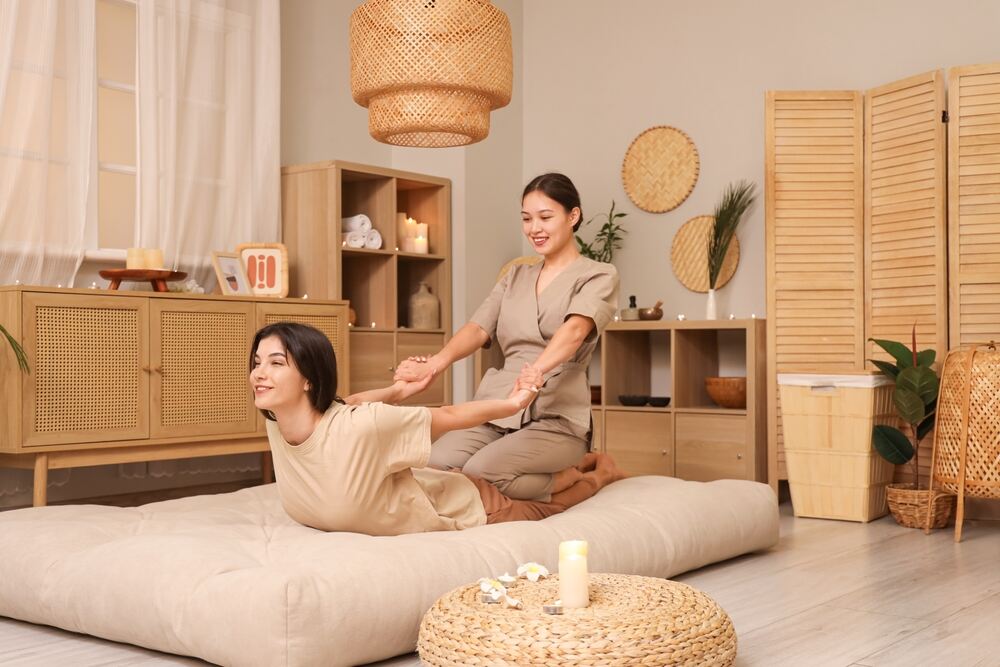
Thai Massage: Combines stretching and gentle pressure for flexibility and relaxation.
-
Hot Stone Massage: Uses warm stones for relaxation and muscle relief.
Trigger point therapy is more targeted. It focuses on specific problem areas rather than providing overall relaxation.
Benefits of Regular Trigger Point Massage
Regular sessions can have lasting effects, including:
-
Reduced muscle pain over time
-
Improved posture and flexibility
-
Fewer headaches caused by tension
-
Better athletic recovery
-
Lower stress and improved mood
Consistency helps the body stay balanced and prevents tension from building up again.
Final Thoughts
Trigger or pressure point massage therapy is a specialized and effective way to relieve muscle tension, reduce pain, and support overall wellness. By focusing on specific knots and tight areas, it helps your body function better and feel more comfortable.
Whether you experience chronic pain, stress-related tension, or simply want to improve your mobility and well-being, trigger point massage can be a valuable addition to your self-care routine.
If you’ve never tried it before, consider starting with a professional therapist who can guide you through the process safely. With regular sessions, you can enjoy not only physical relief but also a calmer, more relaxed mind.
Read Also: Keep your face towards the sunshine and shadows will fall behind you
Watch Also: https://www.youtube.com/@TravelsofTheWorld24






Leave a Reply