
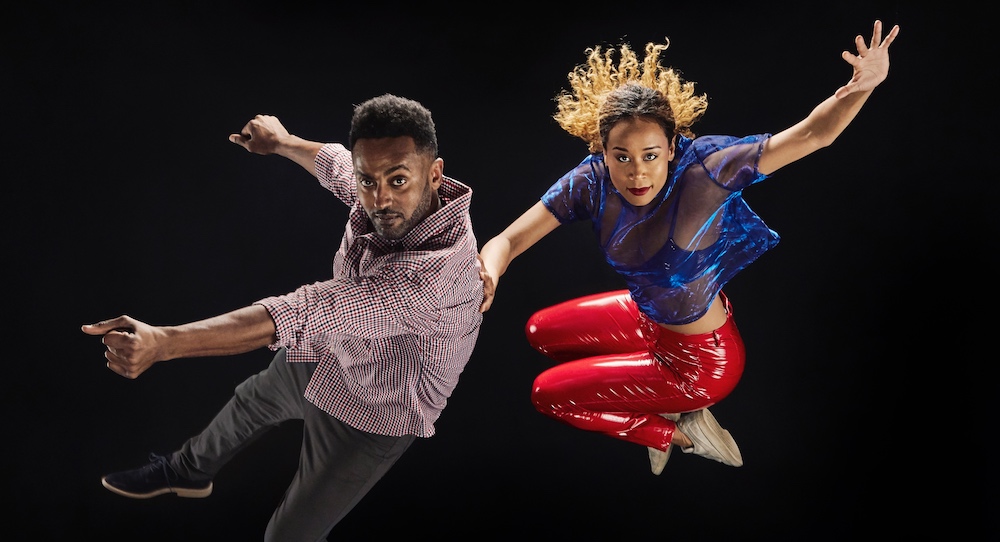
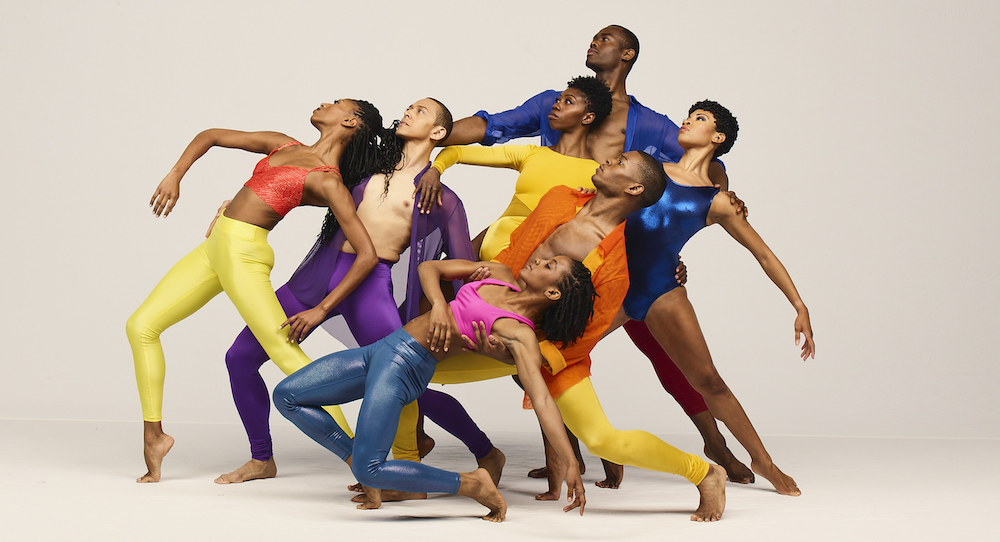
Commercial jazz, contemporary jazz, street jazz, theater jazz, jazz funk, Afro jazz, and even jazzercise — you’ve probably heard all these names before. At first, it seems like they all have one clear thing in common: jazz.
But if you think a little deeper, things start to get confusing. Are all these styles really the same? Or has the word “jazz” become so wide that it now means almost anything?
This question is not as simple as it sounds. Jazz dance has a long history, and over time it has changed a lot. Today, many people use the word “jazz” in different ways. Sometimes it refers to a specific style, and sometimes it is just used as a general label.
To understand this better, it helps to look at what jazz dance really is, where it came from, and how it has grown into so many forms.
Why the Word “Jazz” Feels Confusing Today
If you go to a dance class or watch performances, you’ll notice that “jazz” can look very different from one place to another.
One class might focus on sharp movements and strong technique. Another might be more about expression and storytelling. Some styles mix hip-hop, while others feel close to ballet or modern dance.
Because of this, many people start to wonder:
-
Is there one true definition of jazz dance?
-
Or is it just a mix of many styles now?
The truth is, jazz dance has always been about change. It has never been a fixed style. That’s part of what makes it special — but also what makes it hard to define.
The Roots of Jazz Dance
To really understand jazz dance, we have to go back to its roots.
Jazz dance started from African dance traditions. These dances were full of rhythm, energy, and strong connection to music. When African communities were brought to America, they carried these traditions with them.
Over time, these movements mixed with other styles and cultures. This created something new — a dance form that was expressive, rhythmic, and full of life.
Jazz music also played a big role. As jazz music grew, dancers began to move in ways that matched its energy and rhythm. This connection between music and movement became a key part of jazz dance.
So, at its core, jazz dance is:
-
Rhythmic
-
Expressive
-
Connected to music
-
Full of personality
How Jazz Dance Evolved Over Time
Jazz dance didn’t stay the same. As years passed, it kept changing and growing.
In the early days, jazz dance was more social. People danced in clubs, at parties, and in communities. It was about feeling the music and expressing yourself.
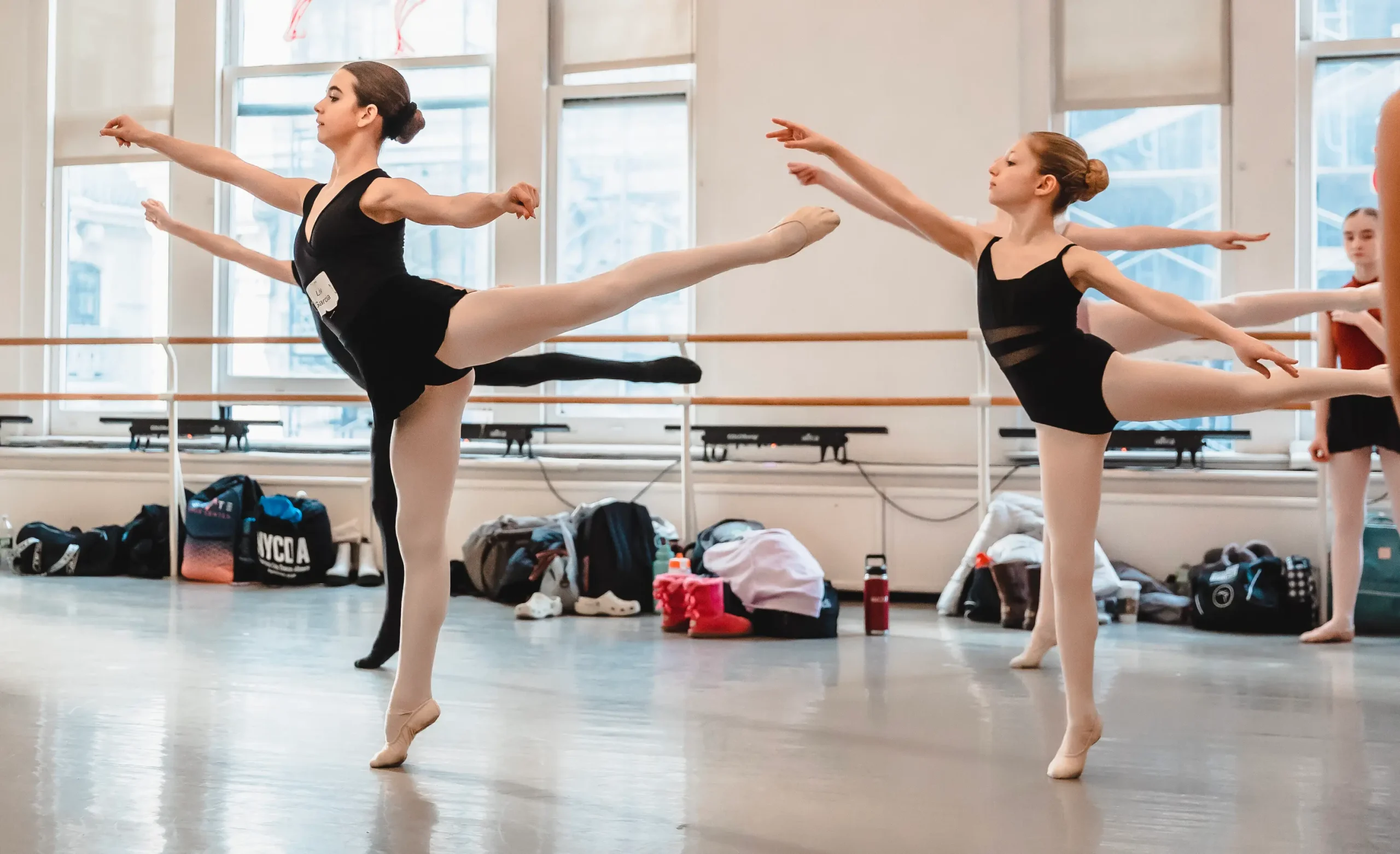
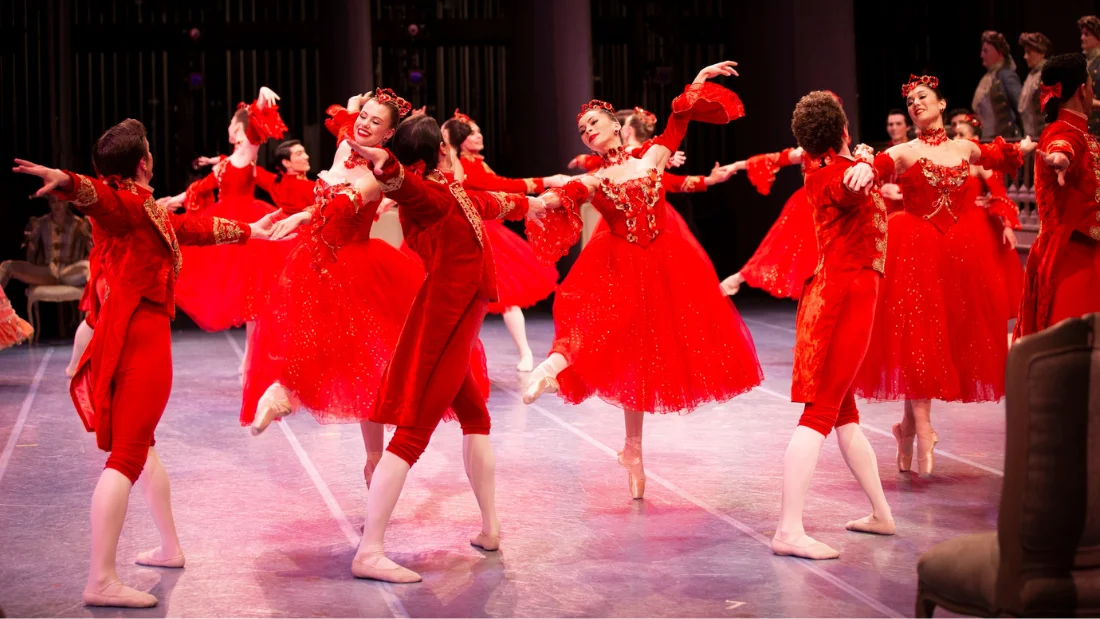
Later, jazz dance moved to the stage. It became part of theater, films, and professional performances. This brought more structure and technique into the style.
Choreographers started adding:
-
Cleaner lines
-
Stronger technique
-
More storytelling
This is when styles like theater jazz became popular.
As time went on, jazz dance kept mixing with other styles. It blended with hip-hop, contemporary, and even fitness programs like jazzercise.
That’s why today we have so many types of “jazz” dance.
So, Is Jazz Dance Definable?
This is the big question.
Some people believe jazz dance should have a clear definition. They feel that calling everything “jazz” takes away from its true meaning.
Others believe jazz dance is meant to evolve. For them, the flexibility of the style is what keeps it alive.
A helpful way to think about it is this:
Jazz is not just one fixed style. It is more like a foundation or a way of moving.
Even when jazz dance changes, certain elements stay the same:
-
Strong rhythm
-
Use of the whole body
-
Personal expression
-
Connection to music
If these elements are present, the dance often still feels like jazz — even if it looks different.
The Difference Between “Jazz” and “Jazz-Inspired”
One reason for the confusion is that many styles are not pure jazz — they are jazz-inspired.
For example:
-
Jazz funk mixes jazz with hip-hop
-
Contemporary jazz blends jazz with modern dance
-
Street jazz often focuses more on commercial styles
These styles borrow from jazz but also include other influences.
So, not everything called “jazz” is traditional jazz dance. Some of it is a mix.
Understanding this difference can make things clearer.
The Importance of History and Tradition
Even though jazz dance has changed, its history still matters.
Some dancers and teachers focus on preserving the original style. They study its roots and make sure the traditions are not lost.
This includes:
-
Learning original movements
-
Understanding the cultural background
-
Respecting where the dance came from
Without this, jazz dance could lose its identity.
At the same time, new styles keep the dance fresh and exciting. So there needs to be a balance between tradition and change.
Why Jazz Dance Continues to Grow
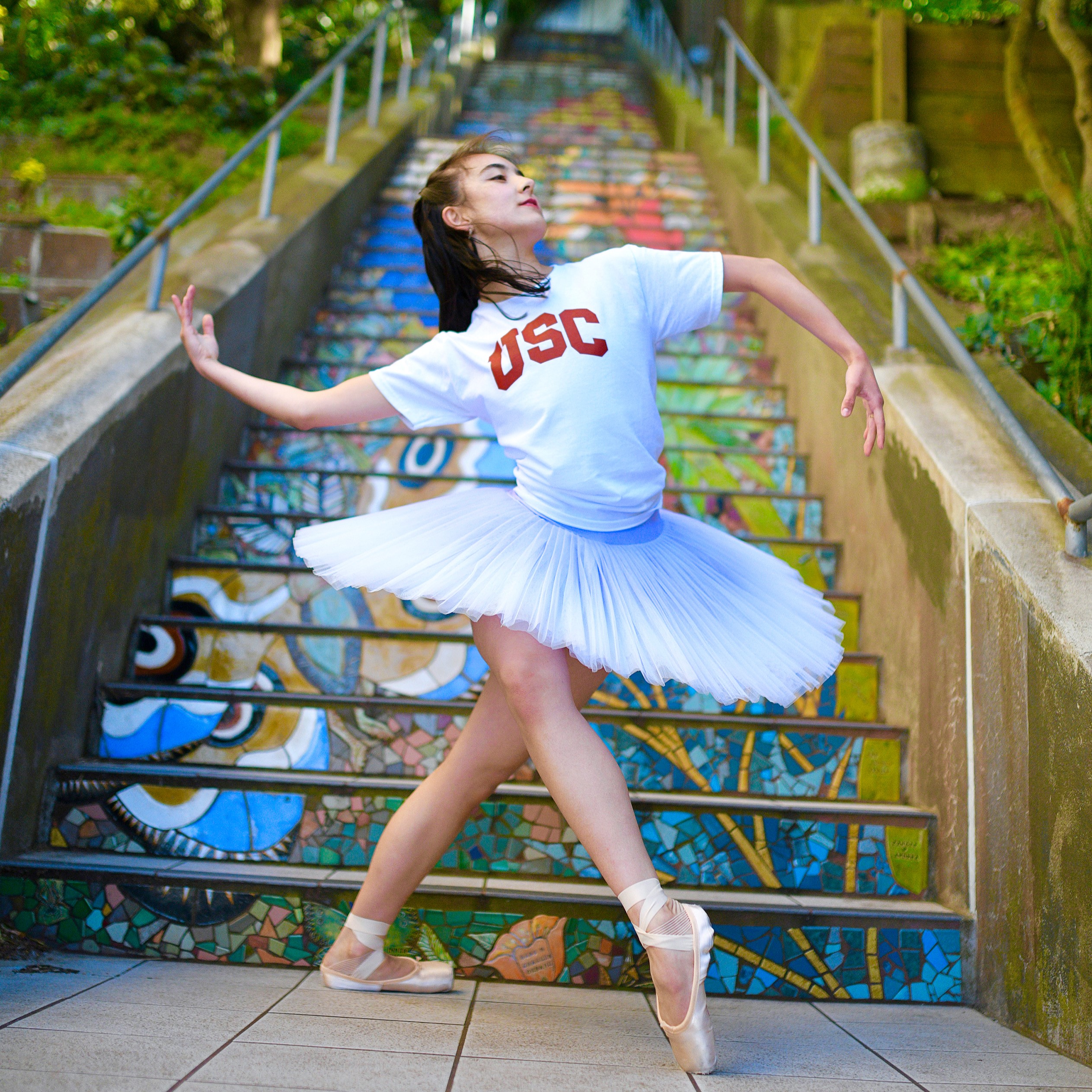
Jazz dance is still popular today because it is flexible and expressive.
It allows dancers to:
-
Show their personality
-
Connect deeply with music
-
Try new ideas and styles
This freedom is one of the biggest reasons jazz dance keeps growing.
It fits into many spaces:
-
Stage performances
-
Music videos
-
Dance competitions
-
Fitness classes
Because of this, jazz dance reaches a wide audience.
The Role of Teachers and Choreographers
Teachers and choreographers play a big role in shaping how jazz dance is understood.
Some focus on traditional jazz techniques. Others create new styles by mixing different influences.
Both approaches are important.
Good teachers help students:
-
Understand the basics
-
Learn proper technique
-
Respect the history
Creative choreographers help:
-
Push the style forward
-
Keep it modern and exciting
-
Connect with new audiences
Together, they keep jazz dance alive.
How Dancers Can Understand Jazz Better
If you are learning jazz dance, it can feel confusing at first. But there are simple ways to understand it better.
1. Learn the basics
Start with traditional jazz techniques. This gives you a strong foundation.
2. Explore different styles
Try different types of jazz. Notice what feels similar and what feels different.
3. Listen to the music
Jazz dance is closely tied to music. Understanding the rhythm helps you move better.
4. Study the history
Knowing where jazz comes from helps you respect and understand the style more deeply.
5. Find your own expression
Jazz is about individuality. Don’t be afraid to bring your own personality into your movement.
Finding Balance Between Old and New
One of the biggest challenges in jazz dance today is balance.
If we focus only on tradition, the dance may feel limited.
If we focus only on new trends, we may lose its identity.
The best approach is to respect both.
-
Keep the roots alive
-
Allow space for creativity
This way, jazz dance can continue to grow without losing what makes it special.
Final Thoughts
So, what do all these styles — commercial jazz, contemporary jazz, street jazz, theater jazz, jazz funk, Afro jazz, and jazzercise — really have in common?
Yes, they all connect to jazz. But it’s more than just a name.
They share a foundation built on rhythm, expression, and connection to music. At the same time, each style adds something new.
Jazz dance is not just one thing. It is a living, changing art form.
Instead of trying to put it into a small box, it’s better to understand it as something that grows and evolves — while still holding onto its roots.
That’s what makes jazz dance so powerful.
It is not just about steps or technique. It is about feeling, history, creativity, and freedom — all moving together.
Read Also: Keep your face towards the sunshine and shadows will fall behind you
Watch Also: https://www.youtube.com/@TravelsofTheWorld24



Leave a Reply