
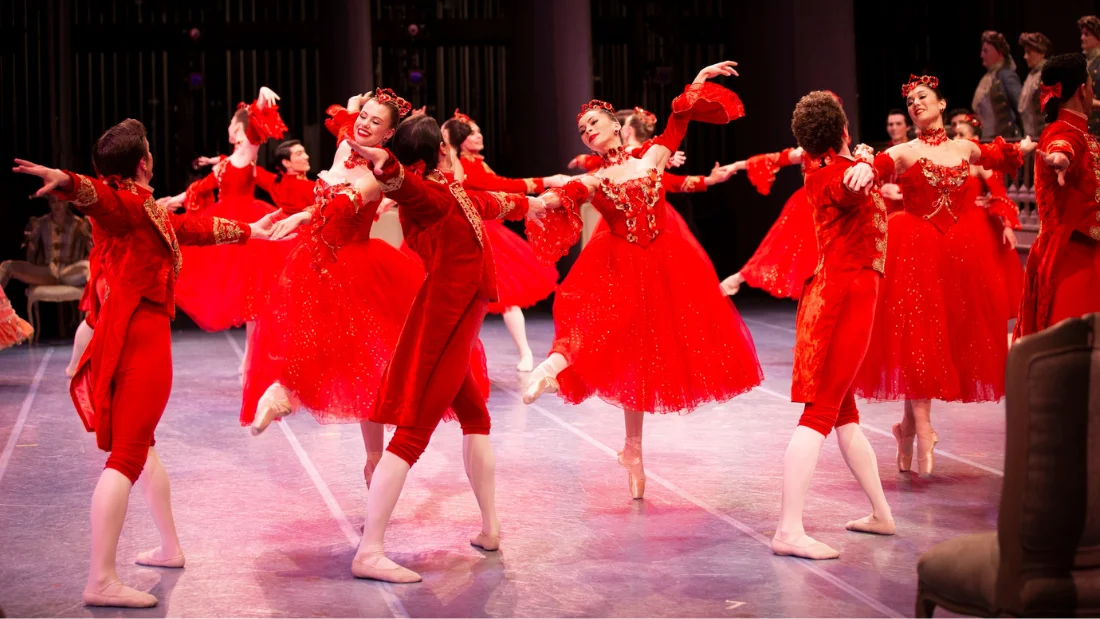
Ballet is often seen as something magical and dreamy. It takes us into fairy tales filled with princes, princesses, and happy endings. One of the most loved story ballets is Cinderella. Many companies around the world have performed it in different ways.
But sometimes, a new version brings something fresh and special. This is exactly what Pacific Northwest Ballet has done with Cinderella. Their version adds a feeling of real life, or “naturalism,” to a classic fairy tale.
This mix of realism and tradition makes the story feel more alive, more emotional, and easier to connect with.
What Makes This “Cinderella” Different?
In most traditional versions of Cinderella, the focus is on fantasy. There are magical transformations, sparkling costumes, and a dream-like atmosphere.
Pacific Northwest Ballet keeps the magic, but adds something deeper. Their version shows more human emotions and real-life behavior.
The characters don’t just act like fairy tale figures. They feel like real people:
-
Cinderella shows real sadness and hope
-
The stepfamily feels more complex, not just “mean”
-
Even small moments feel meaningful
This approach is what we call naturalism — making things feel real and believable.
Understanding Naturalism in Ballet
Naturalism in ballet means showing movement and emotions in a more realistic way.
Instead of exaggerated acting, dancers use:
-
Small gestures
-
Subtle expressions
-
Natural body language
This doesn’t remove the beauty of ballet. Instead, it adds depth.
In this Cinderella, the audience doesn’t just watch a story — they feel it.
For example, when Cinderella is alone, her movements show quiet sadness instead of dramatic gestures. This makes her character more relatable.
The Story Feels More Personal
One of the strongest parts of this production is how personal the story feels.
We all know the basic story of Cinderella:
-
A kind girl treated badly
-
A magical helper
-
A royal ball
-
A lost shoe
-
A happy ending
But in this version, the focus is more on emotions than just events.
You see:
-
Cinderella’s loneliness
-
Her small moments of joy
-
Her quiet strength
Because of this, the audience connects with her more deeply.
The Role of the Stepfamily
In many versions, the stepmother and stepsisters are shown in a very simple way — just cruel and funny.
Here, they feel more real.
They still bring humor, but there are also moments where their behavior feels believable. They are not just “villains.” They feel like flawed people.
This balance makes the story richer.
Choreography That Feels Alive
The choreography in this Cinderella blends classical ballet with natural movement.
You still see:
-
Beautiful turns
-
Elegant lines
-
Strong technique
But at the same time, movements feel softer and more human.
Dancers don’t just perform steps — they express feelings through every movement.
This creates a smooth flow between:
-
Dance
-
Acting
-
Storytelling
Everything feels connected.
The Magic Is Still There
Even with naturalism, the magic of Cinderella is not lost.
There are still magical moments:
-
The transformation scene
-
The arrival at the ball
-
The famous glass slipper
These scenes are still beautiful and exciting.
But because the story feels more real, the magic feels even more special.
It’s like seeing something extraordinary happen in a world that feels familiar.
Music and Atmosphere
Music plays a big role in bringing this story to life.
The score supports both:
-
The emotional moments
-
The magical scenes
Soft music highlights quiet feelings, while grand music lifts the big scenes.
The atmosphere changes smoothly from one moment to another, helping the audience stay connected.
Costumes and Set Design
The costumes and sets are also important in creating this balance between fantasy and reality.
They are:
-
Elegant but not overly dramatic
-
Beautiful but still believable
Cinderella’s look reflects her journey. At first, she appears simple and humble. Later, she shines at the ball, but still feels like the same person.
The set design creates a world that feels magical, yet grounded.
Why This Version Stands Out
There are many versions of Cinderella, but this one stands out because of its emotional depth.
It shows that ballet is not just about:
-
Technique
-
Beauty
-
Tradition
It is also about:
-
Human feelings
-
Real connections
-
Honest storytelling
By adding naturalism, Pacific Northwest Ballet gives new life to a classic story.
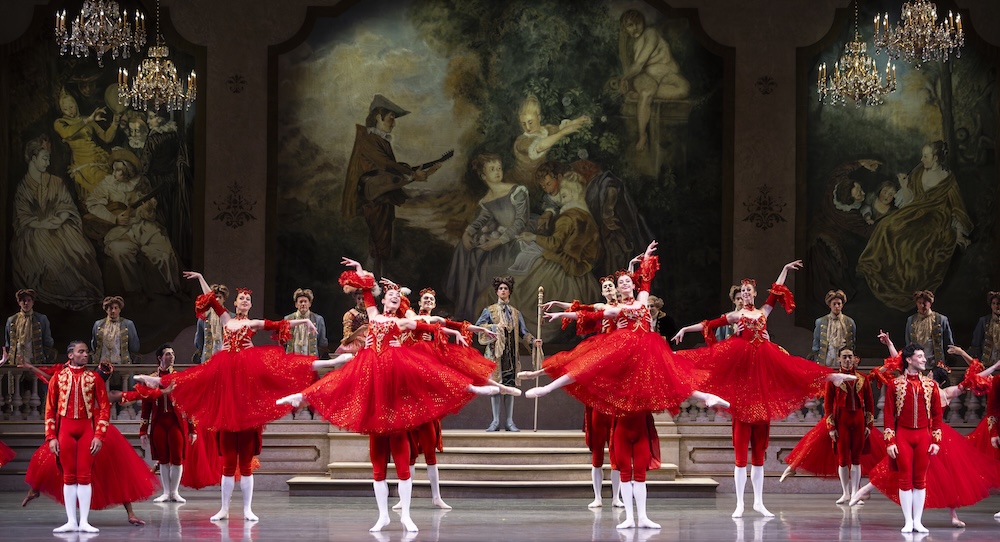
Pacific Northwest Ballet’s Cinderella: A More Real and Emotional Story
A Fresh Way to Experience Ballet
For people who are new to ballet, this version is very welcoming.
Sometimes, traditional ballet can feel distant or hard to understand. But when emotions feel real, it becomes easier to connect.
You don’t need to know every step or technique. You just follow the story and feel the emotions.
This makes ballet more open and enjoyable for everyone.
Respecting Tradition While Moving Forward
One of the best things about this production is how it respects the past while bringing something new.
It keeps the beauty of classical ballet, but adds a modern touch through naturalism.
This shows that ballet can grow and change without losing its roots.
Final Thoughts
Pacific Northwest Ballet’s Cinderella is a beautiful example of how a classic story can feel fresh again.
By adding natural, real emotions to a traditional ballet, the production becomes more powerful and meaningful.
It reminds us that even in fairy tales, the most important thing is human feeling.
This version of Cinderella is not just about magic and fantasy. It is about hope, kindness, and the quiet strength of a person who never gives up.
Read Also: Keep your face towards the sunshine and shadows will fall behind you
Watch Also: https://www.youtube.com/@TravelsofTheWorld24




Leave a Reply