
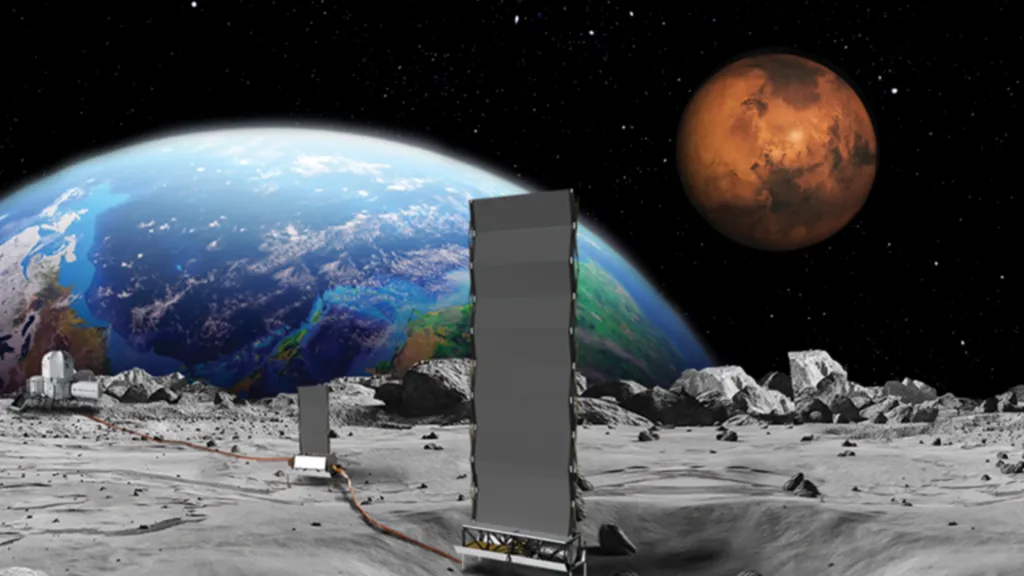
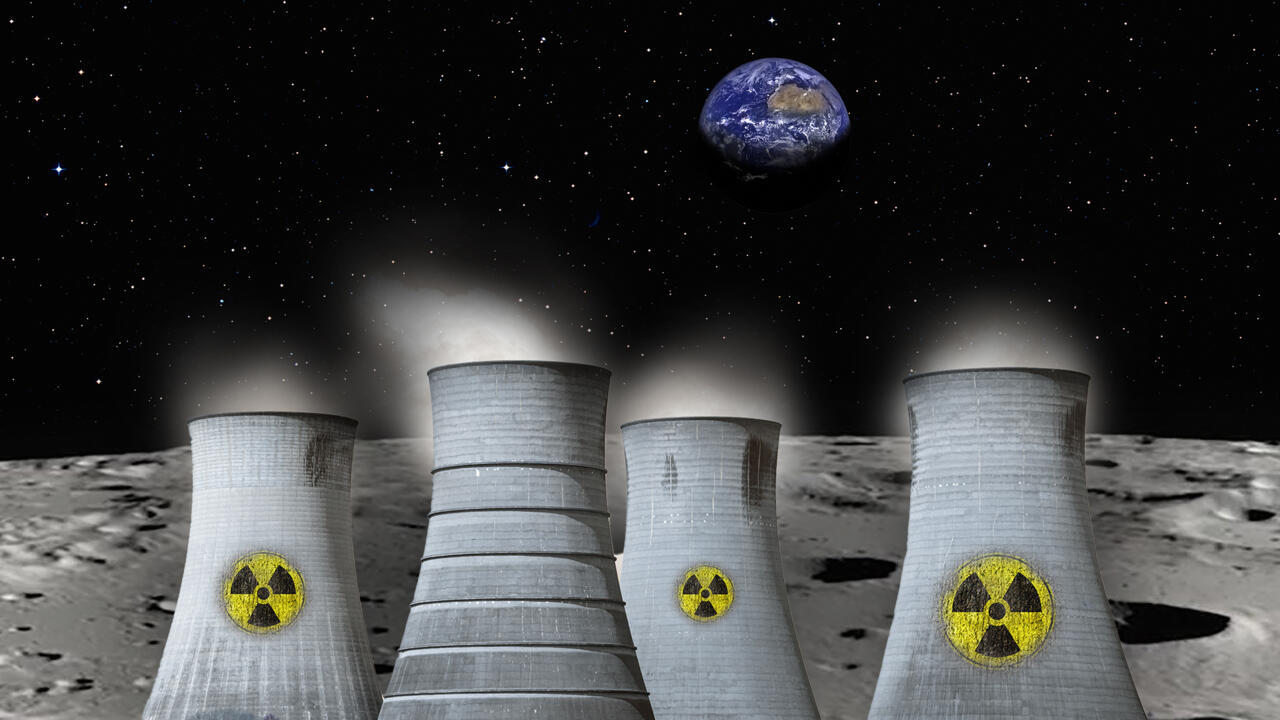
NASA is planning a big and exciting step for the future: putting a nuclear reactor on the Moon by 2030. This plan was reported by several U.S. media outlets and shows how space exploration is moving into a new phase. The idea of having a nuclear reactor on the Moon might sound like science fiction, but NASA and its partners are working to make it real. This reactor will help astronauts have a reliable and constant source of power while they live and work on the Moon.
Right now, astronauts on the Moon or in space rely mostly on solar panels to get electricity. Solar panels use sunlight to create power, which works well when the Sun is shining. But the Moon has long nights that last about 14 Earth days, and during this time, solar panels cannot produce energy. This creates a big problem because astronauts need power all the time, not just when the Sun is out. A nuclear reactor can solve this problem because it can provide constant energy, day and night, for months or even years.
NASA is not new to using nuclear energy in space. In the past, some spacecraft used small nuclear systems called radioisotope thermoelectric generators, or RTGs. These were used to power robots and probes, like the famous Voyager and Curiosity rover missions. But what NASA is planning for the Moon is much bigger. They want to build a full nuclear reactor that can produce enough electricity for a Moon base or for large equipment that astronauts might use. This would allow humans to do more work, explore farther, and live longer on the Moon.
The nuclear reactor will be small and designed to be safe. Safety is a top priority because nuclear energy can be dangerous if not handled correctly. Engineers are designing the reactor to withstand the Moon’s harsh environment, including extreme temperatures, solar radiation, and possible dust storms. The reactor will be built with multiple layers of protection to prevent accidents. NASA has been studying how to make it safe for astronauts and how to ensure it will continue working without any problems.
One of the main uses of the reactor will be to power a Moon base. NASA’s Artemis program aims to eventually build a permanent human presence on the Moon. Astronauts will need electricity to run their habitats, water systems, communications, lights, scientific instruments, and experiments. A nuclear reactor could provide hundreds of kilowatts of power, which is much more than solar panels can produce during lunar nights. This will make living on the Moon safer and more comfortable.
The reactor could also power machines that explore the Moon. Future Moon missions may include rovers, drills, and other equipment to study the lunar surface. Some of these machines will need a lot of energy to dig into the Moon’s soil, analyze rocks, or build structures. A nuclear reactor could provide this power continuously, allowing scientists to gather more information about the Moon and prepare for future missions to Mars and beyond.
NASA is working with partners in the U.S. and around the world to develop this technology. Building a nuclear reactor for the Moon is very complicated, and it requires expertise in many fields, including nuclear physics, engineering, robotics, and space travel. Scientists and engineers are designing systems that can be launched from Earth, land safely on the Moon, and start producing power automatically. They are also thinking about how to transport fuel and how to maintain the reactor over time.
Another challenge is that launching a nuclear reactor into space is tricky. Rockets vibrate a lot during launch, and the Moon landing involves a hard touchdown on the surface. Engineers must make sure that the reactor will survive these forces without leaking or breaking. This is why NASA is spending years testing prototypes on Earth and running simulations to make sure everything will work as planned.
The Moon has a lot of potential for human exploration, but it also has challenges. The lunar environment is harsh, with temperatures ranging from extremely hot in the sunlight to extremely cold in the shade. The Moon has no atmosphere to protect against radiation or meteorites. Dust on the Moon is fine and sharp, and it can get into machines and make them fail. Having a nuclear reactor will help provide reliable energy to overcome these challenges and make human life on the Moon possible.
The nuclear reactor could also be a stepping stone for future missions to Mars. Living on the Moon is an important step because it is close to Earth, so astronauts can return quickly if there is a problem. By testing reactors on the Moon, NASA can learn how to use nuclear energy on Mars, where solar panels may not always be enough. A nuclear reactor could power habitats, rovers, and scientific equipment on Mars as well.
Public reaction to the idea of a nuclear reactor on the Moon has been mixed. Some people are excited about the possibilities and see it as a big step for human exploration. Others are concerned about safety and the potential risks of sending nuclear material into space. NASA has said that safety is their top priority and that they are following strict rules to make sure the reactor is safe for astronauts and the environment.
Experts say that nuclear power is the best choice for long-term space missions. It can produce much more energy than solar panels or batteries, and it is reliable even in areas where sunlight is not available. This will allow astronauts to explore more of the Moon, do more experiments, and prepare for long-term living in space. It also opens the door to building bigger and more advanced bases in the future.
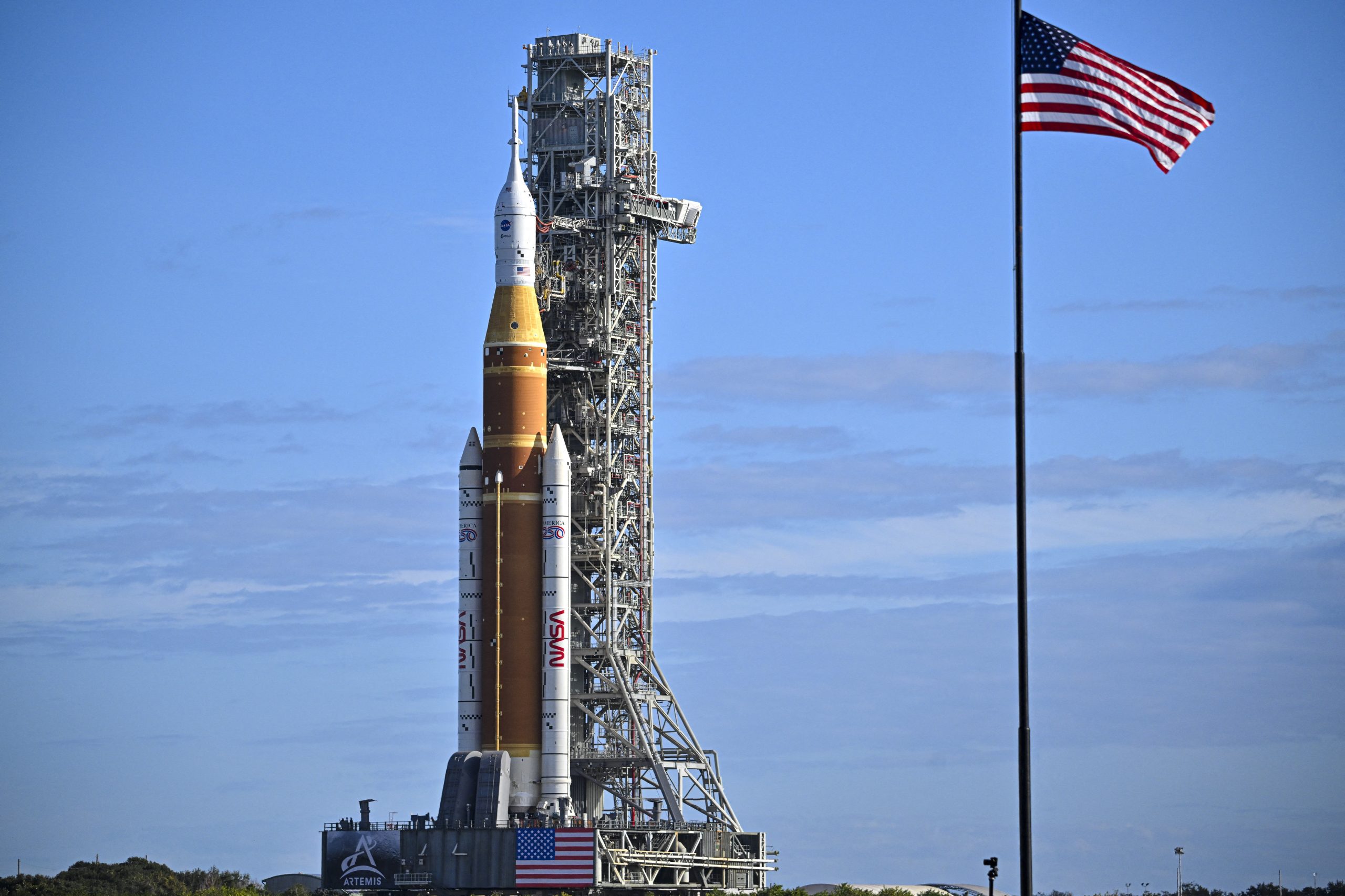
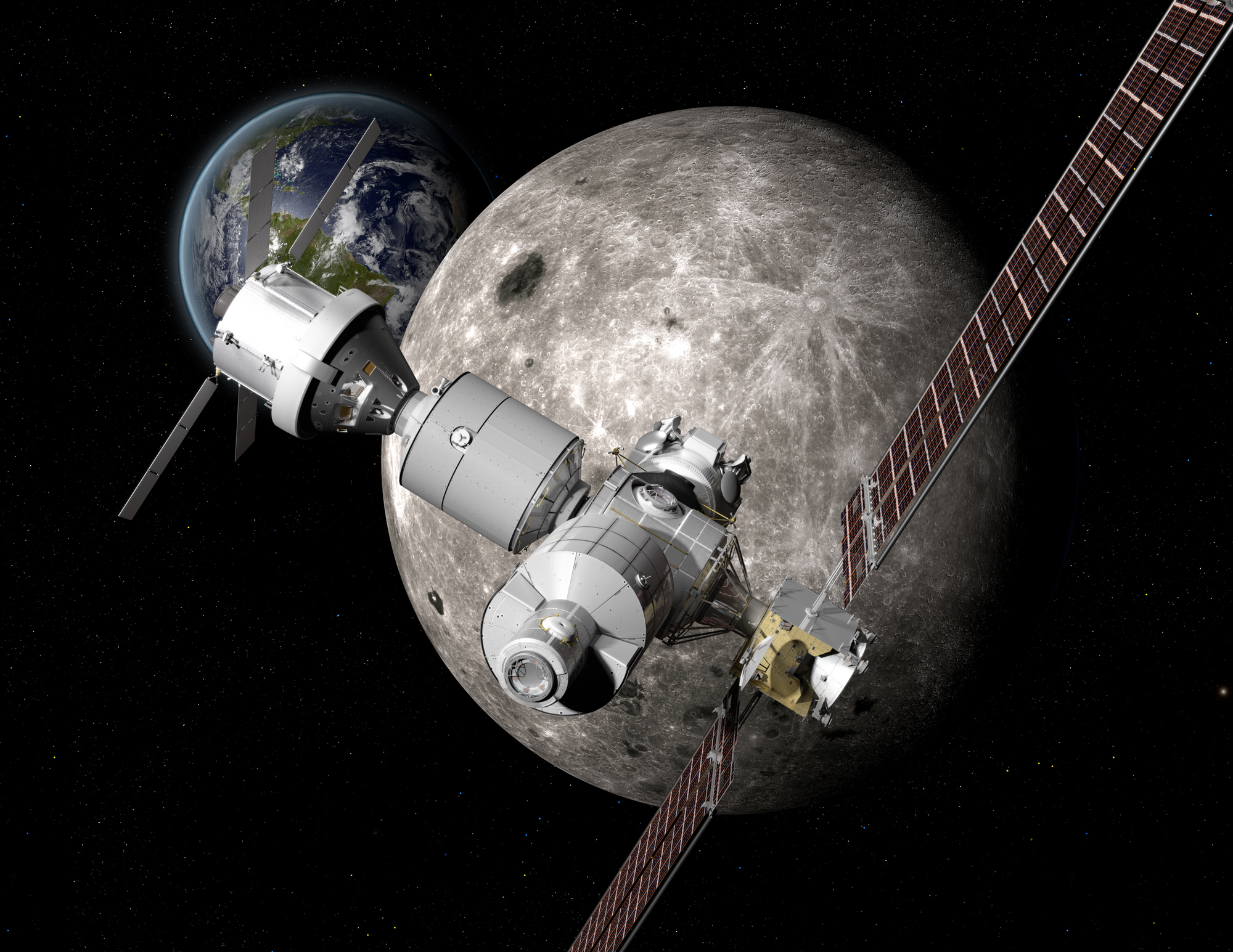
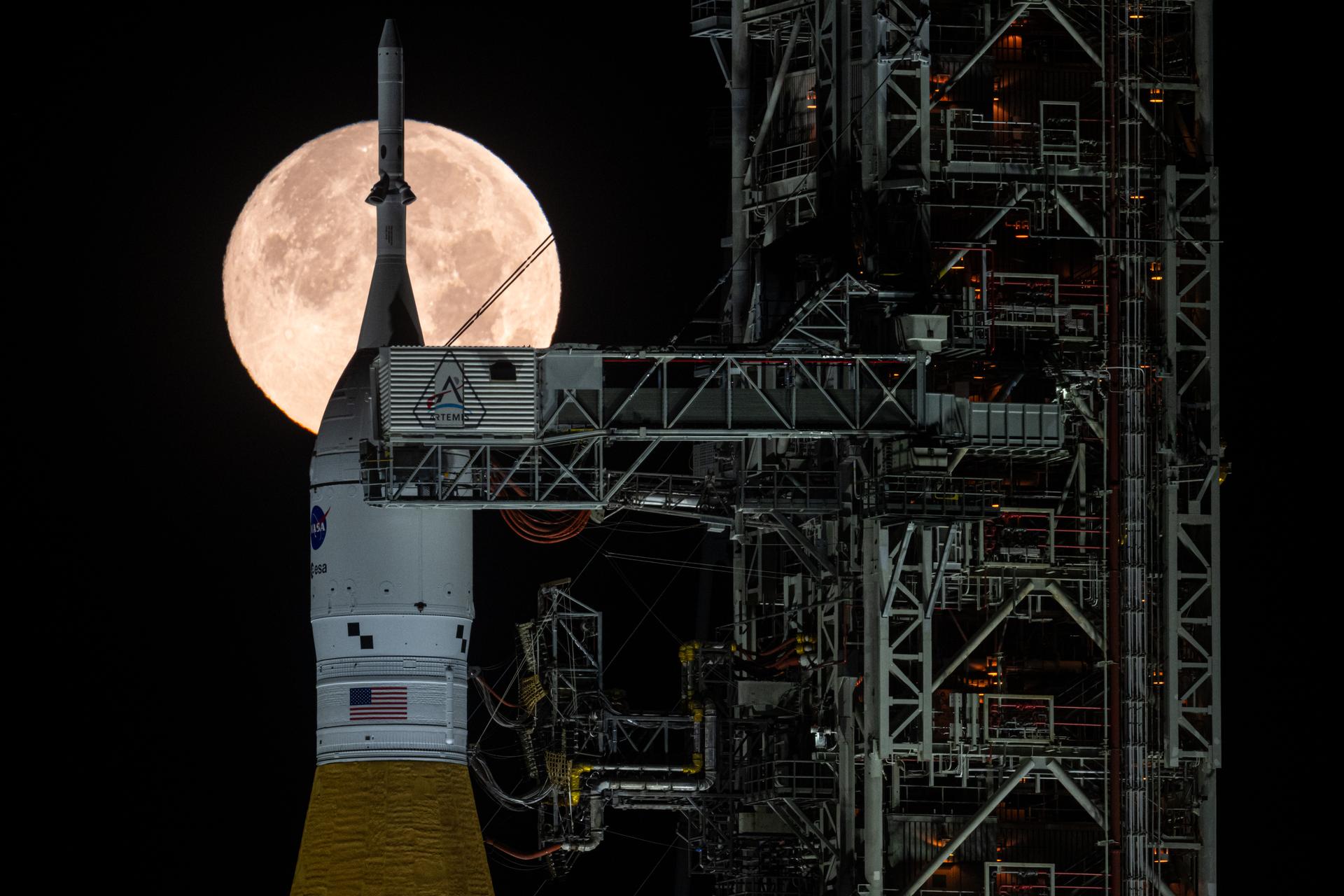
The plan to put a nuclear reactor on the Moon by 2030 is part of NASA’s Artemis program. The Artemis program aims to return humans to the Moon, land the first woman and the next man on its surface, and establish sustainable exploration. NASA sees the Moon as a stepping stone for learning how to live and work on other planets. The nuclear reactor will make these plans more realistic and achievable.
NASA is also thinking about how to use the reactor to help with science experiments. For example, powerful energy can be used to study the Moon’s surface, search for water, and analyze minerals. Scientists could also use the energy to create oxygen and fuel for rockets, which could make future Moon missions more self-sufficient. This would reduce the need to bring supplies from Earth, which is expensive and time-consuming.
In addition to power, the nuclear reactor could support communication and navigation systems. Astronauts will need constant contact with Earth, and robots exploring the Moon will need guidance. A strong and stable energy source will make sure that communication is uninterrupted, even during long lunar nights or during storms of dust.
NASA is planning to work closely with private companies to build this reactor. Several companies have expertise in nuclear power and robotics, which will help make the project a success. By combining NASA’s experience in space missions with private industry technology, the project is expected to be more efficient, innovative, and safe.
The reactor is expected to be small and lightweight so that it can be launched on a rocket easily. It will start producing power shortly after landing on the Moon. Astronauts may even be able to monitor and control it remotely from Earth or from a lunar base. This will make the system easier to manage and ensure it keeps running for years.
Looking forward, the Moon could become a hub for human space activity. With a reliable nuclear reactor, astronauts could live there for longer periods, conduct more research, and test technologies for Mars missions. The Moon could also be used to produce fuel, mine minerals, and even prepare materials for building structures in space. Having energy all the time is essential for these projects, and the nuclear reactor will make it possible.
In conclusion, NASA’s plan to put a nuclear reactor on the Moon by 2030 is a bold and exciting step for human space exploration. It will provide constant, reliable energy for astronauts, machines, and science experiments. This reactor will make living on the Moon safer and more productive, prepare humans for long-term stays in space, and help us learn how to explore Mars in the future. With careful planning, advanced technology, and safety as the top priority, NASA is working to make this vision a reality. The nuclear reactor on the Moon will mark a new era of space exploration, showing that humans are ready to live, work, and thrive on another world.
Read Also: Keep your face towards the sunshine and shadows will fall behind you
Watch Also: https://www.youtube.com/@TravelsofTheWorld24





Leave a Reply