

When it comes to fitness, many people spend hours in the gym but still don’t see the results they want. The problem is not always effort—it’s usually the plan. A smart workout is not just about doing more exercises or lifting heavier weights. It’s about doing the right things in the right way.
Judd Lienhard, a well-known strength and conditioning coach, focuses on building workouts that are simple, effective, and based on real results. His 5-step system helps people train smarter, not just harder. This system can work for beginners and advanced athletes alike.
Let’s break down each step in a simple and practical way so you can start improving your workouts today.
Step 1: Start With a Clear Goal
The first and most important step is knowing exactly what you want. Without a clear goal, your workouts will feel random and unfocused.
Ask yourself:
-
Do I want to build muscle?
-
Do I want to lose fat?
-
Do I want to get stronger?
-
Do I want better endurance or athletic performance?
Each goal needs a different training style. For example, if your goal is muscle growth, you will focus more on moderate weights and higher volume. If your goal is strength, you will lift heavier weights with fewer reps.
A lot of people make the mistake of trying to do everything at once. This leads to slow progress. Instead, pick one main goal and build your workouts around it.
Simple tip: Write your goal down and keep it in mind every time you train.
Step 2: Focus on Big, Compound Movements
Once your goal is clear, the next step is choosing the right exercises. Judd Lienhard strongly recommends focusing on compound movements.
Compound exercises are movements that work multiple muscles at the same time. These include:
-
Squats
-
Deadlifts
-
Bench press
-
Pull-ups
-
Rows
-
Overhead press
These exercises give you the most benefit in less time. They help you build strength, muscle, and coordination all at once.
For example, a squat doesn’t just train your legs. It also works your core, glutes, and even your balance. That’s why it’s much more effective than doing only leg extensions.
Isolation exercises (like bicep curls or tricep pushdowns) are still useful, but they should come after the main compound lifts.
Simple tip: Start your workout with 2–4 big compound exercises before moving to smaller ones.
Step 3: Use Progressive Overload
This step is where real progress happens. Progressive overload means slowly increasing the challenge over time so your body keeps improving.
If you keep doing the same weight and same reps every week, your body will stop adapting. You need to give it a reason to grow stronger.
There are many ways to apply progressive overload:
-
Increase the weight
-
Increase the number of reps
-
Add more sets
-
Improve your form
-
Reduce rest time
For example, if you lifted 10 kg for 10 reps last week, try 12 reps this week. Or move up to 12 kg.
The key is small, steady progress. You don’t need big jumps. Even small improvements add up over time.
Simple tip: Track your workouts in a notebook or app so you know when to increase the challenge.
Step 4: Balance Volume and Recovery
Many people think more training equals better results. But this is not true. If you train too much without proper recovery, your body will get tired instead of stronger.
Volume means how much total work you do. This includes sets, reps, and exercises. Recovery means giving your body enough time to rest and rebuild.
If your volume is too high and recovery is too low, you may face:
-
Fatigue
-
Poor performance
-
Injuries
-
Lack of progress
Judd Lienhard’s system focuses on finding the right balance. You should train hard, but also smart.
Here’s how you can manage this:
-
Train 3–5 times per week
-
Get enough sleep (7–9 hours)
-
Eat proper food with enough protein
-
Take rest days seriously
Remember, muscles don’t grow during workouts. They grow during recovery.
Simple tip: If you feel tired all the time or your strength is going down, reduce your workload and rest more.
Step 5: Stay Consistent and Adjust When Needed
The final step is consistency. The best workout plan in the world won’t work if you don’t follow it regularly.
You don’t need a perfect plan. You need a plan you can stick to.
At the same time, you should be ready to adjust when needed. If something is not working, change it. Your body is always changing, so your training should adapt too.
Here are some signs you may need to adjust:
-
No progress for several weeks
-
Constant fatigue
-
Boredom with your routine
-
Pain or discomfort
You can adjust by:
-
Changing exercises
-
Changing reps or sets
-
Taking a short break (deload week)
-
Trying a new training style
Consistency does not mean doing the same thing forever. It means showing up regularly and improving over time.
Simple tip: Focus on long-term progress, not quick results.
Putting It All Together
Let’s see how these 5 steps work in a real workout example.
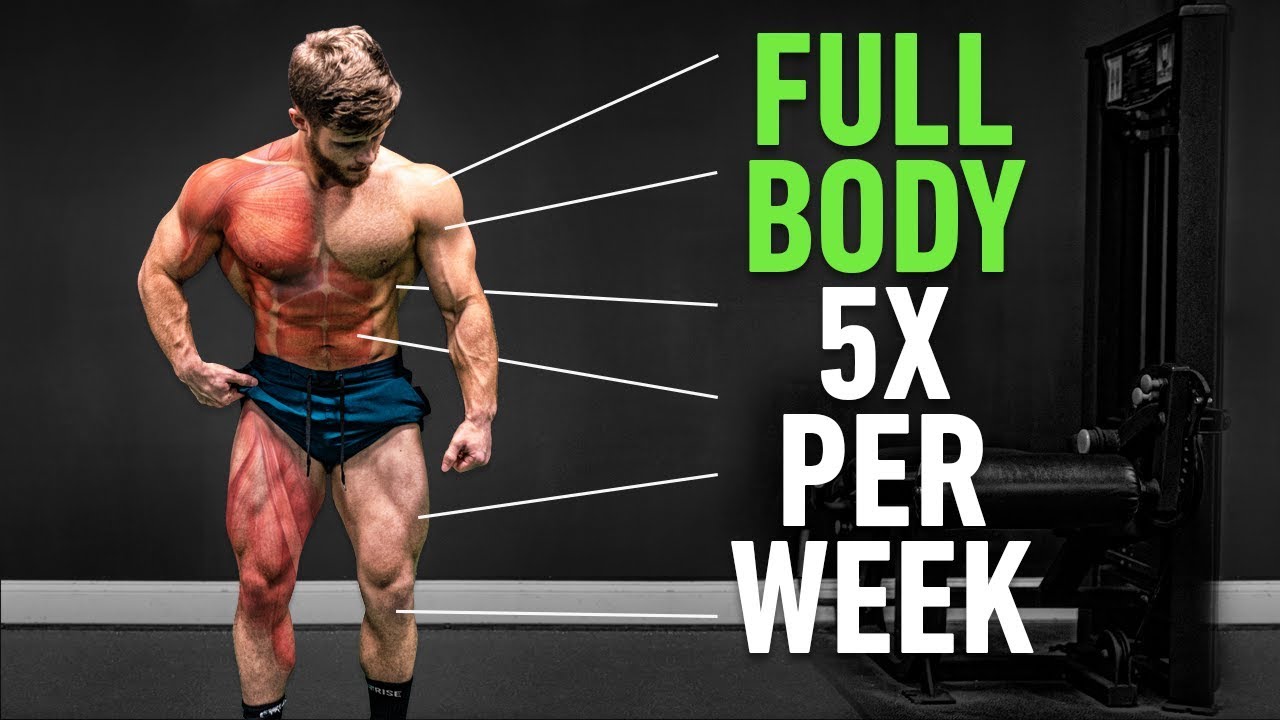
Sample Full-Body Workout
Goal: Build strength and muscle
Workout Plan:
-
Squats – 3 sets of 8 reps
-
Bench Press – 3 sets of 8 reps
-
Pull-Ups – 3 sets of 6–10 reps
-
Deadlifts – 3 sets of 5 reps
-
Shoulder Press – 3 sets of 8 reps
-
Bicep Curls – 2 sets of 12 reps
-
Tricep Dips – 2 sets of 12 reps
How it follows the system:
-
Clear goal (strength + muscle)
-
Focus on compound movements
-
Progressive overload (increase reps/weight weekly)
-
Balanced volume (not too much)
-
Can be repeated consistently
Common Mistakes to Avoid
Even with a good system, people often make simple mistakes. Avoid these to get better results:
1. Changing workouts too often
Stick to a plan for at least 4–6 weeks before changing.
2. Ignoring form
Good technique is more important than heavy weight.
3. Skipping warm-ups
Always prepare your body before lifting.
4. Not eating properly
Food is fuel. Without it, your progress will slow down.
5. Comparing yourself to others
Focus on your own journey.
Why This System Works
Judd Lienhard’s 5-step system works because it is simple and practical. It removes confusion and focuses on what really matters.
-
It gives you direction (clear goal)
-
It saves time (compound exercises)
-
It ensures progress (progressive overload)
-
It protects your body (recovery balance)
-
It builds discipline (consistency)
Many workout plans fail because they are too complicated. This system keeps things easy to follow while still being very effective.
Final Thoughts
Building a smarter workout is not about doing more—it’s about doing better. Judd Lienhard’s 5-step system is a great way to train with purpose and get real results.
Start by setting a clear goal. Focus on big movements. Keep improving slowly. Take care of your recovery. And most importantly, stay consistent.
If you follow these steps, you will not only see physical changes but also feel stronger, more confident, and more in control of your fitness journey.
Read Also: Keep your face towards the sunshine and shadows will fall behind you
Watch Also: https://www.youtube.com/@TravelsofTheWorld24








Leave a Reply