
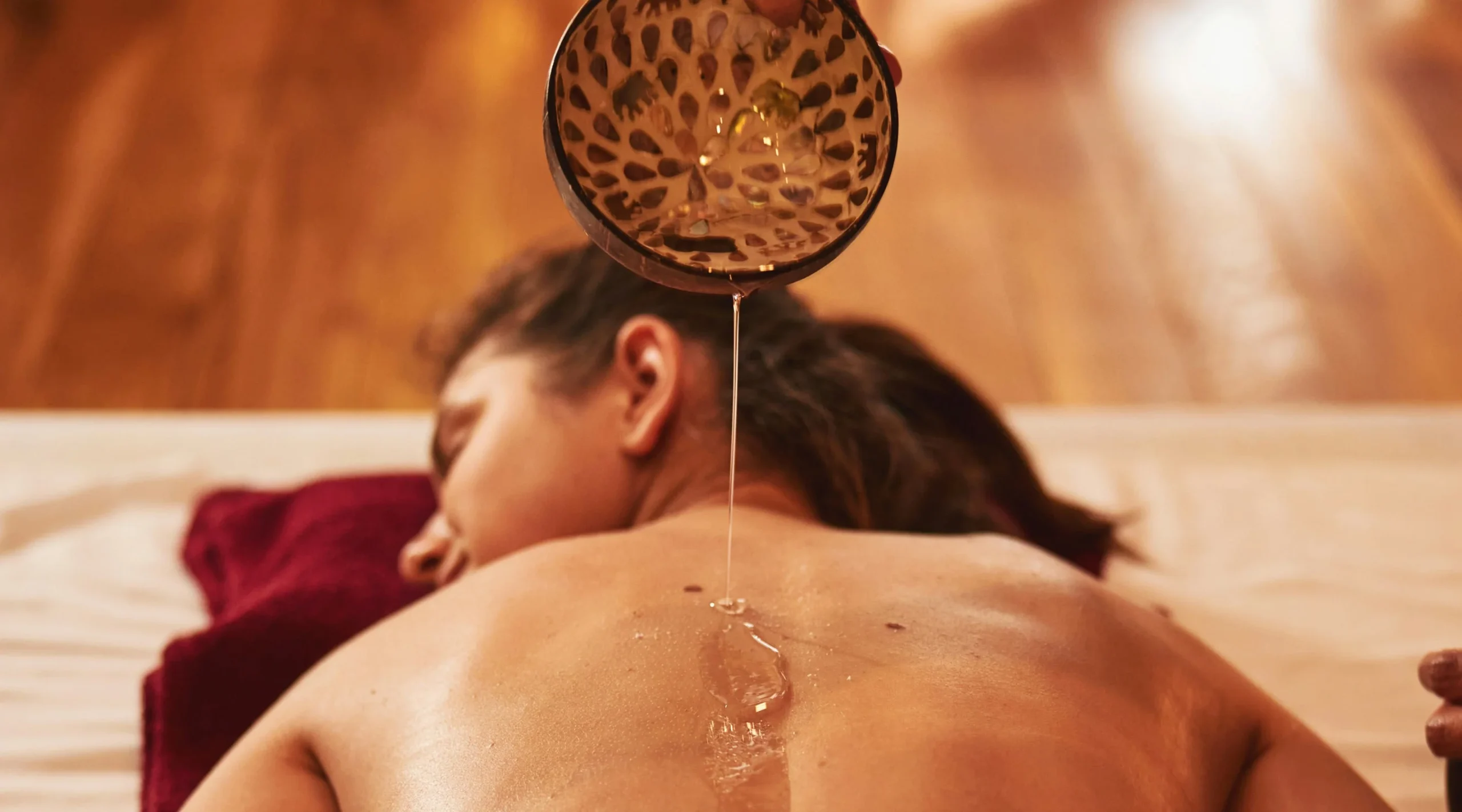
Massage is one of the best ways to relax, ease muscle tension, and feel good in your body. Using massage oil makes the experience smoother, more comfortable, and even more enjoyable. You don’t need to go to a spa — with a few tips, you can give yourself or someone else a soothing massage right at home.
Why Use Massage Oil
Massage oil isn’t just for luxury; it actually makes a big difference:
-
Reduces Friction – Your hands glide over the skin easily, so you don’t pull or irritate it.
-
Moisturizes Skin – Oils like coconut, almond, or jojoba help soften and hydrate skin.
-
Adds Aroma – Many massage oils have relaxing scents, like lavender or eucalyptus, which calm the mind.
-
Enhances Relaxation – Warm oil helps muscles loosen up faster and gives a spa-like feeling.
Choosing the Right Massage Oil
Not all oils are the same. Here are some common options:
-
Almond Oil – Light, smooth, and good for most skin types.
-
Coconut Oil – Softens skin and smells nice. It’s solid at room temperature, so warm it first.
-
Jojoba Oil – Close to your skin’s natural oils; absorbs well.
-
Grapeseed Oil – Light and non-greasy, ideal for long massages.
-
Essential Oils – Added in tiny drops to base oils for fragrance and extra benefits (like lavender for relaxation or peppermint for energy).
Tip: Always test a small amount on your skin first to avoid allergic reactions.
Preparing Your Space
A calm environment helps a lot. You don’t need anything fancy — just a few simple steps:
-
Clean Area – Make sure the room and surface (bed or massage table) are clean.
-
Soft Surface – Use a towel, sheet, or blanket.
-
Warm Room – Your body feels better when it’s warm.
-
Soft Music & Lighting – Dim lights and gentle music create a relaxing mood.
-
Keep Towels Nearby – For wiping excess oil or covering parts of the body.
Warming the Oil
Warm oil feels nicer on the skin than cold oil:
-
Pour a small amount (1–2 tablespoons) into your hands.
-
Rub your hands together to warm it up.
-
Or, put the bottle in a cup of hot water for a minute.
Don’t overheat — oil should feel pleasantly warm, not hot.
Techniques for Using Massage Oil
Here are simple techniques anyone can use at home. You don’t need to be a professional:
1. Effleurage (Long, Smooth Strokes)
-
Apply oil to the area you want to massage.
-
Use your palms or fingertips to make long, gentle strokes along muscles.
-
Moves blood and relaxes muscles.
2. Kneading (Press & Lift Muscles)
-
Gently squeeze and lift the muscle with your fingers or thumbs.
-
Good for shoulders, neck, arms, and calves.
3. Circular Motions
-
Move your fingers in small circles over tense spots.
-
Helps loosen knots and relieve tight areas.
4. Tapping (Light Percussion)
-
Tap lightly with fingertips or the edge of your hand.
-
Stimulates blood flow and wakes up tired muscles.
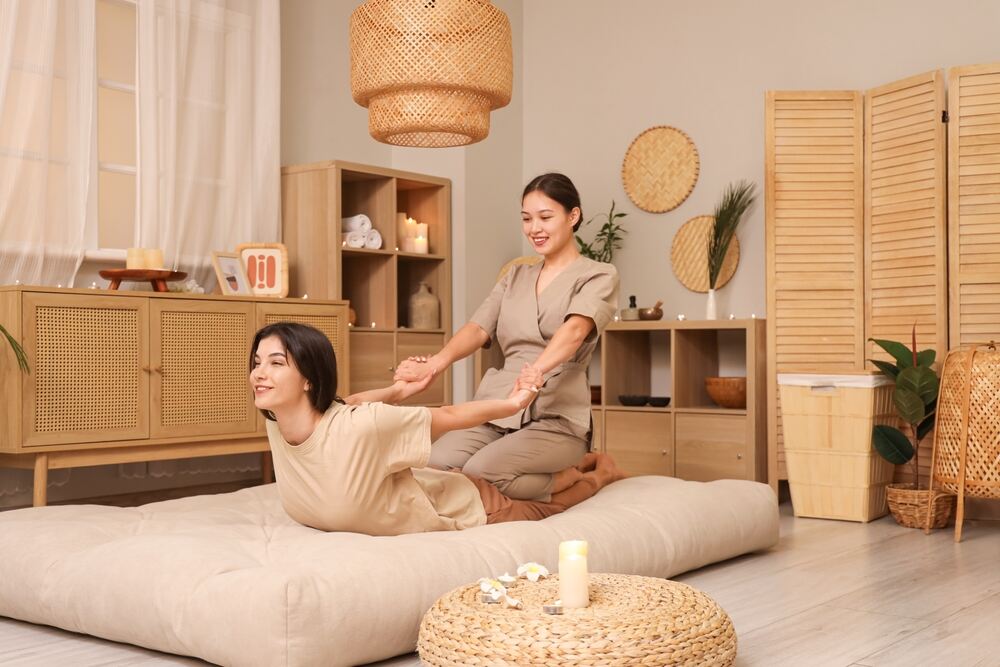
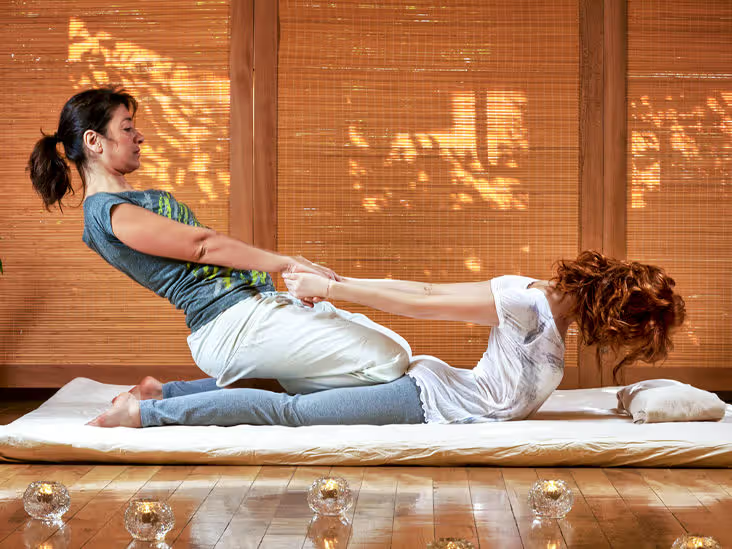
5. Stretching While Massaging
-
Combine gentle stretches with massage for back, arms, and legs.
-
Improves flexibility and reduces stiffness.
How to Massage Different Parts of the Body
Here’s a simple guide:
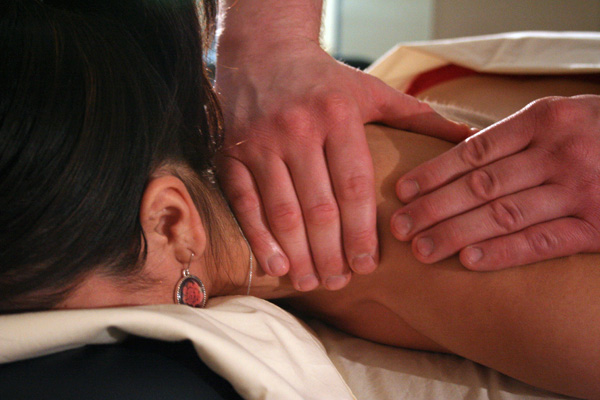
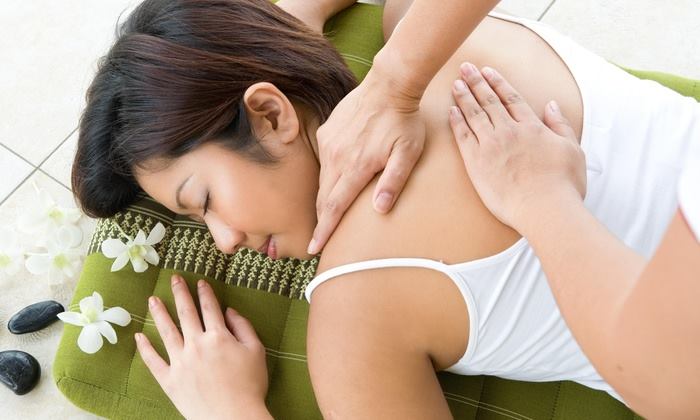
Neck & Shoulders
-
Warm oil in your hands.
-
Use thumbs to make small circles along the neck and shoulder muscles.
-
Apply gentle pressure — don’t press on the spine or neck bones.
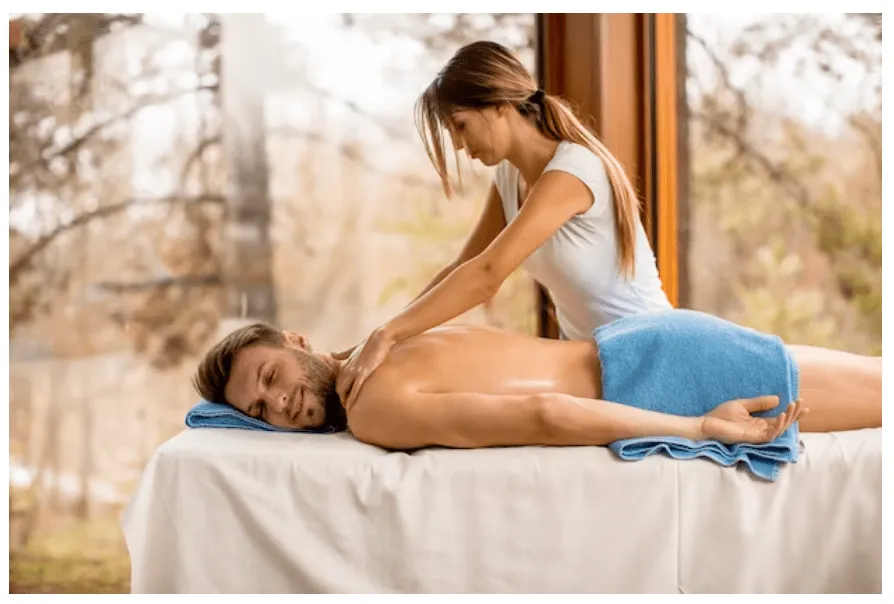
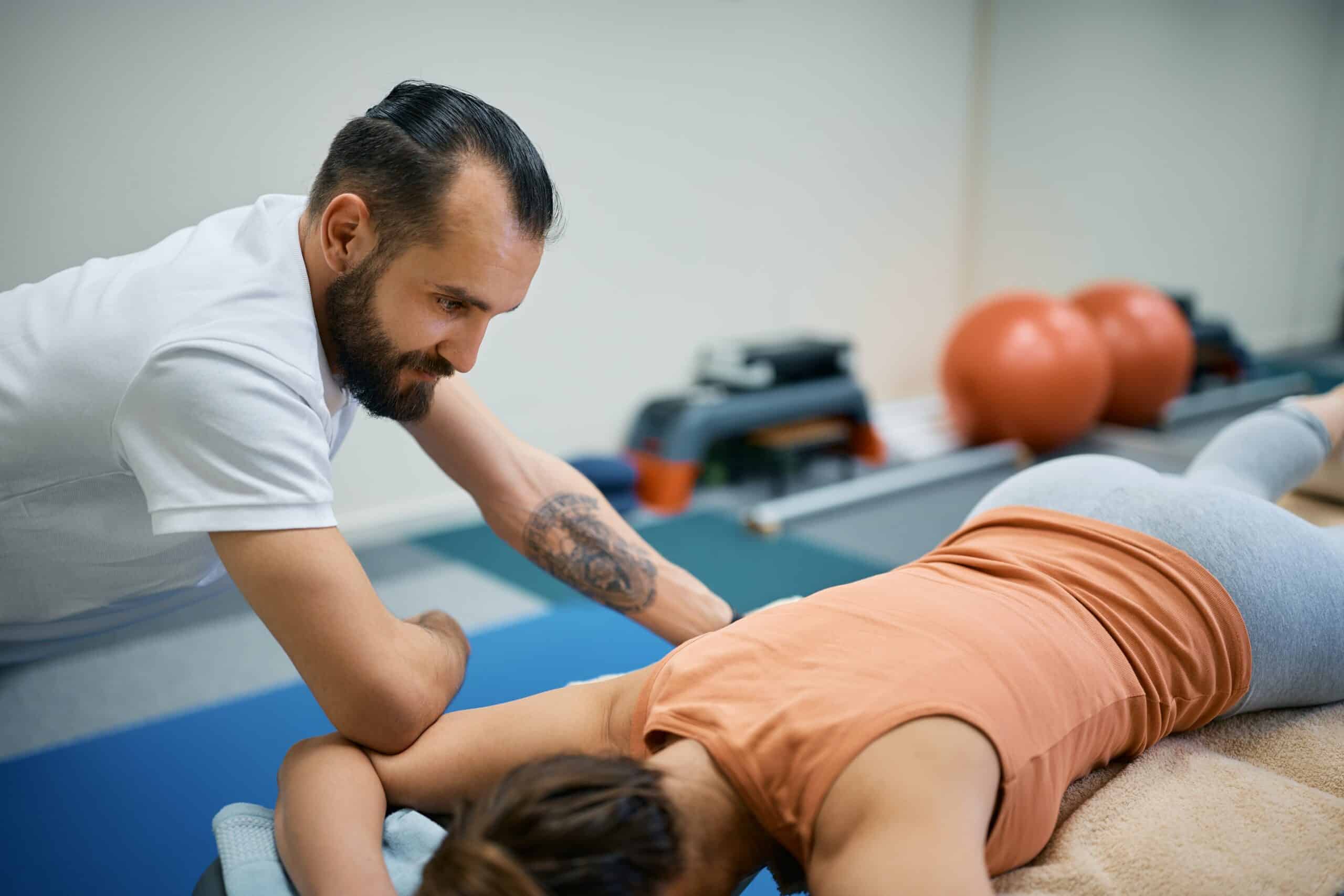
Back
-
Long strokes from the lower back up to the shoulders.
-
Knead along the muscles next to the spine, not directly on it.
-
For self-massage, use a massage roller or ask someone to help.
Arms & Hands
-
Massage from shoulders down to wrists.
-
Use circular motions on palms and thumbs.
-
Helps relieve tension from typing or holding devices.
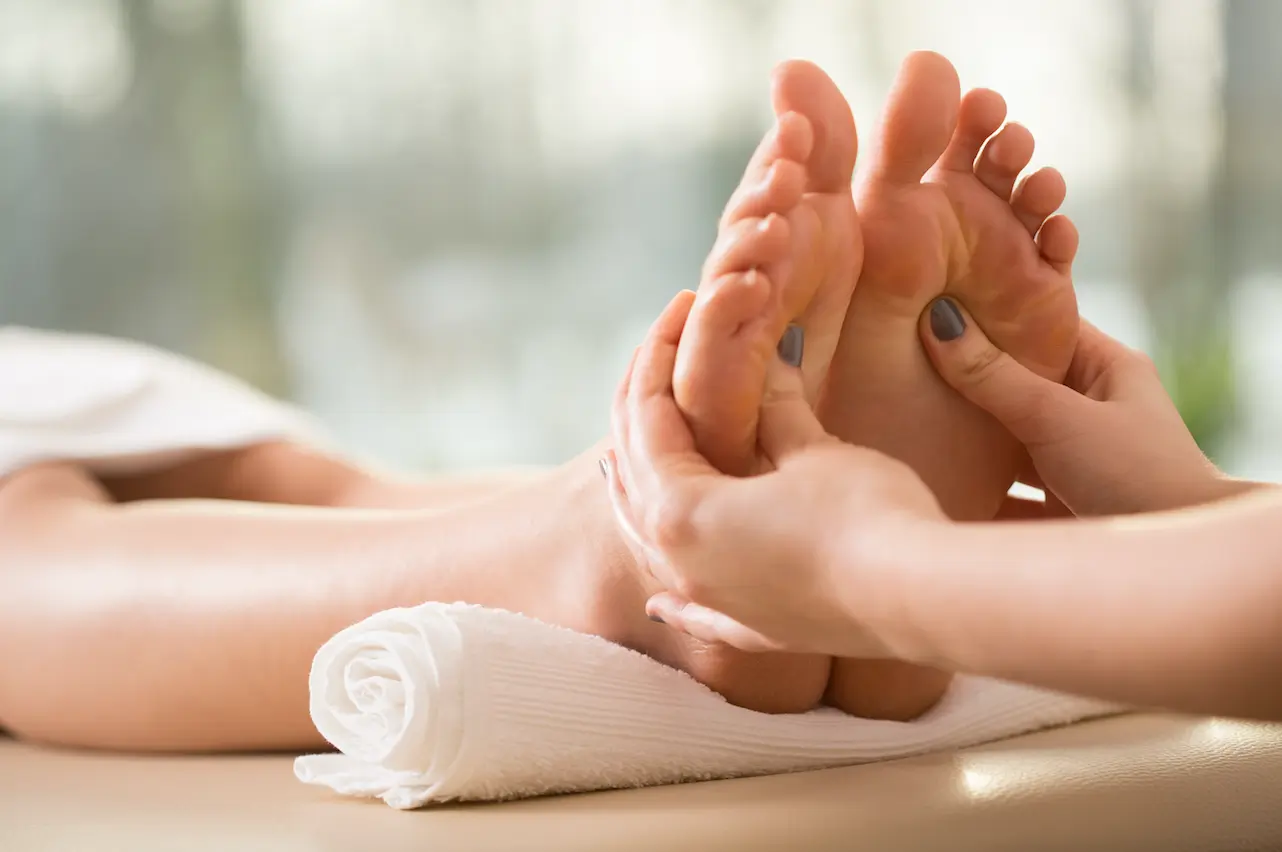
Legs & Feet
-
Use long strokes on thighs and calves.
-
Knead around calves and ankles to improve circulation.
-
Rub soles of feet in circular motions — very relaxing before sleep.
Face & Scalp
-
Use very gentle pressure.
-
Circular motions on forehead, cheeks, and jaw.
-
Rub scalp lightly with fingertips to relieve tension.
Tips for a Better Massage
-
Use Enough Oil – Don’t skimp; it makes movements smoother.
-
Stay Gentle – Avoid pushing too hard; it can cause soreness.
-
Breathe – Deep, slow breaths help both giver and receiver relax.
-
Focus on Tense Areas – Spend more time on shoulders, neck, and back if they’re tight.
-
Keep Hands Warm – Cold hands can be uncomfortable.
Self-Massage at Home
You don’t need someone else to enjoy a massage. Here’s how:
-
Neck & Shoulders: Use your opposite hand to rub shoulder and neck muscles.
-
Legs: Sit on the floor and massage calves and thighs.
-
Feet: Roll a tennis ball under your foot while seated.
-
Hands: Rub each finger and the palm with oil.
Even 5–10 minutes of self-massage can help relieve tension.
After the Massage
-
Wipe Excess Oil: Use a warm towel to remove extra oil if you want.
-
Stay Hydrated: Drink water to help flush toxins and stay refreshed.
-
Relax: Give your body a few minutes to enjoy the effects.
Benefits of Using Massage Oil Regularly
-
Eases sore muscles and reduces tension.
-
Improves blood circulation.
-
Moisturizes and nourishes skin.
-
Promotes relaxation and reduces stress.
-
Can improve sleep quality.
Safety Tips
-
Don’t massage broken skin, rashes, or bruises.
-
Avoid strong pressure on joints and spine.
-
People with certain health conditions (like heart issues or skin allergies) should consult a doctor first.
-
Essential oils must be diluted — never put them directly on skin.
Conclusion
Using massage oil at home is simple, relaxing, and good for your body and mind. You don’t need expensive equipment — just the right oil, a warm space, and gentle hands. Whether it’s a full-body massage or a few minutes on your neck and shoulders, oil massage can help you feel calm, rejuvenated, and cared for.
With regular practice, you’ll notice less tension, softer skin, and better relaxation. So pick your favorite oil, warm it up, and enjoy a soothing massage right in your own home.
Read Also: Keep your face towards the sunshine and shadows will fall behind you
Watch Also: https://www.youtube.com/@TravelsofTheWorld24



Leave a Reply