
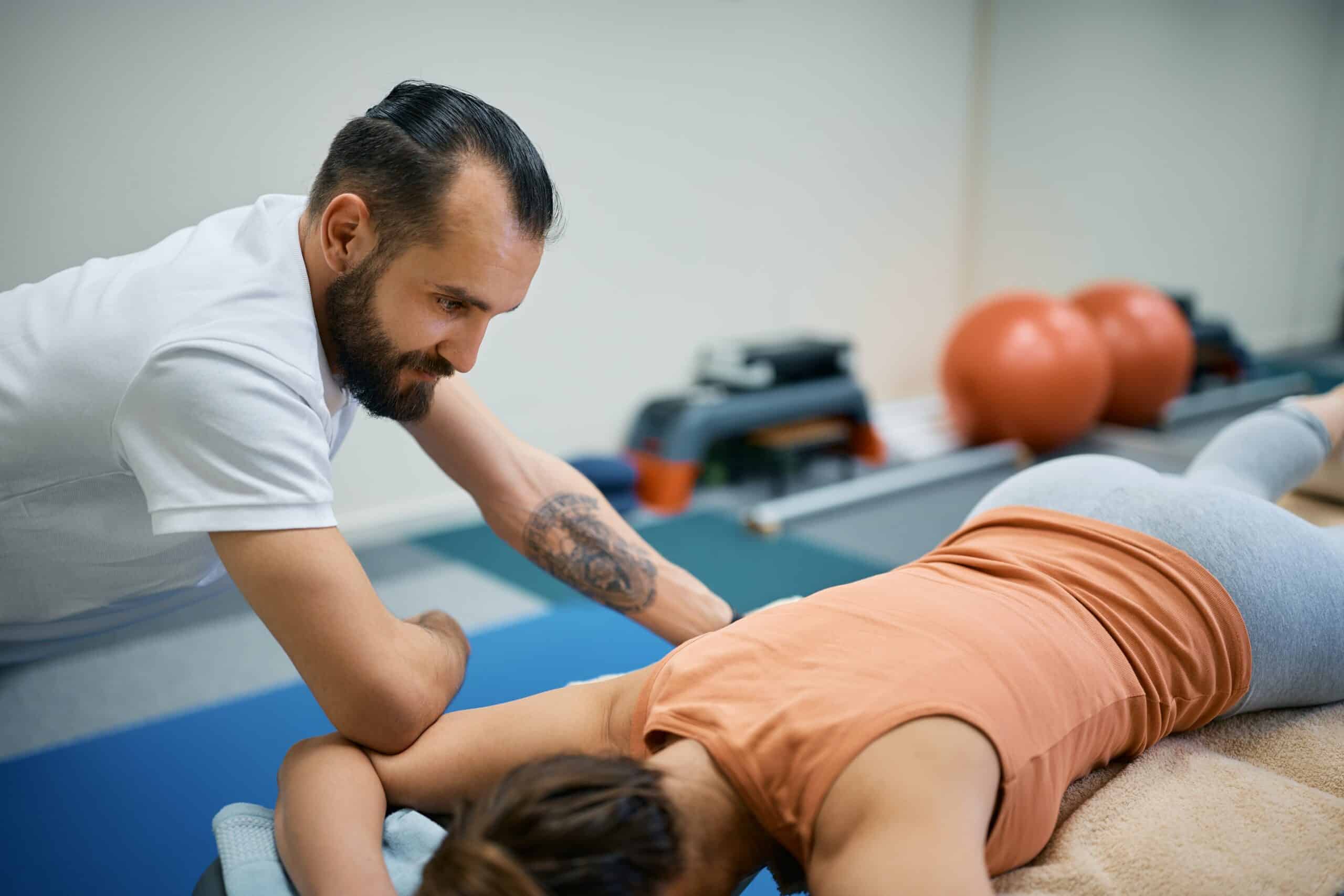
Massage therapy is one of the simplest and most natural ways to help your body feel better. Whether you sit all day, do heavy physical work, or deal with stress, muscle tension can build up without you even noticing. Over time, this tightness can make your body feel stiff, sore, and less flexible. That’s where massage therapy can make a big difference.
Let’s break it down in a very simple way so you can understand how it works and why it helps.
What Is Muscle Tension?
Muscle tension happens when your muscles stay tight for too long. Normally, muscles tighten and relax as you move. But things like stress, bad posture, overuse, or even lack of movement can cause them to stay tight.
You might notice:
-
Stiff neck or shoulders
-
Back pain
-
Tight legs
-
Limited movement
-
Feeling sore even without heavy work
When muscles stay tight, blood flow gets reduced, and that can lead to discomfort and even pain.
What Is Massage Therapy?
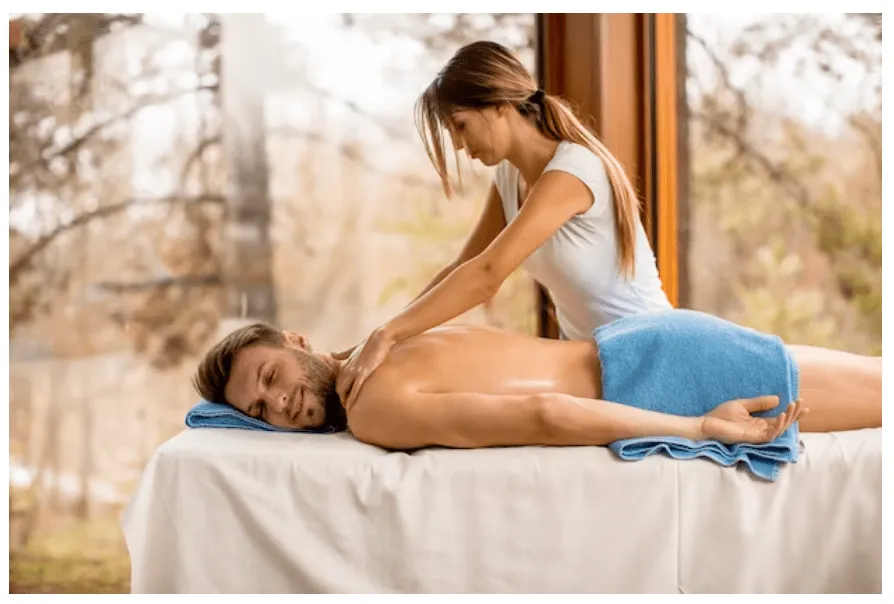
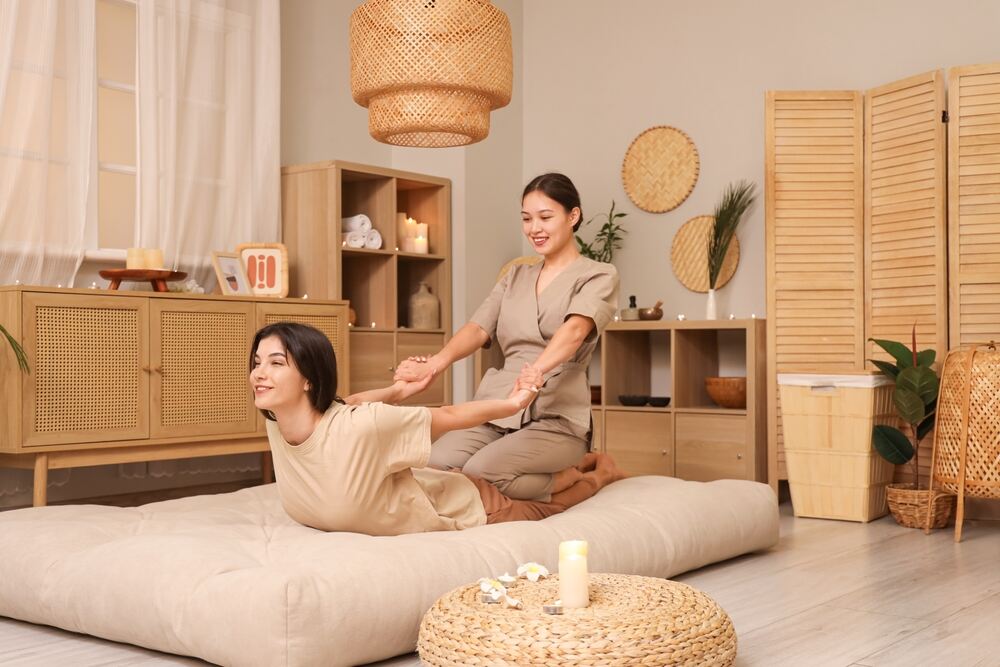
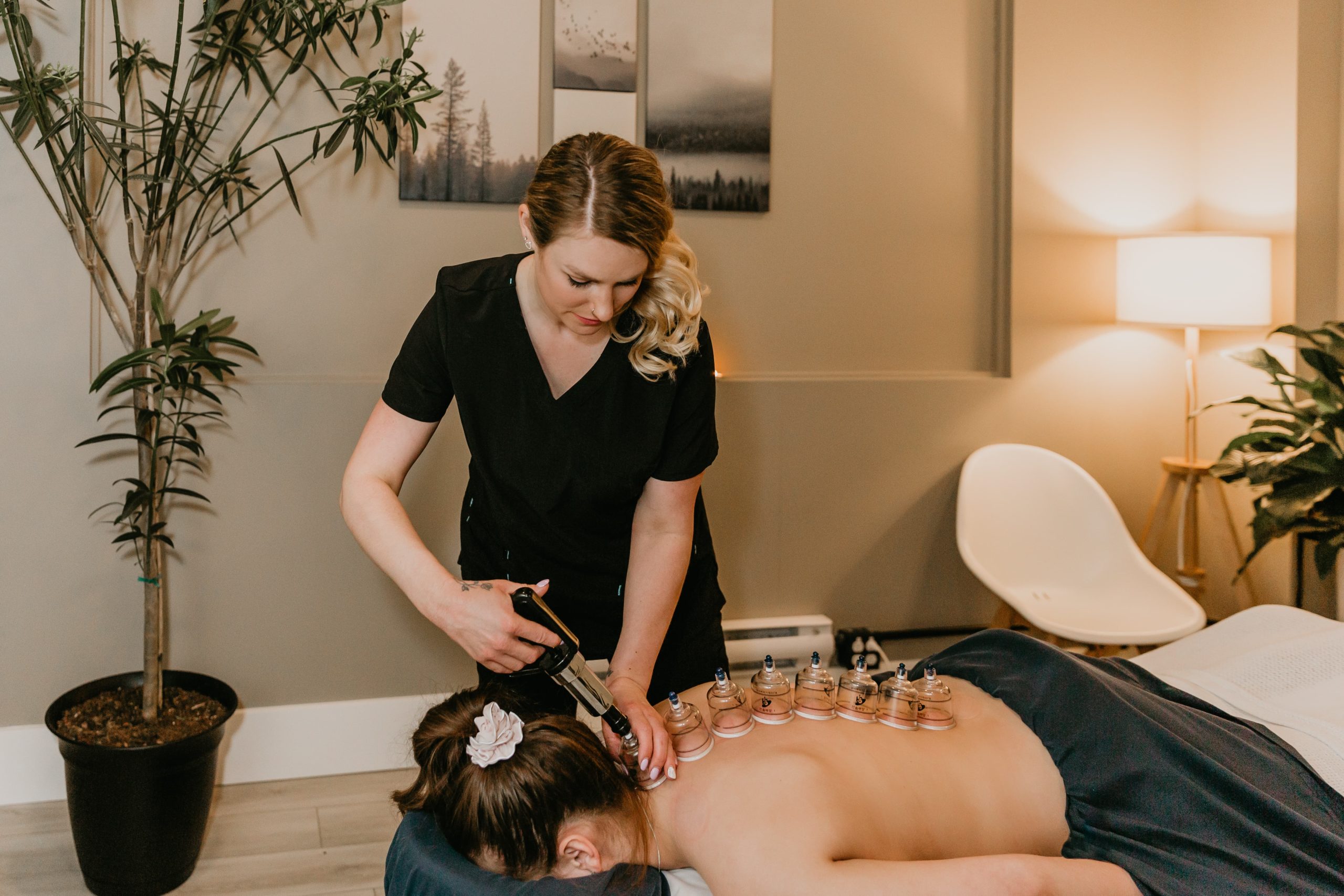
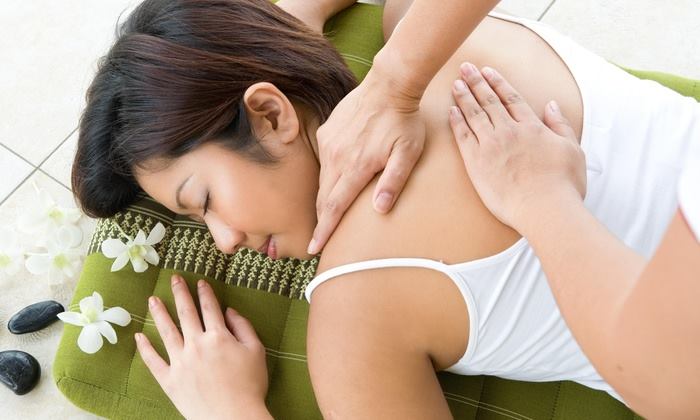
Massage therapy is the practice of using hands (and sometimes tools) to press, rub, and move muscles and soft tissues in the body. There are many types of massage, but the main goal is the same: relax the muscles and improve how your body feels and moves.
How Massage Helps Relieve Muscle Tension
1. Relaxes Tight Muscles
Massage gently stretches and loosens tight muscles. When pressure is applied, it helps the muscle fibers relax. This reduces stiffness and makes the muscle feel softer.
2. Improves Blood Flow
Massage increases blood circulation. Better blood flow means more oxygen and nutrients reach your muscles. This helps them recover faster and reduces pain.
3. Breaks Down Knots
Sometimes you feel small hard spots in your muscles—these are called knots. Massage helps break these down, which reduces discomfort and improves movement.
4. Reduces Stress
Stress is a big reason muscles get tight. Massage calms your mind and body, which helps your muscles relax naturally.
5. Releases Built-Up Tension
Daily activities like sitting at a desk or using your phone can create hidden tension. Massage helps release this buildup before it turns into pain.
How Massage Improves Mobility
Mobility means how easily and freely your body can move. When your muscles are tight, your movement becomes limited. Massage helps improve mobility in several ways.
1. Increases Flexibility
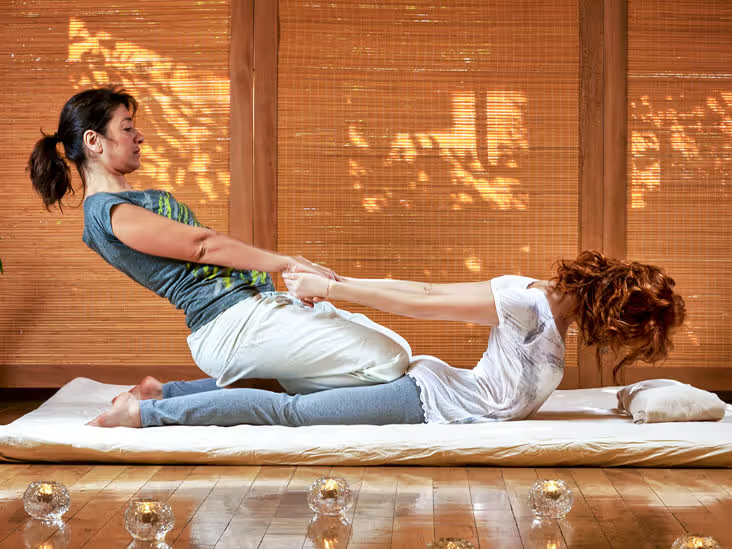
Massage stretches the muscles and soft tissues, making them more flexible. This allows your joints to move more freely.
2. Reduces Stiffness
If your body feels stiff, simple movements can feel difficult. Massage loosens everything up so you can move more easily.
3. Improves Joint Movement
Even though massage focuses on muscles, it also helps the joints. Relaxed muscles put less pressure on joints, helping them move better.
4. Speeds Up Recovery
If you exercise or do physical work, massage helps your muscles recover faster. This means less soreness and better movement the next day.
Common Areas Where Massage Helps
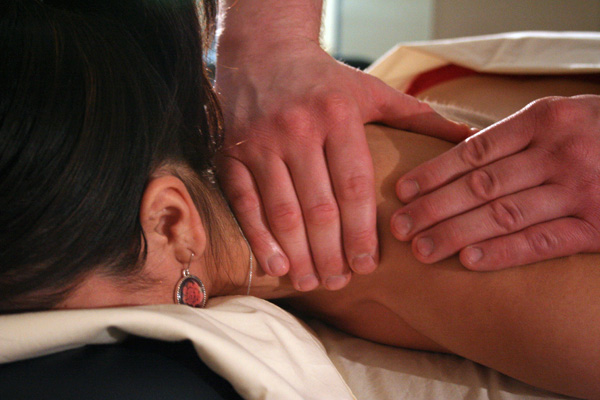
Neck and Shoulders
These areas hold a lot of stress, especially if you use a phone or computer a lot. Massage helps reduce stiffness and headaches.
Lower Back
Back pain is very common. Massage relaxes the muscles and reduces pressure in this area.
Legs
If you walk a lot or stand for long hours, your legs can feel heavy and tight. Massage improves circulation and reduces fatigue.
Arms and Hands
Typing, lifting, or repetitive work can cause tension here. Massage helps relieve that strain.
Types of Massage That Help with Tension and Mobility
Swedish Massage
This is a gentle massage that relaxes the whole body. Great for beginners.
Deep Tissue Massage
This uses stronger pressure to target deeper muscle layers. Good for chronic tension.
Sports Massage
Helpful for people who exercise or play sports. It improves flexibility and prevents injury.
Trigger Point Massage
Focuses on specific tight spots (knots) in muscles.
Benefits You Can Feel After Massage
After a good massage session, you may notice:
-
Less pain and stiffness
-
Easier movement
-
Better posture
-
Feeling relaxed and calm
-
Improved sleep
Some people even feel lighter, like a weight has been lifted from their body.
How Often Should You Get a Massage?
It depends on your lifestyle:
-
For general relaxation: once or twice a month
-
For muscle pain or tension: once a week
-
For athletes or active people: more regularly
Even occasional massage can make a big difference.
Simple Tips to Get the Best Results
-
Drink water after a massage
-
Stretch lightly to keep muscles loose
-
Maintain good posture
-
Don’t wait until pain becomes severe
-
Combine massage with regular movement or exercise
Can You Do Massage at Home?
Yes, you can! While professional massage is more effective, simple home techniques also help.
Try:
-
Using your hands to gently rub sore areas
-
Foam rollers for back and legs
-
Massage balls for tight spots
-
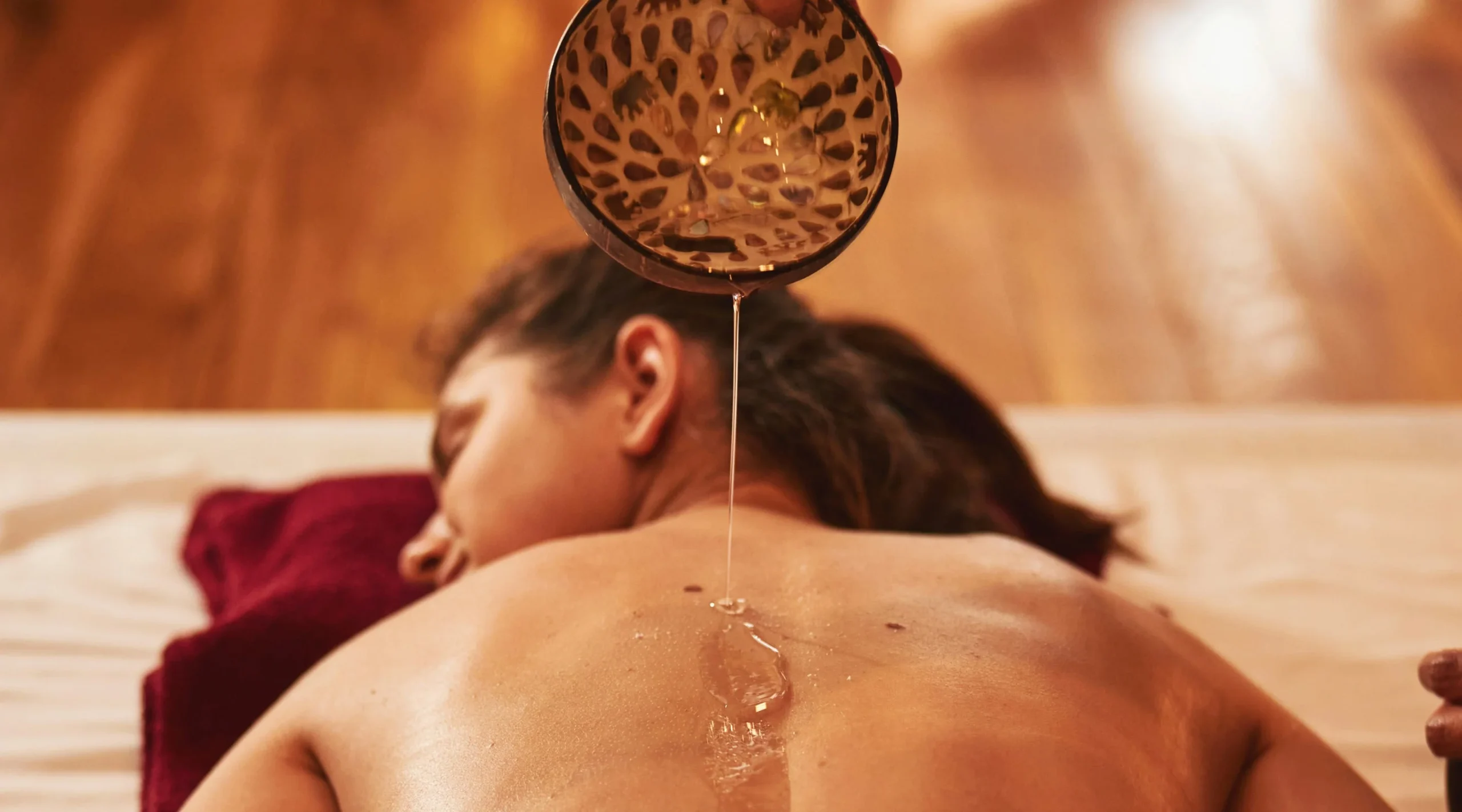
Warm oil massage for relaxation
Even a few minutes can reduce tension.
Who Should Be Careful?
Massage is safe for most people, but you should be careful if you have:
-
Injuries or fractures
-
Skin infections
-
Severe medical conditions
In such cases, it’s better to ask a doctor before getting a massage.
Final Thoughts
Massage therapy is not just about feeling good—it actually helps your body work better. By relaxing tight muscles, improving blood flow, and increasing flexibility, it helps reduce pain and makes movement easier.
If you often feel stiff, tired, or sore, massage can be a simple and natural way to feel better. Even small, regular sessions can bring big changes to how your body feels every day.
Read Also: Keep your face towards the sunshine and shadows will fall behind you
Watch Also: https://www.youtube.com/@TravelsofTheWorld24



Leave a Reply