
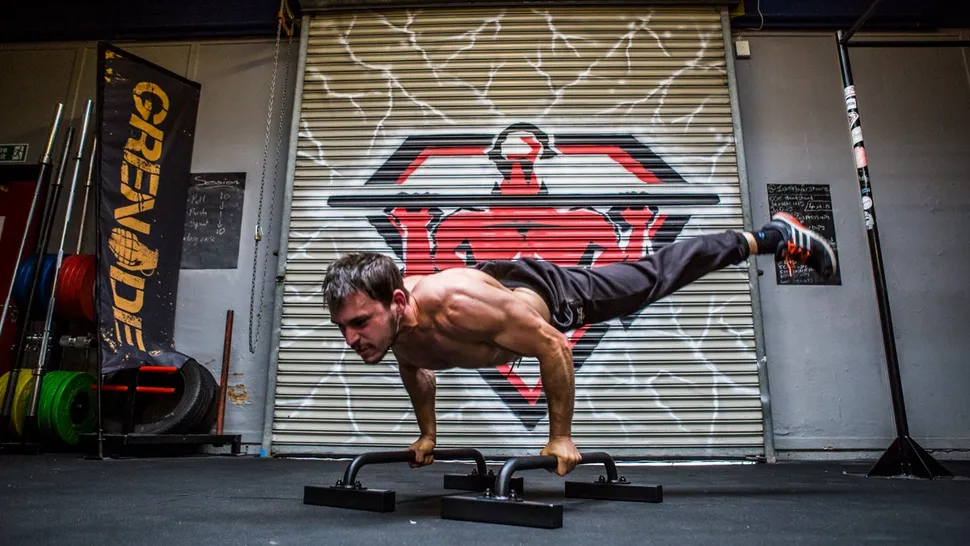
The term “functional training” gets thrown around a lot in gyms and fitness classes these days. You’ve probably heard trainers or fitness influencers talking about it as if it’s some magical way to get fit. But unlike some fitness jargon you can safely ignore, functional training is actually something worth paying attention to. It’s not just a trend or a fancy label — it’s a style of exercise that can genuinely improve how you move, feel, and perform in your daily life.
At its core, functional training focuses on exercises that mimic real-life movements. Instead of just isolating a single muscle like in traditional bodybuilding, functional exercises engage multiple muscle groups at once. This helps build strength, stability, balance, and coordination all at the same time. Basically, functional training is about making your body work better as a complete system, not just making one part look good in the mirror.
Why Functional Training Matters
You might wonder, “Why should I care about functional training if I just want to look strong or lose weight?” Well, functional training offers several benefits that go beyond aesthetics.
-
Builds Full-Body Strength: Unlike exercises that only focus on one muscle group, functional exercises often require multiple muscles to work together. For example, a squat with a shoulder press doesn’t just work your legs or shoulders — it engages your core, glutes, back, arms, and even stabilizing muscles. This type of training creates real-world strength that you can use in daily life, whether that’s lifting groceries, moving furniture, or playing sports.
-
Improves Coordination and Balance: Many functional exercises require control and balance. Moves like single-leg deadlifts, lunges, or kettlebell swings challenge your body to stay stable while moving. Over time, this can improve your coordination and balance, which helps reduce the risk of falls and injuries.
-
Enhances Mobility: Functional training often involves full-range-of-motion movements. Exercises like squats, lunges, and push-ups help improve joint flexibility and mobility, which keeps your muscles and joints healthy. Improved mobility also makes other exercises easier and safer.
-
Boosts Core Strength: The core is involved in nearly every functional movement. Exercises that require you to stabilize your torso, like planks or overhead presses, strengthen the abs, obliques, and lower back. A strong core improves posture, reduces the risk of back pain, and makes all movements more efficient.
-
Supports Daily Activities: The most important feature of functional training is that it makes everyday tasks easier. Whether it’s bending down to pick up a child, carrying a heavy backpack, or even climbing stairs, functional strength makes your body more capable and resilient.
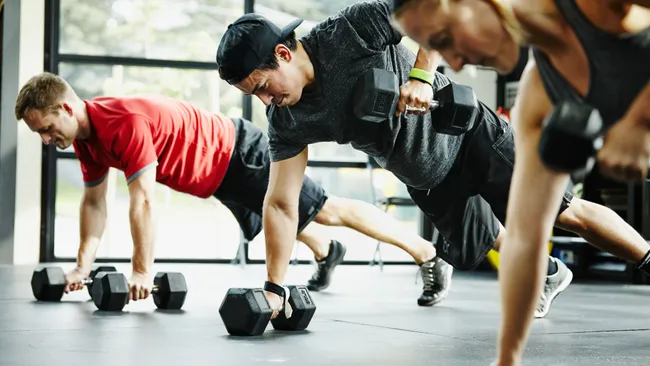
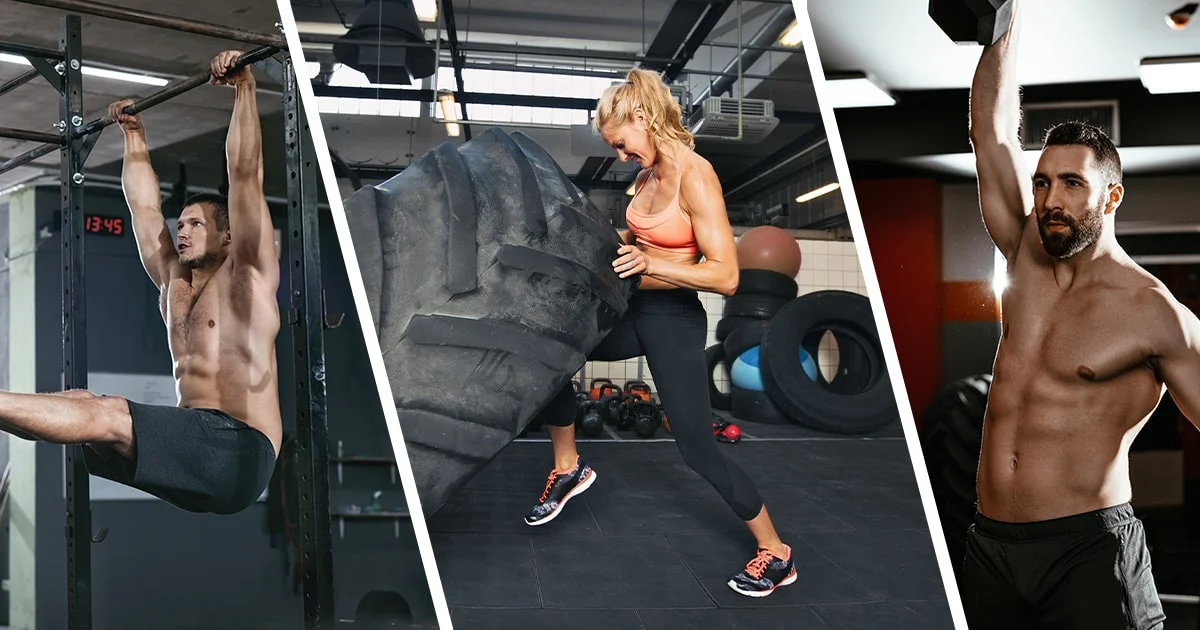
Functional Workouts for Everyday Strength and Fitness
Tools You Can Use for Functional Training
The great thing about functional training is that you don’t need a gym full of expensive machines. You can use simple equipment or even just your own body weight. Here are some common tools:
-
Adjustable Dumbbells: Dumbbells are versatile and allow you to perform a wide range of functional movements, including squats, presses, rows, and lunges. Adjustable dumbbells let you easily change the weight, making them ideal for home workouts.
-
Kettlebells: Kettlebells are especially good for functional training because of their unique shape and handle. They’re perfect for swings, cleans, snatches, and Turkish get-ups, all of which train strength, power, and stability simultaneously.
-
Resistance Bands: Resistance bands are lightweight and portable, yet very effective for adding resistance to functional movements. They are great for pull-aparts, rows, presses, and rotational exercises that mimic real-life movements.
-
Body Weight (Calisthenics): You don’t need any equipment to train functionally. Bodyweight exercises like push-ups, squats, lunges, planks, and burpees can provide a full-body workout while improving coordination and strength.
-
Medicine Balls or Sandbags: These add an element of dynamic movement and instability, which is excellent for functional training. Throwing, catching, or lifting these objects engages multiple muscle groups and mimics real-world tasks.
Examples of Functional Training Exercises
Here are some of the most effective functional exercises you can include in your routine:
-
Squats: A classic functional exercise that works your legs, glutes, and core. You can make it more challenging by holding a dumbbell or kettlebell.
-
Lunges: Lunges improve balance and strengthen your legs and glutes. Walking lunges, reverse lunges, and lateral lunges each target slightly different muscles while improving stability.
-
Push-Ups: Push-ups engage the chest, shoulders, triceps, and core. Variations like decline push-ups, spiderman push-ups, or push-ups with shoulder taps add a functional twist.
-
Kettlebell Swings: This explosive movement strengthens your hips, glutes, hamstrings, core, and shoulders. It also improves coordination and power.
-
Planks and Plank Variations: Planks target the core while also engaging the shoulders and back. Side planks, plank with arm lifts, or plank to push-up progressions increase difficulty and stability.
-
Deadlifts: A deadlift strengthens your posterior chain — the muscles on the back of your body including glutes, hamstrings, and lower back. It’s functional because it mimics the movement of lifting objects off the ground.
-
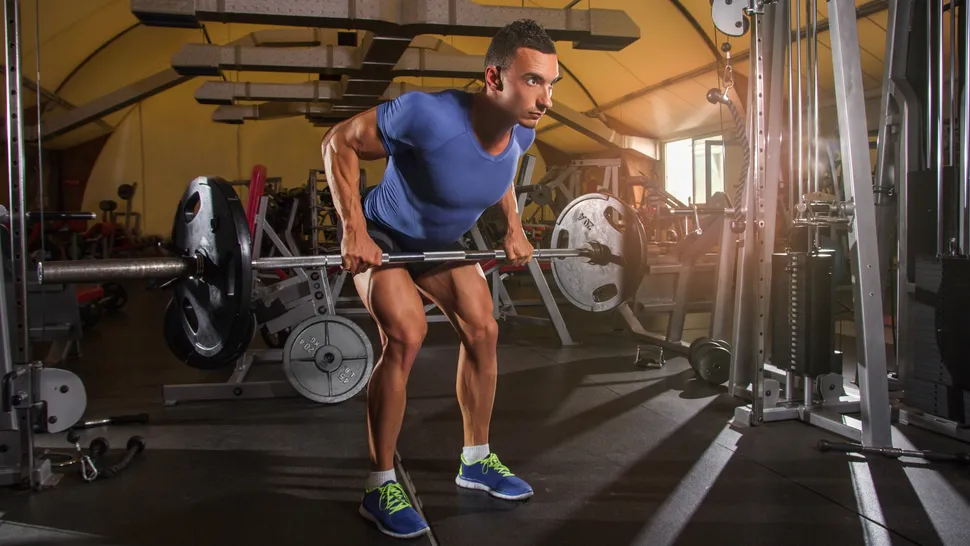
Rows: Rows with dumbbells, resistance bands, or cables strengthen your back, shoulders, and arms. They’re especially useful for countering the effects of sitting all day and improving posture.
-
Step-Ups: Stepping onto a bench or platform strengthens your legs and glutes while improving balance and stability.
-
Rotational Movements: Exercises like woodchoppers, Russian twists, or medicine ball throws strengthen your obliques and core muscles in a rotational pattern, which is essential for many daily activities and sports movements.
-
Farmer’s Carry: Carrying dumbbells, kettlebells, or sandbags while walking engages your grip, shoulders, core, and legs — basically, your whole body.
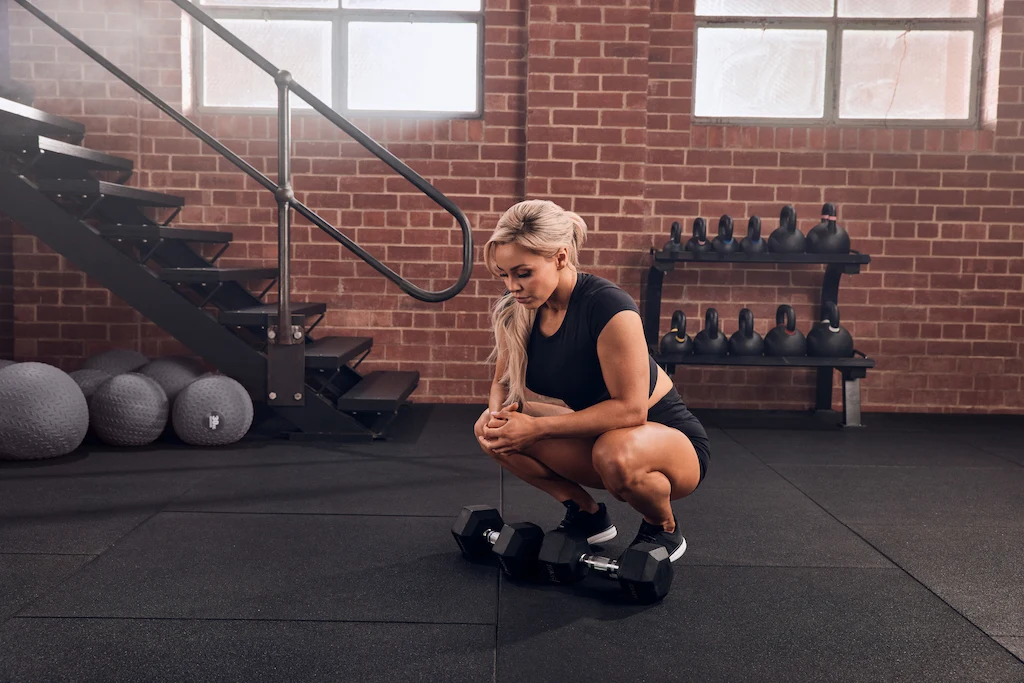
Functional Workouts for Everyday Strength and Fitness
How to Structure a Functional Training Workout
A functional workout should target multiple muscle groups and include a variety of movements. Here’s a simple example of a beginner-friendly full-body functional session:
-
Warm-Up (5–10 minutes):
-
Jumping jacks, arm circles, high knees, or light jogging.
-
Dynamic stretches like leg swings and hip rotations.
-
Main Workout (30–40 minutes):
-
Squats: 3 sets of 12 reps
-
Push-Ups: 3 sets of 10–15 reps
-
Kettlebell Swings: 3 sets of 15 reps
-
Lunges: 3 sets of 10 reps per leg
-
Plank: 3 sets, hold for 30–60 seconds
-
Rows: 3 sets of 12 reps
-
Cool Down (5–10 minutes):
-
Stretch all major muscle groups, especially hamstrings, quads, shoulders, and back.
-
Deep breathing exercises to relax the muscles.
As you get stronger, you can increase weights, reps, or include more advanced variations like single-leg squats, burpees with push-ups, or medicine ball throws.
Benefits Beyond the Gym
Functional training isn’t just about lifting weights or building muscle; it has practical benefits in daily life:
-
Better Posture: Functional exercises strengthen stabilizing muscles, which can correct poor posture from long hours of sitting.
-
Reduced Injury Risk: Stronger, more coordinated muscles protect joints and reduce the likelihood of strains or falls.
-
Improved Sports Performance: Whether you play soccer, tennis, basketball, or golf, functional training enhances strength, speed, agility, and balance.
-
Easier Daily Tasks: Picking up kids, carrying groceries, or moving furniture becomes easier and safer.
Final Thoughts
Functional training is one of the most versatile and effective ways to improve your fitness. It doesn’t require a fancy gym, and it benefits your whole body — strength, stability, balance, and mobility. Whether you prefer weight training, calisthenics, or a mix of both, adding functional exercises into your routine will improve not only your performance in workouts but also your day-to-day life.
Remember to focus on proper form, start with manageable weights or bodyweight exercises, and gradually increase difficulty over time. Consistency is key — even a few functional workouts each week will show noticeable improvements in strength, movement, and confidence.
By making functional training a regular part of your fitness routine, you’re investing in your long-term health, performance, and overall quality of life. It’s about more than just looking good — it’s about moving well, feeling strong, and being ready for whatever life throws at you.
Read Also: Keep your face towards the sunshine and shadows will fall behind you
Watch Also: https://www.youtube.com/@TravelsofTheWorld24





Leave a Reply