
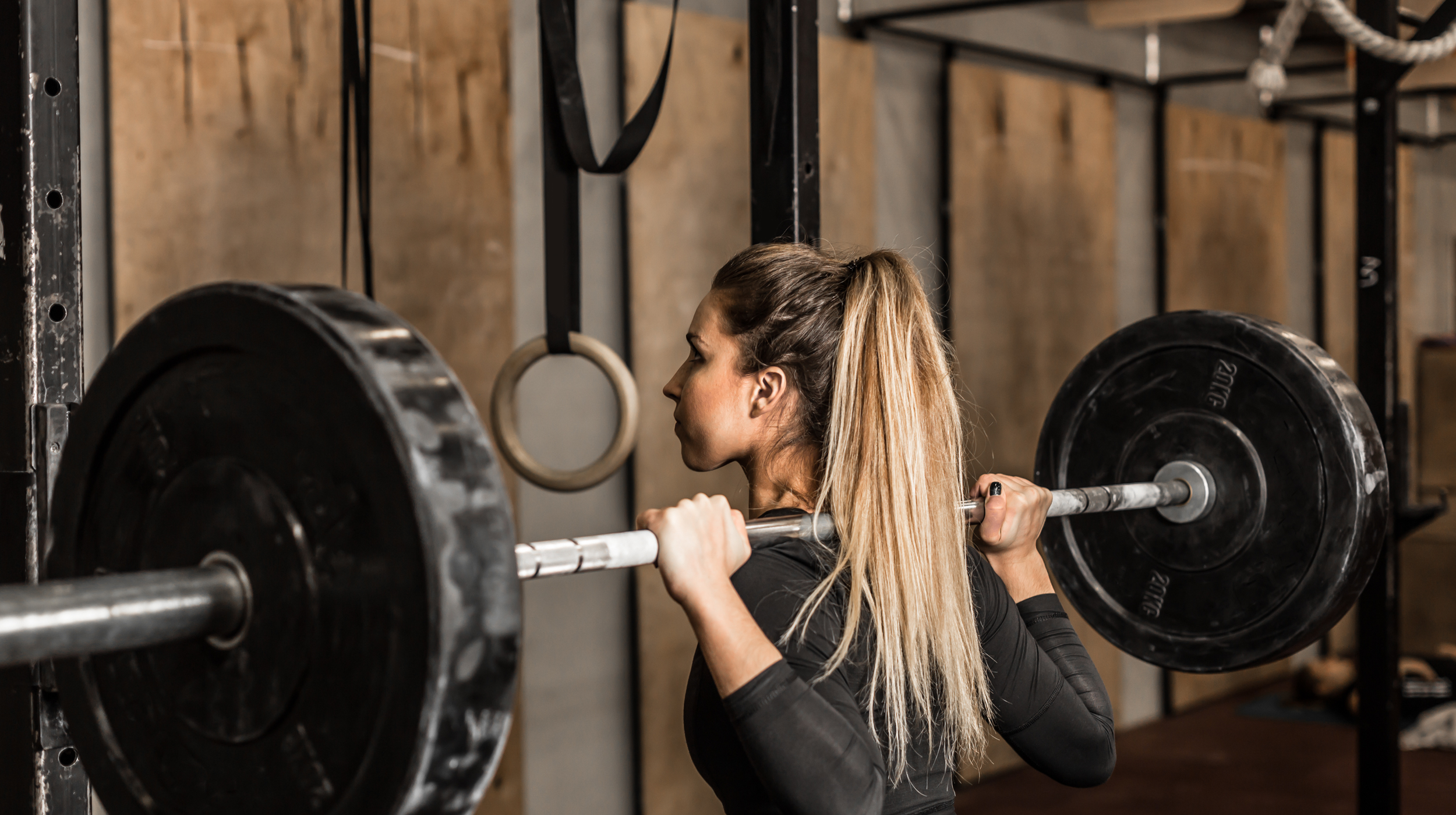
When most people think about fitness, the first thing that comes to mind is building big muscles and looking good. Social media, movies, and fitness influencers often show bodies that are lean, muscular, and visually impressive. Because of this, many people believe that having big muscles automatically means being strong and fit.
But in reality, there is a big difference between looking strong and actually being strong in a practical, everyday way. This is where functional strength comes in.
Functional strength is not just about how much weight you can lift or how your body looks. It is about how well your body moves, how easily you can perform daily tasks, and how pain-free your joints feel when you move. It focuses on real-life performance, not just appearance.
Let’s break this down in a simple way so you can understand why functional strength is so important and how you can build it.
What Functional Strength Really Means
Functional strength means having the ability to move your body freely and safely through a full range of motion. It focuses mainly on your key joints, which include:
-
Shoulders
-
Hips
-
Knees
-
Ankles
These joints are responsible for almost every movement you do, whether it’s walking, lifting, bending, or even sitting.
When your joints move properly without pain, stiffness, or restriction, your body works smoothly. You feel more flexible, more balanced, and more in control.
For example:
-
You can squat down without your knees hurting
-
You can lift something heavy without straining your back
-
You can run, jump, or climb without discomfort
That is functional strength.
It is not about lifting the heaviest weight in the gym. It is about moving better in everyday life.
Why Functional Strength Is Important
Functional strength improves both your performance and your daily life. It makes simple things easier and reduces the risk of injuries.
Here are some key benefits:
1. Better Movement in Daily Life
Everyday tasks like carrying groceries, climbing stairs, or picking something up from the floor become easier.
2. Less Pain and Stiffness
When your joints are strong and mobile, you are less likely to feel pain in areas like your lower back, knees, or shoulders.
3. Improved Balance and Coordination
You move with more control, which helps prevent falls and injuries.
4. Better Sports Performance
If you play sports, functional strength helps you run faster, jump higher, and move more efficiently.
5. Long-Term Health
As you age, functional strength helps you stay active and independent.
The Problem With Only Training for Looks
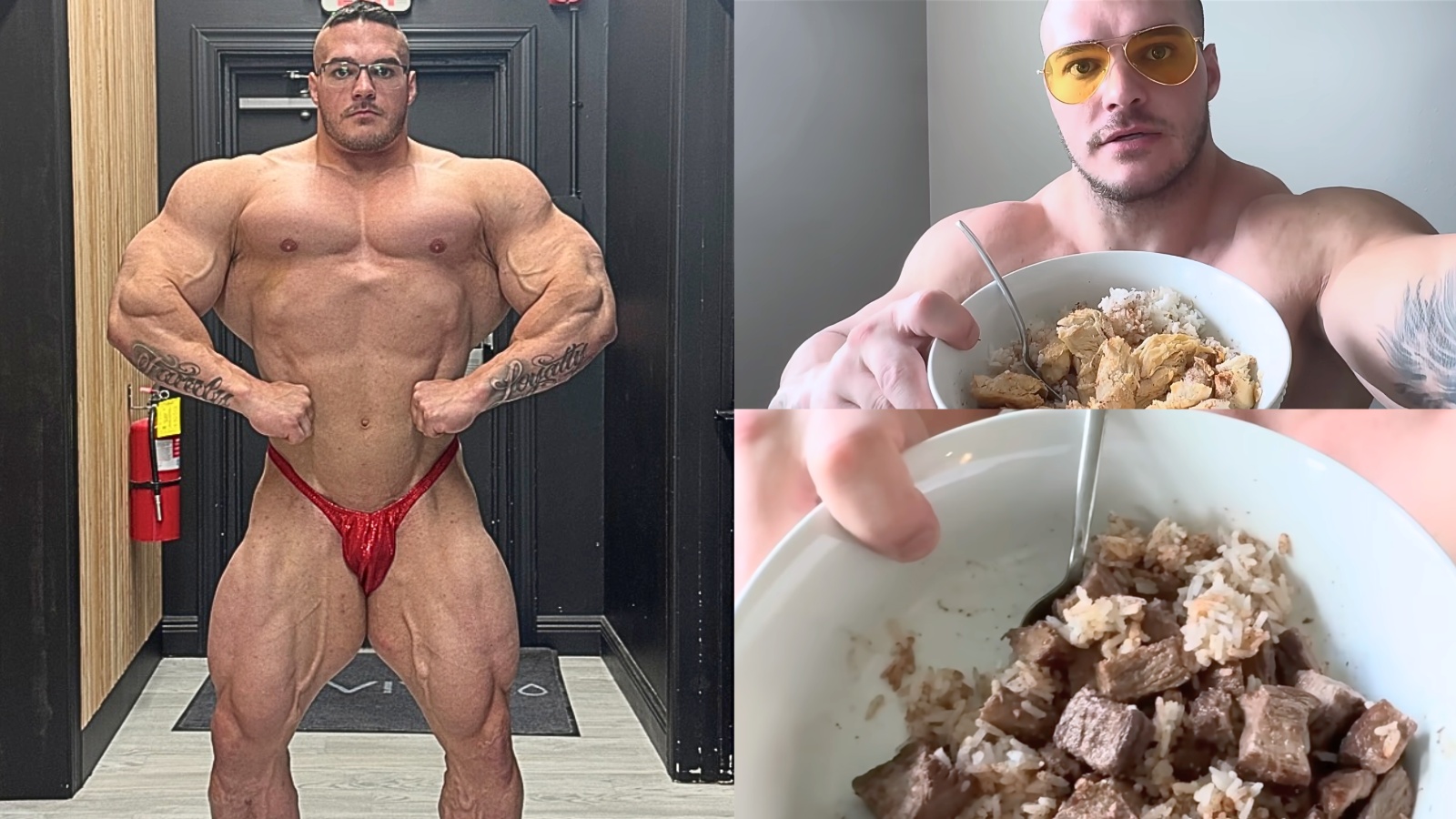
Bodybuilding is one of the most popular forms of fitness. It focuses on building muscle size and improving appearance. While it has many benefits, it is not perfect for everyone.
The main goal of bodybuilding is aesthetics. This means looking good—big arms, wide chest, and defined muscles.
There is nothing wrong with that. In fact, bodybuilding can:
-
Increase muscle mass
-
Improve strength to some extent
-
Boost confidence
But the issue comes when people think that muscle size alone equals real-world strength.
Why It Can Be Limited
Bodybuilding often focuses on:
-
Isolated muscle training
-
Machines instead of natural movement
-
Fixed movement patterns
For example, a machine chest press does not require much balance or coordination. It targets one muscle group but does not train your body to work as a whole.
In real life, your body does not move in isolation. It works as a system.
That’s why someone with big muscles may still struggle with simple tasks like:
-
Moving quickly
-
Lifting awkward objects
-
Maintaining balance
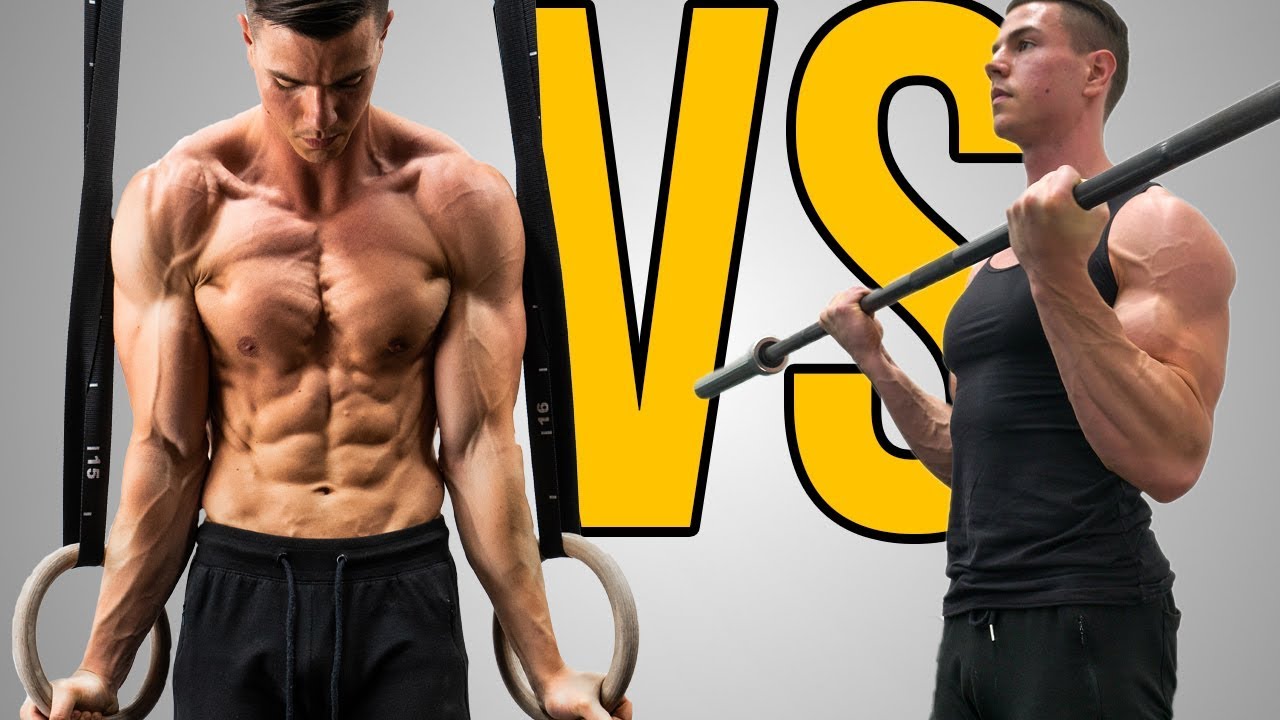
Functional Training vs Bodybuilding
Let’s understand the difference in a simple way.
Bodybuilding Training
-
Focus: Muscle size and appearance
-
Exercises: Isolation movements (bicep curls, leg extensions)
-
Equipment: Machines and controlled setups
-
Goal: Look strong
Functional Training
-
Focus: Movement and performance
-
Exercises: Compound and natural movements
-
Equipment: Free weights, bodyweight, or simple tools
-
Goal: Be strong in real life
Functional training teaches your body to move the way it is meant to move.
How the Body Is Designed to Move
Your body is built for natural movements like:
-
Squatting
-
Bending
-
Pushing
-
Pulling
-
Rotating
-
Walking and running
Functional training uses these natural patterns.
For example:
-
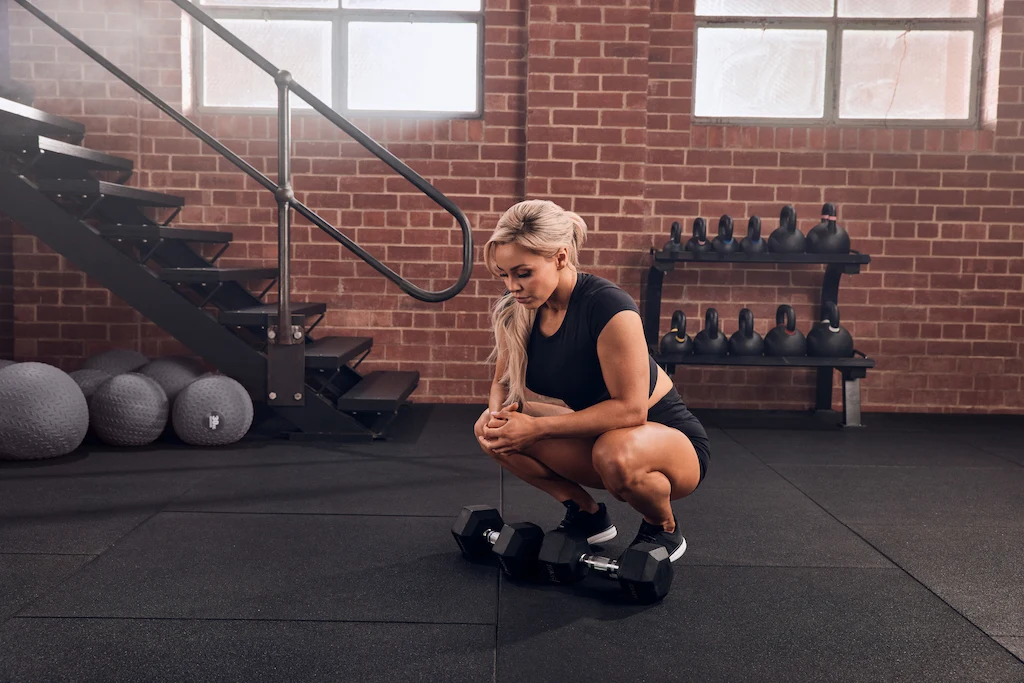
A squat trains your legs, hips, and core together
-
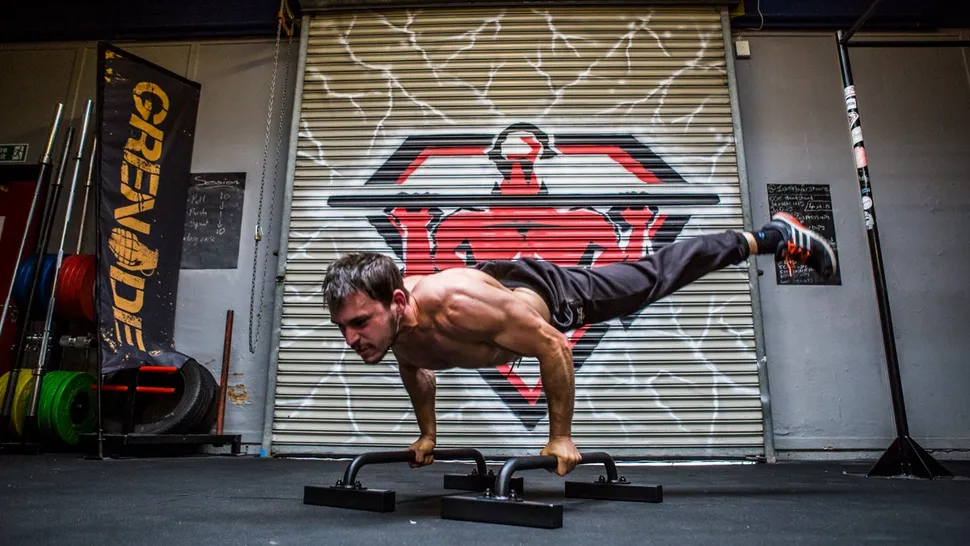
A push-up trains your chest, shoulders, and arms while also working your core
-
A lunge improves balance and coordination
These movements are more useful than isolated exercises because they match real-life actions.
The Role of Mobility and Stability
Functional strength is not just about muscles. It also depends on two important things:
Mobility
This is how freely your joints can move. Good mobility means you can move through a full range without pain.
Stability
This is your ability to control movement. It keeps your joints safe and balanced.
You need both.
For example:
-
If you have mobility but no stability, you may get injured
-
If you have stability but no mobility, your movement becomes stiff
Functional training improves both at the same time.
Common Mistakes People Make
Many people unknowingly train in ways that limit their functional strength.
1. Only Using Machines
Machines are easy to use, but they do not train balance or coordination.
2. Ignoring Mobility
People focus only on lifting weights and forget stretching or mobility work.
3. Training One Muscle at a Time
This does not reflect real-life movement.
4. Lifting Too Heavy With Poor Form
This can lead to injuries and reduces movement quality.
How to Build Functional Strength
Now let’s talk about how you can actually improve your functional strength.
1. Focus on Compound Exercises
These are exercises that use multiple muscles at once.
Examples:
-
Squats
-
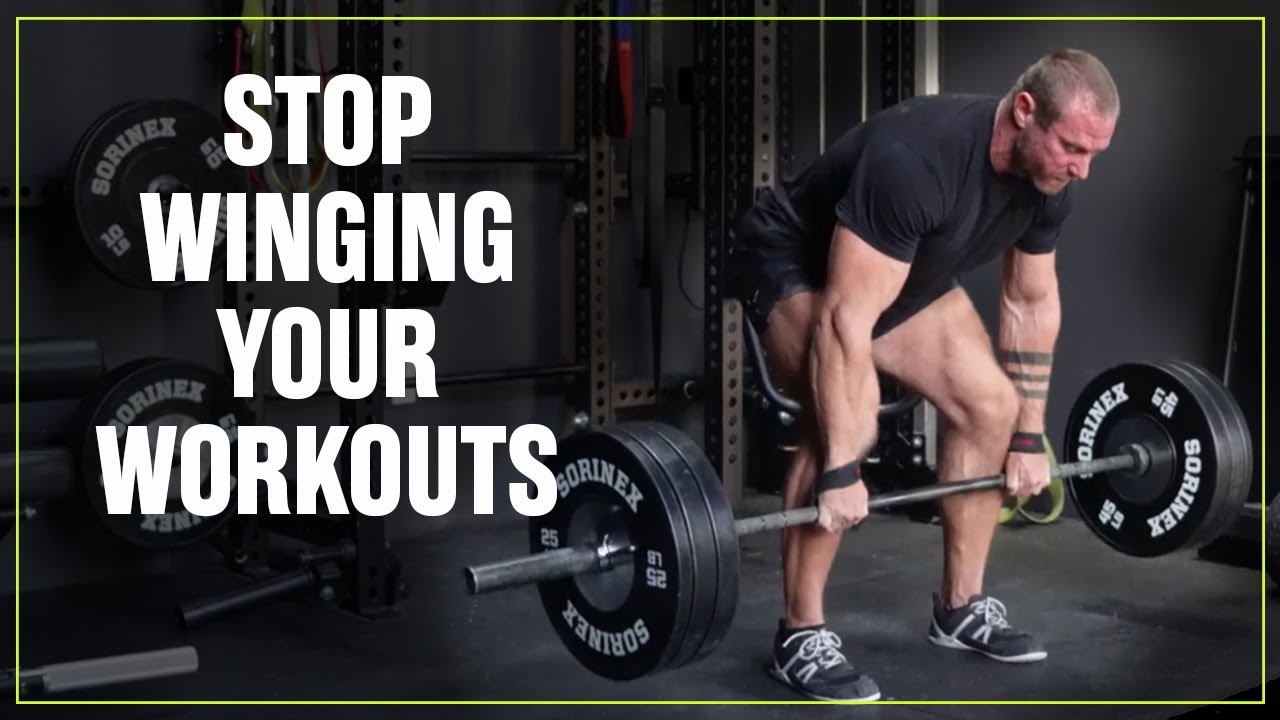
Deadlifts
-
Push-ups
-
Pull-ups
-
Lunges
2. Train Movement Patterns
Instead of thinking about muscles, think about movements.
Train:
-
Push
-
Pull
-
Hinge
-
Squat
-
Carry
3. Improve Mobility
Add simple stretches and mobility drills for your:
-
Hips
-
Shoulders
-
Ankles
4. Use Bodyweight Training
Bodyweight exercises improve control and coordination.
5. Add Balance Work
Simple exercises like single-leg stands or lunges can help.
6. Move in Different Directions
Don’t just move forward and backward. Add side and rotational movements.
Sample Functional Workout
Here is a simple workout you can try:
-
Squats – 3 sets of 10 reps
-
Push-ups – 3 sets of 10–15 reps
-
Lunges – 3 sets of 10 reps each leg
-
Pull-ups or rows – 3 sets
-
Plank – 30–60 seconds
This workout trains your whole body in a natural way.
Can You Combine Functional Training and Bodybuilding?
Yes, you can.
You don’t have to choose one over the other. The best approach for most people is a mix of both.
For example:
-
Start with compound functional exercises
-
Add some isolation exercises at the end
This way, you get both:
-
Better movement
-
Better muscle shape
Who Should Focus on Functional Strength?
The answer is simple: almost everyone.
Functional training is great for:
-
Beginners
-
Athletes
-
Office workers
-
Older adults
It helps you move better and feel better, no matter your fitness level.
Long-Term Benefits
Functional strength is not just about today. It helps you in the long run.
As you age, your body naturally becomes:
-
Less flexible
-
Less stable
-
More prone to injury
Functional training slows down this process and keeps you active.
It helps you:
-
Stay independent
-
Avoid injuries
-
Enjoy daily life without pain
Final Thoughts
Functional strength is about real strength—the kind that helps you in everyday life. It is not just about how your body looks, but how it works.
While bodybuilding focuses on appearance, functional training focuses on movement, balance, and overall performance. Both have value, but for most people, functional strength is more useful in daily life.
The goal should not just be to look strong, but to actually be strong in a practical and natural way.
So instead of only chasing bigger muscles, start focusing on better movement. Train your body the way it is designed to move.
In the end, the best body is not just the one that looks good—but the one that works well, feels strong, and stays pain-free.
Read Also: Keep your face towards the sunshine and shadows will fall behind you
Watch Also: https://www.youtube.com/@TravelsofTheWorld24

Leave a Reply