
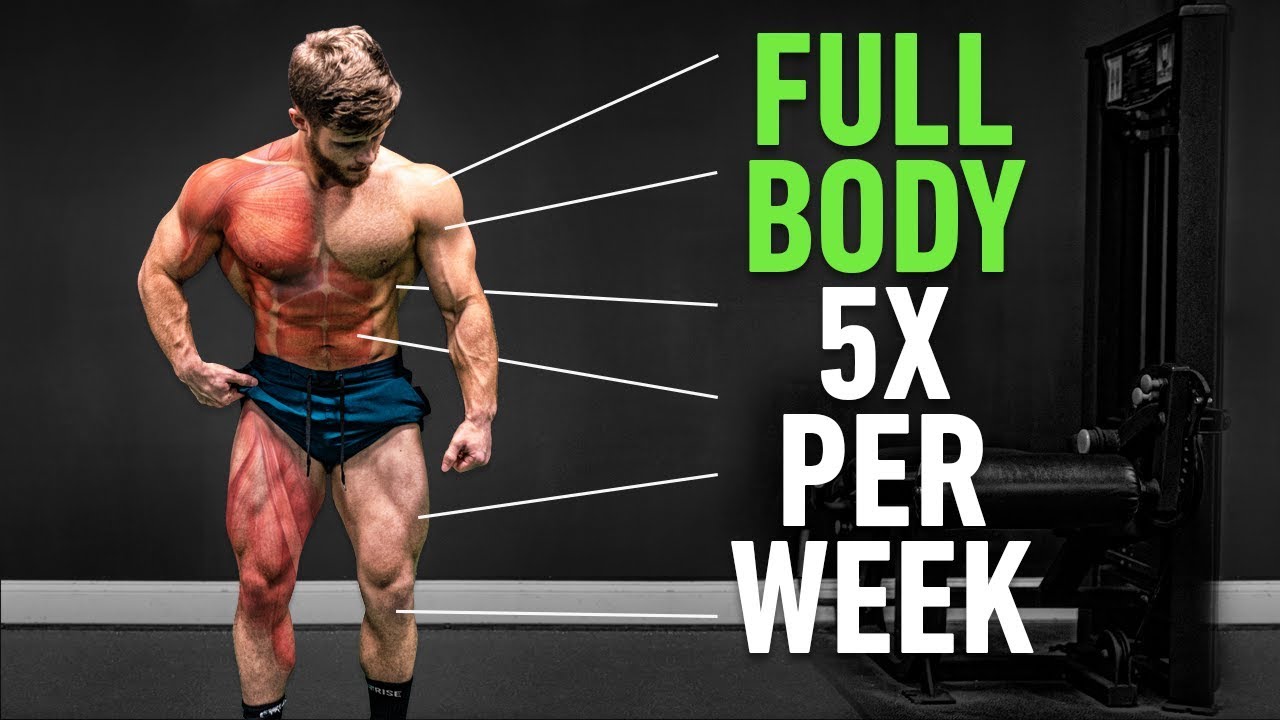
If you want to get stronger, build muscle, and stay fit, you might have heard about high frequency training. This means working out your whole body multiple times a week, instead of just hitting one muscle group per day. One popular approach is training full body five times a week. It might sound intense, but it’s actually really effective if done right. Let’s break down why it works so well and how you can make it part of your routine.
1. What is High Frequency Training?
High frequency training simply means training a muscle or a set of muscles more than once a week. Traditional “bro split” workouts often focus on one or two muscle groups per session—like chest on Monday, back on Tuesday, and so on. You usually hit each muscle only once a week.
Full body high frequency training, on the other hand, hits almost every muscle in each session. Doing this five times a week ensures each muscle gets multiple chances to grow, instead of waiting a full week to train again.
2. The Science Behind It
Muscles grow when they recover from stress. Every time you lift weights, you create tiny tears in your muscle fibers. Your body repairs these fibers, making them bigger and stronger. The more often you stimulate the muscle—without overdoing it—the more chances it has to grow.
High frequency training takes advantage of this. Instead of hitting a muscle hard once a week, you give it moderate stress several times a week. This leads to faster improvements in strength and size. Studies also show that frequent practice improves your movement patterns, meaning you get better at lifting efficiently and safely.
3. Benefits of Training Full Body 5x a Week
a. More Muscle Growth Opportunities
When you hit each muscle five times a week, you’re giving your body more frequent growth signals. Muscles don’t need max stress every time; even moderate loads repeated often can build muscle steadily.
b. Improved Strength
Frequent practice of key lifts—like squats, deadlifts, presses—helps your nervous system adapt. Your body becomes more coordinated, and you can lift heavier over time.
c. Better Fat Loss
Full body workouts keep your heart rate elevated and burn more calories compared to splitting workouts by muscle. This makes them great for fat loss or staying lean while gaining muscle.
d. Flexible Schedule
If life gets busy, missing one day won’t ruin your progress. Since you train multiple times a week, you can adjust easily and still hit all your muscles frequently.
e. Balanced Development
Some people overdevelop chest or arms and neglect legs and back in traditional splits. Full body training ensures no muscle gets left behind.
4. How to Structure a 5x Week Full Body Plan
Here’s a simple way to organize your week:
-
Day 1: Heavy lifts, lower reps (strength focus)
-
Day 2: Moderate weight, higher reps (hypertrophy focus)
-
Day 3: Active recovery or technique day, lighter weight
-
Day 4: Repeat heavy lifts with slightly different variations
-
Day 5: Moderate to high reps, finish the week strong
Key exercises to include:
-
Squats – builds legs and core
-
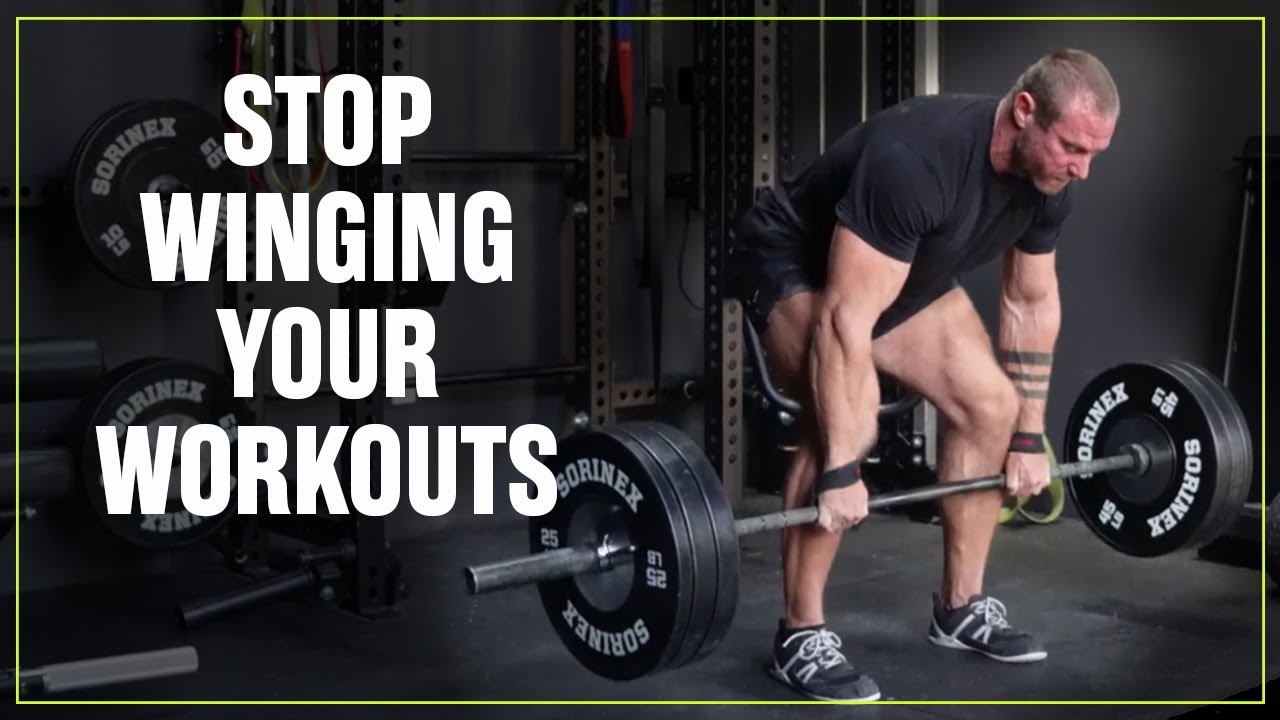
Deadlifts or Romanian Deadlifts – strengthens hamstrings, glutes, and back
-
Bench Press or Push-Ups – chest, shoulders, triceps
-
Pull-Ups or Rows – back and biceps
-
Overhead Press – shoulders and triceps
-
Optional Accessories – curls, tricep extensions, core work
You don’t have to do every single exercise every session. Rotate a few heavy and moderate exercises to avoid overworking joints.
5. Recovery is Still Key
Even though you train five times a week, rest is not optional. Your muscles grow when you rest, not just when you train. A few tips to recover effectively:
-
Sleep well – aim for 7–9 hours
-
Eat enough protein and calories – your muscles need fuel to grow
-
Stretch or foam roll – helps with soreness and mobility
-
Listen to your body – fatigue is a sign you may need a lighter day
You can’t skip recovery, especially with high frequency training. Doing too much without rest leads to injuries and slows progress.
6. Avoiding Overtraining
High frequency training sounds intense, but if you keep the volume moderate and vary intensity, overtraining can be avoided. A few rules:
-
Alternate heavy and lighter days
-
Focus on form, not just lifting heavier
-
Don’t push to failure every set
-
Use variations to prevent joint stress
Your body can adapt to a lot more work than you think, but smart planning keeps you progressing safely.
7. Why Full Body Beats “Bro Splits”
Traditional splits can work, but they have limitations:
-
Muscles only get hit once a week
-
Missing a day can derail your progress
-
Hard to maintain intensity consistently
Full body five times a week keeps momentum, spreads stress evenly, and is easier to stick with long term. Beginners and intermediates see faster gains because frequent practice reinforces good movement and recovery cycles.
8. Adapting to Your Level
-
Beginners: Can start with 3x per week and build to 5x gradually
-
Intermediate: 4–5x per week works best
-
Advanced: May need variation in volume and intensity to avoid plateaus
Even within full body training, you can rotate exercises, reps, and weight to keep it challenging.
9. Common Mistakes to Avoid
-
Going too heavy every day – leads to fatigue and injury
-
Neglecting recovery – sleep, nutrition, and rest days are essential
-
Ignoring weak points – full body training works best if you balance all muscles
-
Skipping warm-ups – prevents injury and improves performance
Remember, consistency beats intensity. Training smart five days a week is better than going all-out sporadically.
10. Sample 5x Week Plan
Here’s a practical layout:
Day 1: Strength Focus
-
Squat 4×5
-
Bench Press 4×5
-
Barbell Row 4×5
-
Plank 3×1 min
Day 2: Hypertrophy Focus
-
Deadlift 3×8
-
Incline Dumbbell Press 3×10
-
Pull-Ups 3×8–10
-
Dumbbell Shoulder Press 3×12
Day 3: Technique / Light Day
-
Goblet Squats 3×12
-
Push-Ups 3×15
-
Dumbbell Rows 3×12
-
Core Circuit 10 min
Day 4: Heavy / Variation
-
Front Squat 4×5
-
Overhead Press 4×6
-
Romanian Deadlift 4×6
-
Hanging Leg Raises 3×12
Day 5: Moderate / Finish Strong
-
Squats 3×10
-
Bench Press 3×10
-
Pull-Ups or Lat Pulldown 3×12
-
Dumbbell Lateral Raises 3×15
Adjust weights and reps based on your energy and recovery. The goal is consistent progress, not burnout.
11. Mental Benefits
High frequency training also improves discipline and confidence. When you train most days, it becomes part of your routine. You also notice improvements faster, which motivates you to keep going. Mental toughness grows along with physical strength.
12. Who Should Try This?
-
Beginners wanting faster results – frequent practice helps learn movements
-
People short on time – shorter, frequent sessions beat long weekly workouts
-
Intermediate lifters – can push for new strength gains
-
Anyone wanting balanced development – full body ensures no muscle lags
It’s not just for athletes. Anyone who wants a strong, healthy body can benefit from this approach.
13. Final Tips
-
Focus on compound movements first
-
Mix heavy and light days
-
Don’t neglect rest and nutrition
-
Listen to your body and adjust volume if needed
-
Be consistent – results come with time
Full body training five times a week is simple, flexible, and effective. It works with your schedule, keeps muscles growing, and helps you stay fit for the long term.
Conclusion
High frequency full body training is one of the best ways to build strength, muscle, and fitness efficiently. Hitting each muscle multiple times a week, while managing recovery, gives you more opportunities to grow. With a balanced plan, smart intensity, and proper nutrition, you can see fast and lasting results.
So if you’re ready to level up your workouts, training full body five times a week is a powerful strategy to try. Stick with it, stay consistent, and your body will thank you.
Read Also: Keep your face towards the sunshine and shadows will fall behind you
Watch Also: https://www.youtube.com/@TravelsofTheWorld24









Leave a Reply