
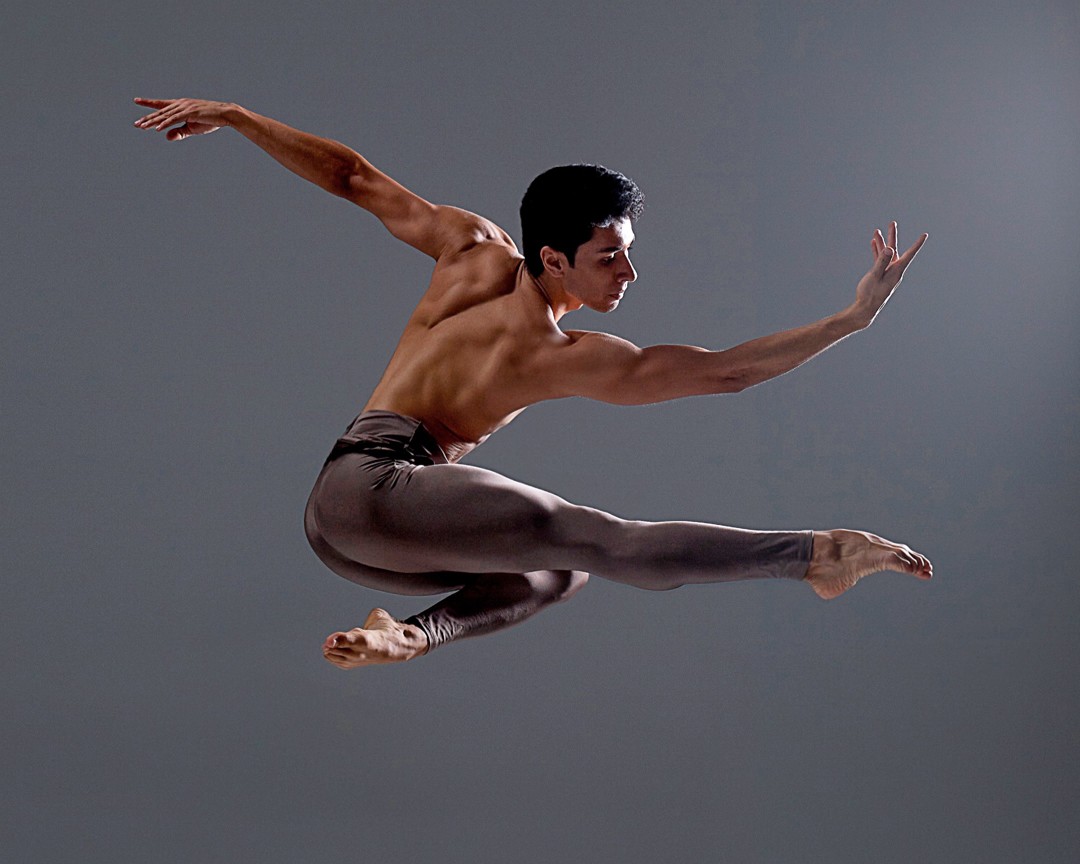
If you are a college ballet dancer, thinking about professional auditions can feel both exciting and scary. You spend years training, practicing, and improving your skills. But when it’s time to step into the professional world, things suddenly feel very real.
Auditions are your chance to show who you are as a dancer. But they are also competitive. Many talented dancers show up for the same opportunity, and it can feel overwhelming.
The good news is that with the right preparation and mindset, you can handle auditions with confidence. This guide will help you understand what to expect and how to give your best.
Understanding What Professional Auditions Are Like
Before going to an audition, it’s important to know what usually happens.
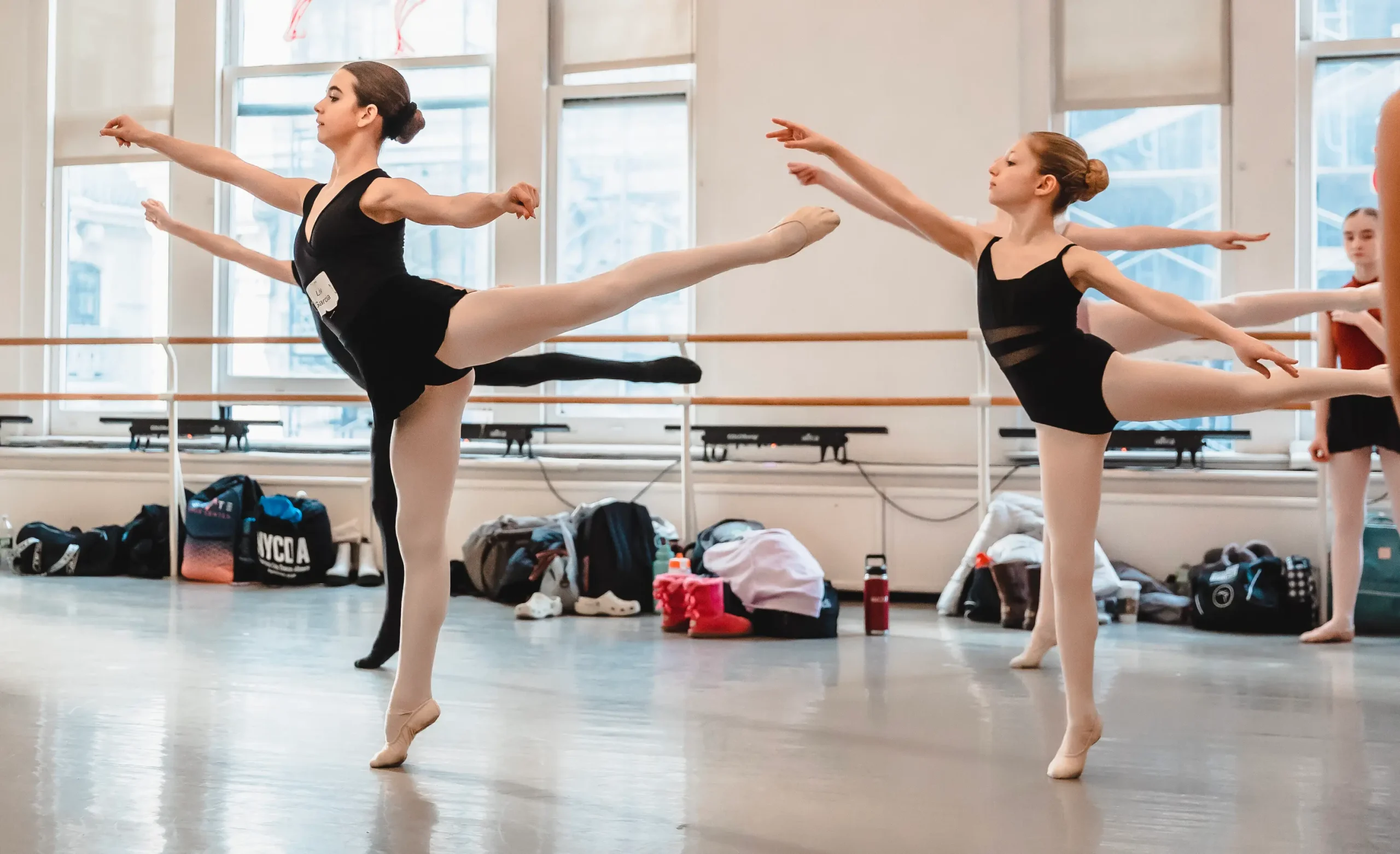
Most ballet auditions start with a class. This includes:
-
Barre work
-
Center exercises
-
Across-the-floor combinations
The judges or directors watch how you move, your technique, your musicality, and your attitude.
Sometimes there are multiple rounds. After each round, some dancers are asked to leave, and others move forward.
This can feel stressful, but remember — it’s a normal part of the process.
Start Preparing Early
Preparation is key. Don’t wait until the last moment.
Build strong technique
Work on your basics every day:
-
Clean lines
-
Balance
-
Control
-
Flexibility
These are the things directors look for first.
Take different classes
Try classes with different teachers. This helps you adapt quickly, which is very important in auditions.
Practice learning fast
In auditions, combinations are given quickly. Practice picking up choreography fast so you don’t feel lost.
Know What Companies Are Looking For
Every ballet company is different. Some prefer a classical style, while others like a more modern approach.
Before auditioning, do some research:
-
Watch their performances
-
Understand their style
-
Learn what kind of dancers they usually choose
This helps you adjust your performance and show that you fit their vision.
Prepare Your Materials
Many auditions require more than just dancing.
You may need:
-
A resume
-
Headshot
-
Dance photos
Keep it simple and clear
Your resume should include:
-
Training background
-
Performances
-
Special skills
Your photos should look professional but natural. They should show your personality, not just your technique.
What to Wear to an Audition
Your outfit matters because it creates your first impression.
Keep it clean and simple
-
Leotard in a solid color
-
Tights that fit well
-
Proper ballet shoes or pointe shoes
Avoid anything too flashy. Directors want to see your lines clearly.
Look polished
-
Hair neat and secure
-
Minimal makeup
-
No distractions
A clean and professional look shows that you are serious.
Managing Nerves and Stress
Feeling nervous is normal. Almost every dancer feels it.
Stay calm
Take deep breaths before and during the audition.
Focus on yourself
Don’t compare yourself to others in the room. There will always be strong dancers around you.
Think positive
Instead of thinking “What if I fail?”, think “This is my chance to grow.”
Show More Than Just Technique
Technique is important, but it’s not everything.
Directors also look for:
-
Musicality
-
Expression
-
Confidence
-
Stage presence
Even in a simple exercise, show that you feel the movement. Don’t just do the steps — perform them.
Be Quick to Adapt
In auditions, things move fast.
-
Combinations may change
-
Corrections may be given quickly
-
Different styles may be asked
Stay alert and flexible. If you make a mistake, don’t stop. Keep going and stay confident.
Directors often care more about how you recover than the mistake itself.
Be Professional at All Times
Your behavior matters as much as your dancing.
Be respectful
-
Listen carefully
-
Follow instructions
-
Be polite to everyone
Be on time
Arrive early so you are not rushed.
Stay focused
Avoid distractions like your phone during the audition.
Being professional shows that you are ready for a company environment.
Handling Rejection
Not getting selected can feel disappointing. But rejection is a normal part of a dancer’s journey.
Even very successful dancers face rejection many times.
Don’t take it personally
Sometimes it’s not about your talent. The company may be looking for a specific look or style.
Learn from each experience
Every audition teaches you something:
-
What you did well
-
What you can improve
Use this to grow stronger.
Building Confidence Over Time
Confidence doesn’t come overnight. It builds with experience.
Keep auditioning
The more auditions you attend, the more comfortable you become.
Trust your training
Remember all the hard work you’ve put in.
Celebrate small wins
Even getting through a round or feeling more confident is progress.
Taking Care of Your Body
Your body is your main tool, so take care of it.
-
Get enough rest
-
Eat properly
-
Warm up before dancing
-
Stretch after
Avoid pushing too hard right before an audition. Stay healthy and strong.
Networking and Making Connections
Auditions are also a chance to meet people.
-
Talk to other dancers
-
Be friendly and respectful
-
Stay in touch with teachers and mentors
Sometimes opportunities come from connections, not just auditions.
Final Thoughts
Professional auditions can feel intense, but they are also a big step forward in your dance journey.
Remember:
-
Prepare well
-
Stay calm
-
Be yourself
-
Keep learning
Not every audition will lead to a job, and that’s okay. Each one brings you closer to your goal.
The most important thing is to keep going, stay dedicated, and believe in your path.
With time, effort, and patience, you will find the right opportunity for you.
Read Also: Keep your face towards the sunshine and shadows will fall behind you
Watch Also: https://www.youtube.com/@TravelsofTheWorld24



Leave a Reply