
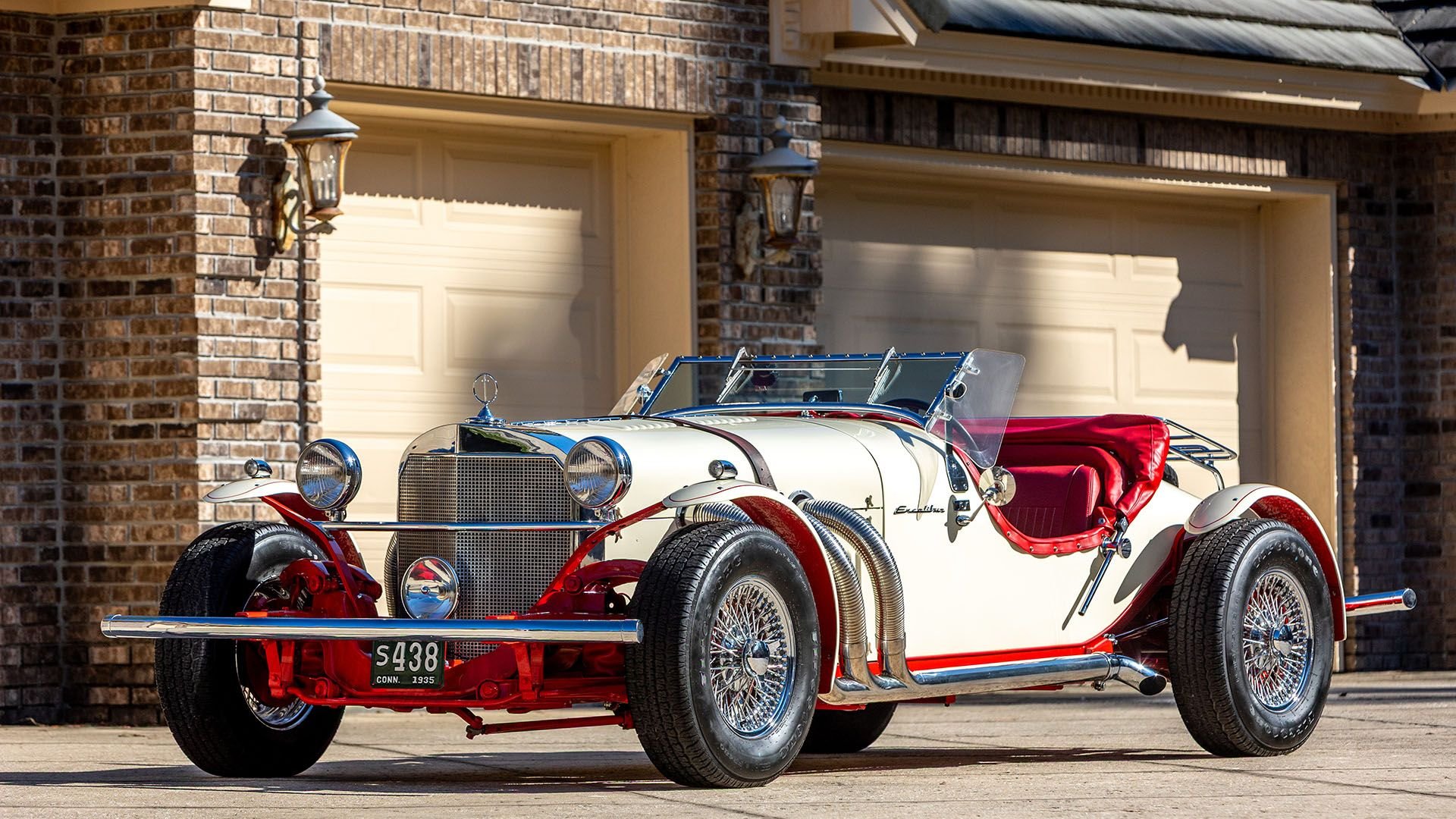
The United States has always had a deep connection with cars. From the early days of mass production to the modern era of electric vehicles, American car culture has shaped not only transportation but also lifestyle, identity, and design. Among the many styles that have appeared throughout automotive history, neoclassic cars hold a special place. These vehicles combine the elegance of classic automobiles from the early 20th century with modern engineering and reliability.
In recent years, interest in American neoclassic cars has been rising again. Collectors, designers, and small manufacturers are bringing this unique style back to life. The revival reflects a growing appreciation for heritage, craftsmanship, and individuality in a world where many cars look and feel the same. This movement can be described as a rebirth of American neoclassic cars, blending nostalgia with modern innovation.
What Are Neoclassic Cars?


Neoclassic cars are automobiles designed to look like luxury cars from the 1920s and 1930s, but they are built using modern mechanical systems. The idea is simple: keep the beauty and charm of classic cars while removing the mechanical problems that older vehicles often have.
These cars usually include several distinctive design elements:
-
Long hoods and extended fenders
-
Exposed spare tires mounted on the sides
-
Large chrome grilles
-
Luxury interiors with leather and wood
-
Convertible tops in many models
Unlike restored vintage cars, neoclassic vehicles are newly built or modified with modern engines, brakes, and safety features. This makes them easier to drive while still offering a vintage appearance.
The movement gained popularity in the United States during the 1960s through the 1980s, when small specialty manufacturers began building luxury cars inspired by the classic era of American automobiles.
The Golden Era of American Neoclassic Cars


The modern neoclassic car movement really started in the 1960s and quickly grew into a small but fascinating niche in the automotive world.
One of the most famous examples is the Excalibur Series I, introduced by the company Excalibur Automobile Corporation. Designed by Brooks Stevens, the car was inspired by a 1928 Mercedes roadster but built with modern mechanical components from General Motors. It combined vintage style with powerful V8 engines, making it both beautiful and fast.
Another well-known car from the neoclassic era was the Zimmer Golden Spirit, produced by Zimmer Motorcars Corporation. This vehicle was based on the chassis of the Ford Mustang but had a dramatically longer hood, luxurious interior, and classic design features.
There was also the Clenet Series I, built by Clenet Coachworks. The car offered hand-built craftsmanship and elegant styling inspired by pre-war European luxury vehicles.
These companies created automobiles that felt like rolling works of art. Although production numbers were small, the cars gained attention from celebrities, collectors, and luxury buyers.
Why Neoclassic Cars Became Popular
There are several reasons why neoclassic cars captured the imagination of American buyers.
1. Nostalgia for the Golden Age of Automobiles
The 1920s and 1930s are often seen as the golden age of automotive design. Cars from that era were elegant, dramatic, and highly detailed. Neoclassic vehicles allowed people to enjoy that style without owning fragile antiques.
2. Exclusivity
Unlike mass-produced vehicles, neoclassic cars were built in very small numbers. Some models had production runs of only a few hundred units. This exclusivity made them attractive to wealthy buyers who wanted something unique.
3. Luxury Craftsmanship
Many neoclassic vehicles were partly hand-built. Interiors often included premium leather, polished wood dashboards, and custom details that were rare in regular production cars.
4. Modern Performance
Because these cars used modern engines and components, they were far easier to drive than genuine vintage cars. Owners could enjoy the style of the past while benefiting from modern reliability.
Decline of the Neoclassic Movement
By the late 1980s and early 1990s, the popularity of neoclassic cars started to fade. Several factors contributed to this decline.
First, changing consumer tastes began favoring more modern and aerodynamic car designs. The bold chrome and exaggerated shapes of neoclassic vehicles began to look outdated.
Second, stricter safety and emissions regulations made it more difficult for small manufacturers to produce low-volume specialty cars.
Third, many neoclassic cars were extremely expensive to build. Hand-crafted components and limited production numbers increased manufacturing costs.
As a result, many companies involved in the neoclassic market eventually closed or shifted to other automotive projects.
A New Revival in the 21st Century
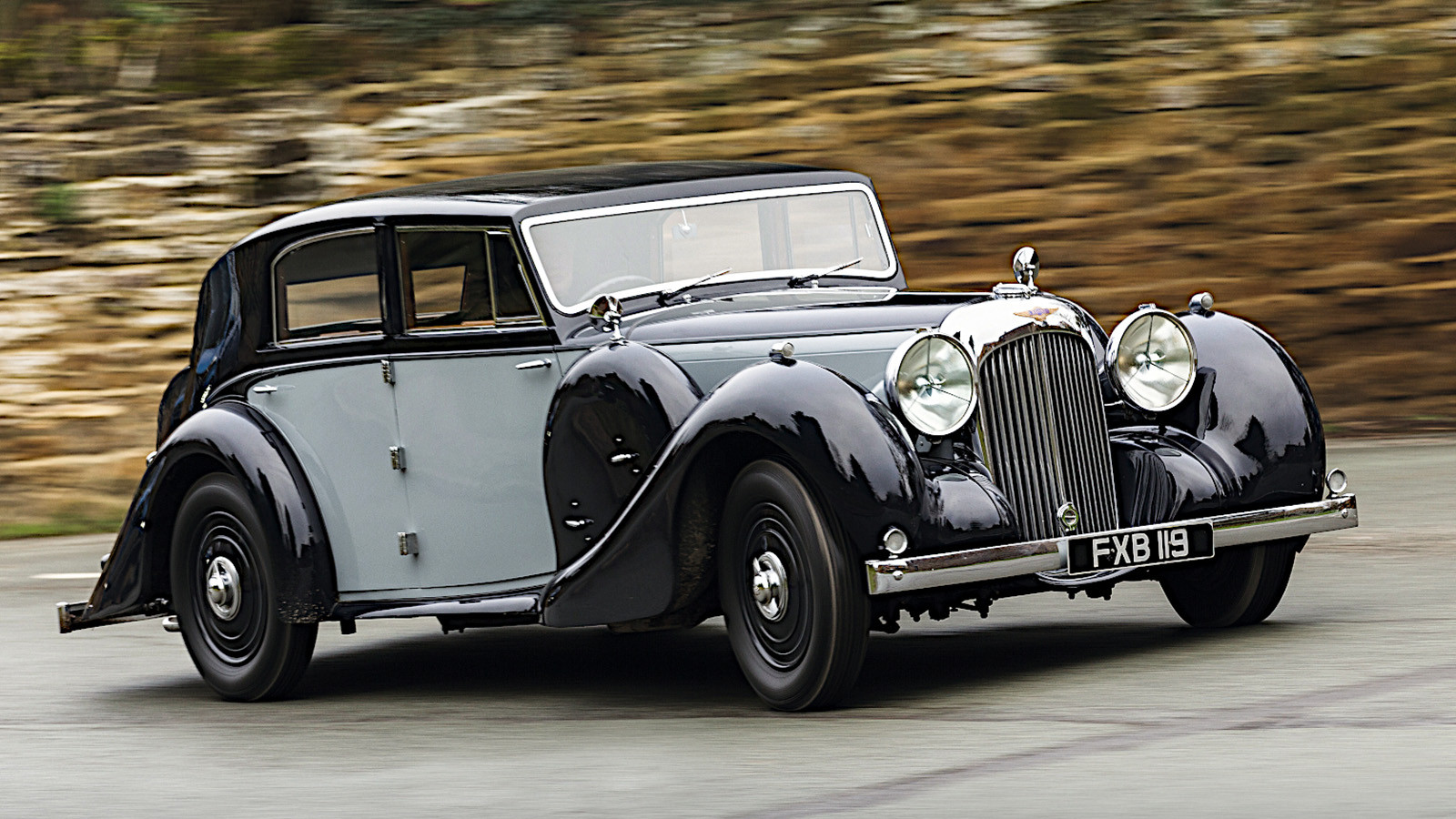
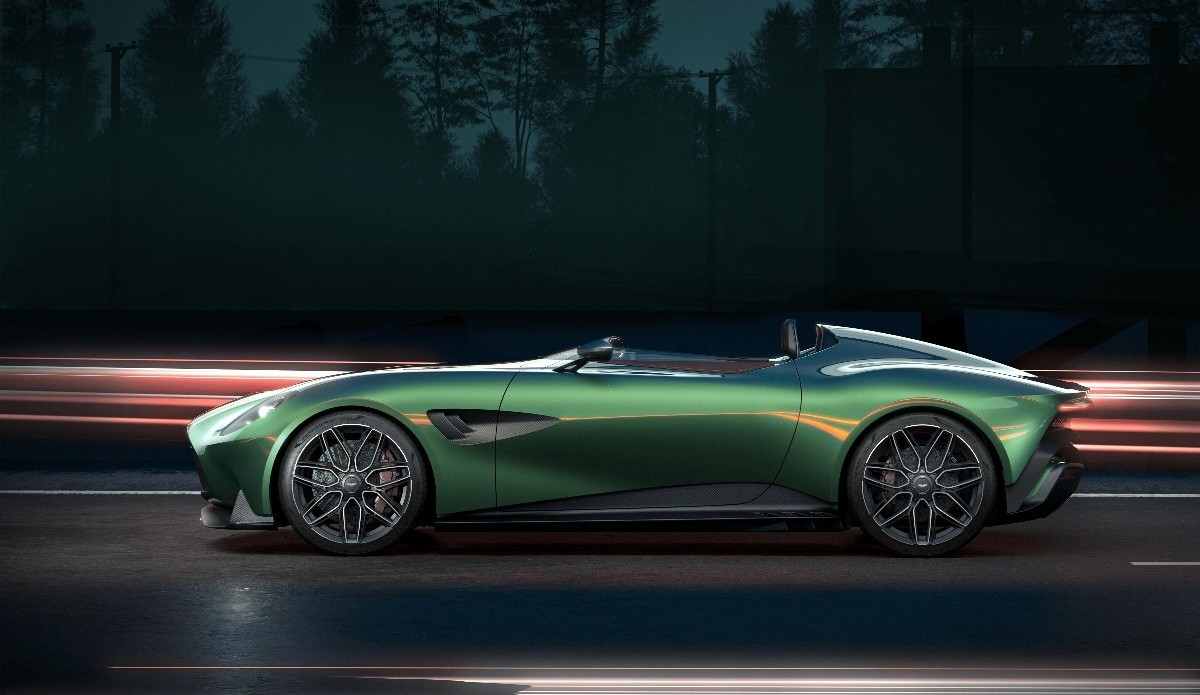
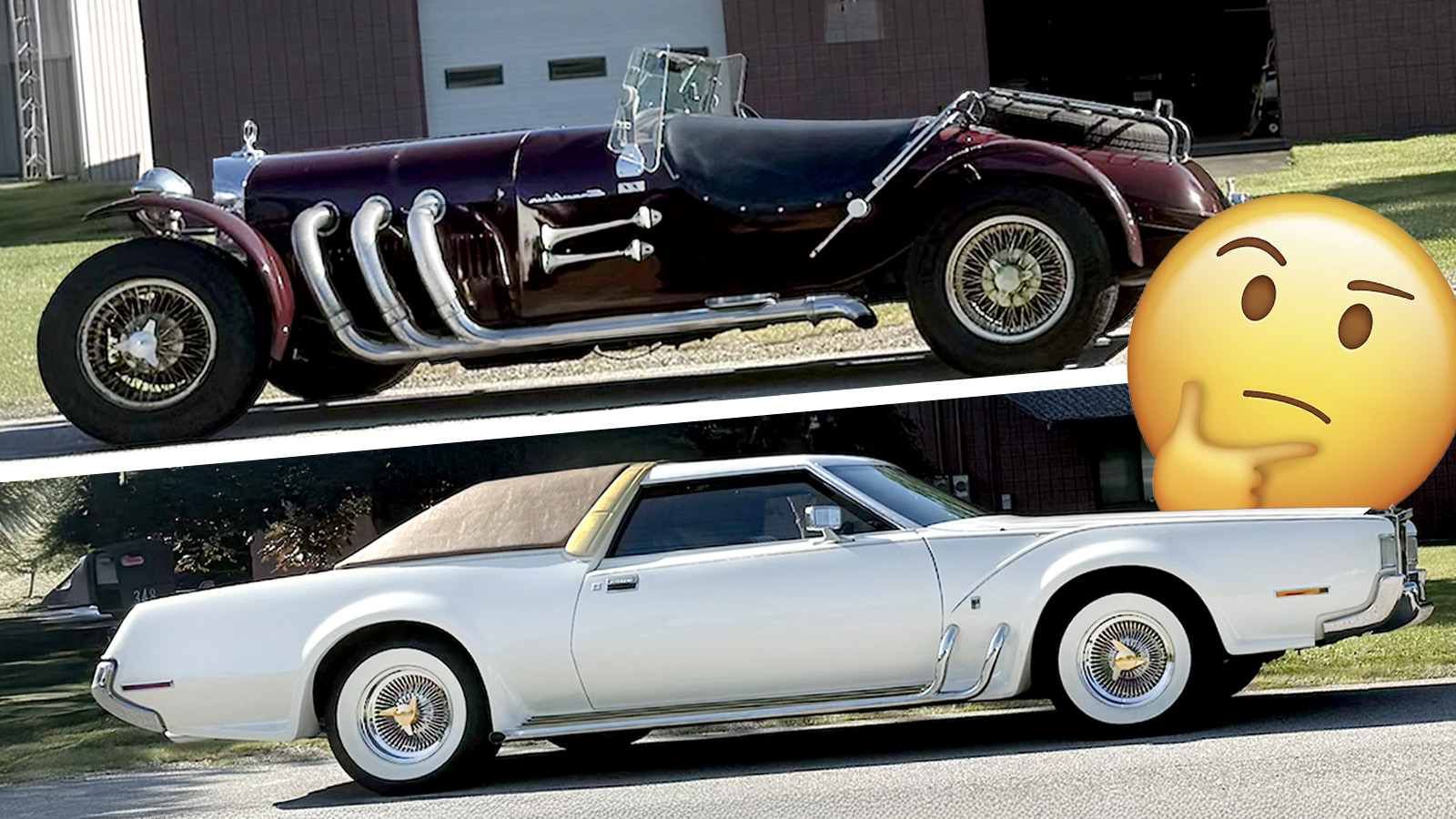
Although the original neoclassic movement slowed down, interest in these cars has returned in recent years. Collectors, enthusiasts, and custom builders are rediscovering the appeal of retro luxury vehicles.
Several factors are driving this renewed interest.
Growing Classic Car Culture
Classic car collecting has become more popular worldwide. As collectors search for unique vehicles, neoclassic cars have gained attention because they combine vintage looks with easier maintenance.
Custom Coachbuilding
Modern coachbuilders are creating bespoke cars inspired by historic designs. These vehicles often feature advanced technology hidden beneath classic bodywork.
Social Media and Online Communities
Online communities and car shows have helped introduce neoclassic vehicles to younger audiences. Many enthusiasts are discovering these cars for the first time through digital platforms.
The Desire for Unique Cars
Today’s automotive market is filled with vehicles that often look very similar. Neoclassic cars offer a refreshing alternative with bold styling and individuality.
Modern Companies Reviving the Style
While traditional neoclassic manufacturers are mostly gone, several modern builders and designers are exploring retro-inspired luxury vehicles.
Some companies specialize in custom coachbuilt cars, creating one-of-a-kind automobiles that combine classic styling with modern platforms. These projects often start with modern vehicles from major automakers and transform them into retro-inspired designs.
Major manufacturers themselves are also experimenting with retro styling. Brands sometimes introduce concept cars or limited models that pay tribute to historic vehicles.
This trend shows how powerful nostalgia remains in automotive design.
The Appeal of Neoclassic Cars Today
Even decades after their first appearance, neoclassic cars continue to attract attention at car shows and collector auctions.
Artistic Design
Many enthusiasts see these vehicles as works of art. The long hoods, flowing fenders, and chrome details create a visual drama that modern cars rarely achieve.
Conversation Starters
Driving a neoclassic car is guaranteed to attract attention. These vehicles stand out wherever they go, making them perfect for collectors who enjoy showcasing their cars.
Easier Ownership Compared to Vintage Cars
Because most neoclassic vehicles use relatively modern engines and components, they can be easier to maintain than genuine pre-war classics.
Cultural Heritage
Neoclassic cars celebrate the design language of early automotive history. They help keep the spirit of classic motoring alive for new generations.
Challenges Facing the Revival
Despite growing interest, the revival of neoclassic cars faces several challenges.
Cost
Building a car with handcrafted details is expensive. Custom projects can cost hundreds of thousands of dollars.
Regulations
Modern safety and environmental regulations make it difficult for small manufacturers to produce new cars in large numbers.
Market Size
The audience for neoclassic vehicles remains relatively small compared to mainstream automotive markets.
Even so, the passion of collectors and designers continues to keep the movement alive.
Neoclassic Cars in Popular Culture
Neoclassic cars have also appeared in movies, television shows, and celebrity collections. Their dramatic appearance makes them perfect for visual storytelling.
Many entertainers and collectors in the 1970s and 1980s purchased neoclassic vehicles as luxury statement pieces. These cars symbolized wealth, creativity, and appreciation for classic design.
Today, they often appear at vintage car events and concours exhibitions, where they attract curiosity from audiences who may have never seen them before.
The Future of American Neoclassic Cars
Looking ahead, the future of neoclassic cars may take several interesting directions.
Electric vehicle technology could make it easier to build retro-styled cars without relying on traditional engines. This approach could combine vintage design with sustainable technology.
Advanced manufacturing methods, including digital design and modern fabrication tools, may also reduce the cost of creating small-volume specialty vehicles.
At the same time, collectors will likely continue restoring and preserving original neoclassic cars from the 1960s through the 1980s.
These vehicles represent an important chapter in American automotive creativity.
Conclusion
American neoclassic cars represent a fascinating blend of past and present. Inspired by the elegance of early automotive design, these vehicles recreate the beauty of the 1920s and 1930s while offering the reliability of modern engineering.
From the iconic Excalibur Series I to the luxurious Zimmer Golden Spirit, the neoclassic movement produced some of the most distinctive automobiles ever built in the United States.
Although the market for these cars has always been small, their influence remains significant. They remind us that automobiles can be more than transportation—they can also be expressions of art, history, and personal identity.
As interest in heritage design continues to grow, American neoclassic cars may once again find a place on modern roads. Their rebirth shows that sometimes the future of automotive design can be found by looking back at the past.
Read Also: Keep your face towards the sunshine and shadows will fall behind you
Watch Also: https://www.youtube.com/@TravelsofTheWorld24





Leave a Reply