
Introduction
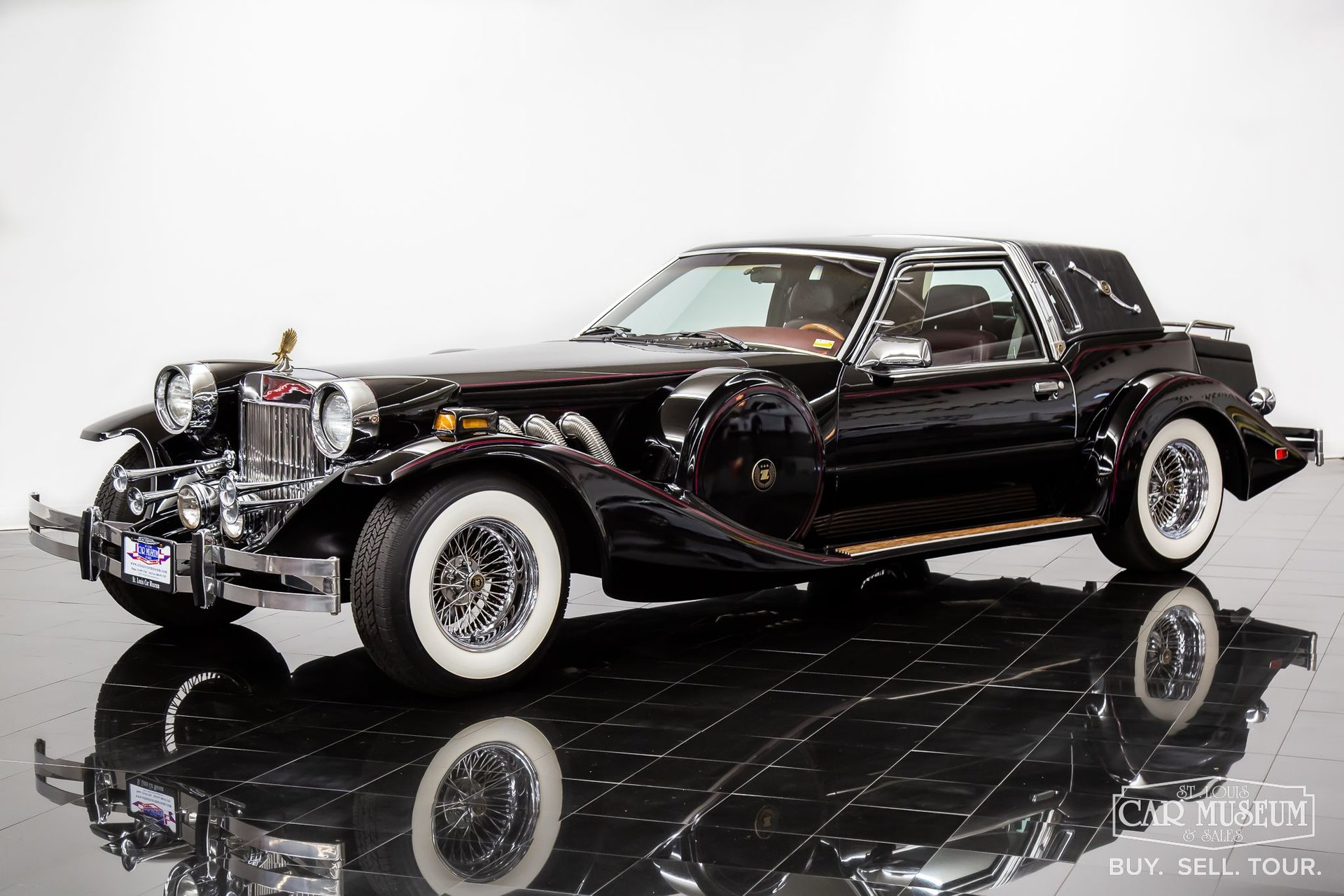
American neoclassic cars represent a unique and fascinating chapter in the history of the automobile industry. These vehicles are modern cars designed to look like luxury automobiles from the 1920s and 1930s. They combine vintage styling with modern technology, offering drivers the beauty of classic design along with the comfort and reliability of newer vehicles.
The neoclassic car movement began in the United States during the 1960s and 1970s. At that time, many car enthusiasts admired the elegance of pre-World War II luxury vehicles built by legendary brands such as Duesenberg, Packard, and Rolls-Royce Motor Cars. These classic cars were famous for their long hoods, large chrome grilles, sweeping fenders, and luxurious interiors.
However, original vintage cars were expensive and difficult to maintain. To solve this problem, several American companies began building new cars that captured the style of these classics while using modern engines, chassis, and mechanical systems. These cars became known as American neoclassic cars.
The Origins of the Neoclassic Car Movement
The neoclassic movement started when car designers and entrepreneurs realized that many people loved the elegant appearance of pre-war luxury cars. At the same time, drivers also wanted modern reliability, safety, and comfort.
During the 1970s, the United States experienced a wave of nostalgia for earlier decades. Classic fashion, music, and design styles became popular again. The automotive world followed the same trend, and small companies began producing vehicles inspired by the golden age of luxury automobiles.
One of the earliest companies to explore this idea was Zimmer Motorcars Corporation. The company created luxury vehicles that looked like cars from the 1930s but used modern mechanical components. Their cars were often built on existing American platforms and then redesigned with vintage-style bodywork.
This approach allowed manufacturers to create unique vehicles without needing to design an entirely new automotive platform.
Famous American Neoclassic Car Manufacturers
Several companies played an important role in the development of American neoclassic cars. Although most of these companies were small and produced vehicles in limited numbers, they created some truly memorable designs.
Zimmer Motorcars
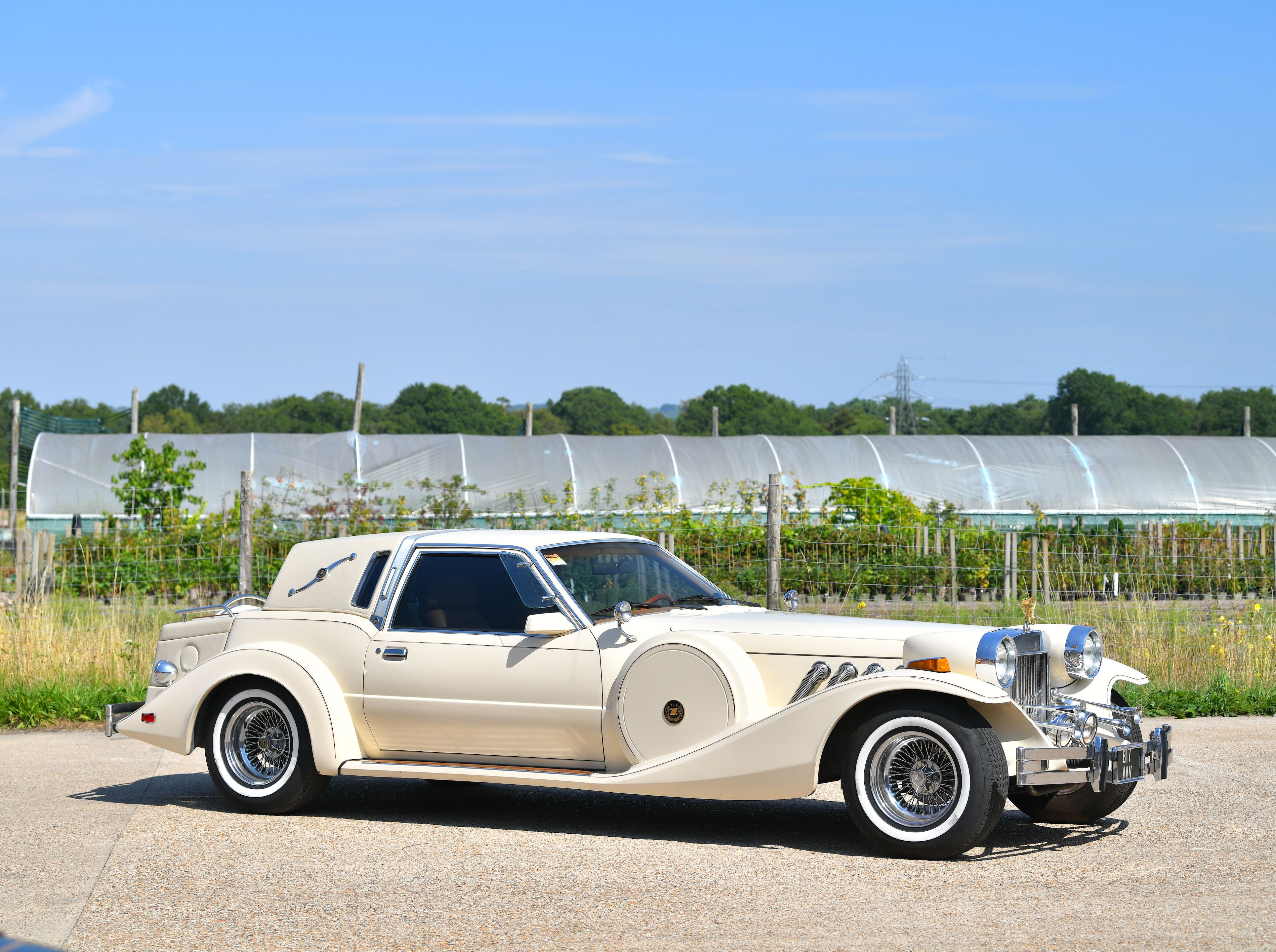
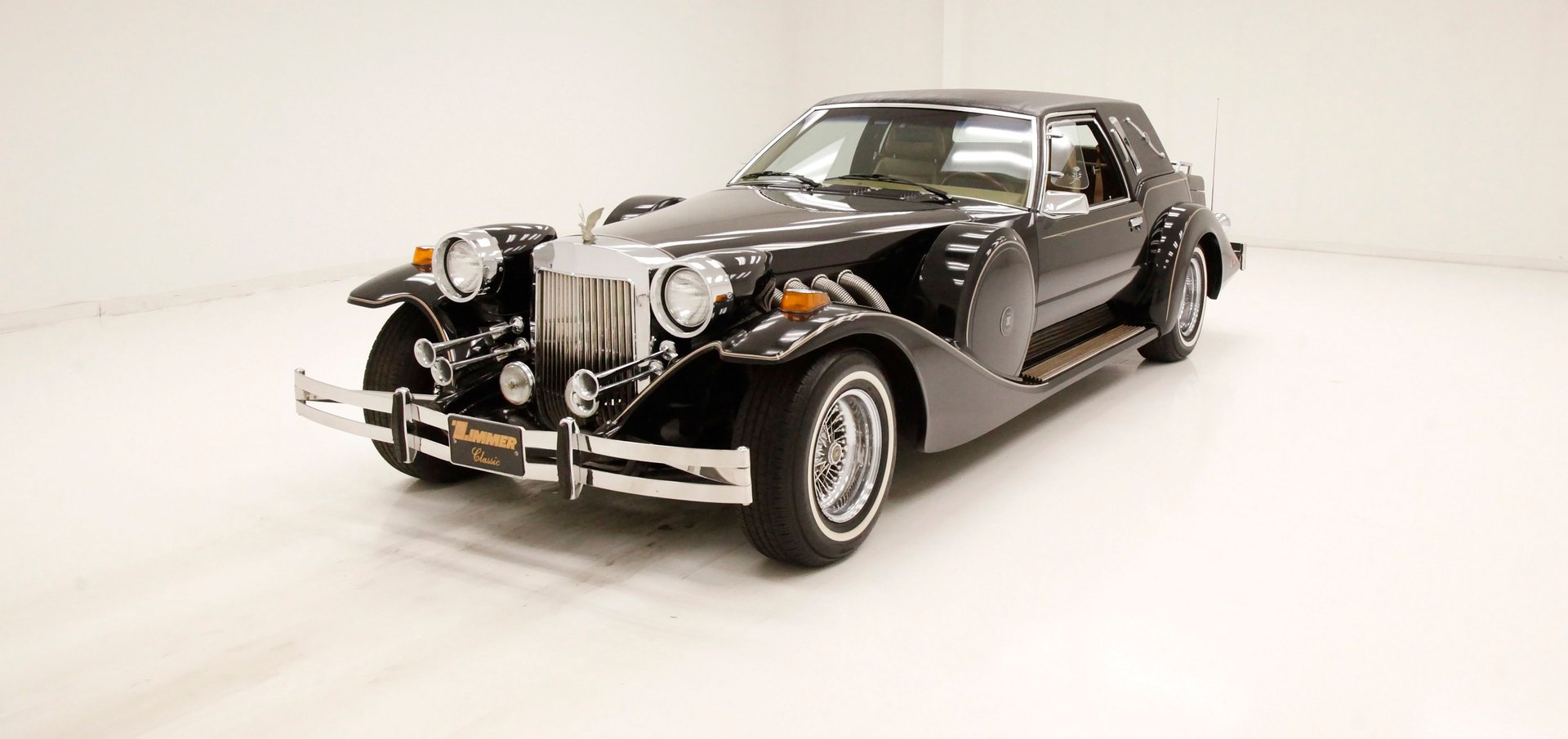
Zimmer Motorcars Corporation became one of the most famous names in the neoclassic car world. The company was founded in the late 1970s and produced vehicles that strongly resembled luxury cars from the 1930s.
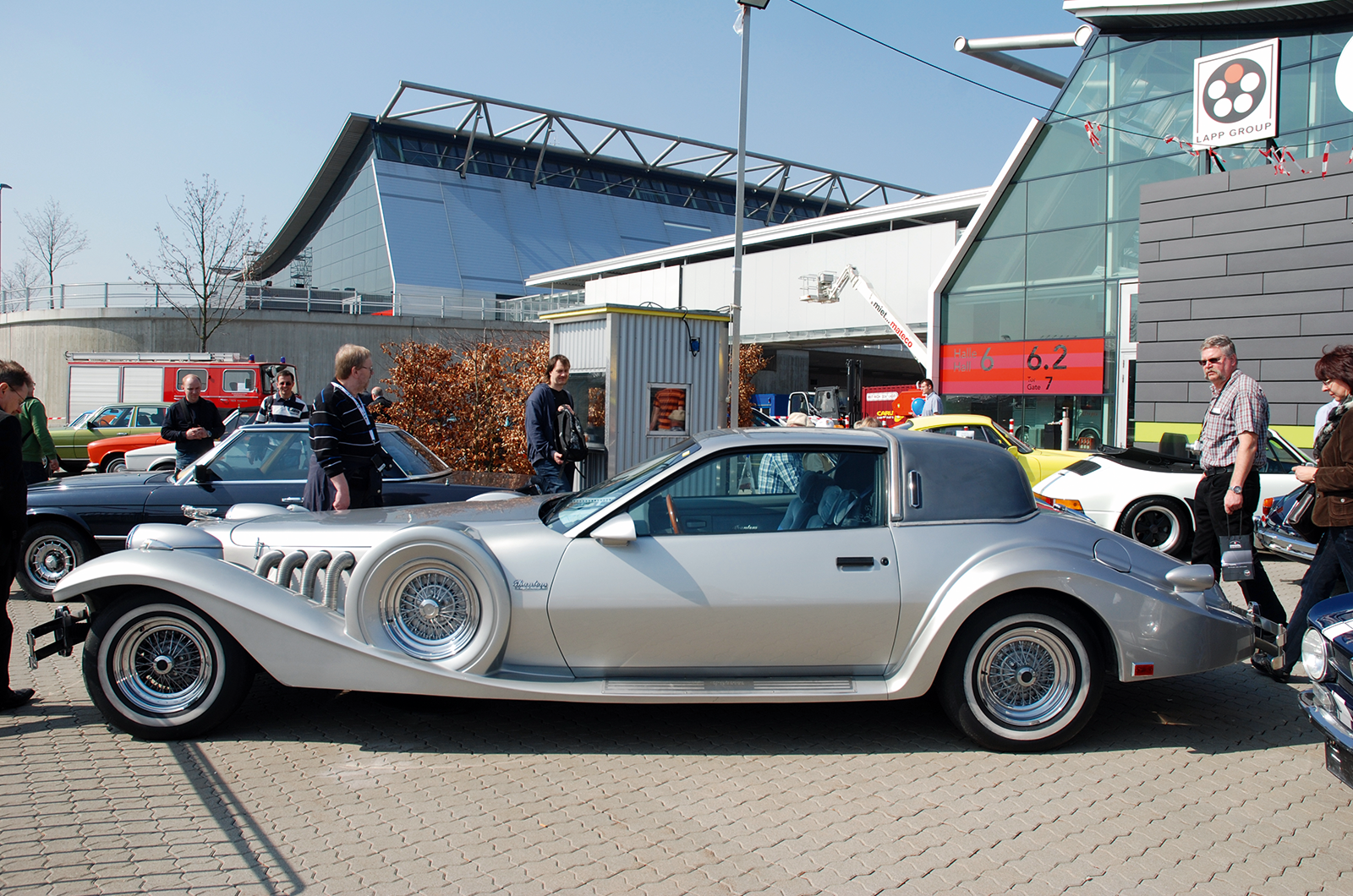
One of its most famous models was the Zimmer Golden Spirit. This car featured an extremely long hood, exposed side exhaust pipes, and a classic spare wheel mounted on the side. The interior was filled with high-end materials such as leather, wood trim, and plush carpeting.
Although the Golden Spirit looked like a vintage automobile, it was built using modern mechanical parts from American vehicles, making it much easier to maintain.
Clenet Coachworks

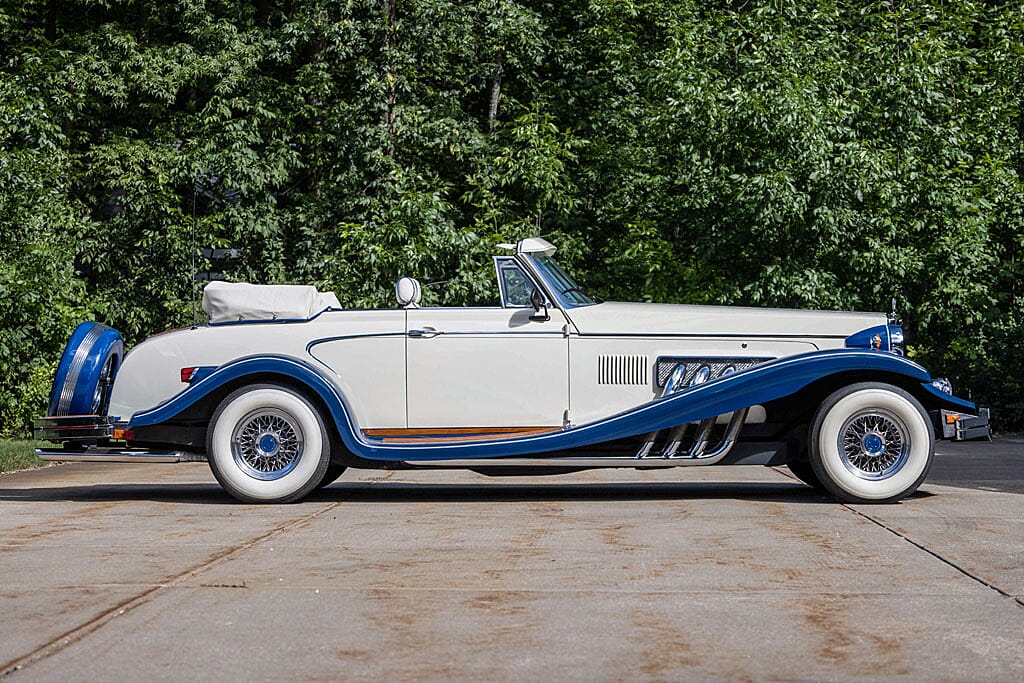
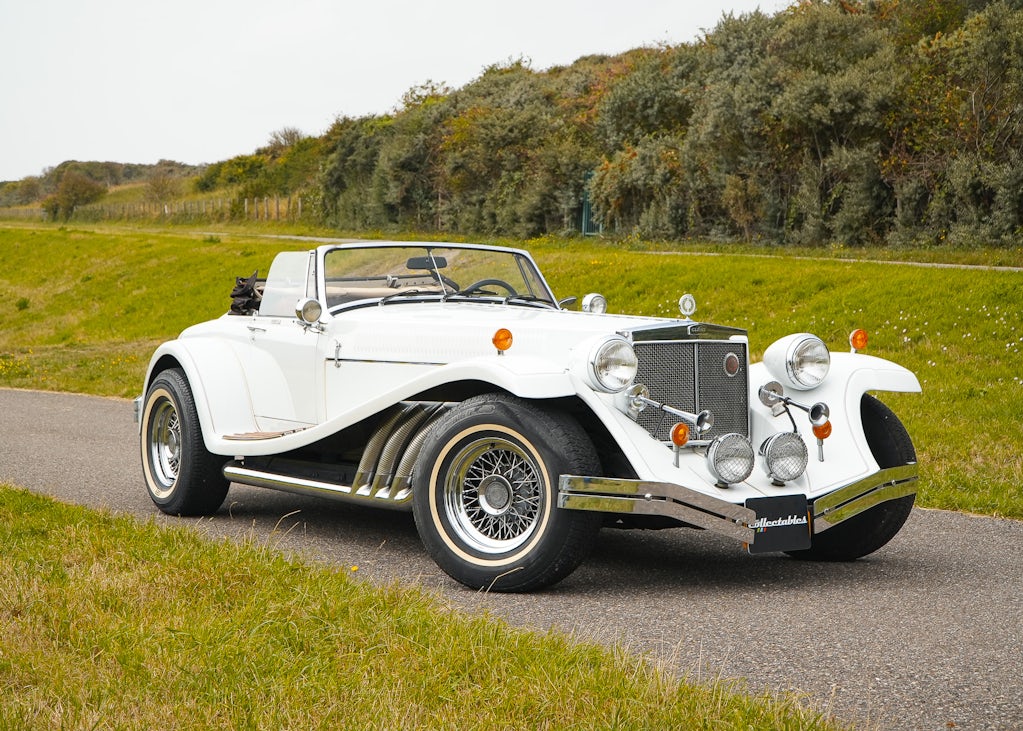
Another important company in the neoclassic movement was Clenet Coachworks. Founded by French designer Alain Clenet, the company focused on creating extremely luxurious automobiles inspired by pre-war European cars.
The Clenet Series I became especially popular among wealthy buyers and celebrities. These cars were built with handcrafted bodies, luxurious interiors, and elegant styling.
Each Clenet car was produced in small numbers, making them rare and highly collectible today.
Excalibur Automobile Corporation

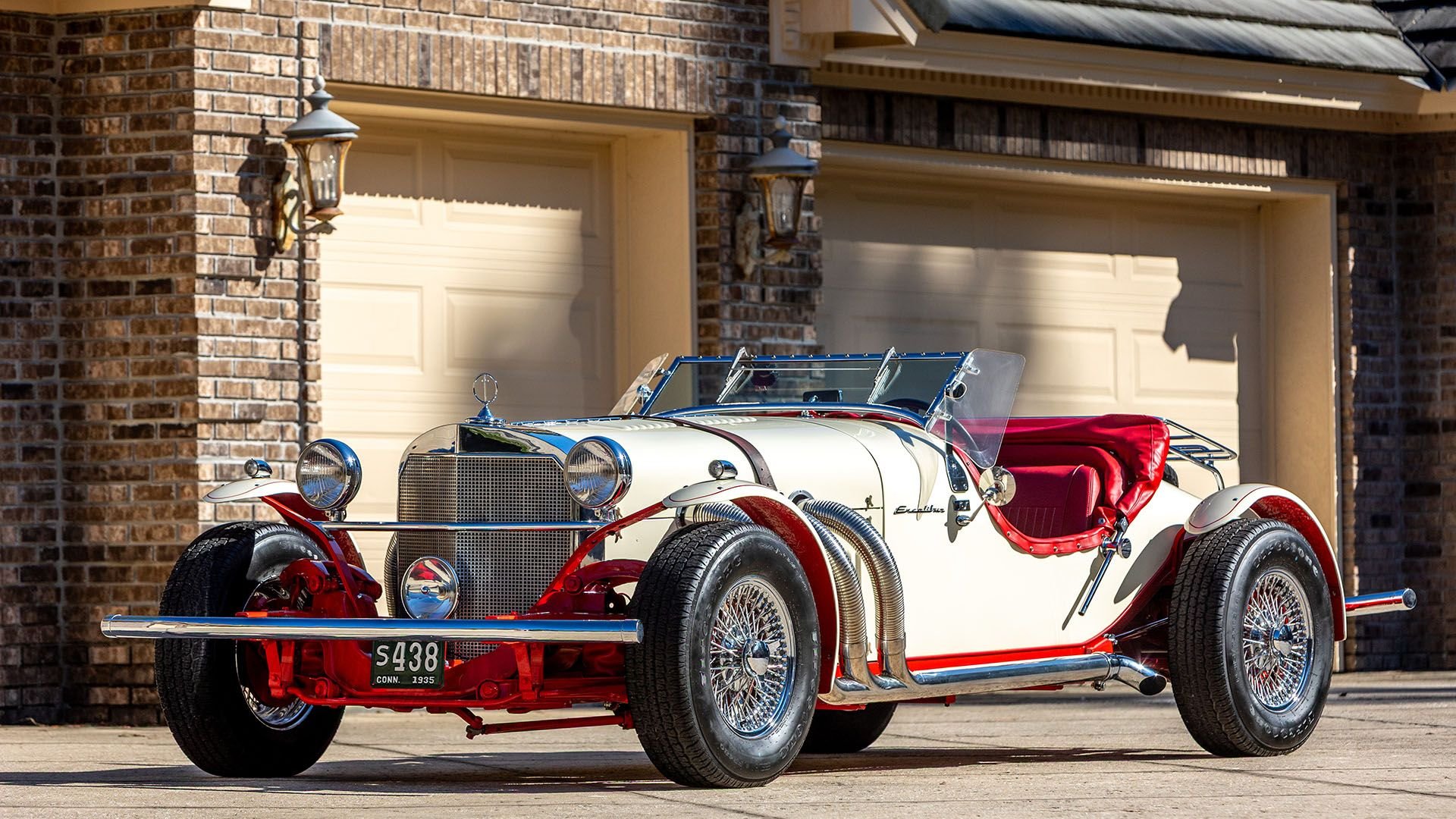
Excalibur Automobile Corporation was another key player in the neoclassic car movement. The company produced roadsters that were inspired by the legendary Mercedes-Benz SSK.
Excalibur vehicles featured open-top designs, exposed headlights, and classic chrome detailing. However, under the hood they used powerful modern engines that delivered impressive performance.
The combination of vintage design and modern power made Excalibur cars popular among collectors and enthusiasts who wanted a unique driving experience.
Design Characteristics of Neoclassic Cars
American neoclassic cars share several design features that make them easily recognizable. These elements are inspired by luxury automobiles from the early 20th century.
Long Hoods and Large Grilles
One of the most noticeable features of neoclassic cars is the extremely long hood. This design reflects the style of pre-war luxury vehicles that housed large engines.
Large chrome grilles are also common. These grilles often dominate the front of the vehicle and give the car a strong and elegant appearance.
Exposed Spare Wheels
Many neoclassic cars include spare wheels mounted on the side of the vehicle. This design element was popular in luxury cars during the 1920s and 1930s.
Chrome and Decorative Details
Chrome trim, decorative hood ornaments, and polished metal accents are key parts of neoclassic styling. These features help create a luxurious and vintage look.
Luxurious Interiors
Inside the cabin, neoclassic cars often feature leather seats, wood dashboards, thick carpeting, and detailed craftsmanship. The goal is to recreate the luxury experience of classic automobiles.
Why Neoclassic Cars Became Popular
There are several reasons why American neoclassic cars attracted attention during the late 20th century.
Nostalgia
Many car enthusiasts love the beauty and elegance of vintage automobiles. Neoclassic cars allow drivers to experience that style without owning a fragile antique vehicle.

Exclusivity
Most neoclassic cars were produced in small numbers. This made them rare and unique compared to mass-produced vehicles.
Modern Convenience
Although they look like cars from the 1930s, neoclassic vehicles often include modern engines, automatic transmissions, air conditioning, and other comfort features.
This combination of classic style and modern convenience made them appealing to collectors and luxury buyers.
Challenges Faced by Neoclassic Car Companies
Despite their unique appeal, many neoclassic car manufacturers struggled to survive.
These companies were usually small and had limited production capacity. Building handcrafted luxury cars was expensive, and the market for such vehicles was relatively small.
Economic changes during the 1980s also affected the luxury car market. Some companies faced financial difficulties and eventually closed.
For example, several neoclassic manufacturers stopped production as demand declined and operating costs increased.
Collectability and Modern Interest
Today, American neoclassic cars are considered collectible vehicles. Enthusiasts appreciate them for their unusual design and historical significance.
Many collectors enjoy displaying these cars at classic car shows and automotive exhibitions. Their dramatic styling often attracts attention and curiosity from people who may not have seen such vehicles before.
Some restored neoclassic cars can sell for significant prices depending on their rarity, condition, and history.
Automotive museums and collectors also preserve these vehicles as examples of a creative period in American automotive design.
Influence on Modern Automotive Design
Although the neoclassic movement was relatively short-lived, it influenced the way designers think about combining past and present.
Modern car companies sometimes create vehicles that include retro design elements inspired by classic models. Examples include modern interpretations of classic sports cars and muscle cars.
While these vehicles are not true neoclassic cars, they show how automotive design often looks to the past for inspiration.
Conclusion
American neoclassic cars represent a fascinating blend of history, creativity, and craftsmanship. By combining vintage styling with modern technology, these vehicles allowed drivers to experience the elegance of early luxury automobiles without sacrificing modern comfort and reliability.
Companies such as Zimmer Motorcars Corporation, Clenet Coachworks, and Excalibur Automobile Corporation helped bring this unique automotive style to life.
Although the neoclassic car movement was relatively small, it left a lasting impression on automotive history. Today, these distinctive vehicles continue to attract collectors and enthusiasts who appreciate their combination of classic beauty and modern engineering.
In many ways, American neoclassic cars celebrate the timeless appeal of luxury automobiles from the past while proving that great design can always find a way to return in new and exciting forms.
Read Also: Keep your face towards the sunshine and shadows will fall behind you
Watch Also: https://www.youtube.com/@TravelsofTheWorld24






Leave a Reply