
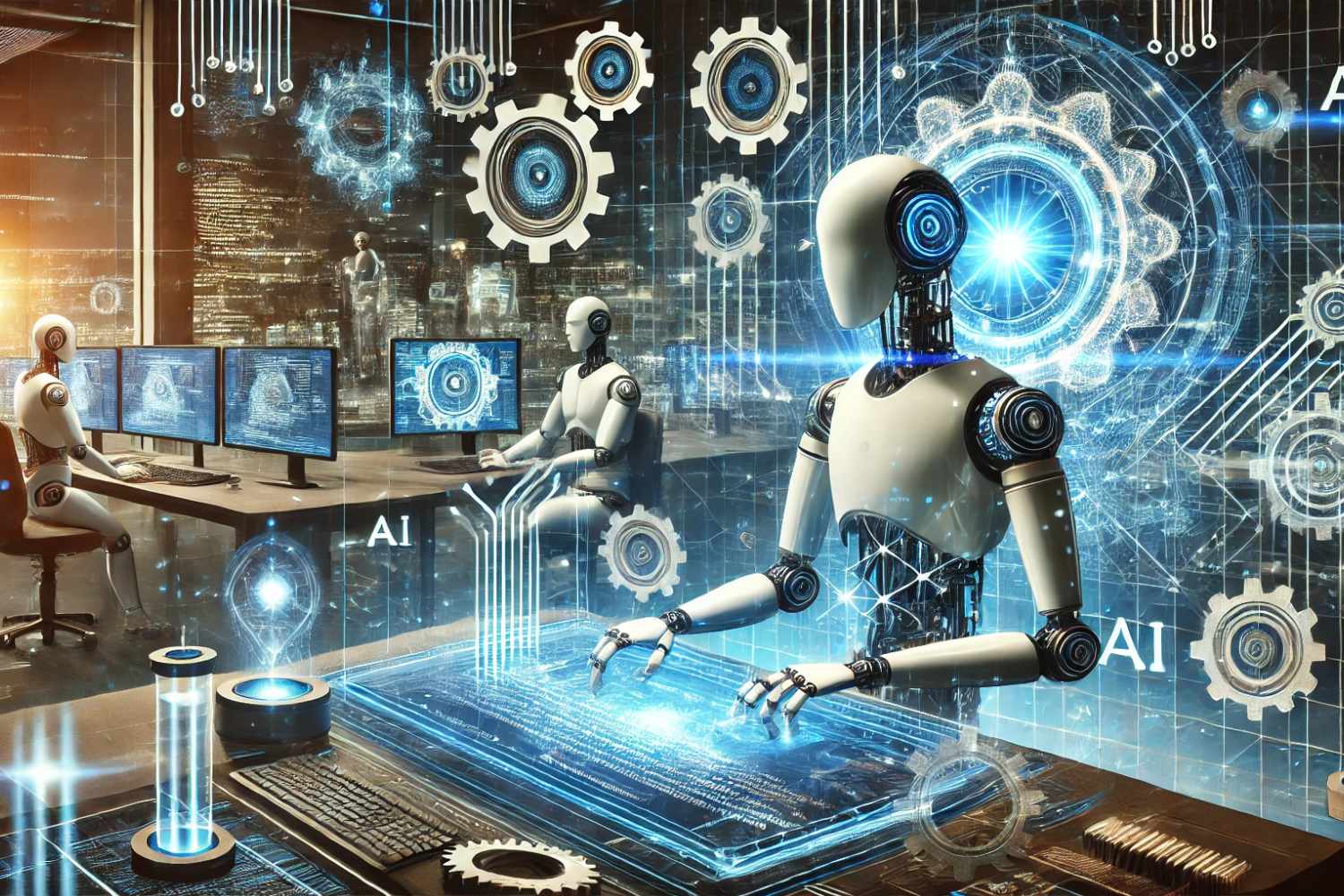
The world of software engineering is changing quickly. One of the biggest reasons for this change is the rise of Artificial Intelligence (AI). AI is no longer just a research topic or futuristic idea. Today, it is becoming an important part of the tools developers use every day.
AI-powered development tools are transforming the way software is built, tested, and maintained. Tasks that once required hours of manual effort can now be completed much faster with the help of intelligent systems. Developers can write code more efficiently, detect bugs earlier, and automate many repetitive processes.
Because of these improvements, software engineering is entering a new era. AI tools are helping teams build better applications, reduce errors, and bring new products to market faster than ever before. In this article, we will explore how AI-powered development tools are shaping the future of software engineering, how they are used in real projects, and why they are becoming essential in modern development.
What Are AI-Powered Development Tools?
AI-powered development tools are software tools that use artificial intelligence technologies such as machine learning, natural language processing, and data analysis to improve the software development process.
These tools assist developers in many ways. They can automatically generate code suggestions, analyze large codebases, identify potential bugs, and recommend improvements. Instead of manually reviewing thousands of lines of code, developers can rely on AI tools to detect problems quickly.
AI tools can also learn from past coding patterns and developer behavior. This means the more they are used, the better they become at helping developers write efficient and clean code.
For example, if a developer is writing a function, an AI tool might automatically suggest the next few lines of code based on what it has learned from similar projects.
Why AI Is Transforming Software Development
There are several reasons why AI is having such a big impact on software engineering.
Increased Productivity
One of the biggest advantages of AI tools is the ability to increase developer productivity. Writing code, reviewing it, and testing it manually can take a long time. AI tools automate many of these tasks, allowing developers to focus on more creative and complex work.
Faster Development Cycles
AI helps speed up the development process by generating code snippets, detecting errors quickly, and simplifying debugging. This allows teams to release updates and new products much faster.
Improved Code Quality
AI systems can analyze large datasets of code and identify patterns that lead to errors or inefficiencies. By highlighting these problems early, developers can fix them before they cause serious issues.
Better Decision Making
AI tools can analyze project data and provide insights about performance, security, and system architecture. This helps development teams make smarter technical decisions.
Key Applications of AI in Software Engineering
AI is being used in many parts of the software development lifecycle. Here are some of the most important areas where AI tools are making a difference.
1. Intelligent Code Generation
One of the most exciting applications of AI is automatic code generation. AI tools can generate code based on simple instructions from developers.
For example, a developer might describe a function in plain language, and the AI tool can generate the code needed to perform that function.
This technology saves time and helps developers quickly build prototypes or complete repetitive coding tasks.
Code generation tools are especially helpful for beginners who may not yet know the best way to structure their code.
2. Automated Code Review
Code review is an essential step in software development. It helps ensure that code follows best practices and does not contain errors.
However, manual code reviews can take a lot of time.
AI-powered tools can automatically analyze code and detect potential problems such as:
-
security vulnerabilities
-
inefficient algorithms
-
coding style issues
-
duplicated code
By identifying these issues early, developers can fix them before the software is deployed.
3. Bug Detection and Debugging
Finding bugs is one of the most time-consuming parts of software development. AI tools help by scanning code and identifying patterns that often lead to errors.
Some AI tools can even suggest possible fixes for the detected problems.
This reduces the time developers spend searching for bugs and improves the reliability of the final product.
4. Automated Testing
Testing ensures that software works correctly under different conditions. Traditionally, writing and running tests required significant effort.
AI tools can automatically generate test cases, simulate user behavior, and identify edge cases that developers may have missed.
This improves test coverage and helps teams detect problems earlier in the development cycle.
5. Predictive Maintenance
Once software is deployed, it still needs regular updates and maintenance. AI tools can monitor application performance and predict potential failures before they occur.
For example, an AI system may analyze system logs and identify unusual patterns that indicate a possible future crash.
This allows developers to fix issues before they affect users.
6. DevOps Automation
AI is also playing a role in DevOps, the practice of combining software development with IT operations.
AI tools can automate tasks such as:
-
deployment processes
-
server monitoring
-
performance optimization
-
resource allocation
This helps organizations maintain reliable systems and reduce downtime.
Real-World Examples of AI Development Tools
Many companies are already using AI tools in their development workflows. Some popular examples include:
AI Coding Assistants
AI coding assistants help developers write code faster by suggesting lines of code while they type.
These tools learn from large datasets of open-source code and recommend efficient solutions for common programming problems.
AI Debugging Tools
These tools analyze code and automatically detect errors or vulnerabilities.
They are especially useful in large projects where manual debugging would take too much time.
AI Testing Platforms
AI testing tools generate automated tests and simulate different scenarios to ensure applications work correctly.
They help improve software reliability and reduce the risk of unexpected failures.
Benefits of AI-Powered Development Tools
AI tools provide several advantages for developers and organizations.
Faster Development
Developers can complete tasks much more quickly with the help of automation and intelligent suggestions.
Reduced Errors
AI systems can identify mistakes early in the development process, reducing the risk of bugs in the final product.
Better Collaboration
AI tools can analyze team workflows and help coordinate tasks among developers.
Cost Savings
By automating repetitive tasks, organizations can reduce development costs and use resources more efficiently.
Challenges and Limitations
Despite their many benefits, AI-powered development tools also have some challenges.
Learning Curve
Some AI tools are complex and require developers to learn how to use them effectively.
Dependence on Data
AI systems rely on large datasets to function properly. Poor-quality data can lead to inaccurate suggestions.
Security Concerns
AI-generated code may sometimes introduce security risks if not carefully reviewed.
Over-Reliance on Automation
Developers should not rely entirely on AI tools. Human judgment and creativity are still essential for designing good software.
The Future of AI in Software Engineering
The role of AI in software development will continue to grow in the coming years.
Future AI tools may be able to:
-
generate entire applications from simple descriptions
-
automatically design software architecture
-
detect security threats in real time
-
optimize performance without human intervention
Some experts believe that AI will become a collaborative partner for developers, helping them solve complex problems and explore new ideas.
Instead of replacing programmers, AI will likely enhance their abilities and allow them to focus on more strategic tasks.
Preparing for the AI-Driven Development Era
To succeed in this new environment, developers should start learning how to work with AI tools.
Here are a few ways developers can prepare:
Learn About AI Technologies
Understanding basic AI concepts such as machine learning and data analysis can help developers use AI tools more effectively.
Practice With AI Development Tools
Experimenting with AI coding assistants, testing tools, and automation platforms can help developers understand their capabilities.
Focus on Problem-Solving Skills
Even with AI assistance, developers must still design systems, understand user needs, and solve complex problems.
Stay Updated
AI technology evolves quickly, so developers should continue learning about new tools and trends.
Conclusion
Artificial intelligence is transforming the world of software engineering. AI-powered development tools are helping developers write better code, detect bugs earlier, automate testing, and manage complex systems more efficiently.
By reducing repetitive work and providing intelligent insights, these tools allow developers to focus on innovation and creativity.
Although challenges remain, the benefits of AI in software development are clear. As technology continues to advance, AI will become an even more important partner in the development process.
The future of software engineering will not be defined by humans or machines alone, but by the collaboration between developers and intelligent tools working together to build the next generation of software applications.
For developers and organizations alike, learning how to use AI-powered development tools will be an essential step toward success in the modern digital world.
Read Also: Keep your face towards the sunshine and shadows will fall behind you
Watch Also: https://www.youtube.com/@TravelsofTheWorld2








Leave a Reply