
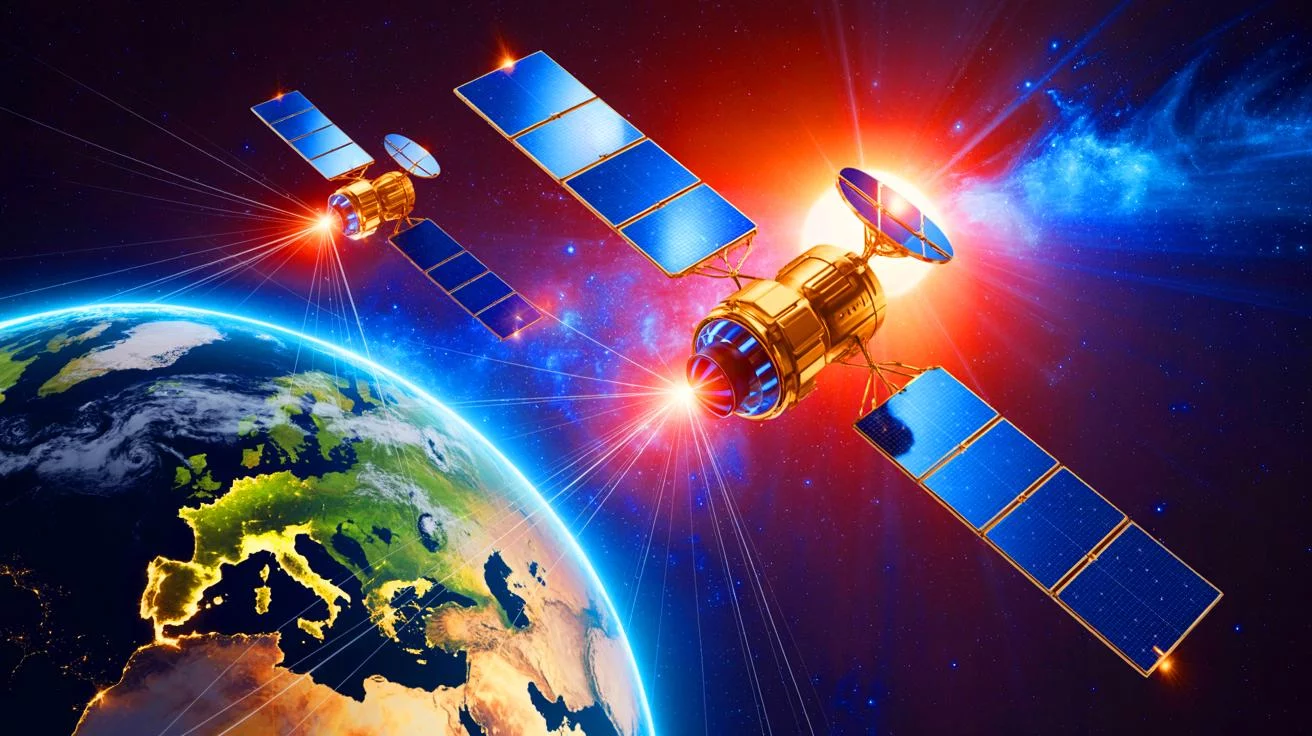
Over the past ten years, the world has seen a huge increase in the use of renewable energy. Solar panels, wind turbines, and other green technologies are growing fast. More and more, we are taking energy straight from nature instead of relying on coal, oil, and other carbon-based fuels that harm the environment. This shift is helping reduce pollution and slow climate change.
Experts say that if renewable energy technologies continue to improve at the same speed, we might one day stop using coal and oil completely. This could change how we produce electricity and how our societies function. But achieving this future will take big changes and careful planning.
Why Renewable Energy Matters
Coal and oil are convenient and cheap in the short term, but they come with a cost. Burning them releases carbon dioxide (CO₂), which traps heat in the atmosphere and causes global warming. It also produces smoke, soot, and other harmful chemicals that damage air quality and human health.
Renewable energy sources, like sunlight and wind, don’t produce these harmful gases. They are cleaner, safer, and essentially unlimited. The Sun shines every day, and the wind blows continuously in many regions. If we can harness these forces efficiently, we can meet our energy needs without destroying the planet.
Over the last decade, the world has installed more solar panels and wind turbines than ever before. Some countries are already generating a large portion of their electricity from renewables. For example, Germany, Spain, and Denmark get a big share of their energy from wind, while countries like China and India are investing heavily in solar energy. This growth shows that renewable energy is no longer a dream, but a real and growing part of our global energy system.
The Challenge: Scaling Up Renewable Energy
Even though renewables are growing fast, there’s still a gap between current energy production and what’s needed to replace coal and oil entirely. Right now, solar and wind energy account for only a fraction of total global energy use.
To reach a point where coal and oil are no longer needed, we would have to increase the energy we get from the Sun and wind by a massive amount. This is not just about building more panels and turbines — it’s also about finding space for them, connecting them to the grid, and storing the energy efficiently for when the Sun isn’t shining or the wind isn’t blowing.
For solar energy, this means covering huge areas of land with panels. Desert regions, rooftops, and open fields could all be used, but even then, we would need an unprecedented scale of installation. Wind farms also require large areas, especially offshore, where the winds are strong and steady. Scaling up in this way will be a challenge, but it’s possible if countries plan carefully and invest in the necessary technology.
The Role of Technology in Renewable Energy Growth
Technology is helping us capture and use renewable energy more efficiently than ever before. Some of the key advances include:
-
Solar Panels: Modern panels are more efficient at converting sunlight into electricity. They also last longer and require less maintenance.
-
Wind Turbines: New turbine designs can capture wind energy at lower speeds and produce more electricity from the same amount of wind.
-
Energy Storage: Batteries and other storage systems allow us to save electricity when production is high and use it later when demand rises.
-
Smart Grids: Modern grids can balance supply and demand more effectively, integrating renewable sources without overloading the system.
With these improvements, it’s becoming easier to rely on renewable energy for more of our electricity. The more we invest in technology, the faster we can reduce dependence on fossil fuels.
Land and Space Requirements
One of the biggest challenges for scaling up renewable energy is space. To generate huge amounts of solar energy, panels must cover extensive land areas. While rooftops and urban spaces can help, most of the energy would likely come from large solar farms in open areas, such as deserts.
Wind farms also need space. Onshore wind farms require many square kilometers of land, while offshore wind farms use areas in the ocean but require careful planning to avoid conflicts with shipping lanes, fishing zones, and marine ecosystems.
Some experts are looking at innovative solutions, like:
-
Floating solar farms on lakes or reservoirs
-
Solar panels integrated into buildings, roads, and parking lots
-
High-altitude wind turbines that capture stronger winds higher in the atmosphere
These solutions can help reduce the land footprint while increasing energy production.
The Importance of Energy Storage
Renewable energy is sometimes called intermittent energy, because the Sun doesn’t always shine and the wind doesn’t always blow. To make renewable energy reliable, we need energy storage systems that can save electricity when it’s available and release it when it’s needed.
Battery technology is improving rapidly. Large-scale batteries can now store enough electricity to power cities for hours or even days. Other methods, like pumped hydro storage or compressed air storage, also help balance supply and demand.
The combination of renewable energy production and storage will allow us to replace fossil fuels in electricity generation more effectively. Without storage, even large solar and wind farms can’t fully meet demand at all times.
Global Cooperation Is Key
Transitioning to renewable energy is not just a technological challenge — it’s also a political and social one. Countries need to cooperate, share technology, and make policies that support clean energy.
Some key strategies include:
-
Providing financial incentives for renewable energy projects
-
Investing in research and development for better solar panels, turbines, and storage
-
Updating energy grids to handle large-scale renewable energy
-
Planning land use carefully to minimize environmental impacts
Global collaboration will help reduce costs, speed up deployment, and ensure that renewable energy is available to everyone.
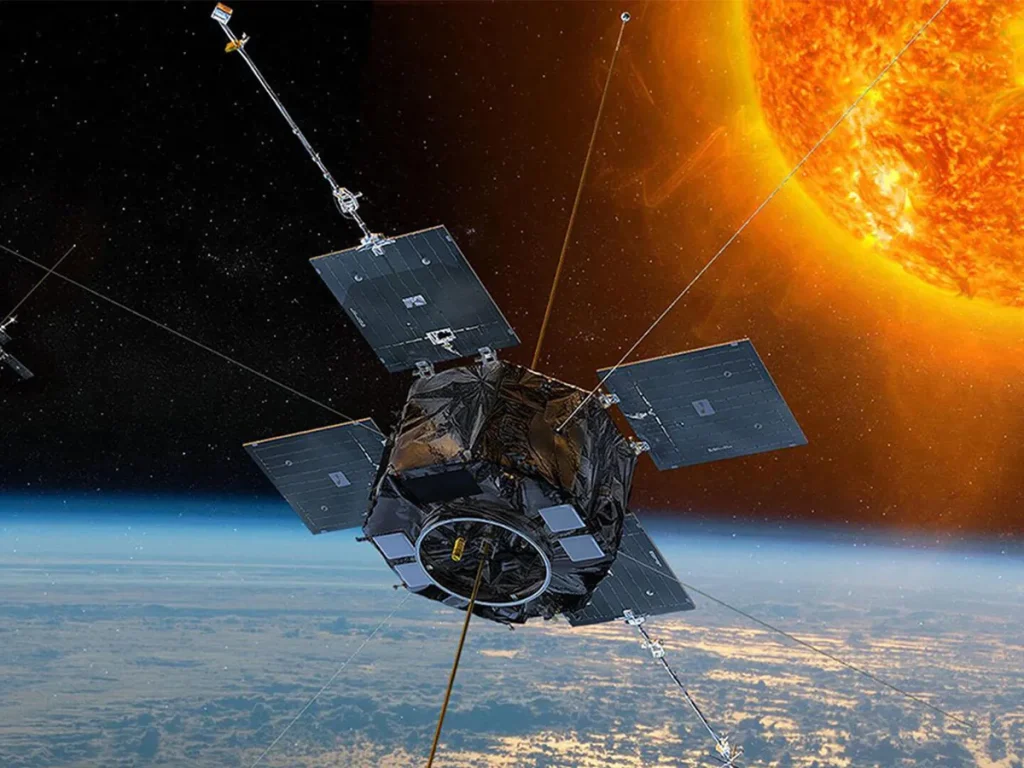
Renewable Energy Growth: A Path to a Cleaner Planet
Economic Benefits of Renewable Energy
Besides helping the environment, renewable energy also brings economic benefits. Building and maintaining solar and wind farms creates jobs in manufacturing, installation, and maintenance.
Reducing reliance on imported fossil fuels can improve energy security for countries that currently rely heavily on oil or coal. It also helps protect economies from fluctuations in fossil fuel prices.
Investing in renewable energy now can also save money in the long term by reducing health costs and environmental damage caused by pollution.
Looking Ahead: A Cleaner Future
If the pace of technological improvement continues, we might one day eliminate coal and oil from our energy mix. This would be a huge achievement for humanity, helping to slow climate change, improve air quality, and create a more sustainable planet.
It won’t happen overnight. It will require:
-
Massive increases in solar and wind energy production
-
Better energy storage and grid management
-
International cooperation and strong policies
-
Investment in research and new technologies
But the last decade shows that the world can change quickly when it wants to. Renewable energy is already growing faster than anyone expected, and there’s no reason it can’t continue to expand in the decades ahead.
In Simple Terms
-
The world is using more renewable energy and less coal and oil.
-
Solar and wind power are growing fast, but more work is needed to replace fossil fuels completely.
-
Scaling up renewable energy will require large areas of land and advanced technology.
-
Energy storage systems are key to making renewable energy reliable.
-
Global cooperation and investment in technology will speed up the transition.
-
A future with mostly renewable energy is possible and beneficial for the planet and the economy.
The message is clear: we are on the path to a cleaner, greener energy future, but **we must keep moving forward and scaling.
Read Also: Keep your face towards the sunshine and shadows will fall behind you
Watch Also: https://www.youtube.com/@TravelsofTheWorld24





Leave a Reply