
Space exploration is full of exciting moments, but sometimes a single announcement can capture the attention of the entire world. Today is one of those days. The United States space agency, NASA, has announced that it will share important news about discoveries made by one of its planet-hunting spacecraft.
Scientists, astronomers, and space enthusiasts are waiting eagerly to hear what the spacecraft has found. The mission has been searching the universe for planets beyond our solar system, and any new discovery could help us better understand how common planets are in the galaxy and whether life might exist somewhere else.
The Spacecraft Searching for New Worlds
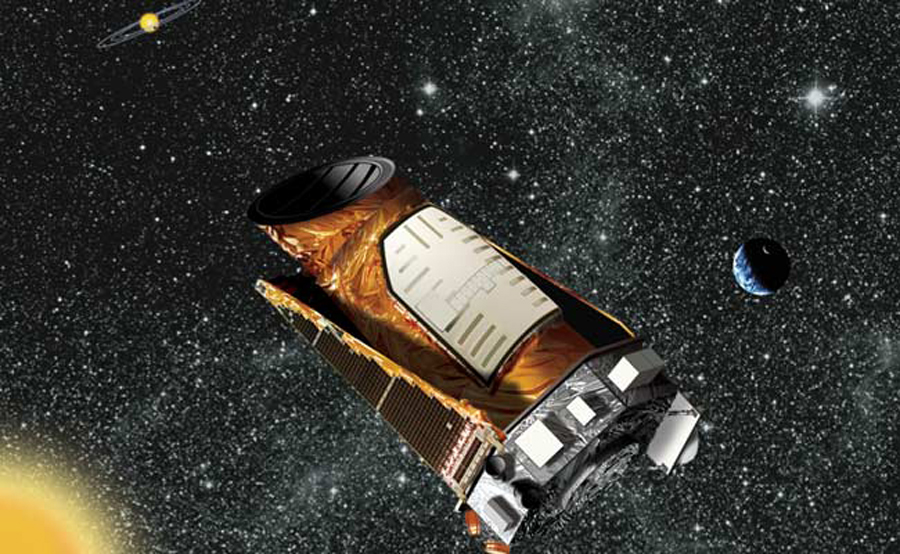
The spacecraft behind this discovery is the Transiting Exoplanet Survey Satellite, often called TESS. This powerful space telescope was launched to scan the sky and search for planets orbiting distant stars.
Unlike missions that focus on a small area of space, TESS surveys large sections of the sky. Its job is to monitor thousands of stars and look for tiny changes in brightness that happen when a planet passes in front of a star.
This method is known as the transit method, and it has become one of the most successful ways to detect planets outside our solar system.
What Are Exoplanets?
The planets that orbit stars outside our solar system are called exoplanets.
Scientists discovered the first confirmed exoplanet in the 1990s. Since then, thousands of these planets have been found across the galaxy. Some are huge gas giants like Jupiter, while others are rocky planets similar to Earth.
Discovering exoplanets helps scientists answer several big questions:
-
How common are planets in the universe?
-
Are there planets similar to Earth?
-
Could some of these planets support life?
Every new discovery helps scientists understand how planetary systems form and evolve.
Why Today’s Announcement Matters
NASA does not hold special briefings without a reason. When the agency announces that it will reveal major findings, it usually means something important has been discovered.
Possible announcements could include:
-
The discovery of several new planets
-
A planet that may have conditions suitable for life
-
A rare type of planetary system
-
A planet located relatively close to Earth
Sometimes, discoveries like these change how scientists think about the universe.
The Search for Earth-Like Planets
One of the most exciting goals of missions like TESS is finding Earth-like planets.
An Earth-like planet would need several key features:
-
It must be rocky rather than a gas giant.
-
It should be located in the habitable zone, where temperatures allow liquid water to exist.
-
It must orbit a stable star.
Liquid water is considered essential for life as we know it. Because of this, scientists often focus on planets where water might exist.
If NASA announces the discovery of a planet that fits these conditions, it would attract worldwide attention.
How TESS Finds Planets
The planet-hunting spacecraft works in a surprisingly simple way.
It continuously watches stars and measures their brightness. When a planet passes between the star and the telescope, the star appears slightly dimmer for a short time.
This tiny drop in brightness can reveal several important details:
-
The size of the planet
-
How often the planet orbits its star
-
The distance between the planet and the star
By collecting this data over time, scientists can confirm whether a planet truly exists.
Building on Previous Discoveries
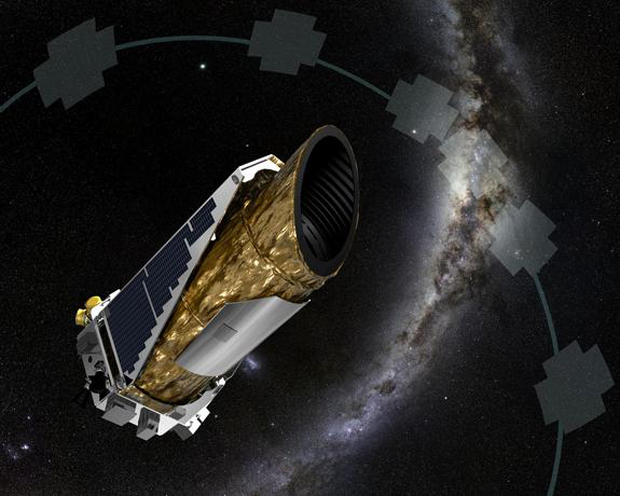
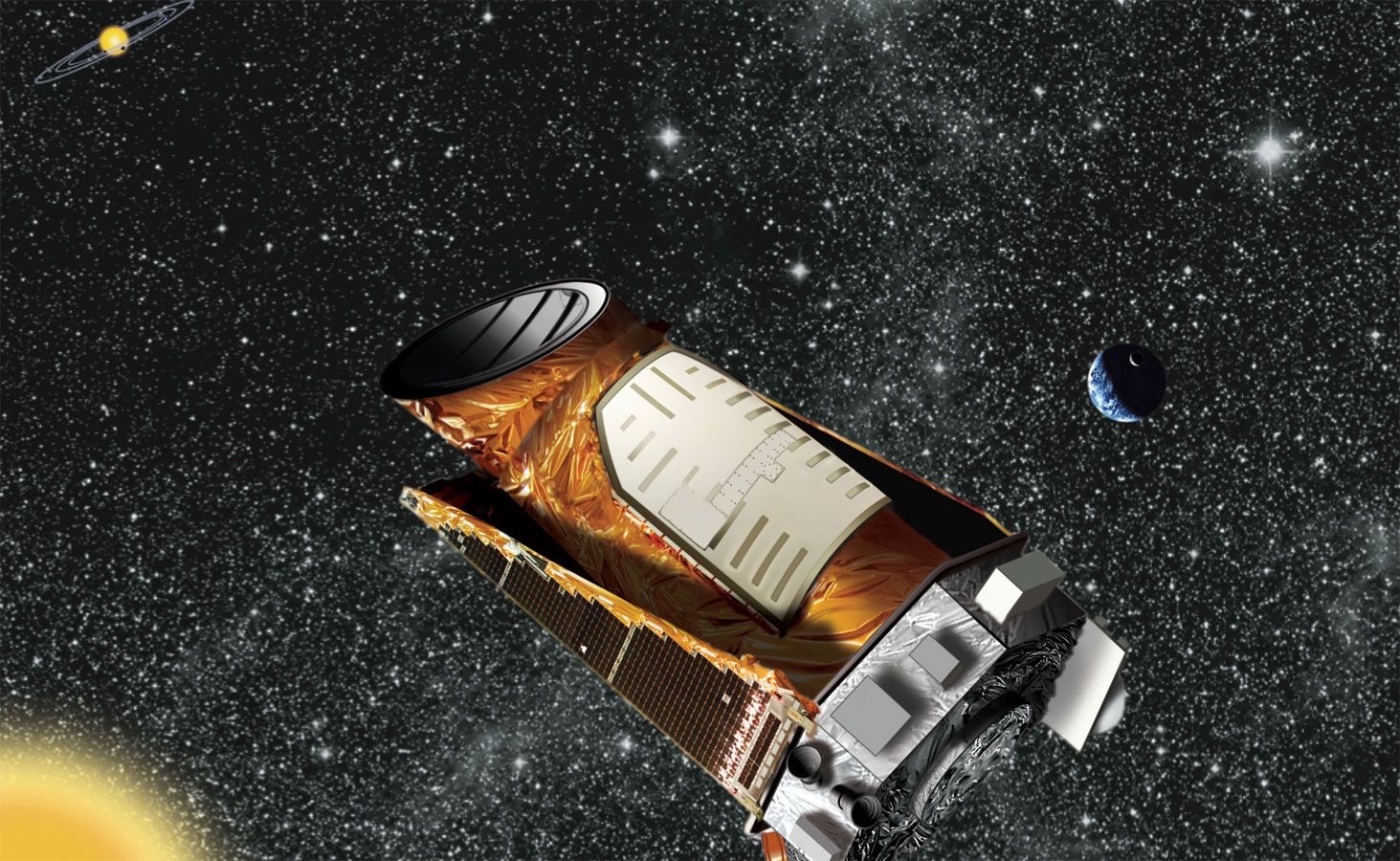
TESS is not the first mission to search for exoplanets. It follows the success of the Kepler Space Telescope.
The Kepler mission discovered more than 2,600 confirmed exoplanets during its lifetime. It proved that planets are incredibly common in our galaxy.
TESS continues this work by searching for planets around stars that are closer to Earth. Finding nearby planets is especially useful because scientists can study them more easily with other telescopes.
The Role of Modern Telescopes
After a planet is discovered, other instruments are often used to study it in more detail.
For example, the powerful James Webb Space Telescope can analyze the atmospheres of distant planets.
By studying a planet’s atmosphere, scientists can detect gases such as:
-
Oxygen
-
Carbon dioxide
-
Methane
-
Water vapor
These gases can sometimes provide clues about whether life might exist there.
Could Today’s Discovery Involve Alien Life?
Whenever NASA announces new discoveries related to planets, many people immediately wonder about alien life.
However, scientists are careful about making such claims.
Even if a planet is located in the habitable zone, that does not automatically mean life exists there. Many factors affect whether a planet can support living organisms.
Still, discovering a promising planet is an important step toward answering the question that humans have asked for centuries: Are we alone in the universe?
Why Planet Discoveries Are Important
Planet discoveries are not just exciting for astronomers. They help us understand how our own solar system formed.
For example, scientists once believed that planetary systems would look similar to our own. But exoplanet discoveries have shown that systems can be very different.
Some planets orbit extremely close to their stars. Others follow unusual paths or exist in systems with multiple stars.
These discoveries show that the universe is far more diverse than scientists once imagined.
Public Interest in Space Discoveries
Major announcements from NASA often attract attention from people all over the world.
Space discoveries inspire curiosity and imagination. They also encourage young people to study science, technology, engineering, and mathematics.
Whenever a new planet is discovered, it reminds humanity that we are part of a vast universe filled with mysteries waiting to be explored.
What Happens After the Announcement?
Once NASA reveals the new findings, scientists around the world will begin studying the data.
Researchers may:
-
Confirm the discovery using other telescopes
-
Study the planet’s atmosphere
-
Measure its mass and composition
-
Look for additional planets in the same system
Space discoveries often lead to years of research and follow-up observations.
New Worlds Ahead? NASA Prepares to Share Major Space Discovery
The Future of Planet Hunting
Planet-hunting missions will continue to improve in the coming years.
New telescopes and space missions are being planned to search for even smaller planets that may closely resemble Earth.
Scientists hope that future technology will eventually allow them to detect signs of life on distant worlds.
While that moment may still be far away, each discovery brings humanity closer to understanding the universe.
A New Era of Discovery
Today’s announcement from NASA reminds us that space exploration is entering an exciting new era.
Just a few decades ago, scientists did not know whether planets existed around other stars. Today, thousands have already been discovered, and many more are waiting to be found.
With powerful spacecraft scanning the sky and advanced telescopes studying distant worlds, the search for new planets is moving faster than ever before.
Conclusion
The upcoming announcement from NASA about its planet-hunting spacecraft has sparked excitement among scientists and space fans everywhere. Missions like TESS are helping humanity explore the universe and discover new worlds beyond our solar system.
Whether the news involves newly discovered planets, unusual star systems, or potential Earth-like worlds, each finding expands our knowledge of space.
As technology improves and new missions are launched, the chances of discovering remarkable planets—and possibly signs of life—continue to grow.
For now, the world waits eagerly to hear what NASA’s spacecraft has uncovered among the distant stars.
The universe still holds countless secrets, and every discovery brings us one step closer to understanding our place within it.
Read Also: Keep your face towards the sunshine and shadows will fall behind you
Watch Also: https://www.youtube.com/@TravelsofTheWorld24








Leave a Reply