
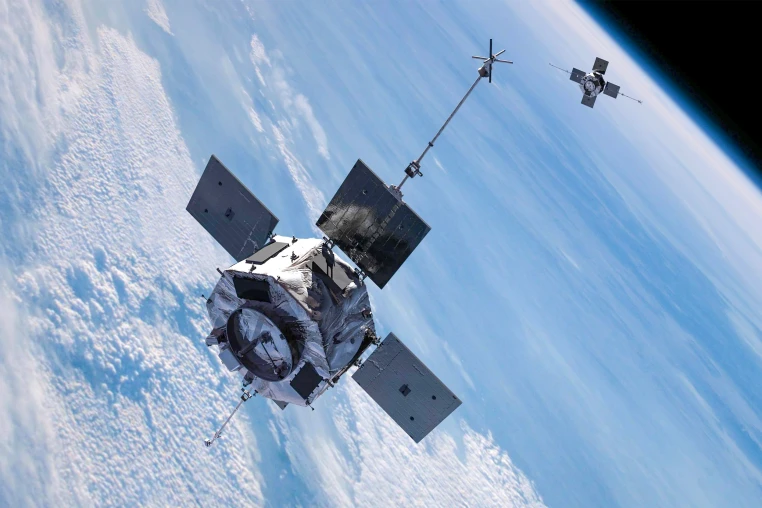
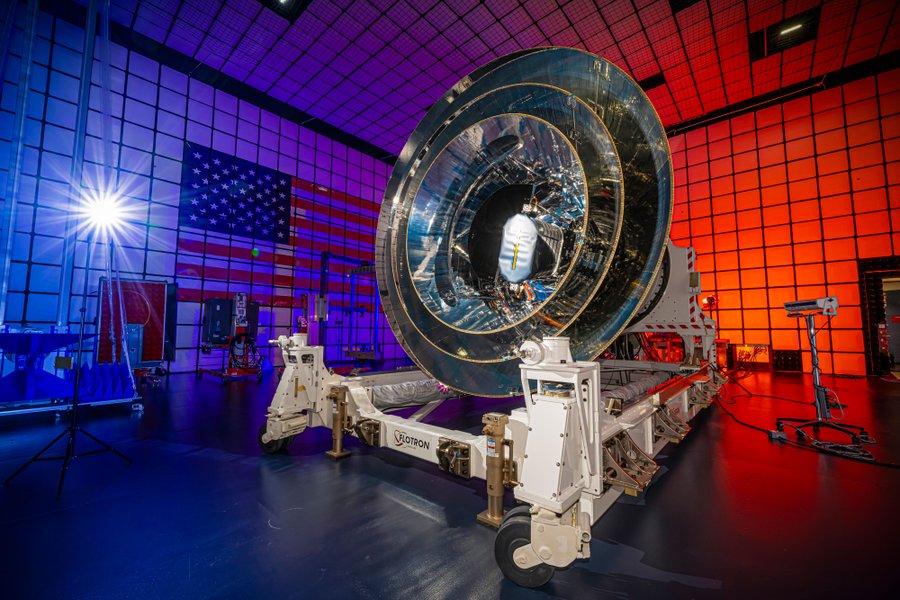
Recently, an old NASA satellite called Van Allen Probe A safely re‑entered Earth’s atmosphere and fell back to the ground. This event was being talked about a lot in space news because it’s rare for a large piece of space equipment to come down in an uncontrolled way.
The satellite had been floating around the Earth for almost 14 years before it finally dropped out of orbit. It was originally launched in 2012 with a twin spacecraft to study the radiation belts that circle our planet. These belts are zones of charged particles held in place by Earth’s magnetic field, and learning about them helps scientists understand space weather and how it affects satellites, astronauts, and Earth’s technology.
Both Van Allen Probes stopped working in 2019 after their fuel ran out. At that point, NASA expected they would stay in orbit until the early 2030s, slowly drifting downward over time. But things didn’t go exactly as planned this time.
Why Did It Come Down Early?
Unlike planned re‑entries where engineers steer a satellite so it burns up more predictably, this was an uncontrolled fall. Scientists think the satellite was pulled into Earth’s atmosphere earlier than expected because of increased solar activity. The Sun goes through regular cycles of higher and lower activity, and when it’s more energetic, the outer layers of Earth’s atmosphere expand a bit and create more drag on satellites. That drag slowly pulls satellites down faster than they otherwise would.
This satellite ended up dropping into the atmosphere around March 10–11, 2026, much sooner than earlier predictions. Most of the satellite burned up as it hit the thicker part of the atmosphere.
Did Any Pieces Reach the Ground?
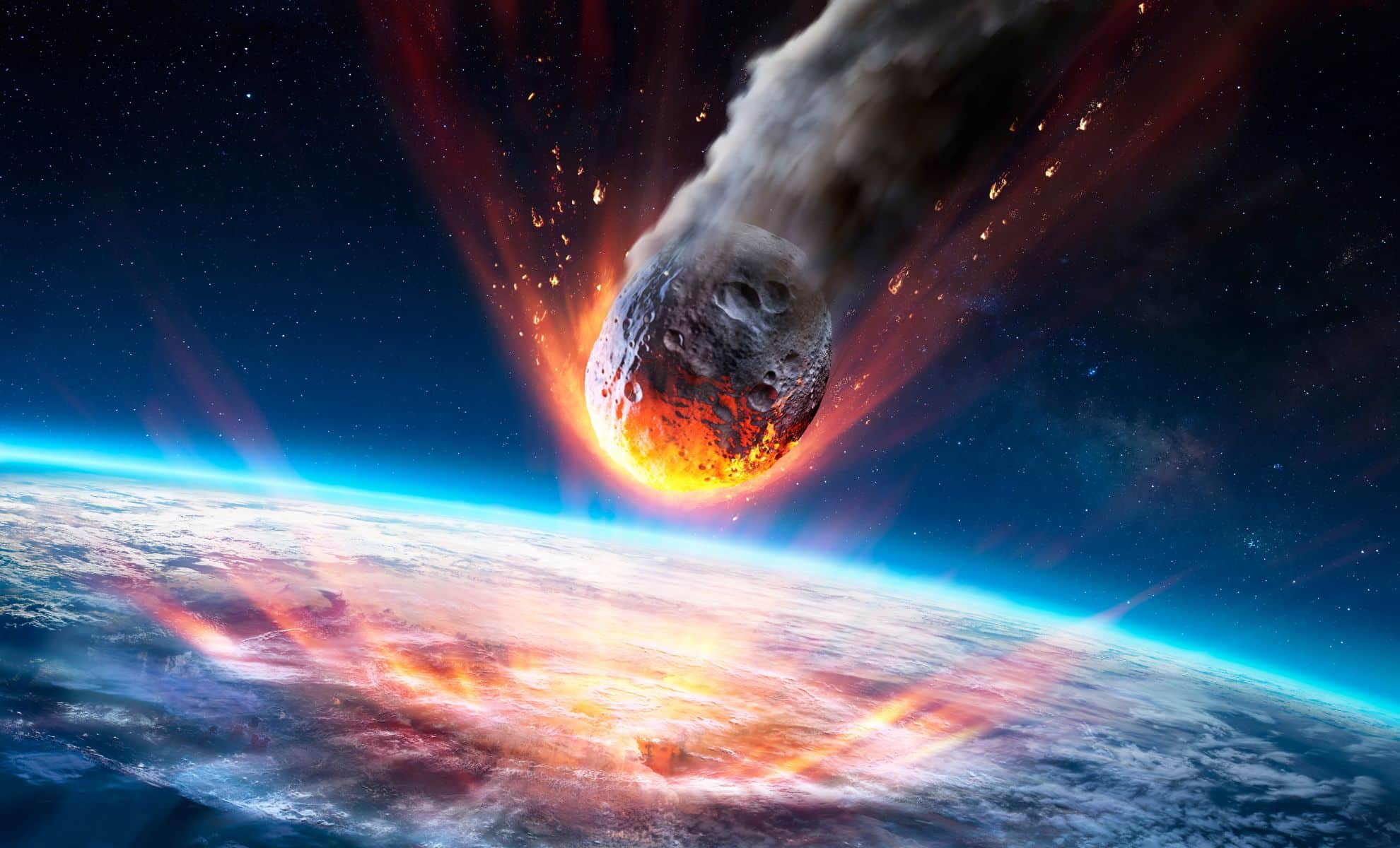
Even though most of the satellite burned up, some heavier parts were expected to survive the fiery re‑entry. But falling space debris is very unlikely to hurt people. NASA and the U.S. Space Force tracked the satellite’s fall and said there was about a 1 in 4,200 chance that any piece of debris would cause harm to a person on the ground.
To understand what that number means, imagine this: for every 4,200 people on the planet, only one person might possibly be affected by falling debris — but that’s just a statistical way of saying the odds are very, very low. Most of Earth’s surface is water or empty land, so pieces that survive usually hit the ocean or places where there aren’t many people.
In fact, NASA and other space agencies have tracked thousands of pieces of old satellites and rockets falling back over the years, and injuries or damage are extremely rare. Researchers point out that over the past 50 years, we’ve catalogued about one piece of debris falling to Earth every day, but no confirmed serious injuries from those events.
Where Did It Actually Re‑Enter?
Officials say the satellite re‑entered over the Pacific Ocean, west of the Galapagos Islands. That’s a huge part of the Earth covered with water, so the chance of debris falling on people was much smaller.
This happened as the satellite passed over a remote part of the Pacific, meaning most surviving pieces would have fallen far from populated areas. Even though the exact path of falling debris can’t be known ahead of time, scientists use tracking data to estimate regions at risk. In this case, the Pacific Ocean was right underneath at the time of re‑entry.
What Was This Satellite For?
The Van Allen Probes were more than just regular satellites. They were built to study the Van Allen radiation belts, two huge rings of charged particles surrounding Earth. These belts can affect space weather and interfere with satellites and communications systems. By studying them, scientists learn more about how high‑energy particles behave near Earth and how to protect space missions and electronics.
The mission lasted longer than expected — nearly seven years of data — giving researchers valuable information that continues to help with scientific studies and planning for future space projects.
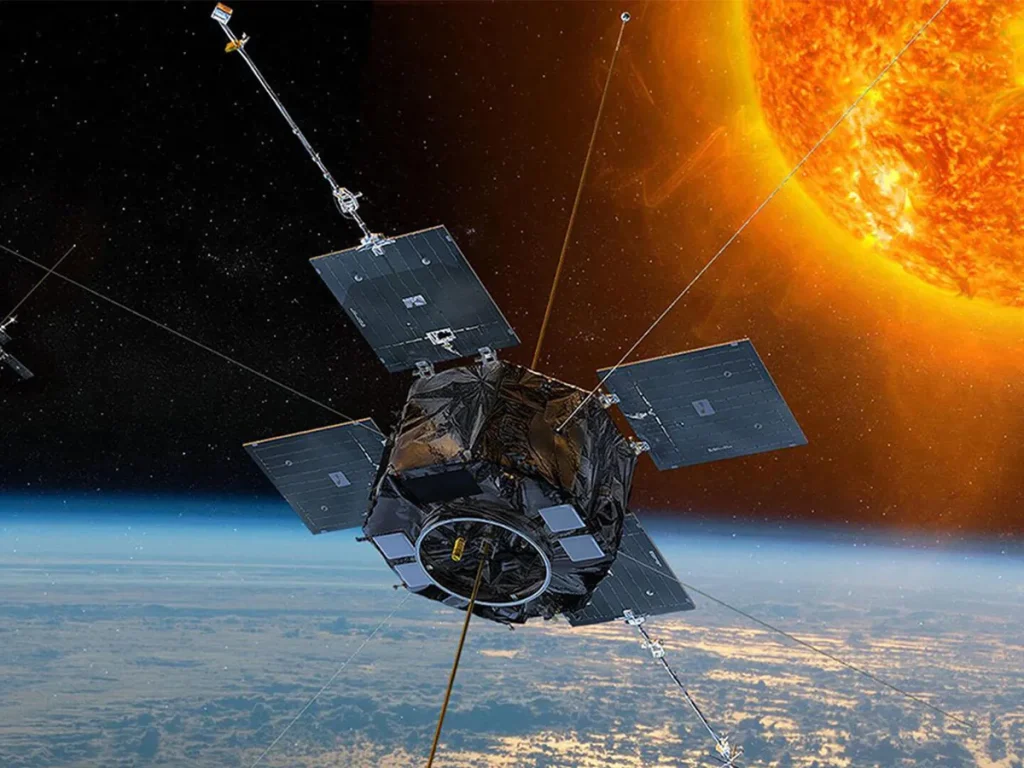
NASA Confirms Satellite Re‑Entry Over Pacific Ocean
Is This Something to Worry About?
While the idea of a satellite crashing back to Earth sounds dramatic, space agencies like NASA and the U.S. Space Force consider events like this low‑risk for people on the ground. They track lots of space objects, and many of them decay and re‑enter without causing any harm.
Still, because there are more and more satellites in orbit these days, space agencies pay close attention to debris and re‑entry predictions so they can warn the public if needed. Most pieces burn up high in the atmosphere, and what survives usually falls into areas that are not heavily populated — like oceans or deserts.
The risk of serious harm from falling debris is tiny. In human history, there’s only one well‑known case of a person being struck by space debris — and that person wasn’t hurt. Even events like this one, involving a large satellite, usually end with little more than curious headlines and expert monitoring.
What Comes Next?
This event reminds scientists and engineers that we need good systems to track old satellites and other space objects. As more rockets and satellites launch into orbit, the number of pieces floating around Earth increases. Sometimes pieces collide or break apart, creating more debris that eventually falls back.
Space agencies are studying ways to reduce space junk and make sure re‑entry events are better understood and predicted. Some ideas include designing satellites that come down in controlled ways or removing big pieces from orbit before they can become a problem.
But for now, events like this still pose a very low danger to people on the ground, and most of what comes down burns up high in the atmosphere.
In Simple Terms
So, in simple language:
-
An old NASA satellite called Van Allen Probe A fell back to Earth after almost 14 years.
-
Most of it burned up in the atmosphere.
-
A few pieces might have survived, but the chance of anyone being hurt is really small — about 1 in 4,200.
-
It re‑entered over the Pacific Ocean, far from most people.
-
This kind of thing doesn’t happen very often, but space agencies watch it closely.
Read Also: Keep your face towards the sunshine and shadows will fall behind you
Watch Also: https://www.youtube.com/@TravelsofTheWorld24









Leave a Reply