

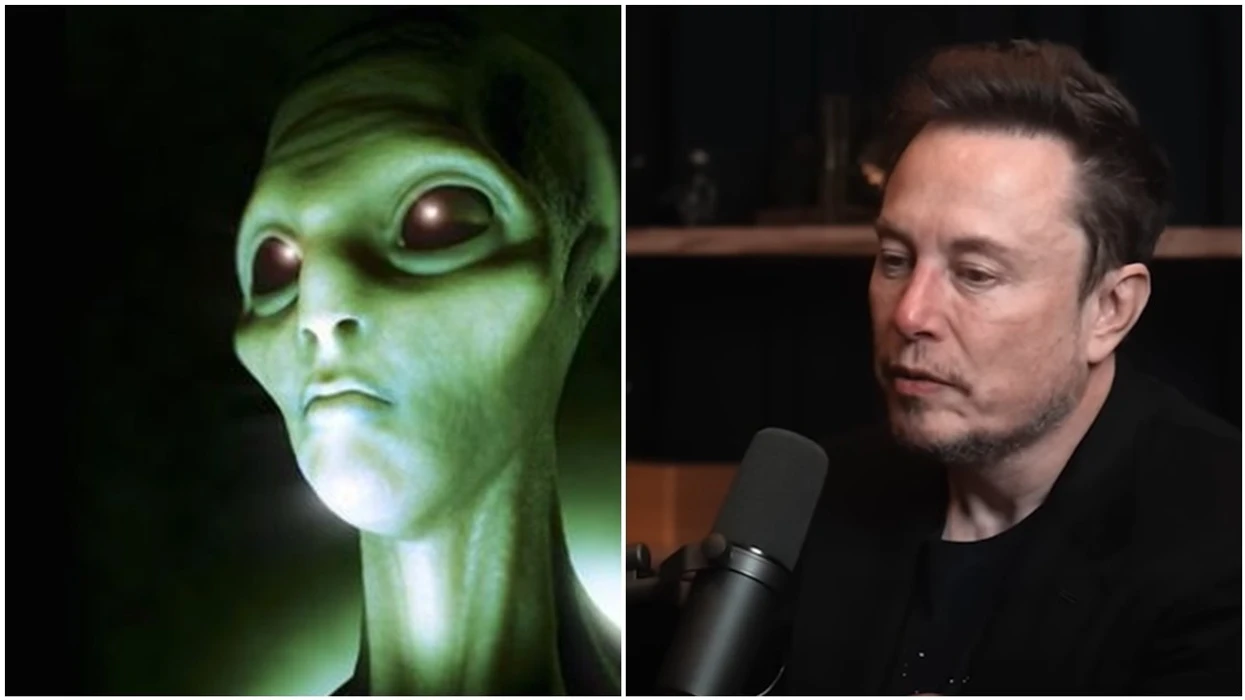
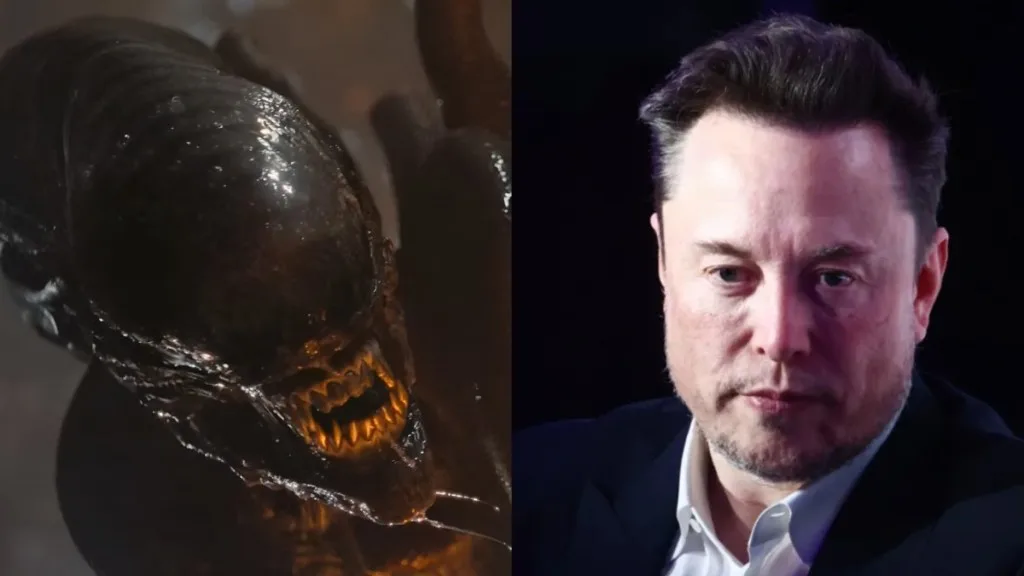
Elon Musk, the founder of SpaceX and Tesla, is known for thinking big. He often talks about space, the future of humanity, and what lies beyond Earth. Recently, Musk shared his thoughts on a fascinating topic: the possibility of finding dead alien civilizations somewhere in the universe.
While the idea might sound like science fiction, Musk’s perspective is based on science, statistics, and our current understanding of space. In this article, we’ll explore what he said, why scientists consider this possibility, and what it could mean for humanity.
Elon Musk’s Perspective on Alien Civilizations
Musk has long expressed interest in extraterrestrial life. He believes:
-
The Universe is Vast: There are billions of galaxies, each containing billions of stars and potentially trillions of planets. Statistically, it is likely that intelligent life has existed somewhere.
-
Civilizations May Have Died Out: Even if life developed on other planets, it might not survive long. Cosmic events, self-destruction, or environmental changes could wipe out entire civilizations.
-
We Might Discover Traces: Musk suggests that while living aliens may be rare, evidence of past civilizations—such as structures, signals, or technological artifacts—could still exist.
-
Exploration is Key: Space exploration and technology may one day allow humans to find evidence of these dead civilizations.
Musk emphasizes that discovering such civilizations would help humanity understand its own place in the universe and the risks of long-term survival.
The Science Behind Dead Civilizations
The idea of finding dead alien civilizations is not just speculation. Scientists consider several factors:
1. The Fermi Paradox
The Fermi Paradox asks a simple question: if intelligent life is common, why haven’t we seen any evidence? One possible answer is that civilizations may rise and fall quickly in cosmic terms. Earth is only about 4.5 billion years old, and humanity has existed for a very short time. Other civilizations may have existed millions or billions of years ago and are now gone.
2. Cosmic Catastrophes
Civilizations could be wiped out by natural events such as:
-
Asteroid impacts
-
Supernova explosions
-
Gamma-ray bursts
-
Extreme climate changes
Even advanced civilizations may be vulnerable to events beyond their control.
3. Self-Destruction
Advanced civilizations could destroy themselves through:
-
Nuclear war
-
Environmental collapse
-
Uncontrolled technology, like AI or nanotechnology
This idea is sometimes called the Great Filter—a theory that explains why intelligent life is rare or short-lived.
4. Detecting Evidence
If civilizations are extinct, we might still detect:
-
Ruins or structures on distant planets
-
Signals or technology left behind
-
Unusual chemical signatures in atmospheres
Future space telescopes, probes, and missions could help humanity search for these signs.
Musk’s Connection to Space Exploration
Elon Musk believes that human space exploration is critical for survival. Finding dead civilizations relates directly to his goals:
-
Mars Colonization: Musk wants humans to live on Mars as a backup for humanity in case Earth faces a catastrophe. Studying other planets could also reveal past alien life.
-
Technological Advancements: SpaceX rockets and reusable spacecraft make long-term exploration more feasible.
-
Understanding Survival: Discovering dead civilizations could teach humans how to avoid extinction and manage resources wisely.
Musk often frames space exploration as a way to both discover the unknown and protect humanity.
The Possibility of Signals
One way to find evidence of dead civilizations is by detecting signals or remnants of communication. Scientists and organizations like SETI (Search for Extraterrestrial Intelligence) scan radio waves and other signals for patterns that could indicate intelligence.
Musk points out that civilizations may have left signals that travel through space long after they are gone. If we detect such signals, we might learn about technology, culture, and the rise and fall of alien societies.
Implications for Humanity
Finding evidence of dead alien civilizations could have profound effects on humans:
-
Perspective on Survival: It could remind us that intelligent life is fragile and must be careful to avoid self-destruction.
-
Scientific Knowledge: Studying past civilizations could teach us new science, technology, or even philosophy.
-
Existential Reflection: Knowing that life has existed elsewhere and failed could influence religion, culture, and human behavior.
-
Inspiration for Exploration: Discovering evidence of alien life—even if extinct—would encourage humans to explore space more aggressively.
Musk often emphasizes that space exploration is not just about curiosity—it is about ensuring humanity’s long-term survival.

Could Alien Civilizations Have Already Gone Extinct? Elon Musk Weighs In
The Search for Dead Civilizations
Several missions and projects could help humans find dead civilizations:
-
James Webb Space Telescope: Capable of analyzing atmospheres of distant exoplanets for signs of life or past civilizations.
-
Mars Rovers: Search for evidence of ancient microbial life or civilizations.
-
Future Probes: Exploring moons, asteroids, and distant planets for artifacts or unusual structures.
Musk’s SpaceX technology could support these missions by making transportation cheaper, faster, and more reliable.
Challenges in Finding Dead Civilizations
While the idea is exciting, there are challenges:
-
Distance: Most planets are light-years away, making exploration slow and difficult.
-
Detection Limitations: Signs of past civilizations may be subtle and easy to miss.
-
Interpretation: Scientists must distinguish natural phenomena from artificial structures or signals.
Despite these challenges, Musk and others see the search as worthwhile because even small discoveries could change humanity’s understanding of life in the universe.
Philosophical Considerations
Musk’s comments also touch on philosophical questions:
-
What Defines a Civilization? Technology, culture, or biology?
-
Do Civilizations Leave a Legacy? Even if extinct, can their actions or signals survive for millions of years?
-
Are We Alone in the Universe? Dead civilizations suggest life is possible but may be fleeting.
These questions encourage humans to reflect on their own civilization and how we interact with our planet and technology.
Public Reaction
When Musk discussed dead alien civilizations, people reacted strongly online:
-
Some praised his curiosity and forward-thinking approach.
-
Others debated whether the idea was realistic or just science fiction.
-
Scientists noted that while speculative, Musk’s perspective aligns with serious considerations in astrobiology and SETI research.
The discussion shows how Musk’s ideas influence not only space enthusiasts but also the public imagination.
Lessons for Humanity
Musk’s discussion of dead civilizations teaches several lessons:
-
Survival is Not Guaranteed: Life, even intelligent life, is fragile. Humans should learn from possible alien failures.
-
Exploration is Essential: To survive and thrive, humanity must explore space and understand other worlds.
-
Science and Technology Matter: Advanced tools and research are key to discovering life beyond Earth.
-
Think Big: Musk’s vision encourages people to consider the universe on a large scale and to imagine possibilities beyond everyday life.
Conclusion
Elon Musk’s discussion about the possibility of finding dead alien civilizations highlights both the excitement and seriousness of space exploration. While there is no evidence yet, the concept is grounded in science, probability, and our understanding of cosmic history.
The idea reminds humanity that life may exist elsewhere, but survival is not guaranteed. It also encourages exploration, scientific inquiry, and philosophical reflection.
Musk’s vision of space travel, colonization, and discovery is not just about rockets and technology—it is about preparing humanity for the unknown, learning from the universe, and ensuring that humans have the chance to thrive for generations to come.
Whether or not we find dead alien civilizations, Musk’s perspective reminds us to stay curious, explore boldly, and consider our place in the vast cosmos.
Read Also: Keep your face towards the sunshine and shadows will fall behind you
Watch Also: https://www.youtube.com/@TravelsofTheWorld24








Leave a Reply