
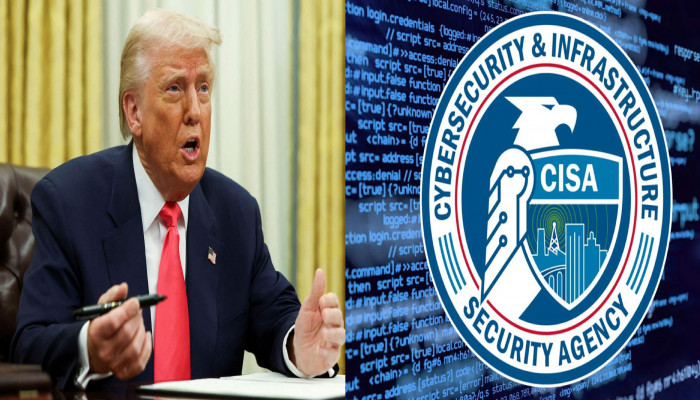
In early March 2025, the Cybersecurity and Infrastructure Security Agency (CISA) — the United States government agency that helps protect the country from cyber threats — announced that it would stop providing about $10 million in annual funding to a nonprofit organization called the Center for Internet Security (CIS). This move has major effects on cybersecurity work, especially support for state and local election officials who rely on these programs for help with digital security.
Who Are the Center for Internet Security and CISA?
Before we get into the cuts, it helps to know what these organizations do.
-
CISA is part of the Department of Homeland Security and is responsible for protecting the nation’s computer networks, critical infrastructure, and election systems from cyber attacks. This includes warning government agencies and private companies about threats, helping with responses to hacking attempts, and sharing threat information.
-
The Center for Internet Security (CIS) is a nonprofit group that runs several programs funded by CISA. These programs help local governments, state agencies, schools, and election officials improve their cybersecurity and share information about cyber threats. They are not part of the government, but they work closely with it.
What Funding Was Cut?
CISA cut about $10 million per year that it used to give to CIS for two important cybersecurity programs:
-
MS‑ISAC: The Multi‑State Information Sharing and Analysis Center helps cyber teams from all 50 states, local governments, tribes, and territories share information about cyber threats. It provides real‑time alerts, training, and support at little or no cost to those agencies.
-
EI‑ISAC: The Election Infrastructure Information Sharing and Analysis Center is a similar network focused on helping state and local election officials protect election systems from hackers and other digital threats. These services include threat warnings, advice on how to respond to attacks, guidance on best cybersecurity practices, and a community of officials working together.
Because of these funds, CIS provided many services to help governments defend against cyber threats without charging them. When the funding stopped, CIS said it would evaluate how to continue offering support, but the programs can’t operate as before without the money.
Why This Matters
Stopping this funding matters for a few big reasons:
1. State and Local Governments Lose Support
For many years, state and local governments depended on MS‑ISAC for free cybersecurity help. This included learning about new threats, getting alerts about emerging attacks, and receiving guidance on how to respond. Without this support, these governments will have to find other ways to handle cyber risks on their own — which is hard, especially for smaller counties or towns with limited budgets and few cybersecurity experts.
2. Election Security Is Affected
The cut also affects election security. EI‑ISAC was important because it helped election officials protect voting systems from hackers, scammers, and other threats that target elections. Losing that support means officials will have less early warning, fewer resources, and less shared information during election seasons. This could make election systems more vulnerable to cyber attacks.
3. Sharing Information Is Harder
One of the biggest benefits of MS‑ISAC and EI‑ISAC was information sharing. These networks allowed governments to talk to each other about threats, patterns, and attacks. Without federal funding, that network becomes weaker. Many officials fear this will slow down how quickly they can detect and respond to new cyber risks.
What Officials and Experts Are Saying
Many cybersecurity officials and local leaders have expressed concern about these cuts:
-
State and local officials say they now feel less connected to national threat warnings and support systems. Many believe they will need to build their own defenses with much less help.
-
Reports show that a large percentage of local election officials are worried about being left without federal assistance against cybersecurity threats.
-
Some specialists warn that cutting these services at a time when cyber attacks are becoming more frequent could weaken overall national cybersecurity.
Why Did the Funding End?
CISA says the cuts to these programs are part of an effort to focus its work on “mission‑critical areas” and to change how it supports state and local partners. The agency has described this shift as a move towards a new model that relies more on grant funding and direct tools rather than long‑term contracts with outside groups.
However, critics see it differently. They argue that reducing funding for established programs actually weakens cybersecurity support and makes it harder for everyday government entities to defend themselves. Many say the timing is concerning because cyber threats — especially those targeting elections and critical infrastructure — remain at high levels.
Broader Context: Cuts to CISA’s Mission
The reduction in funding for MS‑ISAC and EI‑ISAC fits into a larger pattern of cuts and changes at CISA under the current administration:
-
The agency’s overall budget proposal included significant reductions, including cuts to staff and programs. Some reports show that CISA’s workforce dropped by about one‑third in 2025.
-
Support for election security work was paused earlier in 2025, causing further disruptions to long‑standing cybersecurity efforts for elections.
-
Some federal grants and cybersecurity initiatives across the government were reviewed or paused as part of wider shifts in funding priorities.
These changes have raised questions among lawmakers, cybersecurity professionals, and local officials about whether the government’s ability to help defend against cyber threats is being weakened at a time when threats are growing.
What Happens Next?
With federal funding no longer supporting MS‑ISAC and EI‑ISAC in the same way, state and local governments are looking for new solutions:
-
Some are exploring state‑level cybersecurity teams, working together with other local governments to share information and resources.
-
Other officials are trying to secure private funding or grants to replace the services they used to receive for free.
-
There is also talk about building new regional cooperation groups that could take up some of the functions of the old networks.
Still, experts emphasize that replacing the national level coordination and free services provided through the federal program will be difficult — especially for smaller communities that don’t have big cybersecurity budgets or teams.
Conclusion
The decision by the Trump administration and CISA to stop providing about $10 million annually in funding to the Center for Internet Security marks a significant change in U.S. cybersecurity support. Programs like MS‑ISAC and EI‑ISAC have played a major role in helping governments across the country defend against cyber threats and secure their election systems.
With this funding gone, state and local officials may have to find new ways to protect their digital infrastructure — at a time when cyber attacks are increasing in number and complexity. Critics argue that these cuts weaken national cybersecurity defenses, while supporters say the changes help refocus federal priorities.
In either case, the shift has already affected how governments at all levels prepare for and respond to cyber threats, and the effects will continue to be felt in the years ahead.
Read Also: Keep your face towards the sunshine and shadows will fall behind you
Watch Also: https://www.youtube.com/@TravelsofTheWorld24









Leave a Reply