
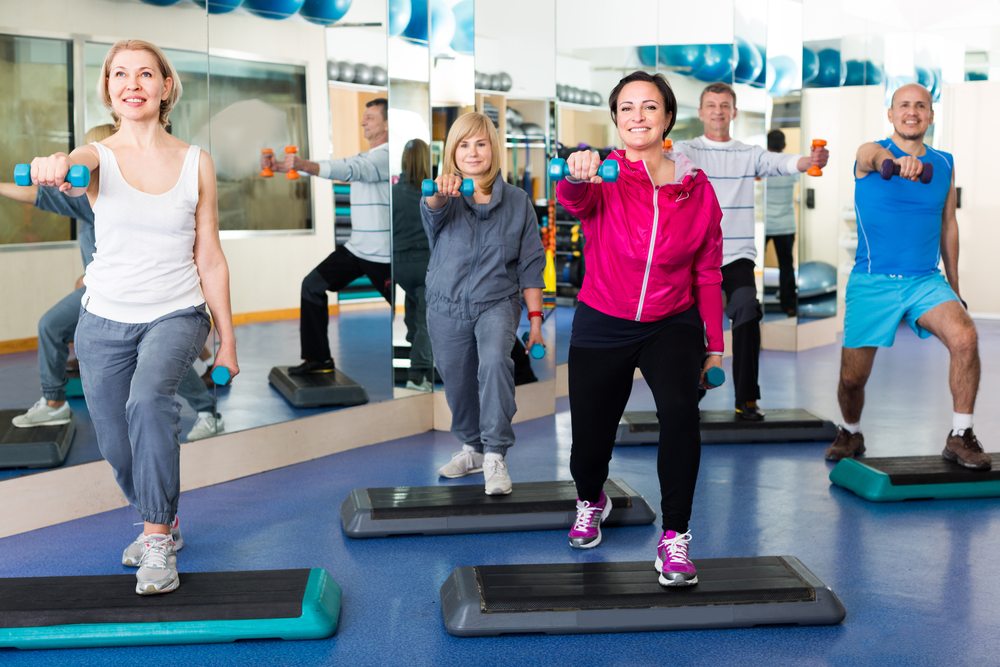
If you love fitness and enjoy helping others stay healthy, becoming an aerobics instructor can be a rewarding career. Aerobics instructors lead group fitness classes, motivate participants, and teach proper exercise techniques. This guide will walk you through everything you need to know about pursuing this career, including the salary you can expect, job growth, potential employers, the best schools, and the education or certifications needed to get started.
What Does an Aerobics Instructor Do?
An aerobics instructor designs and leads fitness classes that focus on cardiovascular health, strength, flexibility, and endurance. Classes may include traditional aerobics, dance-based fitness, step aerobics, or low-impact exercises for special populations like seniors or pregnant women.
Some common responsibilities include:
-
Creating safe and engaging workout routines
-
Demonstrating exercises with proper form
-
Motivating and encouraging class participants
-
Monitoring participants to prevent injuries
-
Keeping up with fitness trends and new workout techniques
Aerobics instructors may teach in gyms, fitness centers, community centers, schools, corporate wellness programs, or even online through virtual classes.
Salary Expectations
The salary of an aerobics instructor can vary depending on experience, location, and type of employer. In general:
-
Entry-level instructors may earn between $25,000 and $35,000 per year.
-
Experienced instructors or those teaching specialized classes can earn $40,000 to $60,000 per year.
-
Some high-profile or celebrity instructors can earn significantly more, especially if they run their own classes or online programs.
Many instructors are paid hourly, ranging from $15 to $50 per hour, depending on the location and type of class. Some also receive bonuses or tips from participants.
Job Growth and Outlook
The fitness industry is growing as more people become interested in health and wellness. The demand for aerobics instructors is expected to grow faster than average, especially for instructors who can teach specialized or group fitness classes.
Factors driving this growth include:
-
Increasing awareness of the importance of physical activity
-
A growing senior population who need low-impact fitness options
-
Rising popularity of group fitness and boutique fitness studios
-
Online fitness and virtual classes expanding the market
In addition to teaching aerobics, many instructors expand their careers by becoming personal trainers, wellness coaches, or fitness program coordinators.
Potential Employers
Aerobics instructors can work in a variety of settings, including:
-
Fitness Centers and Gyms – These are the most common workplaces. Popular chains often have group exercise programs.
-
Community Centers – Local centers offer classes for residents, including specialized programs for seniors or youth.
-
Schools and Colleges – Some instructors work in physical education departments or lead extracurricular fitness programs.
-
Corporate Wellness Programs – Businesses hire fitness instructors to keep employees healthy and motivated.
-
Specialized Studios – Boutique studios often focus on specific styles like dance aerobics, Zumba, or prenatal fitness.
-
Online Platforms – Virtual fitness classes allow instructors to reach participants globally.
Some instructors even open their own fitness studios or work as freelance instructors, giving them more flexibility and control over their schedules.
Education and Certification Requirements
While formal education is not always required to become an aerobics instructor, having the right training and certifications can improve your job prospects and credibility.
-
High School Diploma or GED – Most entry-level positions require at least a high school education.
-
Postsecondary Education (Optional but Helpful) – Degrees in exercise science, kinesiology, or physical education can enhance your knowledge and career opportunities.
-
Certifications – Most employers prefer certified instructors. Popular certifications include:
-
ACE (American Council on Exercise) Group Fitness Instructor Certification
-
AFAA (Athletics and Fitness Association of America) Group Fitness Certification
-
NASM (National Academy of Sports Medicine) Certified Fitness Instructor
-
Specialty certifications for prenatal, senior, or dance-based fitness classes
-
Certifications often require passing an exam that tests knowledge of exercise techniques, anatomy, safety, and class planning. Many also require continuing education to maintain the certification.
Skills Needed to Succeed
To be a successful aerobics instructor, you need more than just fitness knowledge. Important skills include:
-
Communication Skills – You must clearly explain exercises and motivate participants.
-
Leadership – Leading a group requires confidence and the ability to manage different fitness levels.
-
Creativity – Developing fun and engaging routines keeps classes interesting.
-
Physical Fitness – Instructors must demonstrate exercises and often participate in classes themselves.
-
Time Management – Planning and scheduling classes effectively is essential.
-
Customer Service – Making participants feel welcome encourages them to continue attending classes.
Best Schools and Training Programs
Many universities, community colleges, and online programs offer degrees or certificates in exercise science, kinesiology, or fitness instruction. Some top programs for aspiring aerobics instructors include:
-
University Programs in Exercise Science – Provide a solid foundation in human anatomy, physiology, and fitness principles.
-
Community College Fitness Programs – Offer practical training and certification preparation.
-
ACE and AFAA Training Courses – Specifically designed for group fitness certification, including aerobics instruction.
-
Online Programs – Many certified programs now offer online courses, which are flexible and convenient for working students.
Choosing the right program depends on your career goals, schedule, and budget. Combining formal education with a recognized certification usually provides the best job opportunities.
Tips for Starting Your Career
-
Get Certified Early – Having certification makes it easier to find jobs and gain credibility.
-
Gain Experience – Volunteer or work part-time at gyms to build teaching experience.
-
Network – Connect with other instructors, attend fitness events, and join professional associations.
-
Specialize – Consider focusing on a niche like prenatal fitness, senior fitness, or dance aerobics to stand out.
-
Keep Learning – Fitness trends and exercise science evolve. Continuing education ensures you stay current.
Career Advancement Opportunities
As you gain experience, there are several ways to advance your career:
-
Lead Specialized Classes – Become an expert in high-demand areas like Zumba, HIIT, or prenatal fitness.
-
Personal Training – Offer one-on-one sessions to help clients meet specific goals.
-
Studio Management – Move into roles that involve running or managing a fitness facility.
-
Online Fitness Programs – Create and sell virtual classes or instructional videos.
-
Education and Workshops – Teach other instructors or lead workshops for group fitness professionals.
The key to career growth is building a strong reputation, gaining experience, and continuing to expand your skills and certifications.
Challenges to Consider
Like any career, becoming an aerobics instructor has challenges:
-
Irregular Hours – Classes may be early in the morning, late at night, or on weekends.
-
Physical Demands – Leading classes requires stamina and energy.
-
Job Competition – Popular gyms and cities may have many instructors, making it competitive.
-
Variable Income – Hourly pay and freelance work may fluctuate depending on class attendance.
However, many instructors find the work rewarding because they help people improve their health and well-being.
Conclusion
Becoming an aerobics instructor can be a fulfilling and flexible career. It allows you to combine your love of fitness with helping others achieve their health goals. By obtaining the right education and certifications, building experience, and staying updated with fitness trends, you can succeed in this growing industry.
With dedication, creativity, and leadership skills, you can build a career that not only supports your lifestyle but also positively impacts the lives of many people. Whether working in gyms, community centers, or online, aerobics instructors play a key role in promoting health and wellness.
This career offers opportunities to grow, specialize, and even run your own business. For anyone passionate about fitness and teaching, becoming an aerobics instructor can be an exciting and rewarding path.
Read Also: Keep your face towards the sunshine and shadows will fall behind you
Watch Also: https://www.youtube.com/@TravelsofTheWorld24





Leave a Reply