
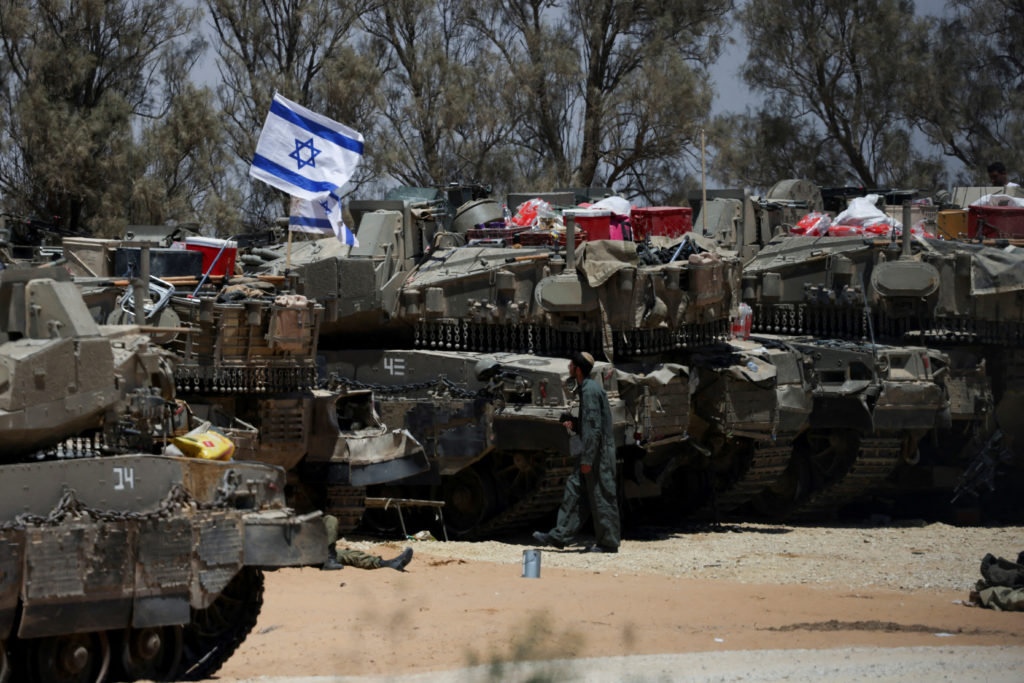
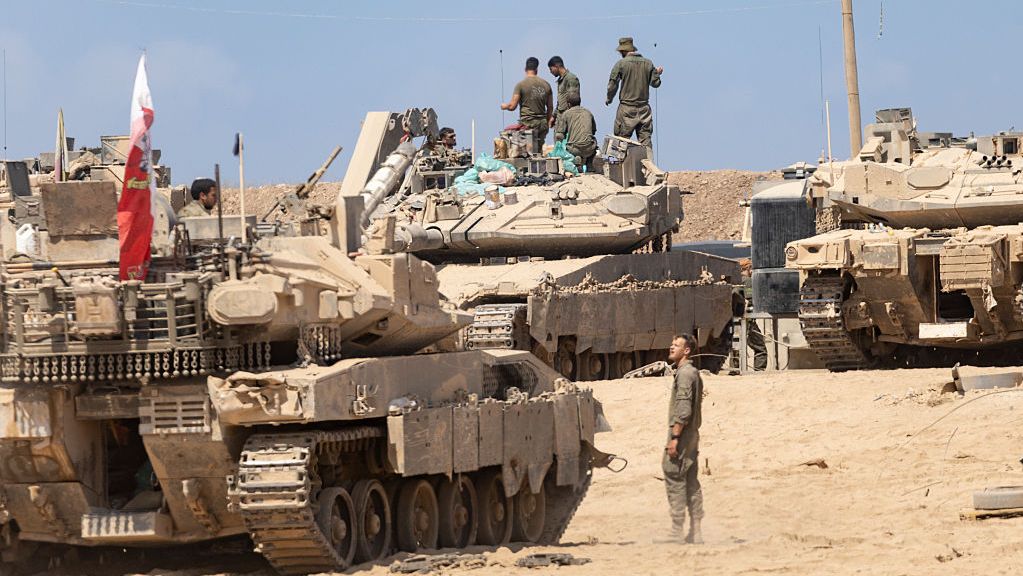
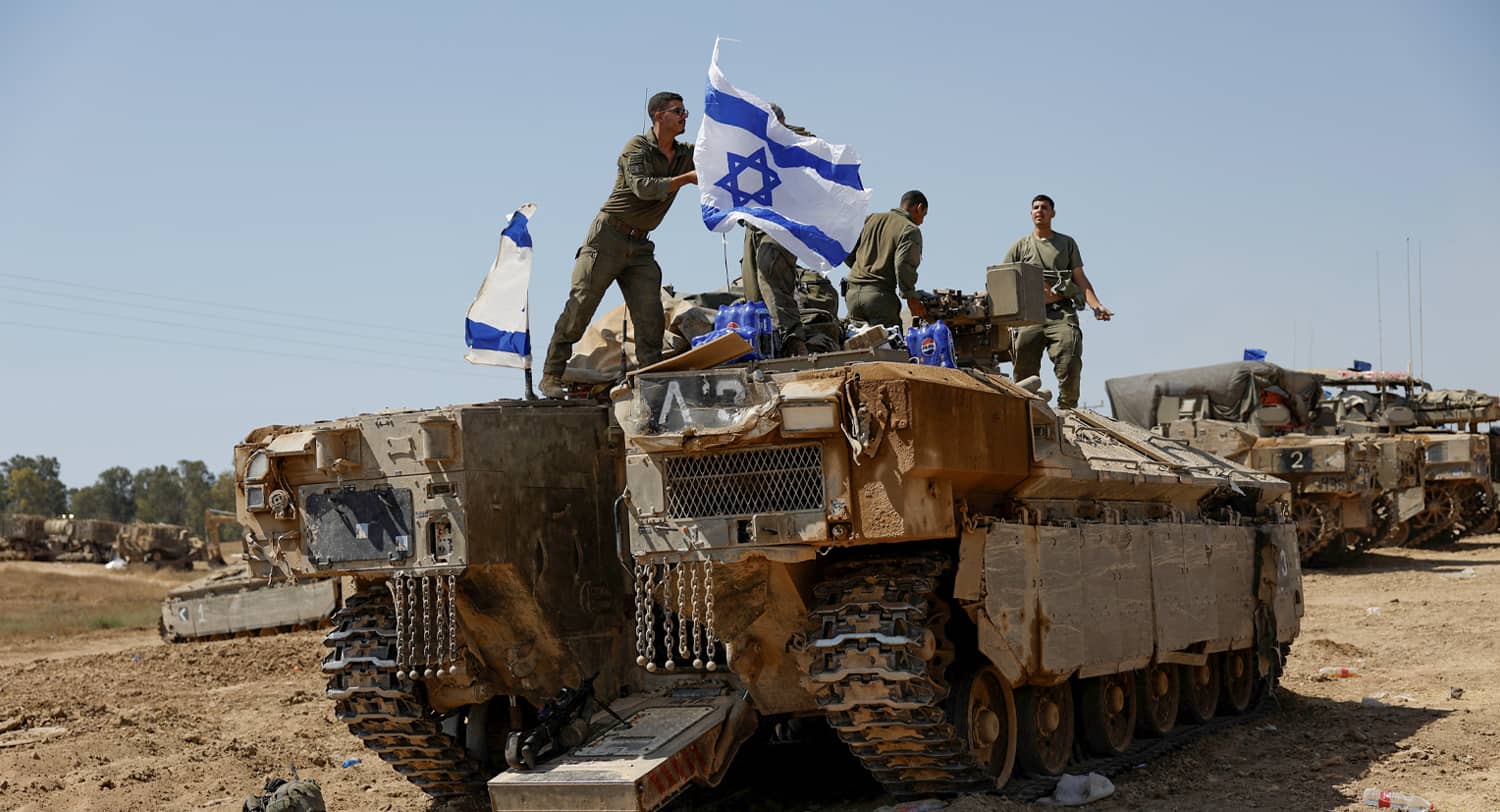
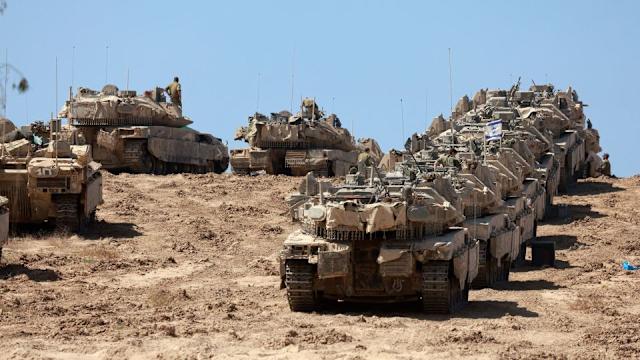
Israeli forces have taken control of an important strip of land along the Gaza Strip’s border with Egypt, near the city of Rafah. This strip of land is officially called the Philadelphi Corridor — a narrow border area that used to be monitored mainly by Egypt and Palestinian guards under old peace agreements. Israel’s military says it seized the corridor as part of its ongoing offensive in southern Gaza.
This development is significant because it changes how Gaza’s border with Egypt is managed, affects how goods and people would move in and out of Gaza, and has broader political and military implications for the conflict between Israel and Hamas. In simple words: Israel has taken over a place that used to be partly controlled by others, and this move is tied to its current campaign against Hamas.
1. What Is the Philadelphi Corridor?
Before we go further, it helps to understand what the Philadelphi Corridor actually is.
The Philadelphi Corridor is a narrow strip of land — about 100 metres wide and roughly 14 kilometres (8.7 miles) long — running along the border between Gaza and Egypt. It was created as part of agreements after peace deals between Israel and Egypt, and was meant to be a sort of buffer zone to stop the movement of weapons, armed fighters, and smuggled goods between Egypt and Gaza.
Under the original terms of the Israel‑Egypt peace treaty and later agreements, Egypt was supposed to patrol this border on its side, and Palestinian authorities were in charge on Gaza’s side. The idea was to keep it peaceful and controlled, not militarised.
But over the years, especially after groups like Hamas gained control in Gaza, that setup didn’t work as planned. Tunnels were dug under or near the corridor to smuggle weapons, fuel, and other supplies into Gaza, and the border area stayed in the headlines for its strategic importance in the conflict.
2. Why Israel Took Control
When Israel said it captured the Philadelphi Corridor, it gave a few reasons for doing so. Here’s the explanation in simple terms:
a. Stopping Smuggling Tunnels
The Israeli military says that the corridor had been used by Hamas and other armed groups to move weapons and materials into Gaza from Egypt. They argue that taking control of the burial of this border strip stops or cuts off these tunnels and smuggling routes.
b. Weakening Hamas
Israel has been fighting Hamas inside Gaza since the militant group attacked Israeli towns in October 2023. By taking control of the border areas, Israel says it is weakening Hamas’s ability to resupply and fight.
c. Deepening the Offensive in Southern Gaza
Controlling the corridor shows that Israel is increasing its military presence not just inside Gaza, but all the way down to the border with Egypt. It is seen as part of a broader strategy in southern Gaza.
3. What This Means on the Ground
a. For the Border Area
Before the takeover, the Rafah border with Egypt was one of the few places where civilians could potentially leave Gaza or where aid could be brought in — at least when gates were open. With Israeli forces now in control of the corridor right beside that border, it changes the dynamics of how that crossing is used.
Military control makes the border more tightly guarded, and it limits movement and access. In some cases, the Rafah crossing has been restricted or closed to civilians and aid workers at times, especially during heightened fighting.
b. For Gaza’s Residents
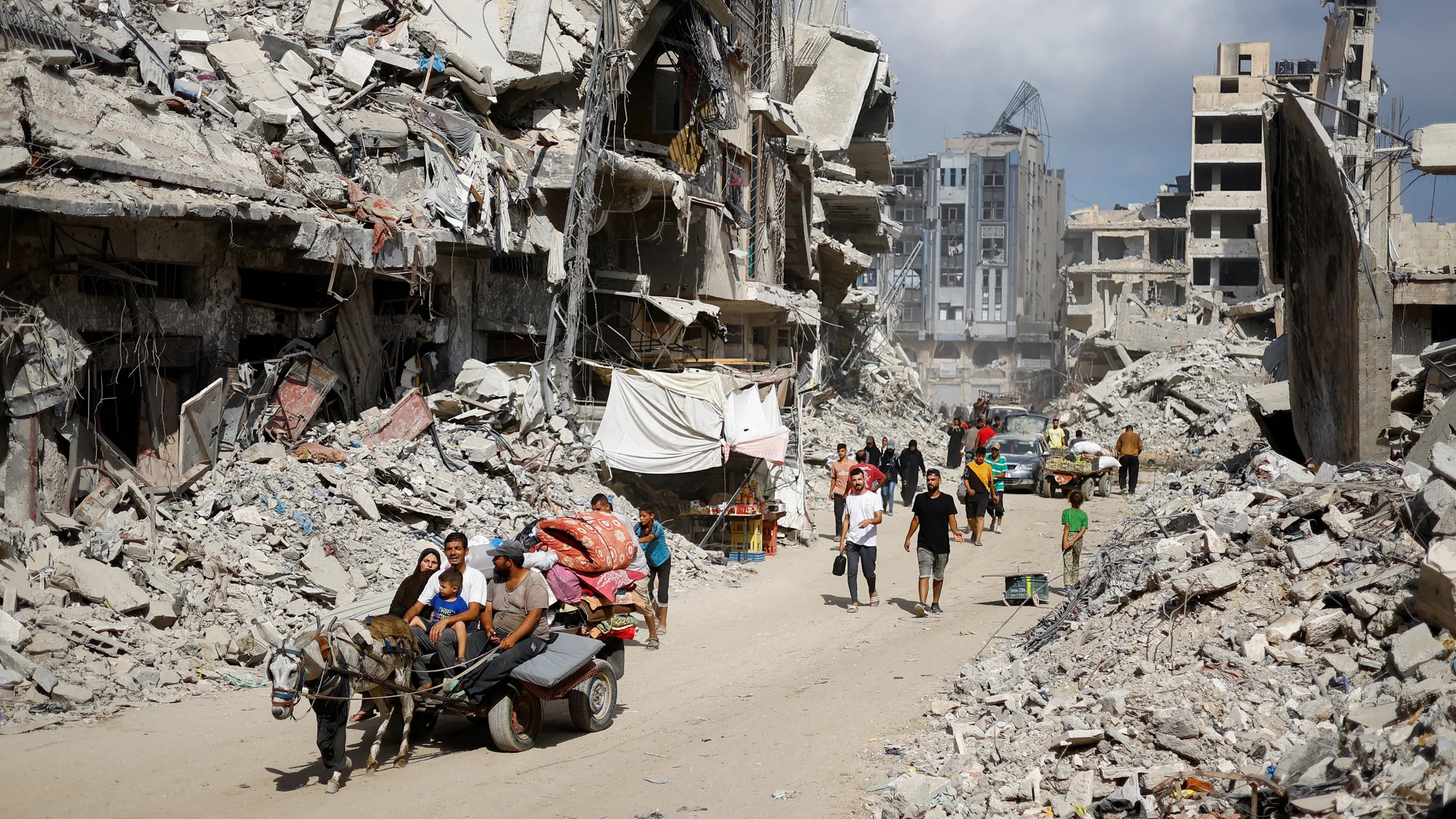
For people living in southern Gaza near Rafah, this is a worrying change. That area was one of the last places inside the Strip that had some civilian life left before the offensive intensified. With the corridor captured and troops closer to the border, many residents find it harder to leave, harder to get humanitarian aid, and generally face increased danger from nearby fighting.
Thousands of people have been displaced from their homes in Rafah and nearby areas as fighting continued. Even before the capture of the corridor, large numbers of civilians were already on the move trying to find safety farther inside Gaza.
4. Does This Affect the Peace Treaty With Egypt?
Yes — this move is complicated because the Philadelphi Corridor was meant to be kept peaceful and under shared or limited control according to past agreements, including the 1979 peace treaty between Israel and Egypt.
Egypt has repeatedly objected to any Israeli military presence at its border with Gaza, including at the corridor. Egyptian officials have said this kind of activity could violate parts of the peace treaty and create serious tensions between Egypt and Israel.
So this is not just a military matter — it’s a diplomatic issue too. Any change in control of the border affects relations between Israel and Egypt and could change how Egypt reacts toward the conflict.
5. What Israel Says About Its Actions
Israeli authorities have defended their move by saying:
-
It does not break the peace treaty because they coordinated with Egypt or keep communications open.
-
Israel needs to control the border zone in order to cut off supply lines and weapons smuggling into Gaza.
-
The operation is part of their ongoing fight against Hamas and is necessary to protect Israeli communities from attacks.
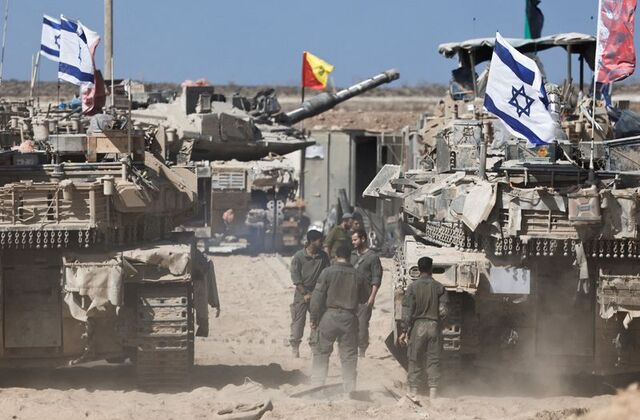
Military Advance Brings Israel Closer to Southern Gaza
6. What Others Say
Different voices in the region and around the world have reacted to this shift:
Critics and Humanitarian Groups
Many critics — including human rights organisations and Middle East observers — argue that:
-
Taking full control of the border worsens the humanitarian situation in Gaza because it makes movement and delivery of aid even more difficult.
-
The military presence so close to civilians increases the risk of further harm to ordinary people.
-
It complicates peace efforts and could turn the border area into a long‑term flashpoint.
Egypt’s Leadership
Egypt has publicly rejected Israeli military presence at the border corridors and expressed concerns about how this affects the treaty and regional stability.
International Community
Some governments and organisations outside the region are worried that this move makes a peaceful solution harder and could prolong the suffering of civilians. Others say Israel has the right to defend itself against attacks but should make sure that humanitarian needs of civilians are protected.
7. Why It Matters for the Gaza War
This change is not just a local event — it is tied to the wider war between Israel and Hamas. The Gaza conflict is rooted in decades of tensions, territorial disputes, and cycles of violence. The current offensive began after Hamas attacked Israel in October 2023, leading to a large Israeli military response.
Control of border areas like the Philadelphi Corridor now matters for several reasons:
-
Military strategy: Israel sees the corridor as a key point to prevent weapons and fighters from entering Gaza.
-
Political leverage: Controlling border areas gives Israel more influence in any negotiations about ceasefire or future arrangements.
-
Human movement: With chokepoints like Rafah and the corridor under tighter control, civilians have fewer safe options to escape the fighting or receive help.
8. What This Means Moving Forward
It’s hard to predict exactly what will happen next, but here are some likely effects:
More Security at the Border
Israel will likely stay in control of the corridor as long as its military offensive continues and until it believes stronger security conditions exist.
Limited Movement for Civilians
Civilians living in southern Gaza will continue to face restricted movement, limited aid access, and dangerous conditions.
Diplomatic Strain
Relations between Israel and Egypt could stay tense if disagreements about the border control remain unresolved.
Great Power Influence
Other countries involved in the region — such as the United States and European mediators — may keep pressing for diplomatic talks or ceasefire agreements that include border arrangements.
Conclusion — Why This Is a Big Deal
The capture of the Philadelphi Corridor by Israeli forces is more than just a military move. It’s something that affects:
-
the humanitarian situation in Gaza, making it harder for aid to reach people and for civilians to move safely,
-
the political landscape between Israel, Egypt, and other regional powers, and
-
the strategic framework of the ongoing conflict with Hamas.
In simple words: Israel now controls a key stretch of land at Gaza’s border with Egypt that was meant to be partly controlled by others. That shift matters both for how the war plays out and how people live on the ground, especially in areas like Rafah.
Read Also: Keep your face towards the sunshine and shadows will fall behind you
Watch Also: https://www.youtube.com/@TravelsofTheWorld24





Leave a Reply