
Makeup can feel confusing when you’re just starting. There are so many products, tools, shades, and techniques that it’s easy to feel overwhelmed. The good news is that you don’t need to be a professional to look beautiful. With a few simple tips and some practice, anyone can learn how to do everyday makeup that looks natural, fresh, and flattering.
Start with Clean, Moisturized Skin
Great makeup begins with good skin prep. Always wash your face with a gentle cleanser to remove oil and dirt. After that, apply a moisturizer that suits your skin type. If your skin is dry, use a richer cream. If it’s oily, choose a light, oil-free moisturizer.
Moisturized skin helps makeup sit smoothly and prevents patchiness. If you skip this step, foundation can look cakey or uneven.
Use Primer (Optional but Helpful)
Primer is not mandatory for beginners, but it can make a big difference. It smooths the skin, blurs pores, and helps makeup last longer. If you have oily skin, a mattifying primer helps control shine. If your skin is dry, a hydrating primer adds glow.
Apply a small amount and gently spread it across your face. You don’t need much.
Choose the Right Foundation
Foundation evens out your skin tone. The biggest mistake beginners make is choosing the wrong shade. Always pick a color that matches your neck, not just your face.
If you want a natural look, start with a light or medium coverage foundation or even a tinted moisturizer. Apply small dots on your face and blend using a sponge, brush, or clean fingers. Blend well, especially around the jawline and hairline.
Remember, less is more. You can always add more if needed.
Concealer for Dark Circles and Spots
Concealer is used to hide dark circles, pimples, and redness. Choose a shade slightly lighter than your foundation for under the eyes.
Apply a small amount and gently tap it in — don’t rub. Blending softly gives a smooth finish. Too much product can crease or look heavy.
Set with Powder (If Needed)
Powder helps keep makeup in place and reduces shine. If you have oily skin, apply powder to the T-zone (forehead, nose, chin). If your skin is dry, use very little powder or skip it completely.
Use a fluffy brush and apply lightly. Heavy powder can make your face look flat and dull.
Add Natural Color with Blush
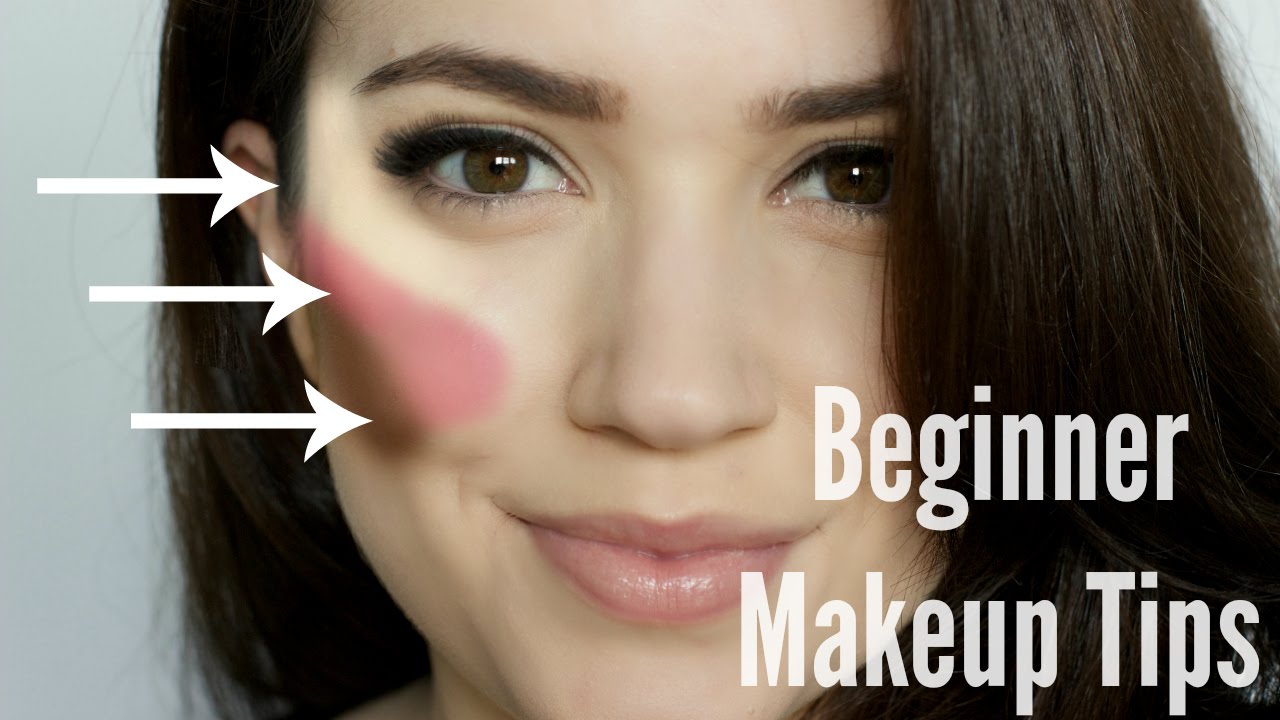
Blush instantly makes your face look fresh and healthy. Smile slightly and apply blush to the apples of your cheeks, then blend upward.
Soft pinks and peach tones work for most beginners. Cream blush is also great because it looks natural and is easy to blend.
Simple Eye Makeup for Beginners
You don’t need complicated eyeshadow looks. Start simple.
-
Use a neutral shade across the eyelid
-
Apply a slightly darker shade in the crease for depth
-
Blend well to avoid harsh lines
Mascara alone can make a huge difference. Curl your lashes first if you have a curler, then apply one or two coats of mascara from root to tip.
If eyeliner feels hard, start with a thin line close to the lashes. You don’t need dramatic wings in the beginning.
Shape Your Brows Naturally
Eyebrows frame your face, but they don’t need to be perfect. Use a brow pencil or powder to lightly fill gaps using small strokes that look like hair.
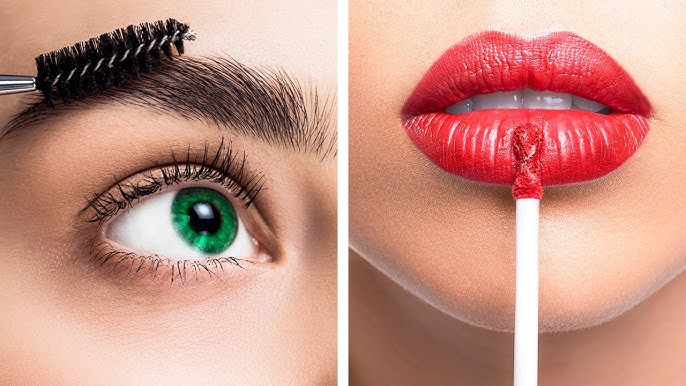
Avoid drawing one solid line — it can look unnatural. Brush brows upward with a spoolie for a softer finish.
Choose an Easy Lip Product
Lipstick is fun but can feel tricky at first. Start with tinted lip balm, gloss, or a soft nude lipstick. These are forgiving and easy to apply without perfect precision.
If you want longer wear, apply lipstick, blot with tissue, then apply another light layer.
Blend, Blend, Blend
Blending is the secret to good makeup. Harsh lines make even expensive makeup look bad. Take a few extra seconds to soften edges on foundation, blush, and eyeshadow.
A damp sponge or clean brush works well for blending.
Good Lighting Matters
Always apply makeup in natural light if possible. Yellow indoor lighting can make colors look different, which may lead to over-applying products.
Keep Your Routine Simple
You don’t need 20 products. A basic beginner kit can include:
-
Cleanser and moisturizer
-
Foundation or tinted moisturizer
-
Concealer
-
Powder (optional)
-
Blush
-
Mascara
-
Brow product
-
Lip product
This is enough for a complete everyday look.
Practice Makes Progress
Your first attempts may not look perfect, and that’s okay. Makeup is a skill, just like drawing or cooking. The more you practice, the better you’ll understand what suits your face.
Try different styles at home when you’re not in a rush. Experiment with colors and techniques until you find what feels comfortable.
Remove Makeup Properly
Never sleep with makeup on. Use makeup remover, micellar water, or cleansing balm, then wash your face. This keeps your skin healthy and prevents breakouts.
Confidence Is the Real Goal
Makeup should enhance your features, not hide who you are. There’s no single “right” way to do it. Some days you may want a natural look, other days something bold — both are fine.
Read Also: Keep your face towards the sunshine and shadows will fall behind you
Watch Also: https://www.youtube.com/@TravelsofTheWorld24





Leave a Reply