
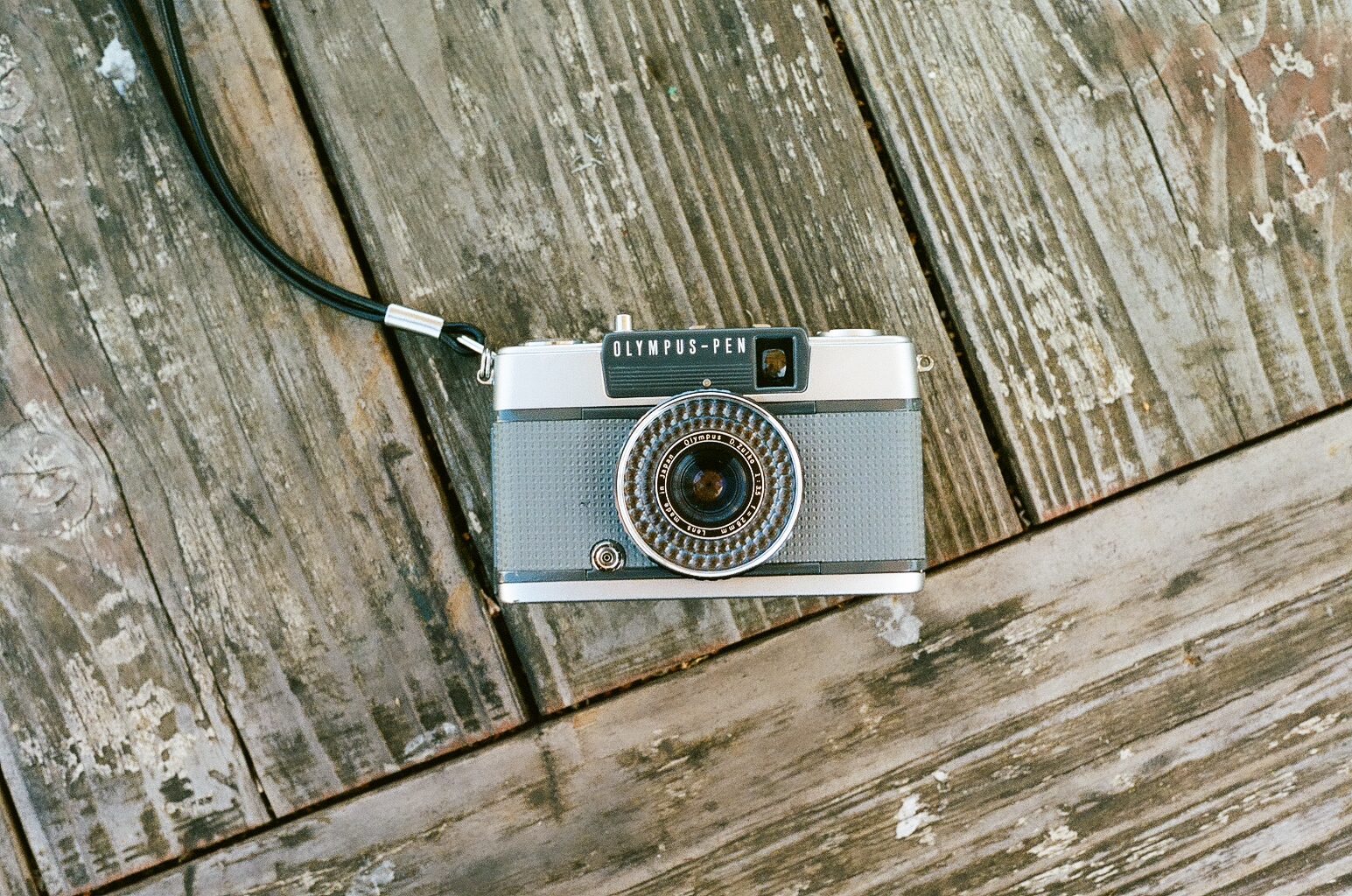
Film photography has a charm that digital can’t always match. The anticipation of waiting for a roll to develop, the soft tones, and the slight imperfections all give it character. In this article, we explore the world of 35mm compact cameras through the lens of Daniel Marinelli, photographer #29 in our series.
1. Why 35mm Compact Cameras?
35mm compact cameras are small, portable, and easy to use. They offer a great introduction to film photography without the complexity of bigger cameras.
Key benefits:
-
Portability: Fits in your pocket or bag.
-
Automatic settings: Focus, exposure, and shutter speed are mostly handled by the camera.
-
Consistency: Good for everyday shooting and travel.
For beginners, a 35mm compact camera is the perfect way to explore film photography. For experienced photographers like Daniel Marinelli, it’s a tool to capture spontaneous moments quickly.
2. Daniel Marinelli’s Approach
Daniel uses his compact camera to capture life as it happens. He prefers small cameras because they allow him to move freely and photograph people and places without drawing attention.
Some of his guiding principles:
-
Simplicity: Focus on the subject, not complicated settings.
-
Light and shadow: Pay attention to how light falls on objects or faces.
-
Storytelling: Every frame should tell a small story.
He often shoots with color film to bring out natural tones, but occasionally experiments with black-and-white film for moodier shots.
3. Choosing the Right Film
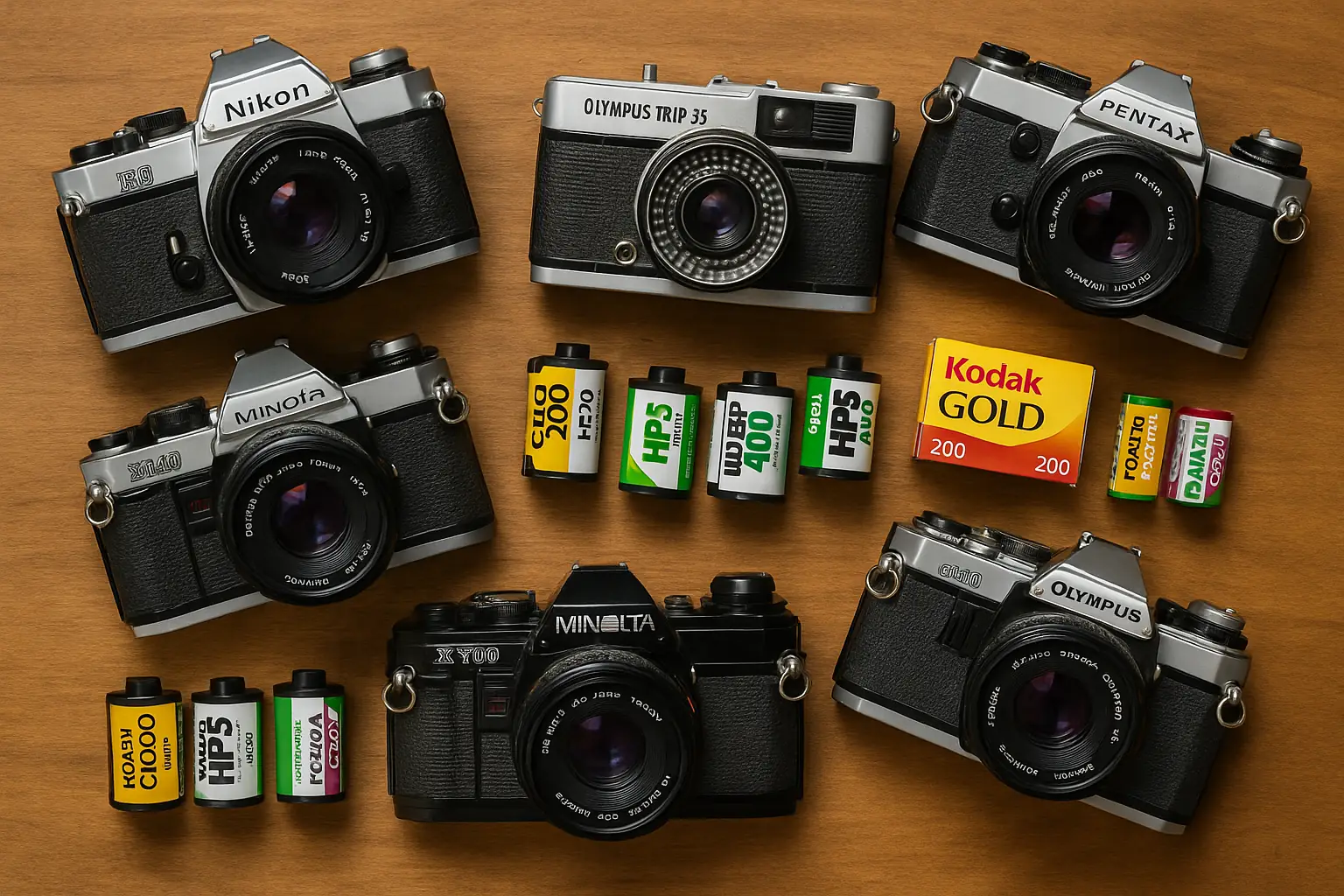
Daniel favors Fuji Superia 400 for its versatility and vivid colors. Other good options include Kodak Gold 200 or Ilford HP5 for black-and-white photography.
Why film choice matters:
-
ISO: Determines how sensitive the film is to light. ISO 400 is great for everyday use.
-
Color vs. black-and-white: Color adds vibrancy, black-and-white emphasizes composition and contrast.
-
Grain: Some films have more noticeable grain, which can add character to the photo.
4. Preparing the Camera
Before starting a roll:
-
Check battery (if the camera has a powered light meter or automatic functions).
-
Insert the film correctly and advance it to the first frame.
-
Clean the lens gently to avoid spots or dust marks.
The compact camera is mostly automatic, but knowing these basics ensures smooth shooting.
5. Shooting Techniques
Frame Selection
Daniel treats each frame like a small canvas. He slows down to consider:
-
Subject placement: Use the rule of thirds for balanced composition.
-
Foreground and background: Avoid distractions and keep focus on the subject.
-
Light: Shoot during soft morning or evening light when possible.
Candid Shots
Compact cameras are perfect for candid photography. People often don’t notice a small camera, so natural expressions and movements are easier to capture.
-
Tip: Pre-focus on a spot and wait for the subject to enter the frame.
-
Tip: Keep your movements slow and steady to avoid camera shake.
6. Indoor Photography
Shooting indoors can be tricky. Daniel often relies on ambient light rather than flash. Fuji Superia 400 performs well in moderate light, but for very dark spaces, he chooses slower shutter speeds and steadies the camera.
-
Tip: Stand near windows or lamps for better light.
-
Tip: Use props or background elements to add depth to the photo.
7. Outdoor Photography
Outdoor shots benefit from natural light and more dynamic compositions. Daniel often captures streets, parks, and travel scenes.
-
Tip: Use the sky or architectural lines to lead the eye toward the subject.
-
Tip: Look for shadows and reflections – they add interest.
Even a small compact camera can create professional-looking frames when composition is considered carefully.
8. Review and Learning
After finishing a roll, Daniel develops the film and reviews the scans. He looks for patterns:
-
Which lighting worked best
-
How movement affected the shots
-
What compositions were most effective
Reviewing helps improve future rolls and develops a photographer’s eye.
9. Compact Camera Advantages for Photographers
-
Discreet: People are less intimidated by small cameras.
-
Portable: Great for travel or street photography.
-
Simple: Focus on creativity instead of technical settings.
-
Consistent results: Good lenses produce sharp images.
-
Fun: Shooting becomes more about experimentation and observation.
Daniel emphasizes that it’s not the gear but how you use it that matters most.
10. Tips for Using a 35mm Compact Camera
-
Plan your shots: Think about framing and light before shooting.
-
Practice: The more you shoot, the better your eye becomes.
-
Experiment: Try different angles, distances, and subjects.
-
Stay patient: Film photography rewards thoughtfulness.
-
Take notes: Keep track of exposures, lighting, and film type to learn faster.
11. Why Daniel Chooses 35mm Compact Cameras
For Daniel, compact cameras are about capturing real moments quickly and naturally. Unlike bulky cameras, they don’t get in the way or scare off subjects. They also make the process fun and light, letting him focus on creativity rather than technicalities.
12. Final Thoughts
The 35mm compact camera is an underrated tool for photographers. Whether you’re a beginner or experienced like Daniel Marinelli, these cameras can produce striking images. Combined with the right film, careful observation, and a little patience, every frame can tell a story.
Film photography slows you down, helps you notice light and composition, and adds a tactile satisfaction digital cameras can’t match. Compact cameras prove that great photography doesn’t require expensive gear – just vision, patience, and a love for capturing the world.
Read Also: Keep your face towards the sunshine and shadows will fall behind you
Watch Also: https://www.youtube.com/@TravelsofTheWorld24



Leave a Reply