
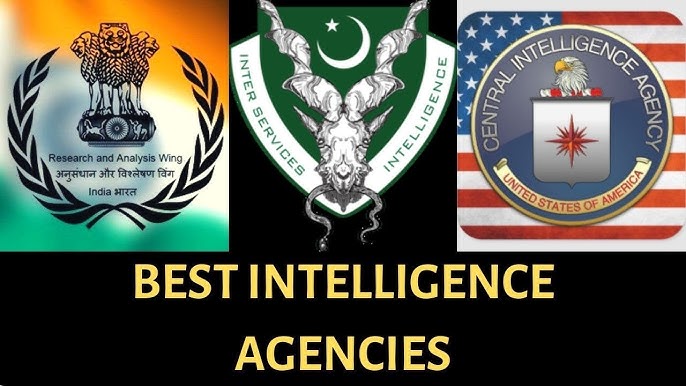
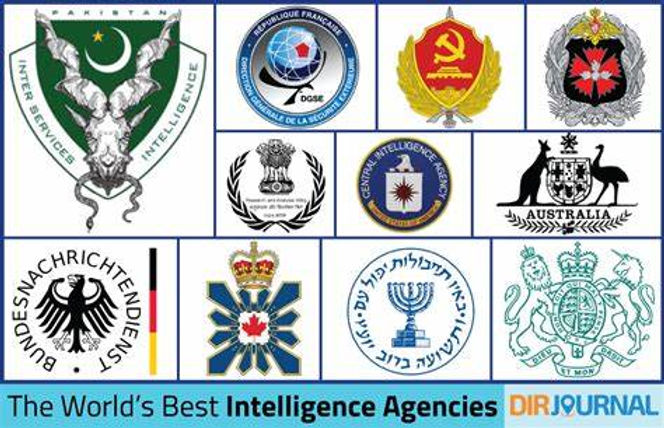
Intelligence agencies are the silent guardians of national security. They operate behind the scenes, gathering information, preventing threats, and supporting governments in critical decisions. Some are small but highly skilled, while others have global influence. Here’s a look at the 10 best intelligence agencies in the world and what makes them stand out.
1. CIA – United States
The Central Intelligence Agency (CIA) is the most famous intelligence agency in the world.
-
Role: Foreign intelligence, covert operations, and advising US policymakers.
-
Strengths: Global network, advanced technology, and experience in complex missions.
-
Famous operations: Tracking Osama bin Laden, Cold War espionage, and supporting allied nations.
The CIA combines human intelligence with high-tech tools, making it a global powerhouse in intelligence.
2. MI6 – United Kingdom
The Secret Intelligence Service (SIS or MI6) handles foreign intelligence for the UK.
-
Role: Gather intelligence outside the UK and prevent global threats.
-
Strengths: Skilled field agents, decades of experience, and strong global partnerships.
-
Famous operations: Anti-terror missions, Cold War spying, and collaboration with the CIA.
MI6 is respected for its discretion and expertise in international espionage.
3. Mossad – Israel
Mossad is Israel’s national intelligence agency, known for daring operations.
-
Role: Foreign intelligence, counterterrorism, and secret missions.
-
Strengths: Highly trained operatives, quick decision-making, and bold strategies.
-
Famous operations: Capturing Adolf Eichmann, tracking terrorists, and regional intelligence work.
Mossad has a reputation for precision, courage, and efficiency in high-risk missions.
4. FSB – Russia
The Federal Security Service (FSB) is Russia’s primary domestic intelligence and security agency.
-
Role: Counterintelligence, internal security, and monitoring threats inside Russia.
-
Strengths: Large domestic network, political influence, and cyber capabilities.
-
Famous operations: Counterespionage, cyber operations, and protecting Russian interests.
The FSB is highly influential within Russia, making it a key player in global intelligence.
5. DGSE – France
The Direction Générale de la Sécurité Extérieure (DGSE) is France’s foreign intelligence service.
-
Role: Collect intelligence overseas and protect French interests.
-
Strengths: Skilled operatives, advanced surveillance technology, and global reach.
-
Famous operations: Counterterrorism missions in Africa and intelligence support for French military operations.
DGSE operates quietly but effectively across continents.
6. BND – Germany
Germany’s Bundesnachrichtendienst (BND) is responsible for foreign intelligence.
-
Role: Provide the German government with information about global threats.
-
Strengths: Strong analytical capabilities, technological surveillance, and international networks.
-
Famous operations: Monitoring terrorism, cyber intelligence, and European security collaboration.
BND is valued for its careful analysis and accuracy rather than flashy operations.
7. RAW – India
The Research and Analysis Wing (RAW) is India’s premier foreign intelligence agency.
-
Role: Espionage, counterterrorism, and strategic intelligence.
-
Strengths: Regional expertise, covert operations, and knowledge of complex neighboring regions.
-
Famous operations: Intelligence on Pakistan, counterterrorism missions, and strategic surveillance abroad.
RAW is highly respected for its operational and regional expertise.
8. MSS – China
The Ministry of State Security (MSS) manages China’s domestic and foreign intelligence.
-
Role: Counterintelligence, foreign intelligence, and protecting state interests.
-
Strengths: Large resources, cyber espionage capabilities, and strategic intelligence gathering.
-
Famous operations: Cyber intelligence, monitoring dissidents, and global espionage.
MSS is growing in influence as China expands its global presence.
9. ISI – Pakistan
The Inter-Services Intelligence (ISI) is Pakistan’s key intelligence agency.
-
Role: Military intelligence, counterintelligence, and security operations.
-
Strengths: Strong regional influence, especially in South Asia, and experience in covert operations.
-
Famous operations: Intelligence on Afghanistan and India, anti-terror missions, and regional security monitoring.
ISI is known for being secretive yet highly effective in regional affairs.
10. ASIS – Australia
The Australian Secret Intelligence Service (ASIS) is responsible for Australia’s foreign intelligence.
-
Role: Gather intelligence overseas, support national security, and conduct covert operations.
-
Strengths: Skilled operatives, regional expertise in the Asia-Pacific, and strong ties with Western allies.
-
Famous operations: Intelligence sharing with allies, regional threat monitoring, and supporting Australian interests abroad.
Though smaller than some agencies, ASIS plays a vital role in global intelligence cooperation.
How These Agencies Operate
Most top intelligence agencies use a mix of methods:
-
Human intelligence (HUMINT): Information from people and insiders.
-
Signals intelligence (SIGINT): Monitoring communications and electronic signals.
-
Cyber operations: Hacking, cyber defense, and online surveillance.
-
Covert operations: Secret missions to influence events or gather intelligence.
-
Analytical intelligence: Processing collected information to guide decision-making.
The combination of these techniques makes these agencies effective in protecting national interests.
Why Some Agencies Are More Powerful
Power comes from:
-
Global reach: Ability to operate internationally.
-
Resources: Funding, technology, and skilled personnel.
-
Influence: Political support and partnerships.
-
Expertise: Skilled operatives and analytical teams.
Agencies like the CIA, MI6, and Mossad excel in all these areas, making them leaders in global intelligence.
The Role of Technology
Technology has transformed intelligence work:
-
Surveillance drones and cameras monitor areas remotely.
-
Cyber tools intercept communication or defend against attacks.
-
Artificial intelligence analyzes huge data sets quickly.
Agencies that combine human skill with technology have a clear advantage.
Global Cooperation
Top intelligence agencies often cooperate internationally:
-
Five Eyes alliance: USA (CIA), UK (MI6), Canada (CSIS), Australia (ASIS), and New Zealand (NZSIS) share intelligence regularly.
-
Counterterrorism networks: Agencies share data to prevent attacks worldwide.
-
Cybersecurity partnerships: Cooperation protects against global cyber threats.
Collaboration increases the reach and effectiveness of these agencies.
Final Thoughts
Intelligence agencies operate in the shadows, but their impact is immense.
The CIA, MI6, Mossad, FSB, and others are powerful because they combine human skill, technology, global networks, and experience. They prevent attacks, protect nations, and sometimes shape global events quietly.
Even if we never see their work, their influence touches everyday life. From cyber defense to counterterrorism and international diplomacy, these agencies are essential to global security and stability.
Read Also: Keep your face towards the sunshine and shadows will fall behind you
Watch Also: https://www.youtube.com/@TravelsofTheWorld24














Leave a Reply