
The Story of How Instant Cameras Began
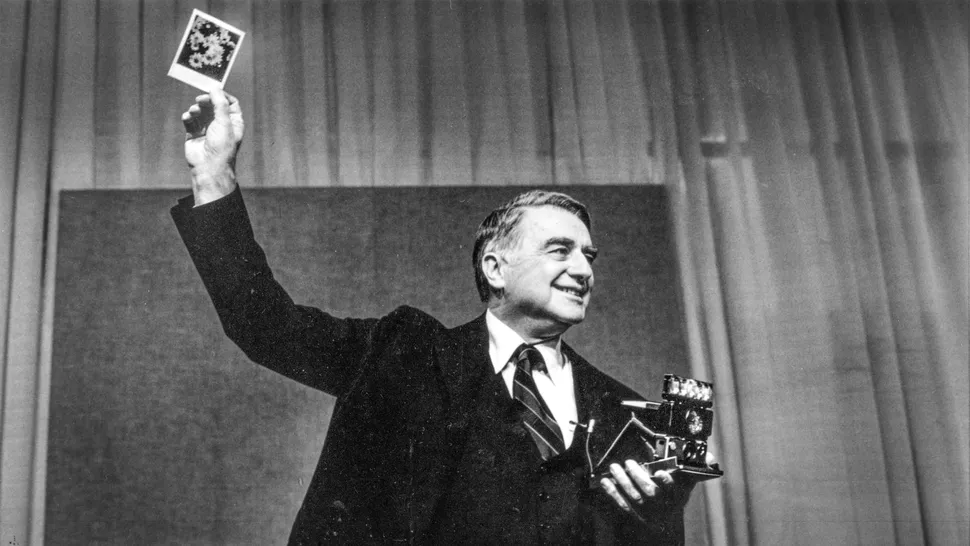
A long time ago, there was a young man named Edwin Land. He was very smart and curious. When he was just 17 years old, he got into Harvard University to study chemistry. But after a year there, Land didn’t like the normal way they taught things — he wanted to discover and make new things, not just learn from books. So he left Harvard and started working with a friend.
This decision was huge. Together, they built a company that became very successful. They hired a lot of people and worked on new technologies that no one had seen before. Land invented products that many people didn’t even know they needed. He was also very good at showing his inventions to the world in big magazines so people could see them. Over his life, he got more than 500 patents for his inventions.
One of Land’s important inventions early on was a special kind of film. Most films back then were simple pieces of plastic, but Land figured out how to line tiny crystals in one direction and put them into a plastic sheet. This made the film able to block or let light in a special way. He called this Polaroid film and got a patent for it in 1929. Soon after, he and his friend started a company called Polaroid Corporation.
The Question That Changed Everything
Now here’s the moment that changed camera history.
In 1943, Land was on a family trip in Santa Fe, New Mexico. He took a picture of his three‑year‑old daughter, Jennifer, with a regular film camera. After he took the photo, she looked at him and asked a simple but powerful question:
“Why can’t we see the picture right after we take it?”
This was a small question from a little kid — but it made Land think deeply. He wanted to find a way so that photos could appear right after you took them. Back then, cameras needed film to be developed at a lab, and people had to wait hours or even days before they could see the picture.
Land began to imagine a camera that could show the photo instantly, without needing a darkroom or a lab. Within just one hour after his daughter’s question, he already had the basic idea of how such a camera might work. Right after the trip, he started working on that idea seriously.
Turning the Idea into Reality
Land didn’t stop with just a thought — he worked day and night on making this idea real.
For more than three years, he and his team worked on designing the camera and a new type of film that could develop itself right after the picture was taken. This was a real challenge, because they needed to make lots of chemical layers work together inside the film so a photo could magically appear in front of your eyes.
The Little Question That Changed Photography Forever
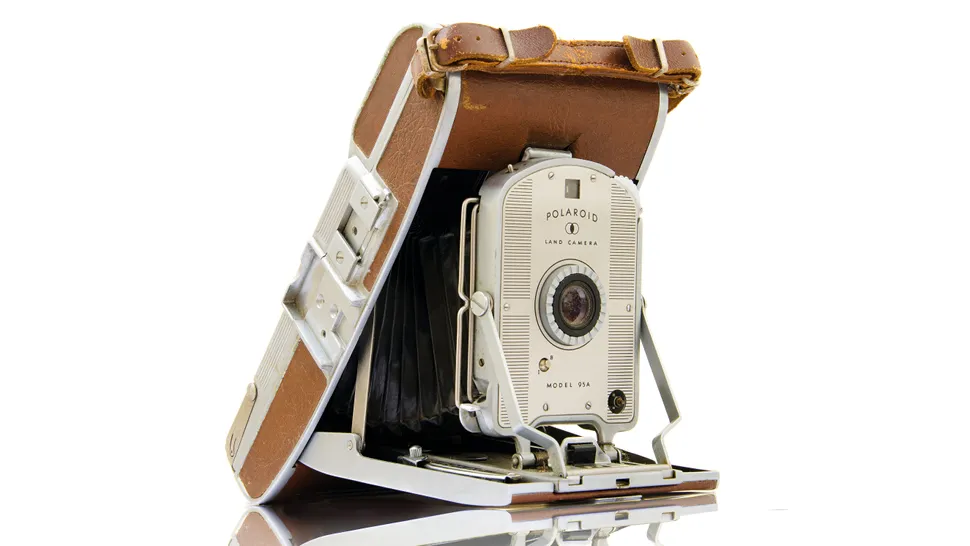
Finally, on February 21, 1947, Land showed the world the first version of the instant camera at a meeting of scientists. This camera was called the Polaroid Land Camera. Less than two years later, in 1948, Polaroid put the Model 95 instant camera on sale.
This first instant camera didn’t make color pictures yet — it was black and white and only made sepia tones — but it was still amazing for the time. People could take a photo and have a physical print in their hands within minutes. That was something no other camera could do. And people loved it. The first batch sold out almost immediately, even though it cost a lot of money at the time.
Growing the Technology and Making it Even Better
After the first instant camera’s success, Land and his company didn’t stop working. They kept improving the cameras and the film, making them better, faster, and easier to use.
For many years, Polaroid worked on creating color instant photos, where pictures could show real colors instead of just black and white or sepia. This was a much bigger challenge because the chemistry was harder. But Land and his team kept working hard, improving their ideas step by step.
By the late 1960s, they were ready. In 1970, after many years of research and a huge investment of $600 million — an enormous amount for that time — Polaroid introduced something amazing: the SX‑70 camera. This camera was foldable and could take full‑color photos that developed before your eyes in seconds. It was fast, fun, and easy to use.
People could open the camera, take a shot, and watch the picture slowly appear in their hands. This was something new and magical for people everywhere, and it helped change the way the world thought about photography.
Why This Story Matters
Land’s invention didn’t just create a new kind of camera — it changed photography for millions of people.
Before instant photography, people had to wait to see their pictures. They might send their film to a lab and wait days, or even weeks. But instant cameras made photography social, fun, and immediate. You could take photos at parties, on trips, at family events — and watch them appear right away.
This idea influenced future camera technologies too. The idea of seeing photos quickly became something we now take for granted, especially with digital cameras and smartphones. But it all started with that one simple question from a little girl that made a smart inventor think differently.
In a way, this story shows how curiosity — even from a child — can help spark something big. A question that seemed small at the moment ended up starting a revolution in photography that changed the world.
Read Also: Keep your face towards the sunshine and shadows will fall behind you
Watch Also: https://www.youtube.com/@TravelsofTheWorld24





Leave a Reply