
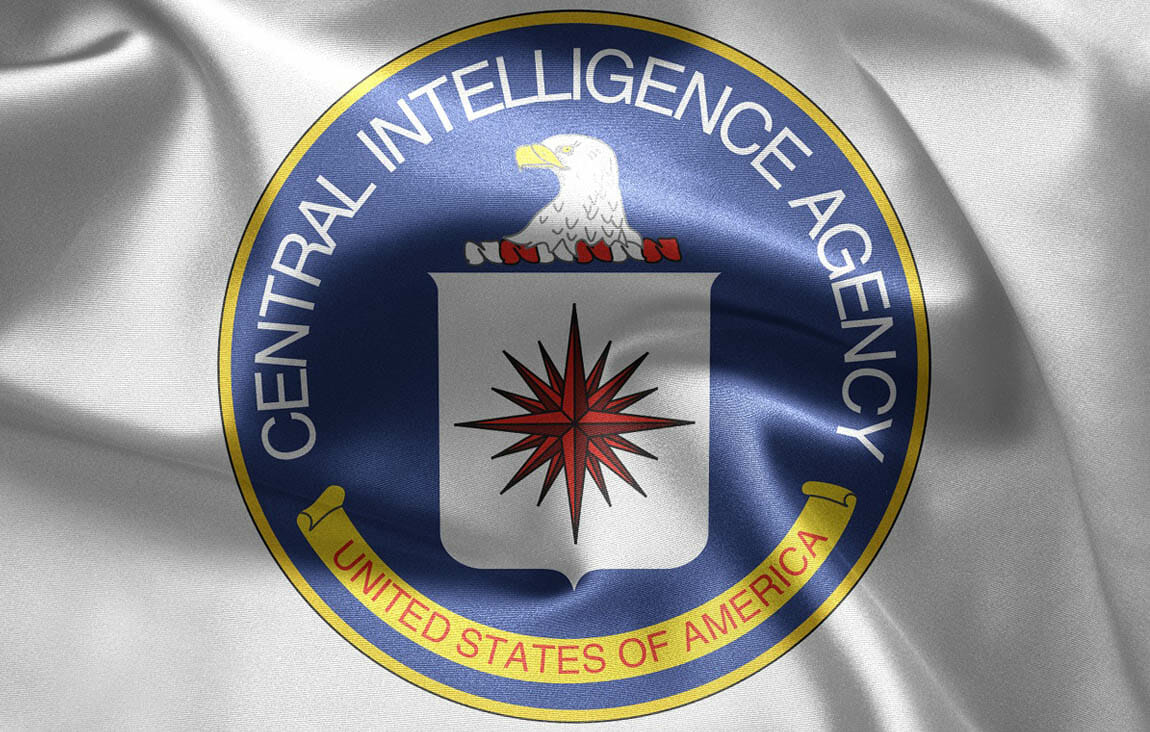
The Central Intelligence Agency, or CIA, is one of the most well-known intelligence organizations in the world. Because it deals with secret operations and classified information, the agency has been surrounded by rumors, conspiracy theories, and Hollywood portrayals. Many people believe certain ideas about the CIA that are not entirely true. Here are five common myths, explained in simple terms.
Myth 1: The CIA Controls the U.S. Government
Some people think the CIA secretly runs the U.S. government, influencing presidents, Congress, and national decisions. While the CIA is powerful and provides important intelligence, it does not control elected leaders or U.S. policy.
The agency’s role is to collect and analyze information, then advise policymakers. Decisions are made by elected officials, not CIA officers. The agency must follow laws and is overseen by Congress and other government bodies.
In reality, the CIA can provide insights that influence decisions, but it cannot dictate what the government does.
Myth 2: The CIA Is Always Successful at Spying
Movies often show the CIA catching every spy and stopping every threat, but in real life, intelligence work is far from perfect. Spying is difficult, risky, and sometimes leads to mistakes.
Some operations fail or provide inaccurate information. Human sources may lie, technology can fail, and foreign adversaries are skilled at hiding their activities. Intelligence is more about reducing uncertainty than guaranteeing success.
Even with failures, the CIA often provides valuable information that helps protect national security, but it is never all-knowing.
Myth 3: All CIA Work Is Dangerous or Secret
While the CIA is famous for covert operations, much of its work is routine and analytical. Many employees work in offices, analyzing data, monitoring global events, or supporting field operations from a safe location.
Jobs include:
-
Research and analysis
-
Language translation
-
Cybersecurity
-
Technology development
-
Administrative support
Only a small portion of CIA operations are high-risk field missions. Most intelligence work involves careful planning and study rather than dramatic spy action.
Myth 4: The CIA Can Legally Operate Anywhere in the World Without Restrictions
Some believe the CIA can do anything overseas. In reality, the agency must follow U.S. law and international agreements. Operating in foreign countries often requires coordination with local governments or embassies.
Unauthorized actions can create diplomatic problems or legal consequences. The CIA has special legal guidance and oversight to ensure its operations are conducted responsibly. While it has more flexibility than some agencies, it is not above the law.
Myth 5: The CIA Only Spies on Foreign Countries
Many assume the CIA’s work is limited to spying abroad. While its main mission is foreign intelligence, it also collaborates with domestic agencies like the Federal Bureau of Investigation (FBI) when foreign threats may affect the United States.
The CIA is not allowed to spy on U.S. citizens inside the country unless specifically authorized under strict legal rules. Domestic intelligence is mostly handled by the FBI or other agencies.
This means the CIA’s primary focus is global, protecting U.S. interests from foreign threats.
Why These Myths Persist
Hollywood movies, novels, and TV shows often exaggerate CIA activities, creating dramatic stories that stick in people’s minds. Conspiracy theories and sensational media stories also contribute to misunderstandings.
Secrecy is another factor. Because the agency cannot reveal all of its work, people fill in gaps with speculation. Over time, myths become accepted as truth, even though reality is more complex.
Understanding the CIA Today
The CIA is part of the broader U.S. intelligence community. Its role is to gather information, analyze threats, and provide guidance to protect national security. The agency combines technology, human intelligence, and international partnerships to stay informed about global developments.
The work involves careful planning, legal oversight, and ethical considerations. While it can be exciting in stories, the actual job is mostly research, analysis, and coordination — not the glamorous spy missions often imagined.
Conclusion
The CIA is powerful, secretive, and influential, but many popular beliefs about the agency are myths. It does not control the government, cannot guarantee perfect results, does not spy freely on citizens, and most employees work in safe, analytical roles rather than dangerous field missions.
Understanding the difference between fact and fiction helps people appreciate the CIA’s real contributions to national security. While Hollywood shows make spying look thrilling, the real intelligence work is about careful observation, analysis, and decision-making — quietly keeping the country safe.
Read Also: Keep your face towards the sunshine and shadows will fall behind you
Watch Also: https://www.youtube.com/@TravelsofTheWorld24













Leave a Reply