
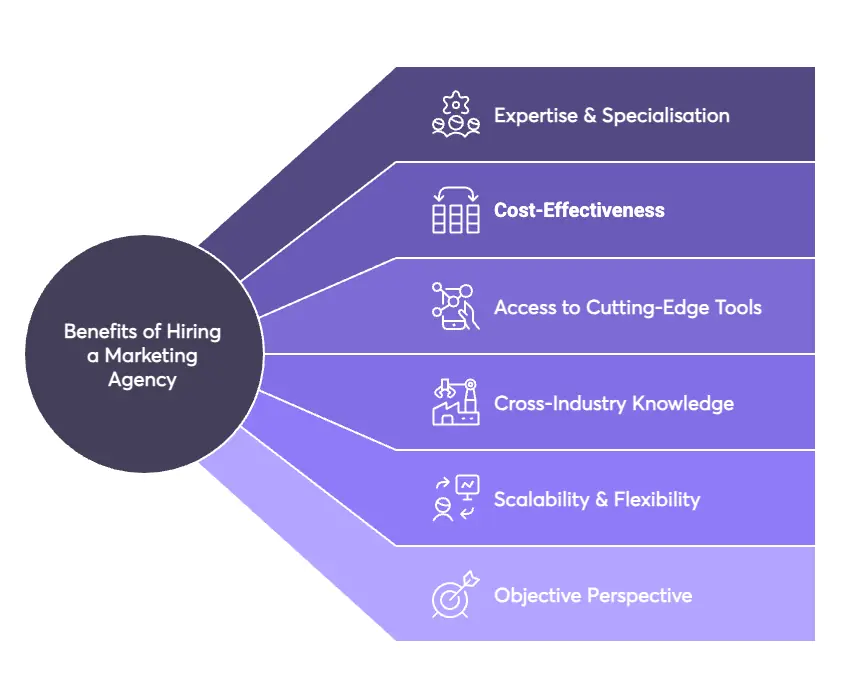
Choosing a marketing or advertising agency can make or break your business growth. Many agencies promise big results, but not all of them think strategically. Some simply run ads or execute tasks without truly understanding your business goals. These are often called “media operators.” On the other hand, a real strategic partner helps shape your direction, solve problems, and drive long-term success.
So how do you tell the difference before signing a contract? A clear vetting scorecard — basically a smart set of questions — can help you evaluate agencies properly.
Below are seven powerful questions that reveal whether an agency will act as a true partner or just another vendor.
Why This Matters
Hiring the wrong agency wastes money, time, and opportunities. You may see activity — ads running, posts going live, reports arriving — but little real progress.
A strong agency should:
-
Understand your business deeply
-
Focus on outcomes, not just outputs
-
Offer guidance, not just services
-
Adapt strategies as conditions change
-
Care about your long-term growth
If an agency cannot do these things, it is likely operating at a surface level.
1. Do They Start with Business Goals or Marketing Tactics?
A strategic partner begins by asking about your company’s objectives:
-
Revenue targets
-
Market expansion plans
-
Customer segments
-
Profit margins
-
Competitive challenges
A media operator, however, jumps straight into tactics:
-
“We’ll run ads.”
-
“We’ll boost your social media.”
-
“We’ll do SEO.”
Tactics without context rarely produce meaningful results.
What to look for:
An agency that connects marketing efforts directly to business outcomes.
2. How Do They Measure Success?
Not all metrics matter equally. Some agencies focus on “vanity metrics” such as:
-
Likes
-
Impressions
-
Clicks
-
Followers
While these numbers can be useful, they do not always translate into revenue.
A strategic partner focuses on metrics tied to growth:
-
Leads generated
-
Customer acquisition cost
-
Conversion rates
-
Sales revenue
-
Lifetime value of customers
What to look for:
Clear reporting that shows how marketing affects the bottom line.
3. Do They Understand Your Industry and Customers?
Generic strategies rarely work well. Every industry has different buying behavior, regulations, competition, and customer expectations.
A strong agency will research:
-
Your target audience
-
Buying journey
-
Pain points
-
Competitors
-
Market trends
If an agency uses the same approach for every client, they are likely operating at a basic level.
What to look for:
Customized plans backed by real insights.
4. What Is Their Strategic Process?
Professional agencies follow a structured approach rather than improvising.
Typical strategic steps include:
-
Discovery and research
-
Market analysis
-
Strategy development
-
Implementation
-
Testing and optimization
-
Performance review
If an agency cannot clearly explain its process, it may lack depth.
What to look for:
A repeatable framework that guides decision-making.
5. How Transparent Are They?
Transparency builds trust. You should always know:
-
Where your budget is going
-
What activities are being performed
-
What results are achieved
-
What challenges exist
Some media operators hide details or provide vague reports.
What to look for:
Open communication, honest feedback, and clear data access.
6. Do They Challenge Your Assumptions?
A real partner does not simply agree with everything you say. They bring expertise and may suggest better approaches.
For example, they might recommend:
-
Changing target audiences
-
Adjusting pricing strategies
-
Improving product positioning
-
Redesigning the customer journey
An agency that always says “yes” may be focused on keeping the contract rather than delivering results.
What to look for:
Constructive pushback backed by evidence.
7. Are They Focused on Long-Term Growth or Short-Term Wins?
Quick results can be appealing, but sustainable growth requires a broader vision.
Media operators often prioritize short-term performance because it is easier to show immediate activity.
Strategic partners balance both:
-
Short-term gains
-
Brand building
-
Customer retention
-
Market positioning
-
Future scalability
What to look for:
A roadmap that extends beyond the next campaign.
Signs You Have Found a True Strategic Partner
After asking these questions, look for agencies that demonstrate:
-
Deep curiosity about your business
-
Strong analytical thinking
-
Clear communication
-
Flexibility and adaptability
-
Accountability for results
-
Collaboration mindset
Such agencies become an extension of your team rather than an external supplier.
Warning Signs of a Media Operator
Be cautious if you notice:
-
Overemphasis on tools or platforms
-
Lack of strategic discussion
-
One-size-fits-all packages
-
Poor reporting quality
-
Focus on activity instead of outcomes
-
Unrealistic promises
These signals often indicate limited strategic capability.
How to Use the Scorecard in Practice
You can turn these seven questions into a simple evaluation tool. During meetings with agencies, score each area from 1 to 5 based on their responses.
Compare agencies objectively rather than relying on impressions alone.
This approach helps decision-makers justify their choice and reduces the risk of selecting the wrong partner.
The Cost of Choosing Wrong
Partnering with an ineffective agency can lead to:
-
Wasted marketing budgets
-
Lost market opportunities
-
Damage to brand reputation
-
Internal frustration
-
Slower business growth
Replacing an agency later also consumes time and resources.
Building a Strong Agency Relationship
Even after hiring the right agency, success depends on collaboration.
Best practices include:
-
Setting clear expectations
-
Sharing business data openly
-
Providing timely feedback
-
Aligning on goals regularly
-
Treating the agency as a partner
Strong partnerships produce far better results than transactional relationships.
Final Thoughts
Selecting an agency is not just a procurement decision — it is a strategic one. The right partner can accelerate growth, sharpen your competitive edge, and help you navigate complex markets. The wrong one may deliver activity without impact.
By using these seven questions as a vetting scorecard, you can confidently separate agencies that merely operate media from those that truly think, plan, and act strategically.
In a world where marketing options are endless, clarity and alignment matter more than ever. Choose a partner who understands your business, challenges your thinking, and works toward meaningful results — not just busy work.
Read Also: Keep your face towards the sunshine and shadows will fall behind you
Watch Also: https://www.youtube.com/@TravelsofTheWorld24











Leave a Reply