

In today’s competitive world, simply having a good product or service is not enough. People need to know about your business, trust it, and feel motivated to choose it over others. This is where a marketing agency comes in.
A marketing agency is a company that helps businesses grow by promoting their products or services to the right audience using the right methods. Instead of handling marketing on their own, many businesses hire experts who understand how to attract customers and increase sales.
In simple words, a marketing agency is your business growth partner.
What Is a Marketing Agency?
A marketing agency is a team of professionals who plan, create, and manage marketing activities for businesses. Their main goal is to bring more customers, build brand awareness, and increase revenue.
They work with companies of all sizes, including:
-
Startups
-
Small businesses
-
Medium companies
-
Large corporations
-
Online businesses
-
Local stores
Marketing agencies use different tools and strategies to reach people where they spend their time — on search engines, social media, websites, emails, and even offline channels.
Why Businesses Hire Marketing Agencies
Many business owners are experts in their own field but not in marketing. Marketing today requires skills, experience, tools, and constant updates. Doing everything alone can be overwhelming.
Businesses hire agencies because they offer:
1. Expertise and Experience
Agencies work with many clients across industries. They know what works and what doesn’t.
2. Time Savings
Running marketing campaigns takes time. Agencies handle it so business owners can focus on operations.
3. Cost Efficiency
Hiring a full in-house team can be expensive. Agencies provide a whole team at a lower cost.
4. Access to Tools
Professional marketing tools can be costly. Agencies already use them.
5. Better Results
With data and experience, agencies can optimize campaigns for stronger performance.
Core Roles of a Marketing Agency
A marketing agency performs many roles depending on the client’s needs. Let’s explore the most important ones.
1. Creating a Marketing Strategy
The first and most important role is planning.
Before running any campaign, agencies study:
-
Target audience
-
Competitors
-
Market trends
-
Business goals
-
Budget
-
Unique selling points
They then create a clear roadmap that answers questions like:
-
Who should we target?
-
Where should we advertise?
-
What message will work best?
-
How much should we spend?
Without strategy, marketing becomes guesswork.
2. Building Brand Identity
A strong brand helps people recognize and trust a business.
Agencies help develop:
-
Brand name (sometimes)
-
Logo and visual style
-
Colors and fonts
-
Brand voice and tone
-
Tagline
-
Brand guidelines
Good branding makes a business look professional and memorable.
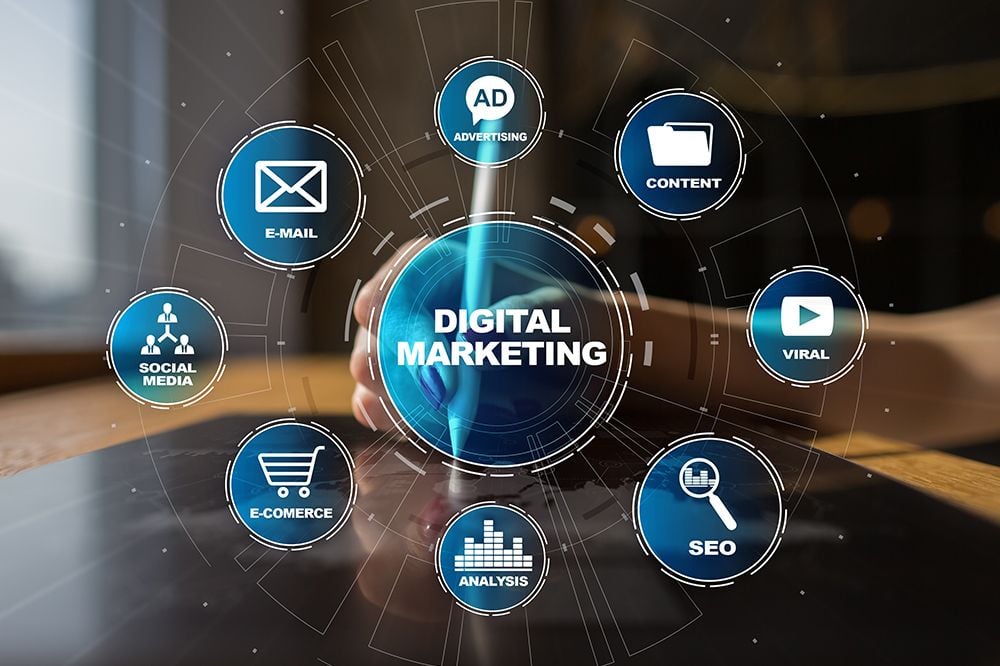
3. Digital Marketing Management
Most modern marketing happens online. Agencies manage digital channels such as:
Search Engine Optimization (SEO)
Improving website ranking on search engines so people can find the business easily.
Social Media Marketing
Managing accounts on platforms like Facebook, Instagram, and LinkedIn.
This includes:
-
Posting content
-
Engaging with followers
-
Running campaigns
-
Building community
Content Marketing
Creating useful content like:
-
Blog posts
-
Videos
-
Infographics
-
Guides
-
Tutorials
Content builds trust and authority.
4. Paid Advertising (Performance Marketing)
Agencies run paid campaigns to bring quick traffic and leads.
Common platforms include:
-
Google Ads
-
YouTube ads
-
Social media ads
-
Display advertising
They handle:
-
Targeting
-
Budget allocation
-
Ad design
-
Testing
-
Optimization
-
Performance tracking
Paid advertising is powerful but requires expertise to avoid wasting money.
5. Lead Generation
Getting attention is not enough — businesses need potential customers.
Agencies design systems to collect leads through:
-
Landing pages
-
Sign-up forms
-
Free offers
-
Email capture
-
Funnels
These leads can later be converted into paying customers.
6. Website Development and Optimization
A website is often the center of all marketing efforts.
Agencies help with:
-
Website design
-
User experience improvements
-
Speed optimization
-
Mobile responsiveness
-
Conversion optimization
-
Tracking setup
A poorly designed website can lose visitors even if traffic is high.
7. Email Marketing
Email remains one of the most effective marketing tools.
Agencies create campaigns to:
-
Welcome new subscribers
-
Promote products
-
Share updates
-
Offer discounts
-
Build long-term relationships
Automation tools allow businesses to stay connected with customers without manual effort.
8. Market Research and Analysis
Understanding the audience is key to successful marketing.
Agencies conduct research to learn:
-
Customer needs and pain points
-
Buying behavior
-
Demographics
-
Preferences
-
Trends
They also analyze competitors to identify opportunities.
9. Campaign Management
Marketing campaigns involve many moving parts. Agencies coordinate everything to ensure consistency across channels.
They manage:
-
Campaign planning
-
Creative development
-
Scheduling
-
Launch
-
Monitoring
-
Adjustments
This ensures all efforts work together toward the same goal.
10. Performance Tracking and Reporting
Data is at the heart of modern marketing.
Agencies track metrics such as:
-
Website traffic
-
Conversion rates
-
Cost per lead
-
Return on investment
-
Engagement rates
-
Sales impact
They provide regular reports so businesses understand what’s working.
Types of Marketing Agencies
Not all agencies offer the same services. Some specialize in specific areas.
Digital Marketing Agency
Focuses mainly on online channels like search engines, social media, and websites.
Full-Service Marketing Agency
Handles both online and offline marketing, including:
-
Advertising
-
Branding
-
PR
-
Media planning
-
Traditional marketing
Creative Agency
Specializes in design, visuals, and storytelling.
Social Media Agency
Focuses only on social platforms and influencer collaborations.
Growth or Performance Agency
Concentrates on measurable results such as leads, sales, and revenue growth.
How a Marketing Agency Works with Clients
The typical process includes several steps.
Step 1: Discovery
Understanding the business, goals, audience, and challenges.
Step 2: Strategy Development
Creating a customized marketing plan.
Step 3: Execution
Launching campaigns and activities.
Step 4: Monitoring
Tracking performance and making improvements.
Step 5: Reporting
Sharing results and insights.
Benefits of Hiring a Marketing Agency
Professional Expertise
Access to specialists in different areas.
Scalability
Efforts can grow as the business expands.
Fresh Perspective
External teams bring new ideas.
Faster Growth
Well-executed marketing accelerates business success.
Competitive Advantage
Strong marketing helps businesses stand out.
When a Business Should Hire a Marketing Agency
Hiring an agency makes sense when:
-
Sales are stagnant
-
Brand awareness is low
-
Internal team lacks expertise
-
Business is expanding
-
Launching a new product
-
Entering new markets
-
Marketing efforts feel scattered
In-House Team vs Marketing Agency
Some companies build internal teams instead.
In-House Team Advantages
-
Full control
-
Deep knowledge of the brand
-
Immediate communication
Agency Advantages
-
Diverse expertise
-
Lower overall cost
-
Access to advanced tools
-
Flexibility
Many large companies use both.
Challenges of Working with a Marketing Agency
While agencies offer many benefits, there can be challenges:
-
Initial onboarding time
-
Need for clear communication
-
Aligning expectations
-
Budget considerations
Choosing the right agency is crucial.
The Future of Marketing Agencies
Marketing continues to evolve with technology and consumer behavior.
Key trends include:
-
Data-driven decision making
-
Personalization
-
Automation
-
Influencer marketing
-
Video content dominance
-
Artificial intelligence tools
Agencies must adapt constantly to stay effective.
Final Thoughts
A marketing agency plays a vital role in helping businesses attract customers, build strong brands, and grow sustainably. Instead of guessing what might work, companies can rely on experienced professionals who understand the market, tools, and strategies needed for success.
In simple terms:
A marketing agency helps people discover your business, trust it, and choose it.
Whether it’s a small startup or a global corporation, effective marketing can make the difference between struggling and thriving. Partnering with the right agency allows businesses to focus on what they do best while experts handle the complex task of reaching and converting customers.
Read Also: Keep your face towards the sunshine and shadows will fall behind you
Watch Also: https://www.youtube.com/@TravelsofTheWorld24







Leave a Reply