
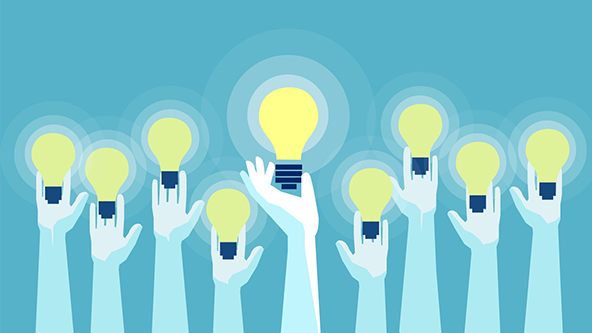
We often hear that people should be strong, independent, and able to make their own choices. We are told to stand up for ourselves, chase our dreams, and live life on our terms. But becoming this kind of person — someone who can think, act, and decide for themselves — is not something that happens alone. It doesn’t happen only inside one person’s mind. It is a journey shaped by the people around us, the community we live in, and the opportunities we have. This is what we mean by the collective work of building individual agency.
In simple words, individual agency is the ability of a person to make choices and take actions based on their own values, goals, and decisions. And the “collective work” part means that our ability to do this is supported by other people — our family, friends, teachers, community leaders, and society as a whole. Building individual agency is not a solo task. It comes from a network of support, guidance, and shared effort.
Let’s explore this idea step by step, using simple explanations and real-life examples to understand how people grow into stronger, more capable individuals because of the collective environment around them.
What Is Individual Agency?
Imagine a young woman named Sara. She dreams of becoming a doctor. She studies hard, works late nights, and pushes herself to learn more. But what makes her able to follow her dream? Her own determination? Yes. But it’s more than that. Her family encouraged her, her teachers believed in her, her school provided books and guidance, and her community supports girls’ education.
Individual agency is the ability to make meaningful choices and act on them. It means taking control of your life, setting goals, and doing the work to reach them. It means you don’t just react to what happens — you shape what happens in your life.
But agency isn’t just about ambition or success. It is about feeling that you have a say in your life:
-
You can decide your career path.
-
You can choose your friends and beliefs.
-
You can stand up for what matters to you.
-
You can solve problems and overcome challenges.
Having agency makes a person feel confident and responsible. It means they know their voice matters and their actions can make a difference.
Why Is Agency Not Only Individual?
A common idea in society is that strong people are self‑made — that they did everything on their own. But this is not true. Human beings are social creatures. We grow and learn within relationships. From the moment we are born, we depend on others for care, love, and learning.
Here are a few reasons why individual agency depends on collective support:
1. Learning Comes From Others
We learn everything from people around us. First, we learn to talk by listening to others. We learn how to behave from our parents, siblings, and teachers. We learn skills from mentors and peers.
Sara learned biology from her teacher, math from her tutor, and life values from her parents. None of this knowledge came from inside her brain out of nowhere. It came from the people who helped her grow.
2. Support Builds Confidence
When someone believes in us, we start to believe in ourselves. Encouragement gives courage. If Sara’s family had told her that being a doctor was impossible for a girl, she might never have tried. But because people supported her, she felt confident to chase her dream.
This support can be emotional (“I believe in you”), practical (“Here are resources to study”), or social (“People like you can be doctors”). All these forms of help lift up a person and strengthen their agency.
3. Society Creates Opportunities
A person’s environment affects what they can do. If schools are good, health care is available, and laws protect people’s rights, individuals have more freedom to choose and grow. If society limits certain groups from education or opportunity, those people have less agency.
This means that individual freedom and success are tied to social systems. A supportive society expands what people can do. A cruel or unfair society shrinks those possibilities.
How People Together Build Individual Agency
Let’s think about how different people and groups help someone build their own agency.
Family
Family is usually the first group that shapes a person. Families teach:
-
How to communicate
-
What values matter
-
How to solve problems
-
How to feel confident
A child raised in a loving environment learns that their thoughts and feelings matter. They learn to express themselves. They learn that they are valued. This becomes the foundation of agency.
For example: If a child wants to join a school play, and the parents encourage practice, support the child on stage, and celebrate their effort, the child feels capable and confident.
Teachers and Schools
Teachers do more than teach subjects. They guide students to think, question, and explore. They show students how to solve problems, how to read critically, and how to face challenges.
Schools give young people tools to understand the world and to make decisions. A student who learns problem‑solving in school can later make better life decisions. Teachers help students find their voice and believe in their abilities.
Friends and Peers
Friends influence how we see ourselves. Good friends support our dreams, share ideas, and help us through tough times. They expose us to new thoughts and different ways of thinking.
When we discuss ideas with friends, we learn to express ourselves, defend our viewpoints, and refine our opinions. This strengthens personal agency because a person learns independence within interaction.
Community and Society
Communities provide safety, norms, and shared values. When societies stand for justice, equality, and freedom, individuals in those societies find it easier to exercise agency.
For example:
-
Laws that guarantee education give children the chance to learn and grow.
-
Equal rights for all people expand opportunities for everyone, regardless of gender, religion, or background.
-
Social programs that support poor families help children have access to food, shelter, and health care — which are basic foundations for a person to make choices about their life.
When society ensures basic rights and opportunities, individuals have a wider field to exercise their agency.
Media and Culture
Books, movies, music, and media shape how people think about themselves and the world. Media can inspire people, challenge old beliefs, and broaden perspectives.
When people see stories of others who overcame challenges, they feel hope and belief that they can do great things too. Culture teaches values, but it also offers examples of what is possible. These stories become tools for building agency.
Challenges in Building Agency
Although agency is supported by many people, not everyone gets the same level of support or opportunity. Some face obstacles that make building agency harder. Let’s look at common challenges:
Poverty
When a family struggles for basic needs like food and shelter, it becomes much harder for individuals to focus on education or future goals. A child who has to work to support the family may not have time or energy to learn and grow.
Without basic needs being met, personal agency is limited. A hungry person cannot think clearly about long‑term goals.
Discrimination
When society treats some groups unfairly because of their gender, race, religion, caste, or background, agency is restricted. People who face discrimination are told — implicitly or explicitly — that they are less capable or less valuable. This can damage their confidence and limit their choices.
For example:
-
Girls in some places are not encouraged to study.
-
People from lower classes may not get equal job opportunities.
-
Religious minorities may face barriers in society.
This unfair treatment reduces personal agency and must be challenged collectively.
Limited Access to Education
Education opens doors. When people cannot go to school or learn essential skills, they lose opportunities to grow and make choices. Education teaches thinking, language, reasoning, and confidence. Without it, a person feels small and limited.
Why Collective Effort Matters Most
We begin to see why building individual agency is a collective job — because humans do not live alone. Our choices are shaped by the environment we grow up in and the support we receive. Even self‑made success stories usually involve help from others, even if that help is not obvious.
Here are key reasons why collective effort matters:
People Grow Through Interactions
We learn from others, we compare ourselves with others, and we get feedback from others. Personal growth is social growth.
Support Makes Us Stronger
Encouragement, love, mentorship, and guidance help people keep going even when things are tough. Without support, many people give up early.
Society Sets the Stage
Society provides opportunities and limits. A fair society expands agency for everyone. An unfair society cuts it down for many.
Change Happens Together
When communities work together to remove barriers — like building schools, ensuring equal rights, ensuring safety — individuals gain more freedom to pursue their goals.
For example:
-
When girls are encouraged to study, more girls become educated, confident, and strong.
-
When people with disabilities are given accessibility and opportunity, they can excel and lead meaningful lives.
These changes are not the work of one person alone. They are the result of collective effort.
What Can We Do To Build Agency Together?
Now that we understand how support and society shape individual agency, what can we do to help build it — not just for ourselves, but for others too?
Here are simple, powerful ways:
1. Encourage One Another
Encouragement is powerful. Saying “I believe in you” or “You can do it” gives confidence. Support your friends, siblings, and community members in their dreams.
2. Share Knowledge
Teach others what you know. Help someone learn a skill, read a book together, explain something tricky. Knowledge shared is power multiplied.
3. Create Safe Spaces
People need places where they can speak freely, ask questions, and make mistakes without fear. Create that space for the people around you.
4. Stand Against Discrimination
Challenge unfair treatment when you see it. Support equal rights for girls, minorities, people with disabilities, and everyone who is ignored or held back.
5. Help Build Opportunities
Support education, volunteer your time, donate resources if you can, and help bring opportunities to those who lack them.
6. Listen With Respect
Sometimes people just need someone to listen. When someone shares their dreams or struggles, listen without judgment. This helps them see themselves as worthy and capable.
Conclusion
Individual agency — the ability to make choices and build one’s life — is important for every person. But it is not something that comes from inside alone. It grows through the connections we have, the support we receive, and the society we live in. Building agency is a collective effort made by families, teachers, friends, communities, and society.
When people support each other, share knowledge, stand up against barriers, encourage dreams, and create opportunities, they strengthen individual agency. And when individuals find their voice and power, they can give back to the community, inspiring others to grow too.
In the end, building strong, independent people is not a solo journey. It is a shared one — a journey where everyone helps make everyone stronger.
Read Also: Keep your face towards the sunshine and shadows will fall behind you
Watch Also: https://www.youtube.com/@TravelsofTheWorld24









Leave a Reply