
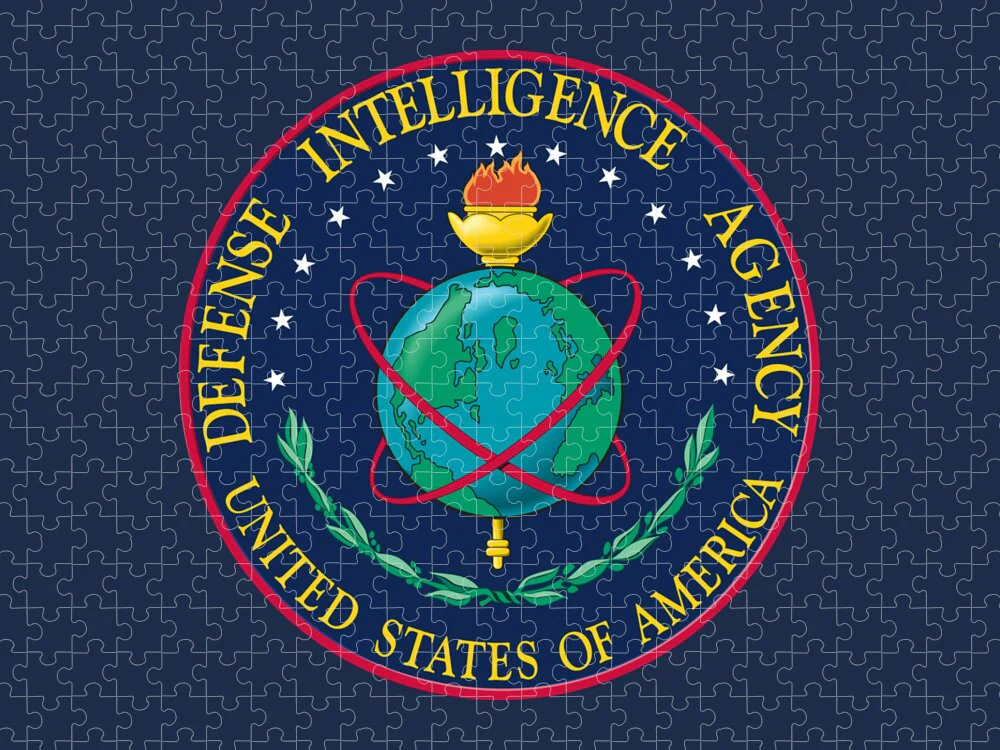
The U.S. Defense Intelligence Agency, commonly known as DIA, is one of America’s most important intelligence organizations. It focuses on military intelligence — meaning information related to foreign armed forces, battle capabilities, defense systems, and security threats. While many people have heard of the CIA, the DIA works more quietly behind the scenes, supporting the U.S. military and defense leaders.
Founded in 1961, the DIA plays a key role in protecting the United States by providing accurate information to military commanders, policymakers, and defense planners. Its work helps the country prepare for threats, avoid surprises, and make informed decisions during conflicts and crises.
Why the DIA Was Created
Before the DIA existed, each branch of the U.S. military — Army, Navy, Air Force, and Marines — gathered its own intelligence. This often led to duplication, confusion, and gaps in information.
To solve this problem, the U.S. government created a single agency to coordinate military intelligence across all services. The goal was to improve efficiency, accuracy, and cooperation.
The DIA was established during the Cold War, a period of intense rivalry between the United States and the Soviet Union. At that time, understanding enemy military capabilities was considered essential for national survival.
How DIA Differs from the CIA
Although both agencies collect intelligence, their missions are different.
The Central Intelligence Agency focuses mainly on political, economic, and strategic intelligence and often conducts covert operations abroad.
The DIA, on the other hand, concentrates specifically on military matters. It supports the United States Department of Defense and provides intelligence to combat forces.
In simple terms:
-
CIA → Broad foreign intelligence and covert activities
-
DIA → Military intelligence and battlefield support
Both agencies sometimes collaborate on major issues.
Main Responsibilities of the DIA
The DIA performs several critical functions to keep the U.S. military informed and prepared.
1. Analyzing Foreign Militaries
One of the DIA’s primary tasks is studying the armed forces of other countries. This includes:
-
Troop numbers and locations
-
Weapons systems
-
Military technology
-
Training and readiness
-
Defense strategies
-
Leadership structure
Understanding these factors helps U.S. planners assess potential threats and plan responses.
2. Supporting Military Operations
During conflicts or military missions, the DIA provides real-time intelligence to commanders. This information can influence tactical decisions on the ground.
Support may include:
-
Identifying enemy positions
-
Monitoring communications
-
Assessing terrain and logistics
-
Predicting enemy movements
-
Evaluating risks
Accurate intelligence can save lives and increase mission success.
3. Countering Emerging Threats
Modern threats are not limited to traditional armies. The DIA also tracks:
-
Terrorist organizations
-
Cyber warfare capabilities
-
Weapons of mass destruction
-
Space and missile programs
-
Hybrid warfare tactics
As warfare evolves, intelligence priorities must adapt.
4. Defense Planning and Policy Support
DIA reports help government leaders make long-term defense decisions. For example, intelligence assessments influence:
-
Military budgets
-
Weapons development
-
Strategic alliances
-
Deployment of forces
-
National security policies
These decisions shape the future strength of the U.S. military.
Human Intelligence Operations
The DIA is heavily involved in human intelligence (HUMINT), which means gathering information from people rather than machines.
Sources may include:
-
Informants
-
Defectors
-
Prisoners of war
-
Diplomats
-
Military personnel
-
Local contacts in conflict zones
Human intelligence can reveal intentions and plans that technology cannot detect.
Global Presence
The DIA operates worldwide. Its officers work in embassies, military bases, and conflict zones. Many serve as defense attachés — military experts assigned to diplomatic missions who liaise with foreign armed forces.
This global network allows the agency to collect information from multiple regions and respond quickly to developing situations.
Technology and Intelligence Tools
Although human sources are vital, the DIA also uses advanced technology.
Tools may include:
-
Satellite imagery
-
Signals intelligence
-
Cyber analysis
-
Artificial intelligence
-
Data analytics
-
Surveillance systems
These capabilities help analysts process vast amounts of information and identify patterns.
Relationship with Other Intelligence Agencies
The United States has a large intelligence community made up of multiple organizations. The DIA works closely with groups such as:
-
National Security Agency (signals intelligence)
-
Federal Bureau of Investigation (domestic security)
-
Military intelligence units from each service branch
Cooperation helps avoid duplication and ensures a comprehensive understanding of threats.
Role During Major Conflicts
The DIA has played significant roles in many military operations, including conflicts in the Middle East and counterterrorism campaigns. Its intelligence has supported troop deployments, air operations, and strategic planning.
By assessing enemy capabilities and weaknesses, the agency helps commanders make better decisions under pressure.
Leadership and Organization
The DIA is led by a Director, usually a senior military officer. The agency employs thousands of personnel, including:
-
Intelligence analysts
-
Field officers
-
Scientists and engineers
-
Linguists
-
Cyber specialists
-
Support staff
Employees come from both military and civilian backgrounds.
Training and Expertise
Working for the DIA requires specialized skills. Personnel often undergo extensive training in areas such as:
-
Foreign languages
-
Regional knowledge
-
Intelligence analysis
-
Security procedures
-
Technology systems
-
Cultural awareness
Because intelligence work can have life-or-death consequences, accuracy and professionalism are essential.
Secrecy and Public Awareness
Much of the DIA’s work is classified, meaning details are kept secret for national security reasons. As a result, the agency is less visible to the public than some other intelligence organizations.
Occasionally, declassified reports or official statements provide insight into its activities, but many operations remain undisclosed.
Ethical and Legal Oversight
Intelligence agencies operate under strict laws and oversight mechanisms to prevent abuse of power. In the United States, Congress and other bodies review intelligence activities to ensure they comply with legal and ethical standards.
Balancing secrecy with accountability is an ongoing challenge.
Challenges Facing the DIA
The agency operates in a complex and rapidly changing world. Key challenges include:
-
Technological advancements by rival nations
-
Cyber warfare threats
-
Space-based military capabilities
-
Non-state actors and terrorist groups
-
Information overload from modern data sources
-
Political tensions between major powers
Staying ahead of these threats requires constant innovation.
Importance of Military Intelligence
Military intelligence helps prevent surprise attacks, reduces uncertainty, and supports strategic planning. Without accurate information, decisions could be based on guesswork, increasing risks.
Effective intelligence can deter conflict by demonstrating preparedness and strength.
The Future of the DIA
As warfare evolves, the DIA is focusing more on emerging domains such as cyber, space, and artificial intelligence. Modern conflicts may involve drones, digital attacks, and autonomous systems rather than traditional battlefields.
The agency is also working to improve information sharing and collaboration with allies.
Conclusion
The Defense Intelligence Agency is a cornerstone of U.S. national security. By analyzing foreign militaries, supporting operations, and anticipating threats, it helps protect the country and its armed forces.
While much of its work remains hidden from public view, the DIA’s contributions are vital for informed decision-making in defense and security. In a world filled with uncertainty, reliable intelligence is one of the most powerful tools a nation can have.
In simple terms, the DIA ensures that military leaders are never operating in the dark — giving them the knowledge needed to respond effectively to challenges around the globe.
Read Also: Keep your face towards the sunshine and shadows will fall behind you
Watch Also: https://www.youtube.com/@TravelsofTheWorld24











Leave a Reply