
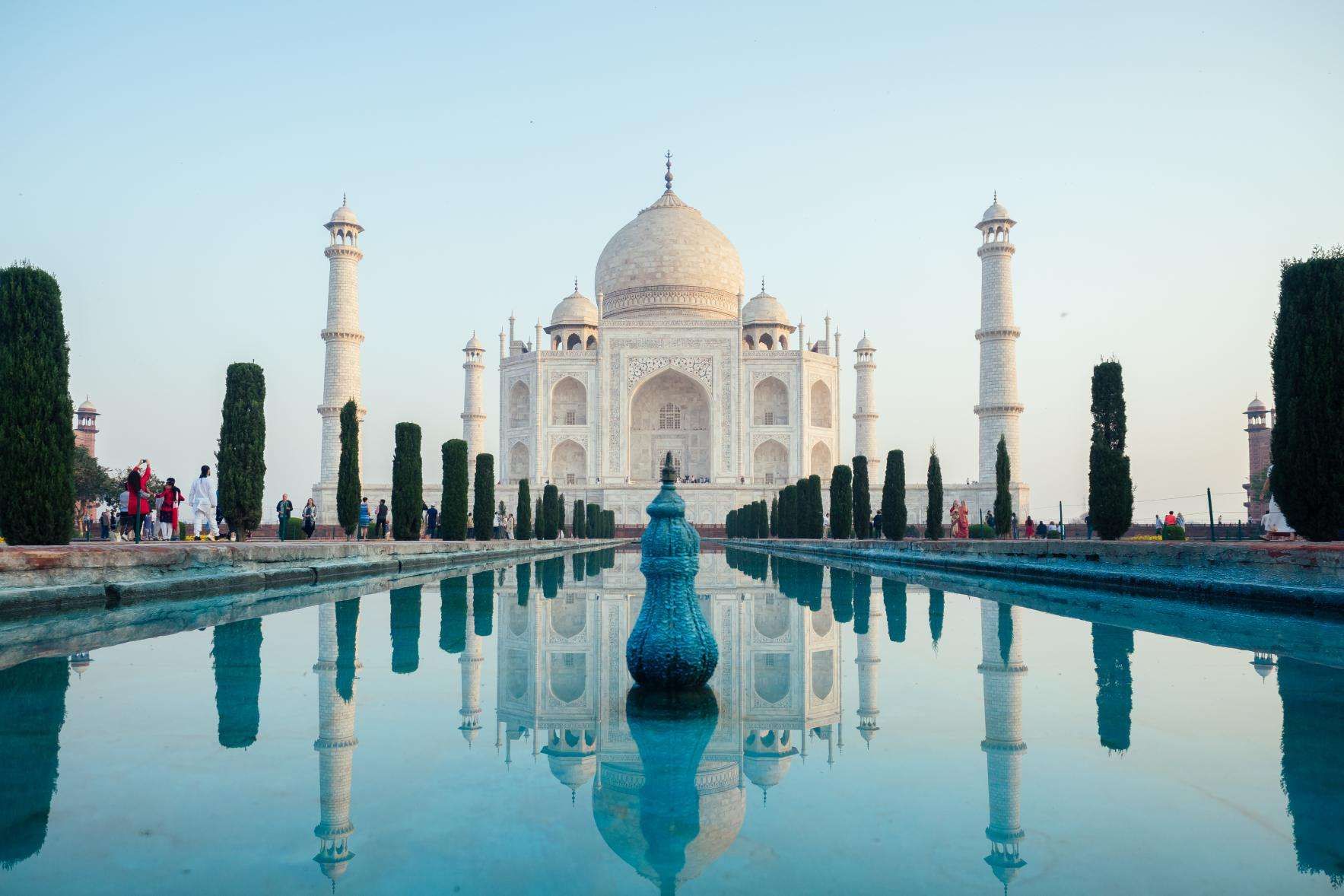
Agra is home to one of the most famous monuments in the world: the Taj Mahal. Known as a symbol of love and beauty, the Taj Mahal attracts millions of visitors each year. Its stunning white marble, delicate carvings, and perfect symmetry make it one of the most admired buildings globally.
The Taj Mahal was built by the Mughal emperor Shah Jahan in memory of his beloved wife, Mumtaz Mahal. After her death in 1631, Shah Jahan decided to create a tomb that would reflect their love and leave a lasting legacy. The result is a masterpiece of architecture and craftsmanship that combines Persian, Indian, and Islamic design elements.
Why It Was Built
The Taj Mahal was built as a mausoleum for Mumtaz Mahal, Shah Jahan’s third wife. She died during childbirth, and the emperor was deeply grief-stricken. He wanted a monument that would honor her memory and showcase the glory of their reign.
-
Construction began in 1632 and took over 20 years to complete.
-
Around 20,000 artisans, craftsmen, and laborers worked on the project.
-
Materials were sourced from across India and Asia, including marble from Rajasthan and precious stones from Central Asia.
The result was not just a tomb but an entire complex of gardens, structures, and waterways designed to create a serene and majestic environment.
Architecture and Design
The Taj Mahal is a blend of Mughal architecture, which itself combines Persian, Indian, and Islamic styles.
Key architectural features include:
-
Main Mausoleum: Made of gleaming white marble with intricate carvings and inlaid precious stones.
-
Dome: The central dome rises about 73 meters (240 feet) high and is surrounded by four smaller domes.
-
Minarets: Four tall towers at each corner of the platform frame the mausoleum and slightly lean outward for protection against collapse.
-
Symmetry: Every element is carefully balanced, creating a sense of harmony.
-
Calligraphy and Inlay Work: The walls feature beautiful calligraphy of Quranic verses and floral patterns using gemstones like jade, turquoise, and lapis lazuli.
The overall design was intended to symbolize paradise, peace, and eternal love, with the white marble reflecting light differently throughout the day.
The Complex
The Taj Mahal is not just a single building. The entire complex includes:
-
Gardens (Charbagh): A large, symmetrical garden with fountains and reflecting pools.
-
Mosque: A red sandstone mosque on the western side used for prayers.
-
Guest House: A matching building on the eastern side for visitors.
-
Gateway: The main entrance features a grand arch with intricate designs and inscriptions.
-
Platform: The mausoleum sits on a raised marble platform, enhancing its prominence and providing stunning views from all sides.
The layout follows the traditional Persian Charbagh garden plan, symbolizing the four rivers of paradise.
Materials and Craftsmanship
The Taj Mahal was constructed using some of the finest materials available at the time:
-
Marble: Sourced from Makrana in Rajasthan, known for its quality and pure white color.
-
Precious and Semi-Precious Stones: Used for intricate inlay work (pietra dura) including jasper, jade, amethyst, and turquoise.
-
Red Sandstone: Used for surrounding buildings and gateways, providing contrast to the white marble.
The artisans used advanced techniques for the time, including precise stone carving, inlay work, and calligraphy. Each element was carefully planned to ensure long-lasting beauty and structural stability.
The Dome and Minarets
The central dome is one of the most striking features of the Taj Mahal:
-
Shaped like an onion, it rises gracefully above the mausoleum.
-
Topped with a gilded finial combining traditional Islamic and Hindu designs.
-
Surrounded by four smaller domes for balance and aesthetic harmony.
The four minarets are positioned at the corners of the platform and are slightly tilted outward. This design ensures that if a minaret collapses, it will fall away from the main tomb, protecting the structure.
Interior of the Mausoleum
Inside the main building is the tomb of Mumtaz Mahal, and later Shah Jahan was also buried beside her.
-
The cenotaphs (empty tombs) are ornately decorated with carvings and inlaid stones.
-
The actual graves lie in a lower chamber, maintaining privacy and sanctity.
-
Light enters through delicate marble screens, creating a peaceful and ethereal atmosphere.
The interior reflects a combination of elegance, simplicity, and spiritual serenity.
Gardens and Water Features
The Charbagh gardens are an essential part of the Taj Mahal experience.
-
Divided into four main quadrants by water channels representing paradise.
-
Reflecting pools create a mirror image of the mausoleum, enhancing its beauty.
-
Trees and flowering plants provide shade and color, contributing to the overall sense of calm.
The garden layout complements the architecture, emphasizing symmetry, tranquility, and spiritual symbolism.
Mosque and Guest House
The mosque on the western side serves religious purposes and is made of red sandstone with marble inlays.
-
Its design complements the mausoleum while maintaining balance in the overall layout.
-
The guest house on the opposite side mirrors the mosque, providing symmetry and space for visitors and officials.
Together, these buildings create a cohesive and harmonious architectural ensemble.
Symbolism and Spiritual Meaning
The Taj Mahal is rich in symbolism:
-
Love: A testament to Shah Jahan’s devotion to Mumtaz Mahal.
-
Paradise: The gardens, water channels, and layout symbolize the Islamic vision of paradise.
-
Eternity: The symmetrical design and white marble reflect purity, immortality, and perfection.
Every detail, from the inlaid stones to the flowing water channels, is carefully designed to convey meaning and create an emotional impact on visitors.
Visiting the Taj Mahal
Millions of people visit the Taj Mahal each year. Tips for visitors include:
-
Best Time: Early morning for sunrise or late afternoon for sunset to avoid crowds and see the marble in changing light.
-
Entry: Tickets are required; guides are available to explain history and architecture.
-
Photography: The reflecting pools and gardens provide perfect spots for capturing the monument.
-
Local Experience: Explore Agra’s markets, Mughal cuisine, and nearby historical sites like Agra Fort.
Visitors often spend several hours exploring the complex to fully appreciate its beauty, history, and craftsmanship.
Night View and Full Moon Experience
The Taj Mahal is sometimes open for night visits during full moons.
-
The white marble glows under moonlight, creating a magical and ethereal scene.
-
Soft shadows highlight the intricate carvings and architectural details.
-
This experience allows visitors to see the monument in a peaceful, almost spiritual atmosphere.
Conservation and Preservation
Over time, pollution and environmental factors have threatened the Taj Mahal. Efforts to preserve it include:
-
Limiting industrial activity nearby
-
Regular cleaning and restoration of marble and inlay work
-
Controlling visitor numbers to prevent wear and tear
These measures ensure that the monument remains intact for future generations.
Cultural Significance
The Taj Mahal is not just a tourist attraction; it is a cultural and historical icon:
-
Featured in books, movies, and art worldwide
-
Symbol of India’s Mughal heritage and architectural excellence
-
UNESCO World Heritage Site since 1983
It represents India’s rich history, artistry, and the enduring human story of love and devotion.
Fun Facts
-
It took over 20 years to complete the Taj Mahal.
-
Around 1,000 elephants were used to transport materials during construction.
-
Artisans from across India and Central Asia contributed to the intricate designs.
-
Shah Jahan intended for a black marble mausoleum for himself across the river, but it was never built.
These facts highlight the scale, ambition, and artistry of the project.
Legacy
The Taj Mahal continues to inspire architects, artists, and travelers from all over the world.
-
It has influenced architecture globally, inspiring replicas and similar designs.
-
Its combination of beauty, symmetry, and spiritual symbolism is unmatched.
-
Visitors leave with a sense of awe and admiration for human creativity and devotion.
Conclusion
The Taj Mahal stands as a timeless symbol of love, art, and architectural mastery. Rising from the banks of the Yamuna River, it captures the imagination of anyone who sees it.
From the gleaming white marble to the gardens, minarets, and reflecting pools, every detail has meaning and beauty. It is a place of peace, reflection, and inspiration, reminding the world of the enduring power of love and human creativity.
Read Also: Keep your face towards the sunshine and shadows will fall behind you
Watch Also: https://www.youtube.com/@TravelsofTheWorld24








Leave a Reply