
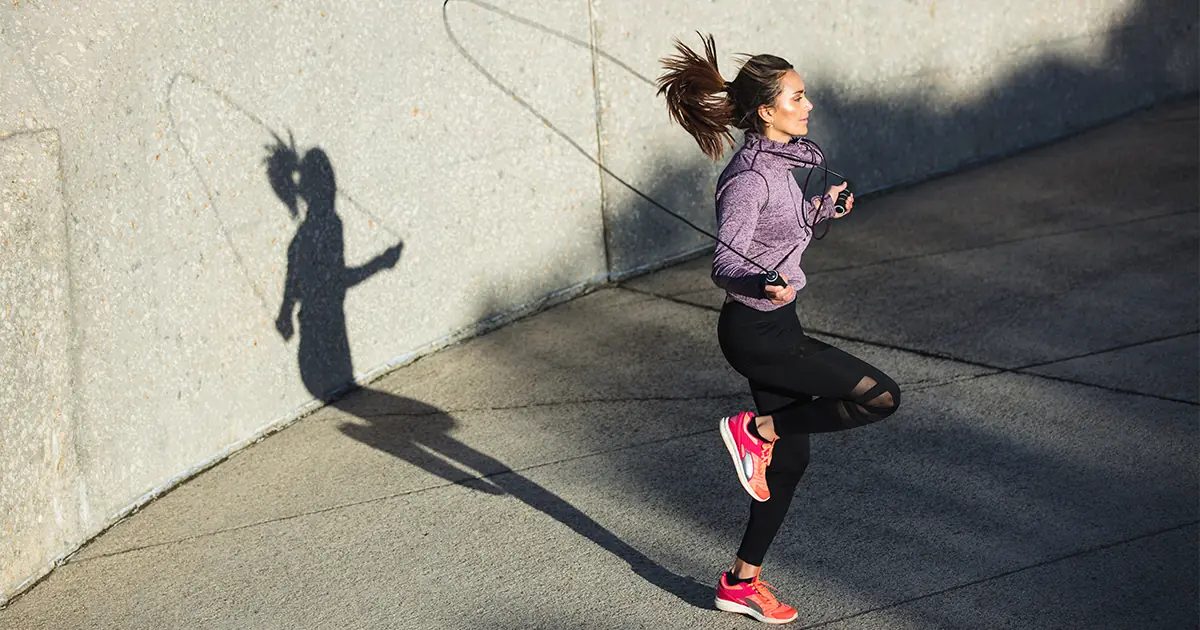
Living a long life is something most people wish for, but living a long and healthy life is even more important. One of the simplest and most powerful ways to increase both lifespan and quality of life is regular aerobic exercise. You don’t need fancy equipment, a gym membership, or extreme workouts. Just moving your body every day in a steady way can make a huge difference.
Aerobic exercise keeps your heart strong, your lungs healthy, your weight under control, and your mind fresh. In fact, health experts around the world — including the World Health Organization — say that regular physical activity is one of the key factors for living longer.
Let’s understand how aerobic exercise helps you live longer and which activities you can start today.
What Is Aerobic Exercise?
Aerobic exercise is any activity that makes your heart beat faster and keeps you moving continuously for several minutes or more. During this type of exercise, your body uses oxygen to produce energy, which allows you to continue for a longer time without getting tired too quickly.
Common examples include:
-
Brisk walking
-
Jogging or running
-
Cycling
-
Swimming
-
Dancing
-
Jump rope
-
Stair climbing
If you can talk while exercising but feel slightly out of breath, you are likely doing aerobic exercise at the right intensity.
Why Aerobic Exercise Helps You Live Longer
1. Keeps Your Heart Strong
Your heart is a muscle, and like any muscle, it gets stronger with use. Aerobic exercise makes your heart pump blood more efficiently. Over time, this lowers your resting heart rate and reduces strain on your heart.
A strong heart means a lower risk of heart disease, heart attacks, and stroke — some of the most common causes of death worldwide.
2. Improves Blood Circulation
When you move regularly, blood flows better throughout your body. This helps deliver oxygen and nutrients to your organs, muscles, and brain.
Good circulation also helps prevent problems like high blood pressure and clogged arteries.
3. Helps Maintain a Healthy Weight
Excess body fat, especially around the belly, is linked to many serious diseases. Aerobic exercise burns calories and helps your body use fat for energy.
Maintaining a healthy weight reduces the risk of:
-
Diabetes
-
Heart disease
-
Joint problems
-
Certain cancers
Even moderate daily activity can stop weight gain and slowly reduce body fat.
4. Controls Blood Sugar Levels
Aerobic exercise helps your body use insulin better. This keeps blood sugar levels stable and lowers the risk of type 2 diabetes.
For people who already have diabetes, regular activity can improve control and prevent complications.
5. Strengthens the Lungs
Your lungs work harder during aerobic exercise, which improves their capacity over time. This means your body becomes better at using oxygen, and you feel less breathless during daily activities.
Stronger lungs also help you stay active as you age.
6. Reduces Risk of Chronic Diseases
Regular aerobic activity lowers the risk of many long-term illnesses, including:
-
Heart disease
-
Stroke
-
High blood pressure
-
Type 2 diabetes
-
Some cancers
-
Osteoporosis
Avoiding these diseases greatly increases the chance of a longer life.
7. Improves Mental Health
Exercise doesn’t just help the body — it also helps the mind.
During aerobic activity, your brain releases feel-good chemicals that reduce stress, anxiety, and depression. Many people notice they feel calmer and happier after even a short walk.
Good mental health is strongly linked to longer life and better overall well-being.
8. Supports Brain Function
Regular movement improves blood flow to the brain, which helps memory, focus, and thinking ability.
Studies show that physically active people have a lower risk of dementia and cognitive decline as they age.
9. Improves Sleep Quality
People who exercise regularly tend to fall asleep faster and sleep more deeply. Good sleep helps the body repair itself, balance hormones, and maintain energy levels.
Poor sleep, on the other hand, is linked to many health problems and shorter lifespan.
10. Keeps Muscles and Joints Healthy
Aerobic activities keep your body flexible and mobile. Strong muscles support your joints and reduce the risk of falls and injuries, especially in older age.
Staying mobile means you can continue doing daily tasks independently for longer.
How Much Aerobic Exercise Do You Need?
You don’t need to exercise for hours to see benefits.
For most adults, experts recommend:
-
At least 150 minutes of moderate aerobic activity per week, or
-
About 30 minutes per day, 5 days a week
If you want extra benefits, you can aim for 300 minutes per week.
Even small amounts are better than none. A 10-minute walk several times a day still counts.
Best Aerobic Exercises for Longevity
Brisk Walking
Walking is one of the safest and easiest ways to stay active.
Benefits:
-
Gentle on joints
-
Suitable for all ages
-
No equipment needed
-
Can be done anywhere
Walking outdoors also reduces stress and improves mood.
Jogging or Running
Running burns more calories and improves heart health quickly.
If you are new, start slowly:
-
Alternate walking and jogging
-
Increase distance gradually
-
Wear comfortable shoes
Cycling
Cycling is great for people who want a low-impact workout.
Benefits:
-
Strengthens legs
-
Easy on knees
-
Good for heart health
-
Can be done outdoors or indoors
Swimming
Swimming works the entire body while being gentle on joints.
It is especially helpful for:
-
Older adults
-
People with joint pain
-
Overweight individuals
Dancing
Dancing is fun and doesn’t feel like exercise.
It improves:
-
Heart health
-
Coordination
-
Balance
-
Mood
You can dance at home to your favorite music.
Jump Rope
Jump rope is a powerful workout that improves endurance and coordination. Even short sessions can provide big benefits.
Stair Climbing
Using stairs instead of elevators is a simple way to add aerobic activity to daily life. It strengthens the lower body and boosts heart health.
Simple Ways to Add More Movement to Your Day
You don’t always need a structured workout. Small habits can add up.
Try these:
-
Walk instead of driving short distances
-
Take the stairs
-
Stand and stretch every hour
-
Do household chores actively
-
Play outdoor games
-
Walk while talking on the phone
Consistency matters more than intensity.
Aerobic Exercise and Aging
As people age, staying active becomes even more important. Regular aerobic exercise helps older adults:
-
Maintain independence
-
Prevent muscle loss
-
Improve balance
-
Reduce fall risk
-
Stay socially active
-
Feel more energetic
It’s never too late to start. Even people who begin exercising later in life can gain significant health benefits.
Tips to Stay Consistent
Choose Activities You Enjoy
If you like what you’re doing, you’ll stick with it. Exercise doesn’t have to be boring.
Start Small
Don’t try to do too much at once. Begin with short sessions and increase gradually.
Set Realistic Goals
Focus on progress, not perfection.
Make It a Daily Habit
Link exercise to your routine, such as walking after meals or in the morning.
Find a Partner
Exercising with friends or family makes it more fun and motivating.
Safety Tips
Before starting a new routine, especially if you have health issues:
-
Consult a doctor
-
Warm up before exercise
-
Cool down afterward
-
Drink enough water
-
Wear proper footwear
-
Stop if you feel pain, dizziness, or chest discomfort
Listening to your body is important.
When Will You Notice Benefits?
Many improvements happen sooner than you think.
-
After a few days: Better mood and energy
-
After a few weeks: Improved stamina and sleep
-
After a few months: Lower blood pressure and weight changes
-
Long term: Reduced disease risk and longer lifespan
Consistency is the key.
Final Thoughts
Aerobic exercise is one of the most powerful tools for living a longer, healthier life. It strengthens your heart, protects your brain, controls weight, improves mood, and reduces the risk of serious diseases.
You don’t need extreme workouts or special equipment. Simple daily activities like walking, cycling, dancing, or swimming can add years to your life — and life to your years.
Start small, stay consistent, and keep moving. Your future self will thank you.
Read Also: Keep your face towards the sunshine and shadows will fall behind you
Watch Also: https://www.youtube.com/@TravelsofTheWorld24




Leave a Reply