
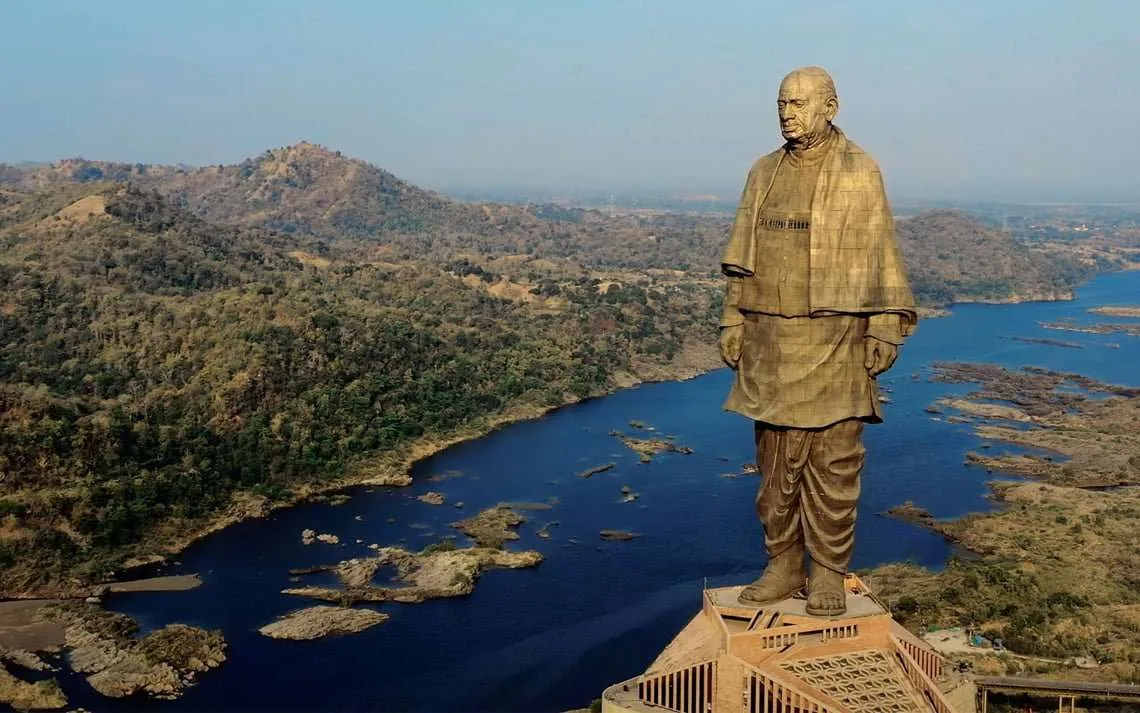
Gujarat is home to one of the tallest statues in the world: the Statue of Unity. This massive monument was built to honor Sardar Vallabhbhai Patel, a key leader in India’s independence movement and the country’s first Deputy Prime Minister. The statue has become a symbol of national pride, unity, and India’s engineering achievements.
Standing at 182 meters (597 feet) high, the Statue of Unity surpasses other iconic statues globally and is a marvel of modern construction. Located near the Narmada River in the Kevadiya region, it attracts millions of tourists, students, and history enthusiasts every year.
Why It Was Built
The statue was commissioned to commemorate the life and achievements of Sardar Vallabhbhai Patel:
-
Known as the “Iron Man of India,” Patel played a pivotal role in uniting the princely states into a single nation after independence in 1947.
-
The monument aims to inspire citizens with his dedication, leadership, and vision for India.
-
It serves as an educational and cultural symbol, reminding people of Patel’s contributions and the importance of national unity.
The idea of building a statue in his honor was first proposed in 2010, and the project was completed in 2018.
Design and Architecture
The Statue of Unity is an example of modern monumental sculpture:
-
Height and Scale: 182 meters tall, including the base, making it the tallest statue in the world.
-
Structure: The statue is made of reinforced concrete with a bronze cladding that gives it a lifelike appearance.
-
Realistic Detailing: Sculptors paid careful attention to facial features, clothing folds, and posture to reflect Patel accurately.
-
Posture: Patel is depicted standing tall, wearing his traditional dhoti and shawl, symbolizing strength and dignity.
-
Base and Viewing Gallery: The base includes a museum, exhibition halls, and a viewing platform for panoramic views of the surrounding area.
The design balances artistic realism with structural stability, a major challenge for a statue of this scale.
Construction and Engineering
Building the Statue of Unity involved advanced engineering techniques:
-
Construction began in October 2013 and was completed in October 2018.
-
Over 3,000 workers, engineers, and artists contributed to the project.
-
The foundation is supported by deep concrete piles to withstand seismic activity and strong winds.
-
Bronze panels weighing hundreds of tons were used to clad the exterior, carefully welded and polished.
-
Engineers accounted for thermal expansion, weathering, and structural load to ensure durability for centuries.
The project showcases India’s capacity for large-scale infrastructure and engineering innovation.
Museum and Exhibition
Inside the base of the statue, visitors can explore:
-
Museum: Showcasing Sardar Patel’s life, achievements, and India’s independence movement.
-
Exhibition Halls: Displays include photographs, documents, and multimedia presentations about Patel and India’s history.
-
Educational Programs: Schools and tourists can learn about leadership, governance, and national unity.
These facilities make the monument more than a visual landmark—it is an educational and cultural center.
Viewing Gallery
At 153 meters above ground, the viewing gallery provides spectacular views:
-
Overlooking the Narmada River and surrounding valley
-
Scenic views of the Satpura and Vindhya mountain ranges
-
Urban and rural landscapes of Gujarat
Visitors can take elevators to reach the gallery and enjoy a panoramic perspective of the region, making it both a sightseeing and educational experience.
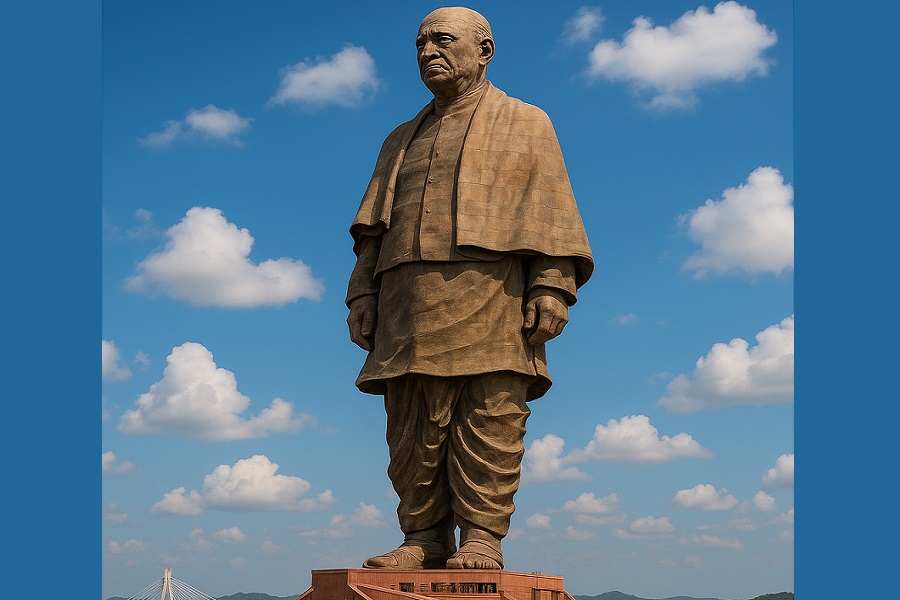
Statue of Unity, Gujrat: Symbol of Leadership and National Unity
Surrounding Area and Development
The Statue of Unity is part of a larger tourist and cultural development project:
-
Valley of Flowers: Landscaped gardens with seasonal flowers, walking paths, and fountains.
-
Sardar Patel Zoological Park: Located nearby, with a variety of wildlife and conservation programs.
-
Boating on the Narmada: Visitors can enjoy boat rides to view the statue from the river.
-
Hotels and Resorts: Accommodation facilities nearby to support tourism.
This area has been developed to promote tourism, provide recreation, and educate visitors about Patel and Indian history.
Cultural Significance
The statue represents:
-
National Unity: Celebrating Patel’s role in unifying India.
-
Leadership and Vision: Inspiring future generations about governance and patriotism.
-
Modern India: Symbolizing India’s growth, engineering capabilities, and ambition.
It has become a pilgrimage for citizens, students, and tourists who admire Patel’s contributions and the nation’s achievements.
Tourism Impact
Since opening, the Statue of Unity has attracted millions of visitors:
-
Educational trips for students to learn about Indian history
-
Domestic and international tourists exploring Gujarat
-
Photography, sightseeing, and recreational activities in the surrounding area
The monument has boosted local economy, hospitality, and cultural awareness in the region.
Nighttime Illumination
The statue is beautifully illuminated at night:
-
Lights highlight the bronze surface and intricate details
-
Special lighting is used for national holidays, events, and festivals
-
Evening views create a majestic and inspirational visual experience
Nighttime illumination adds to the monument’s impact and makes it visible from a distance.
Engineering Feats
The construction involved numerous technical achievements:
-
Structural design to withstand 60-meter-per-second wind speeds
-
Earthquake-resistant foundation to protect against seismic activity
-
Custom-made bronze cladding panels for a lifelike finish
-
Advanced elevator systems to reach the viewing gallery efficiently
These innovations make the statue a landmark of engineering as well as culture.
Fun Facts
-
The statue weighs over 20,000 tons.
-
Bronze panels were cast in China and assembled in India.
-
It is taller than the Spring Temple Buddha in China and the Statue of Liberty in the USA.
-
The construction used more than 200,000 cubic meters of cement and 18,500 tons of steel.
These facts highlight the scale and ambition of the project.
Events and National Celebrations
The statue is a focal point for national events:
-
Independence Day and Republic Day celebrations
-
Educational and cultural programs
-
Exhibitions and guided tours for citizens and tourists
These events strengthen the statue’s role as a symbol of patriotism and national pride.
Legacy and Influence
The Statue of Unity has inspired:
-
Large-scale public monuments and cultural projects in India
-
Educational initiatives emphasizing leadership and history
-
Increased global recognition for Gujarat and Indian engineering expertise
It demonstrates how monumental architecture can combine art, history, and engineering to create lasting national symbols.
Conclusion
The Statue of Unity is more than a monument; it is a celebration of India’s history, leadership, and unity. Towering above the Narmada River, it honors Sardar Vallabhbhai Patel’s legacy while inspiring millions of visitors.
From its engineering marvels to its museum, viewing gallery, and landscaped surroundings, the statue represents India’s cultural, historical, and technological achievements. It stands as a proud symbol of unity, patriotism, and the nation’s ambition for future generations.
Read Also: Keep your face towards the sunshine and shadows will fall behind you
Watch Also: https://www.youtube.com/@TravelsofTheWorld24





Leave a Reply