
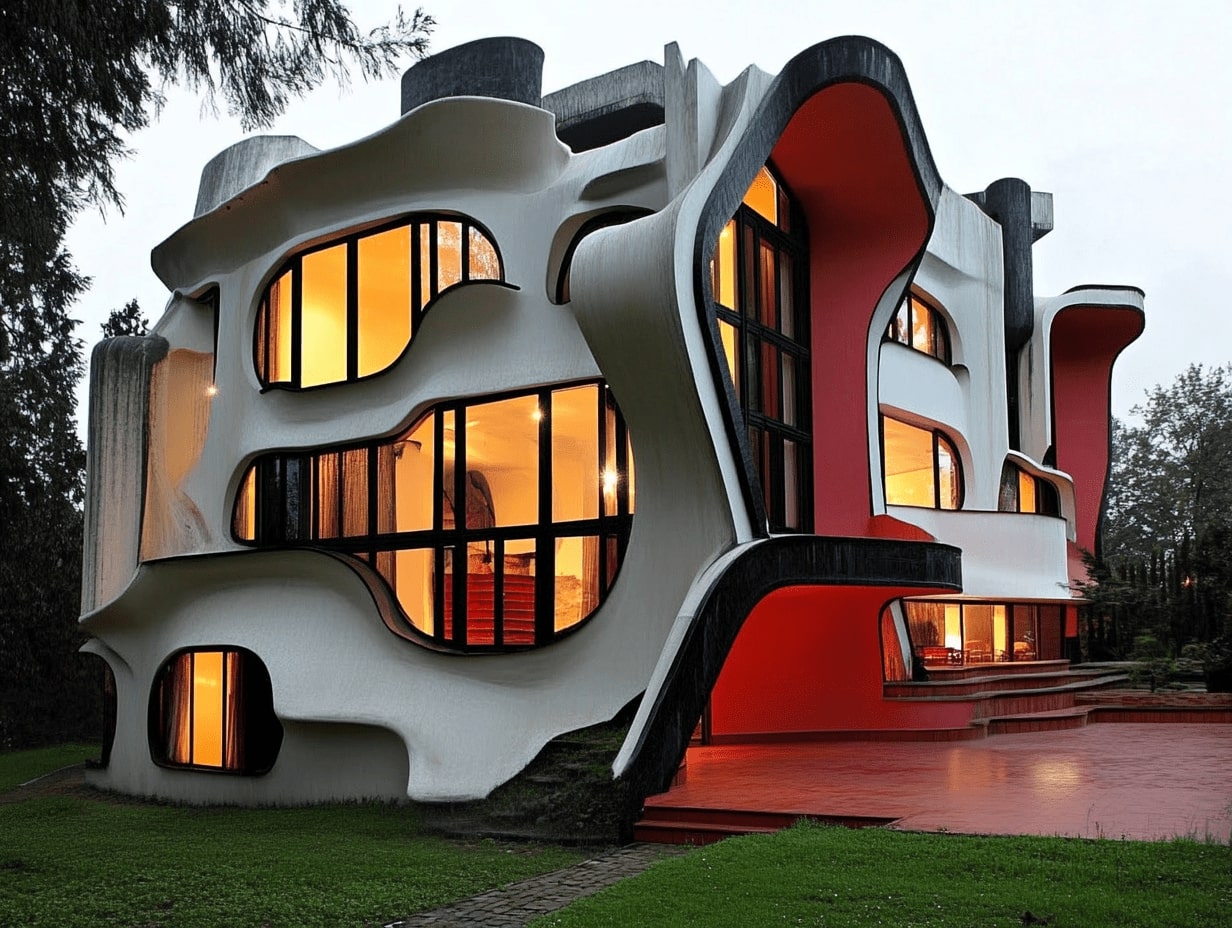
Modern architecture in the 21st century, often referred to as Postmodernism, marks a significant shift from the principles of traditional Modernism. Where Modernism emphasized strict formality, order, and coherence, Postmodern architecture embraces diversity, creativity, and complexity. It reacts against the uniformity and rigid functionalism of earlier architectural movements, offering buildings that celebrate variety, cultural reference, and playful design.
Reaction Against Modernism
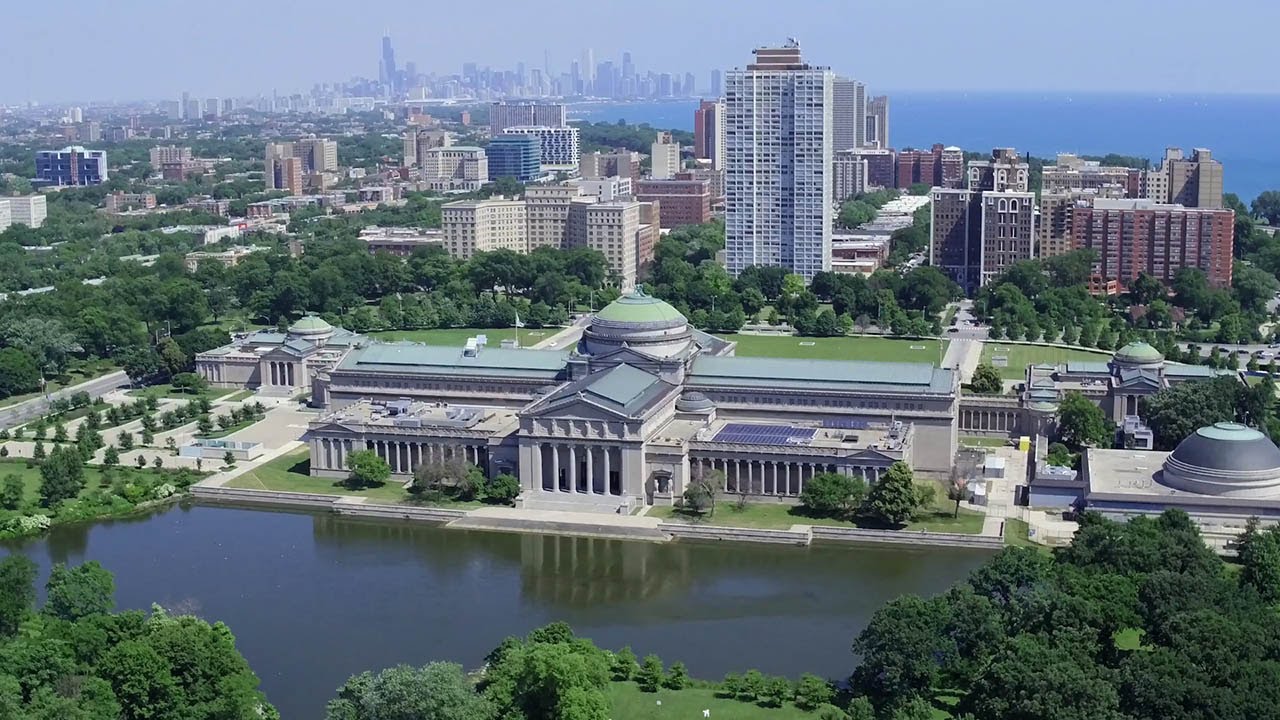
Modernism in architecture focused on simplicity, functionality, and universal principles. Buildings were designed to be rational, efficient, and free from ornamentation. Architects followed rules that emphasized:
-
Order and harmony: Structures were carefully planned to create a sense of stability.
-
Uniformity: Similar forms and materials were often repeated across projects.
-
Functionalism: Every element of a building had a practical purpose.
Postmodernism emerged as a reaction to this rigidity. Architects began to question the idea that there is a single “correct” way to design a building. Instead of universal rules, they explored:
-
Multiplicity: Using different styles, materials, and forms within a single structure.
-
Fragmentation: Breaking up traditional geometric forms into unexpected shapes.
-
Playfulness and irony: Incorporating whimsical elements and cultural references into design.
This approach allows for more personal, cultural, and contextual interpretations of architecture.
Key Principles of Postmodern Architecture
Postmodern architecture introduces several important ideas:
-
Complexity and Contradiction: Buildings can contain multiple ideas, functions, and forms simultaneously, rather than following one linear logic.
-
Contextual Design: Architects consider the surrounding environment, history, and culture when designing structures.
-
Decorative Elements: Ornamentation and visual references are encouraged, in contrast to Modernism’s minimalism.
-
Symbolism and Meaning: Structures often tell a story or reflect cultural identity through their design.
-
Diversity of Materials and Forms: Concrete, glass, steel, and traditional materials may all be combined in unconventional ways.
This philosophy promotes creativity and acknowledges that architecture is not just about function, but also about experience, meaning, and human connection.
Famous Postmodern Buildings
Postmodernism has produced some iconic structures around the world. These buildings illustrate the principles of fragmentation, diversity, and symbolism:
-
Portland Building, Portland, USA: Designed by Michael Graves, it uses colorful façades, classical references, and decorative motifs.
-
Piazza d’Italia, New Orleans, USA: Charles Moore’s design combines historical elements with playful forms, highlighting cultural references.
-
Guggenheim Museum Bilbao, Spain: Frank Gehry’s masterpiece uses sweeping curves and irregular forms to create a dynamic, sculptural building.
-
AT&T Building (now Sony Tower), New York, USA: Philip Johnson incorporated a broken pediment at the top, referencing classical architecture while breaking Modernist rules.
These examples show how Postmodern architecture embraces creativity and cultural context, rather than following rigid functional rules.
Differences Between Modernism and Postmodernism
| Aspect | Modernism | Postmodernism |
|---|---|---|
| Philosophy | Universal progress, order | Diversity, multiplicity, complexity |
| Form | Clean, simple, functional | Varied, decorative, symbolic |
| Materials | Steel, glass, concrete | Mixed materials, including traditional ones |
| Ornamentation | Avoided | Encouraged, often symbolic |
| Cultural Reference | Minimal or none | Strong cultural and historical references |
| Experience | Rational, predictable | Playful, unexpected, experiential |
Modern architecture prioritizes rationality, while Postmodernism embraces multiple perspectives, narratives, and forms.
Fragmentation and Multiplicity
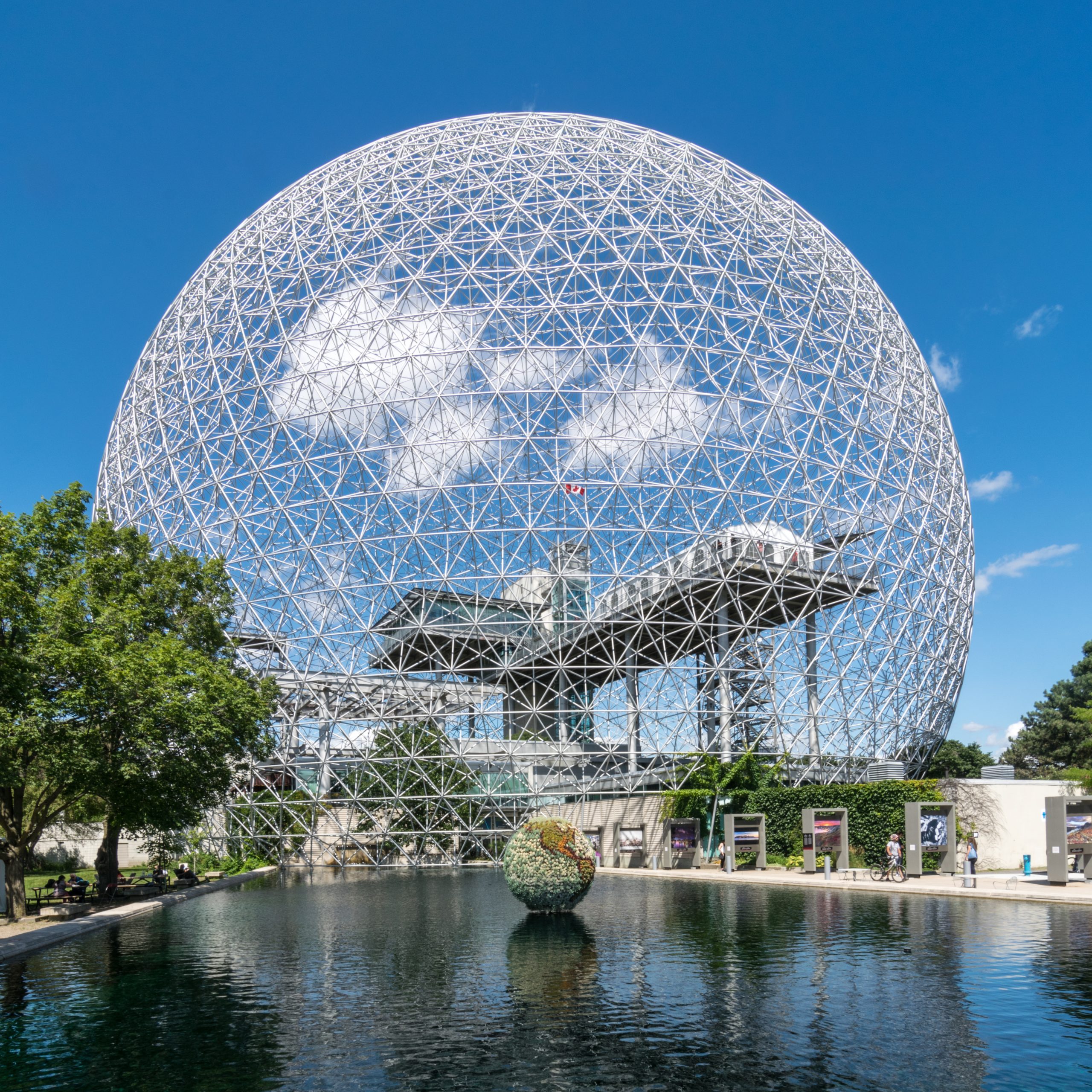
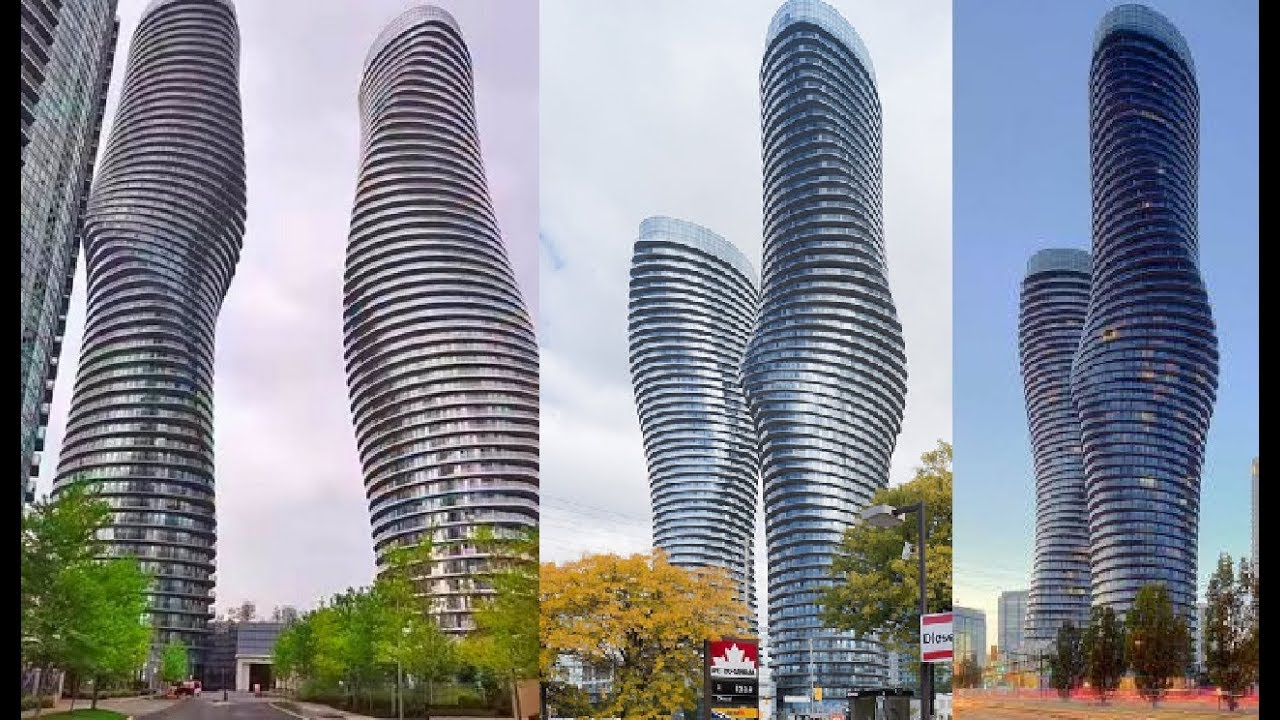
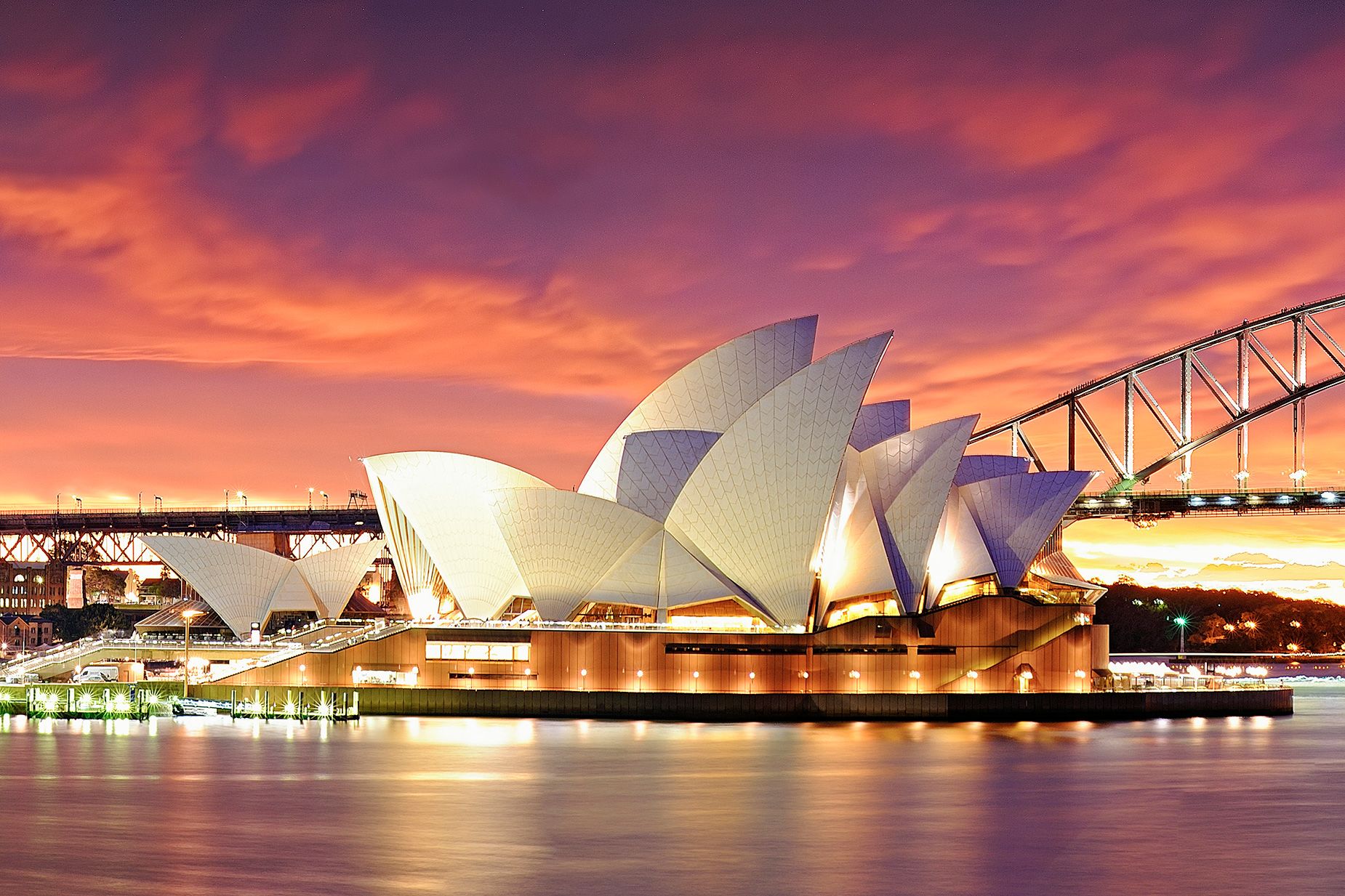
A key feature of Postmodern architecture is fragmentation—breaking down traditional geometric forms into irregular shapes. This creates visual interest and reflects the complexity of modern life. Multiplicity emphasizes that there are many ways to approach design, rather than one fixed path.
For example, a building may combine:
-
Curved and angular sections
-
Different materials such as glass, steel, and brick
-
Varied colors, patterns, and textures
This combination allows architects to respond to both aesthetic desires and contextual needs, producing a richer urban experience.
Symbolism and Meaning
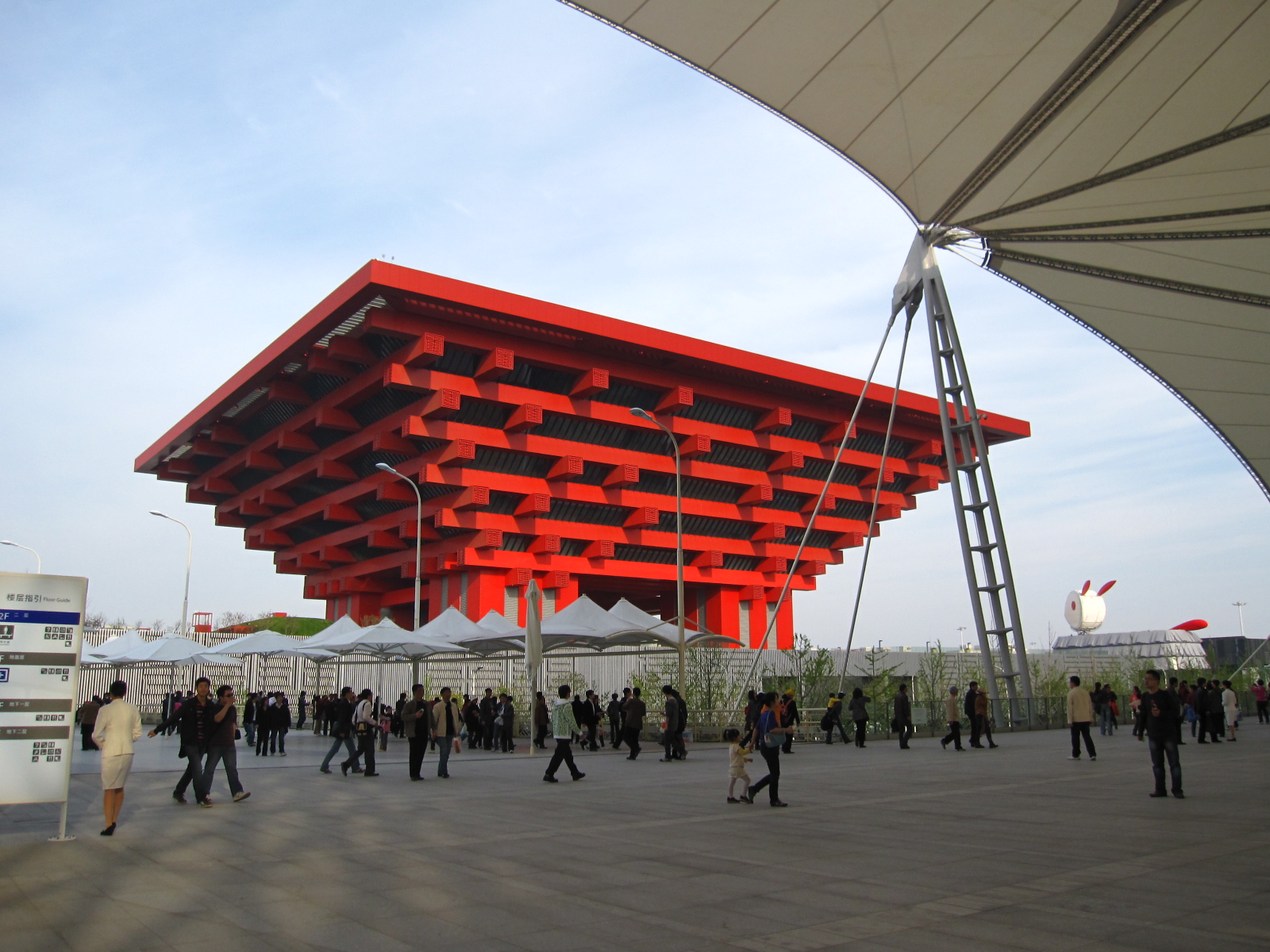
Postmodern buildings often convey stories or cultural messages. Unlike Modernism, where form strictly follows function, Postmodern structures communicate identity, history, and symbolism. Examples include:
-
References to classical architecture, such as columns, pediments, or arches
-
Local cultural motifs integrated into façades or interiors
-
Playful or ironic designs that provoke thought or conversation
Symbolism helps buildings connect emotionally with people, creating a stronger sense of place.
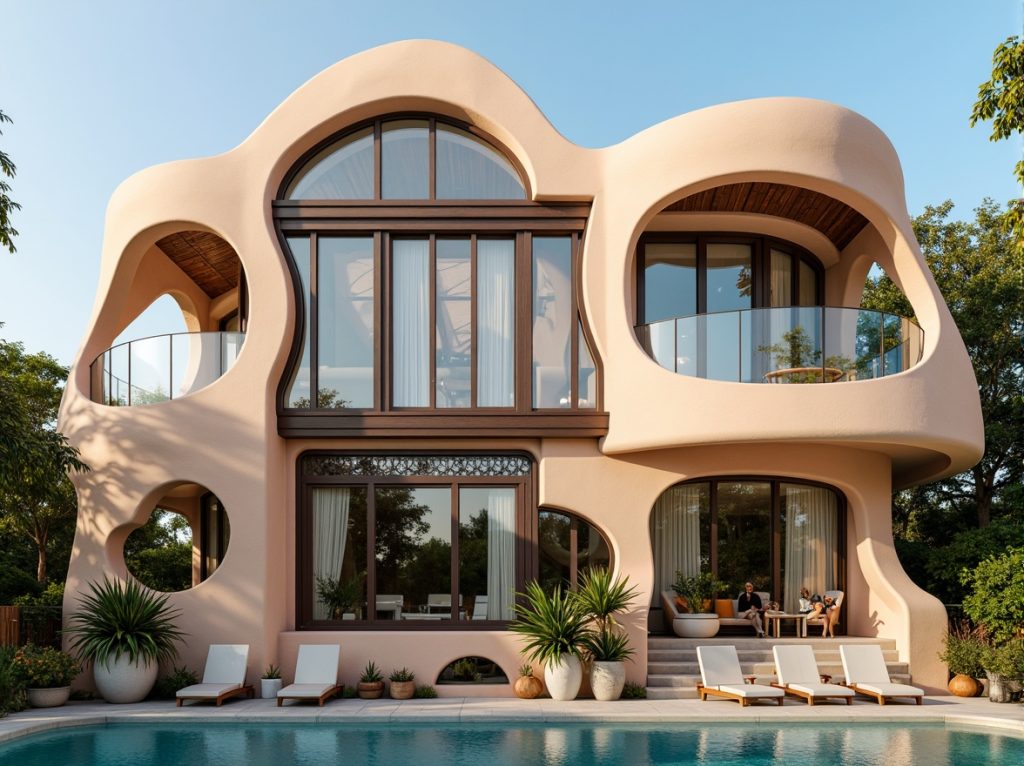
Postmodern Architecture: Embracing Diversity and Creativity
Diversity of Materials and Techniques
Modern architecture favored uniform materials like concrete, steel, and glass. Postmodern architecture, however, embraces diversity in materials, combining old and new techniques to achieve unique forms:
-
Glass and steel for transparency and modernity
-
Brick or stone for warmth and cultural connection
-
Metal cladding for sculptural, reflective surfaces
-
Textiles or mosaics for color and texture
This approach encourages experimentation and highlights the creative potential of architecture.
Impact on Urban Landscapes
Postmodernism has influenced city design by encouraging variety and visual interest:
-
Buildings no longer have to look similar or follow strict grids
-
Public spaces can include unexpected forms and interactive designs
-
Cities can express local identity through architecture, enhancing cultural tourism
As a result, Postmodern architecture contributes to vibrant, engaging, and distinctive urban environments.
Criticisms and Challenges
Postmodern architecture has faced some criticisms:
-
Some argue it is too playful or whimsical, sacrificing function for form.
-
Others claim it can create visual clutter in urban areas.
-
Balancing diversity and coherence is challenging; some designs risk appearing chaotic.
Despite these concerns, Postmodernism remains influential, offering freedom and flexibility that contrasts sharply with the rigidity of Modernism.
Legacy and Continuing Influence
Even today, Postmodern principles influence 21st-century architecture:
-
Emphasis on mixed-use buildings, combining residential, commercial, and cultural spaces
-
Integration of local history, art, and culture into contemporary design
-
Innovative materials and forms that challenge traditional construction methods
-
Focus on human experience, interaction, and emotion in building design
Architects continue to explore the balance between creativity, context, and functionality, building on the ideas introduced by Postmodernism.
Conclusion
Postmodern architecture represents a major shift in thinking, moving away from Modernism’s strict rules toward diversity, complexity, and cultural expression. It values multiplicity, symbolism, and playfulness, creating buildings that are not only functional but also engaging, meaningful, and visually striking.
By embracing fragmentation, experimentation, and human-centered design, Postmodern architecture reflects the dynamic, interconnected world of the 21st century, making urban landscapes richer, more expressive, and more connected to culture and history.
It shows that architecture is not just about order and progress, but also about creativity, identity, and the many ways humans experience and interact with their built environment.






Leave a Reply