
Unlike many other awards, WAF doesn’t only look at how a building appears in photos. Designers must present their projects in person to a panel of expert judges. They explain their ideas, challenges, and the impact of the building on people and the environment. This makes the competition more personal and meaningful.
Buildings from many categories compete — homes, schools, offices, museums, airports, and even entire neighborhoods. Some are huge and dramatic, while others are small but deeply thoughtful. What they all share is a strong idea and careful design.
Beauty With Purpose
Many winning buildings are not just pretty — they solve real problems. Some help communities rebuild after disasters. Others save energy, use natural light, or bring people together. Modern architecture is no longer just about size or luxury. It is about improving everyday life.
For example, schools designed with open spaces and fresh air help students feel calmer and more focused. Hospitals with gardens and sunlight help patients heal faster. Offices with shared spaces encourage teamwork. Good design quietly shapes how we live.
Nature and Architecture Together
One strong trend among WAF winners is the connection between buildings and nature. Instead of fighting the environment, many architects now work with it.
A famous example is Bosco Verticale in Milan. These residential towers are covered with trees and plants on every balcony. From far away, they look like vertical forests rising into the sky. The greenery helps clean the air, reduce heat, and create homes for birds and insects. Residents enjoy the feeling of living inside nature even in a busy city.
Another stunning project is Louvre Abu Dhabi. Its giant dome filters sunlight so it falls in soft patterns, like rays passing through palm leaves. The museum feels calm and cool despite the hot desert climate. Water surrounds the structure, making it look as if it is floating.
Creative Housing Projects
Housing is one of the most important areas in architecture, and many WAF winners show how homes can be both practical and beautiful.
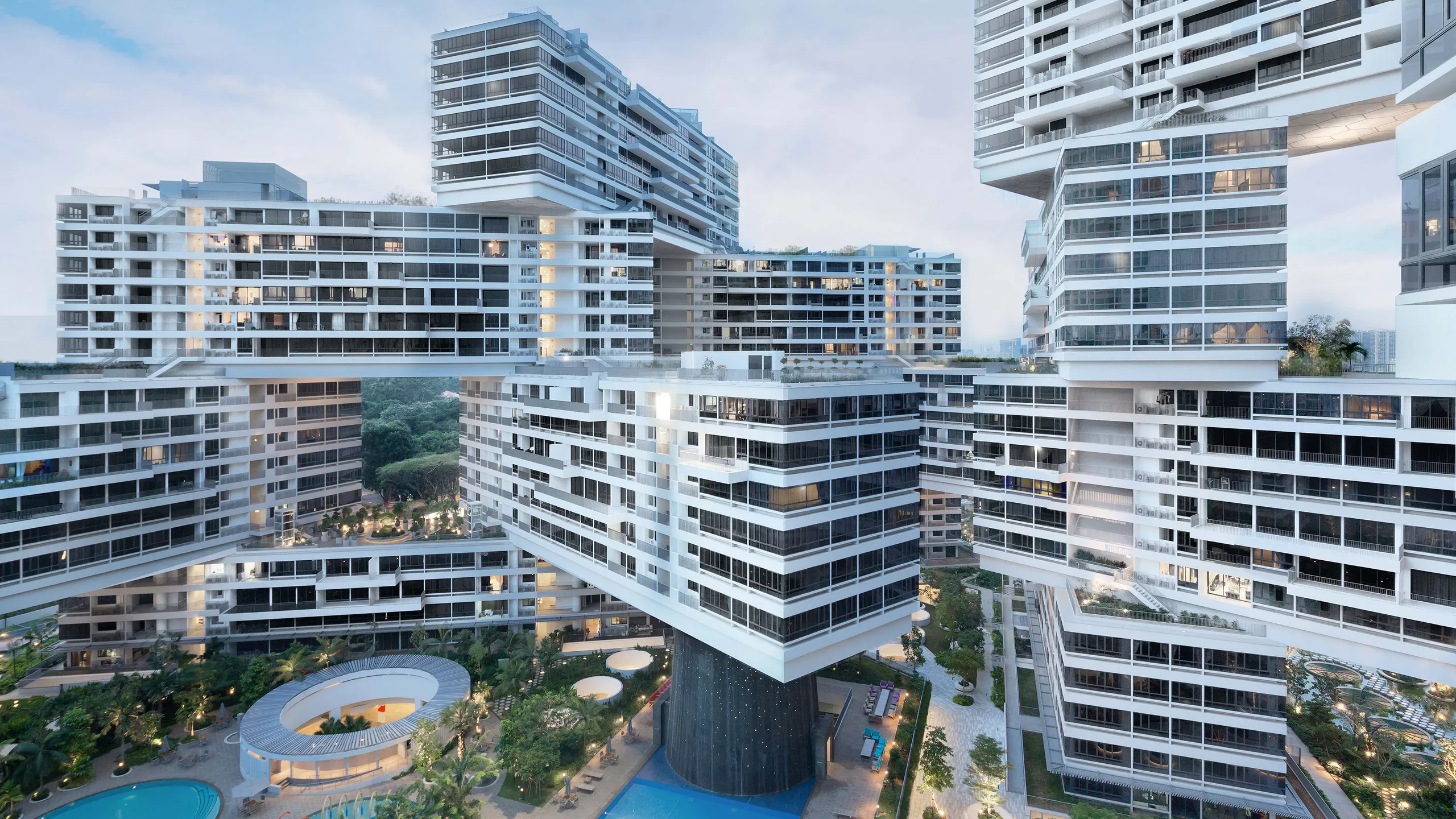
The Interlace in Singapore is a great example. Instead of tall vertical towers, the buildings are stacked horizontally in a crisscross pattern. This design creates large open courtyards, gardens, and shared spaces for residents. It feels more like a village than a typical apartment complex.
Such projects show that high-density living doesn’t have to feel crowded. Thoughtful design can provide privacy, greenery, and community at the same time.
Icons That Redefine Skylines
Some WAF-recognized buildings become global symbols for their cities. They attract tourists, boost local pride, and change how the world sees a place.
One famous skyline icon is Marina Bay Sands. Its three towers connected by a boat-shaped rooftop create one of the most recognizable silhouettes in modern architecture. The rooftop infinity pool overlooking the city has become world-famous. Beyond its dramatic look, the complex includes hotels, shops, gardens, and entertainment spaces, turning it into a lively urban hub.
Another towering example of human ambition is Burj Khalifa. As the tallest building on Earth, it shows how engineering and design can work together to achieve something once thought impossible. Its sleek shape is inspired by desert flowers, combining modern technology with regional identity.
Small Projects, Big Impact
Not every winner is massive or expensive. Some of the most admired projects are small buildings that deeply serve local communities.
Rural schools, tiny libraries, health clinics, and community centers often win praise because they transform everyday life. A well-designed small building can bring education, safety, and dignity to people who previously lacked basic facilities.
These projects remind us that architecture is not only for wealthy cities. It can also uplift remote villages and underserved areas.
Sustainable Design Is the Future
Climate change has made sustainability one of the most important goals in architecture. Many WAF winners focus on reducing energy use, conserving water, and using eco-friendly materials.
Buildings now often include:
-
Solar panels to generate clean electricity
-
Natural ventilation to reduce air-conditioning
-
Rainwater collection systems
-
Recycled or locally sourced materials
-
Green roofs and walls
These features not only protect the planet but also lower costs over time. Sustainable buildings are healthier for both people and the environment.
Cultural Identity in Modern Design
Another beautiful aspect of WAF winners is how they reflect local culture. Instead of copying the same style everywhere, architects often draw inspiration from traditional forms, materials, and history.
In some regions, buildings use shapes inspired by ancient temples or mosques. In others, local stone, wood, or clay connects the structure to its landscape. This blend of old and new keeps cultural identity alive while embracing modern life.
Spaces That Bring People Together
Many award-winning designs focus on creating shared experiences. Public squares, parks, waterfront walkways, and cultural centers encourage people to gather, relax, and interact.
Cities today face problems like loneliness, traffic, and pollution. Good architecture can help solve these issues by making spaces more welcoming and human-friendly. Wide sidewalks, shaded seating, bike paths, and open plazas all make urban life more enjoyable.
Innovation and Technology
Modern architecture also benefits from advanced technology. Computer modeling allows designers to test ideas before construction begins. New materials make buildings stronger, lighter, and more energy-efficient.
Some projects even use smart systems that adjust lighting, temperature, and ventilation automatically. These intelligent buildings respond to weather conditions and occupancy, saving energy while keeping occupants comfortable.
Why These Buildings Inspire Us
WAF winners capture attention because they show what is possible when imagination meets skill. They remind us that buildings are more than concrete and steel — they shape our daily experiences.
A beautiful school can inspire students.
A welcoming hospital can comfort patients.
A lively public space can strengthen communities.
A sustainable home can protect the planet.
Architecture quietly influences our mood, health, and social life.
Lessons for the Future
As cities continue to grow, the need for thoughtful design becomes even more urgent. Poor planning can lead to overcrowding, pollution, and stress. But smart architecture can create cleaner, safer, happier places to live.
The projects celebrated at WAF offer valuable lessons:
-
Design with people in mind
-
Respect nature instead of destroying it
-
Celebrate local culture
-
Use resources wisely
-
Think about long-term impact
These ideas are shaping the future of cities around the world.
Final Thoughts
The dazzling winners of the World Architecture Festival prove that great design is not only about looks. It is about meaning, function, and human experience. From towering skyscrapers to humble community buildings, each project tells a story of creativity and care.
They show that architecture can inspire hope, solve problems, and bring beauty into everyday life. As technology advances and environmental challenges grow, the role of thoughtful design will become even more important.
In the end, the true success of any building is not how famous it becomes, but how well it serves the people who use it. The best architecture makes life easier, richer, and more joyful — and that is exactly what the most dazzling WAF winners achieve.
Read Also: Keep your face towards the sunshine and shadows will fall behind you
Watch Also: https://www.youtube.com/@TravelsofTheWorld24






Leave a Reply