
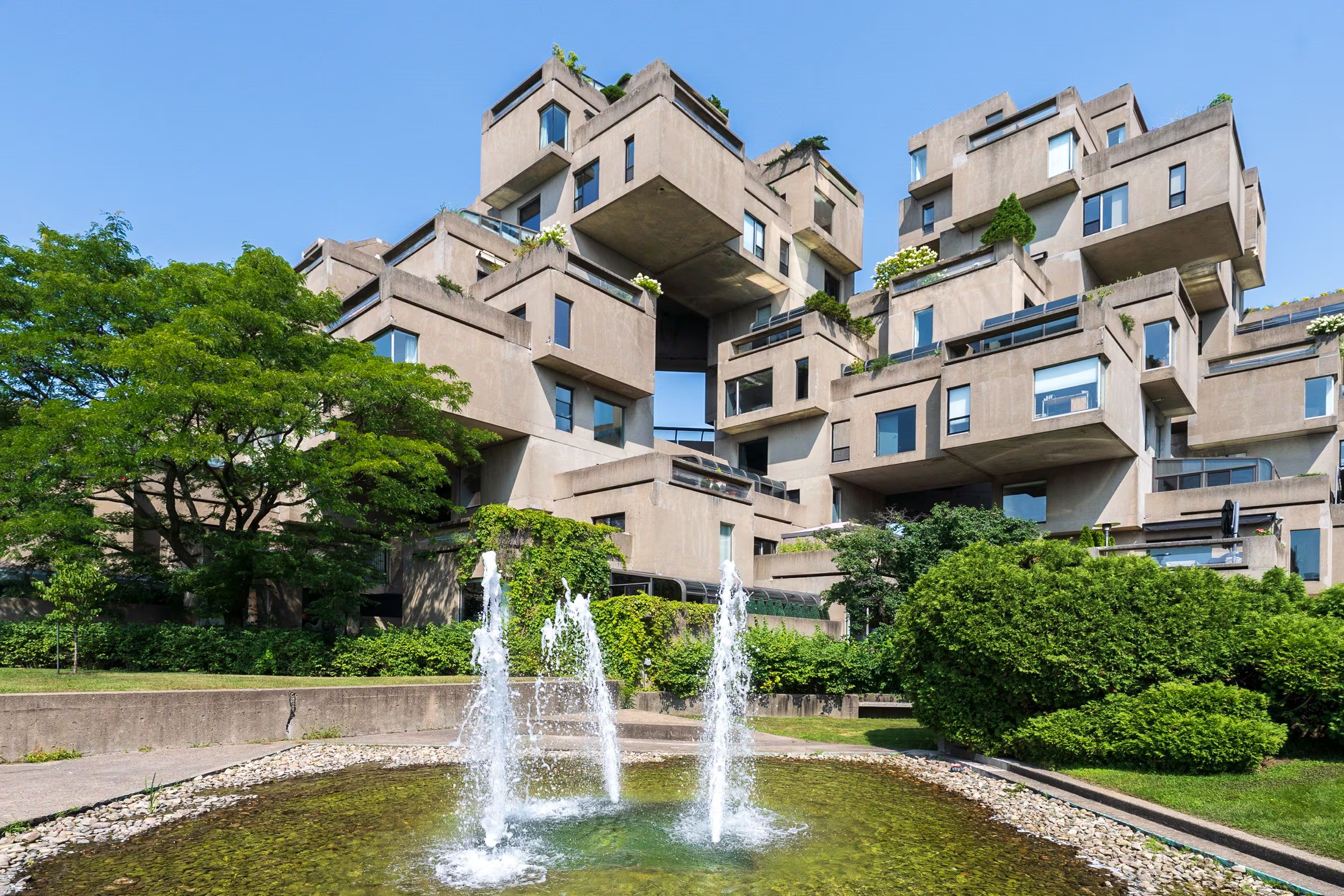
Habitat 67 is one of the most unique buildings in the world. It is located in Montreal, a big city in the province of Quebec in Canada. When people see it, they are amazed because it does not look like a normal apartment building. Instead of being flat or tall in a traditional way, it is made up of many cube-shaped units stacked together like a giant Lego set. Each unit is a separate apartment, and they are arranged in a way that creates open spaces, terraces, and interesting angles. The building looks modern, creative, and almost like a sculpture as much as a place to live.
Habitat 67 was built for Expo 67, the World’s Fair held in Montreal. This fair celebrated the 100th anniversary of Canada, and its theme was “Man and His World.” Architects and designers from all over the world came to show ideas about the future of living, cities, and technology. Habitat 67 was designed by the architect Moshe Safdie, who was only 23 years old when he proposed the project. His idea was to create housing that combined the benefits of suburban homes, like gardens and outdoor space, with the convenience of living in a city.
The building has 354 identical concrete boxes, each weighing several tons. These boxes are connected in unusual ways, forming apartments of different shapes and sizes. Some units stick out over others, creating terraces where residents can have plants, chairs, and fresh air. Despite the complex design, the building is very functional. Each apartment gets sunlight, privacy, and outdoor space, which is rare in city living. Safdie wanted to make a building that felt friendly, human, and connected to nature, even though it is made of heavy concrete blocks.
Habitat 67 is located near the Saint Lawrence River. The location was carefully chosen to give residents a view of the water and easy access to parks and outdoor areas. The building also fits into Montreal’s culture of art, creativity, and innovation. The city has a history of supporting unusual and bold designs, and Habitat 67 became a symbol of that spirit.
Visitors often come to Habitat 67 not to live there, but to see the building itself. Its unusual shape makes it an architectural landmark. Photographers, students, and tourists take pictures of the cubes, the terraces, and the patterns of shadows. From a distance, it looks like a futuristic city stacked on top of itself. From close up, people notice the details of the concrete, the staircases, and the small gardens on each terrace.
One of the most interesting aspects of Habitat 67 is how it combines density and space. Most city apartment buildings are tall towers with many apartments stacked directly on top of each other. In those buildings, outdoor space is usually limited to balconies or public parks. Habitat 67 solves this problem by staggering the cubes. Each apartment has its own terrace, which means residents can enjoy private outdoor areas. The building shows that it is possible to create high-density housing without losing comfort or quality of life.
The design also uses modular construction. The cubes were prefabricated, meaning they were built off-site and then moved into place. This method was unusual at the time but allowed the building to be constructed faster and more efficiently. Today, modular construction is becoming more common, but Habitat 67 was one of the first major examples of this technique.
Habitat 67 is more than just a building; it is a statement about how people can live in cities. It challenges the idea that apartments must be boring or repetitive. Instead, it offers variety, individuality, and connection to nature. Every apartment is different, and the arrangement of the cubes creates interesting spaces, shadows, and views. People often compare it to a sculpture because it is as beautiful as it is practical.
Inside the apartments, residents have modern living spaces, large windows, and access to their own terraces. Some terraces are large enough for small gardens, while others offer places to sit and enjoy the view. The combination of private and shared spaces helps create a sense of community. People can enjoy their own home while also feeling part of a larger building. This idea of blending privacy with community was very advanced at the time.
Over the years, Habitat 67 has influenced architects and designers around the world. It has inspired ideas about modular housing, sustainable living, and creative urban design. Many architects study it to understand how to balance beauty, function, and human comfort. Even though it was built more than fifty years ago, it still feels modern and exciting. Its ideas about space, light, and outdoor living are still relevant today.
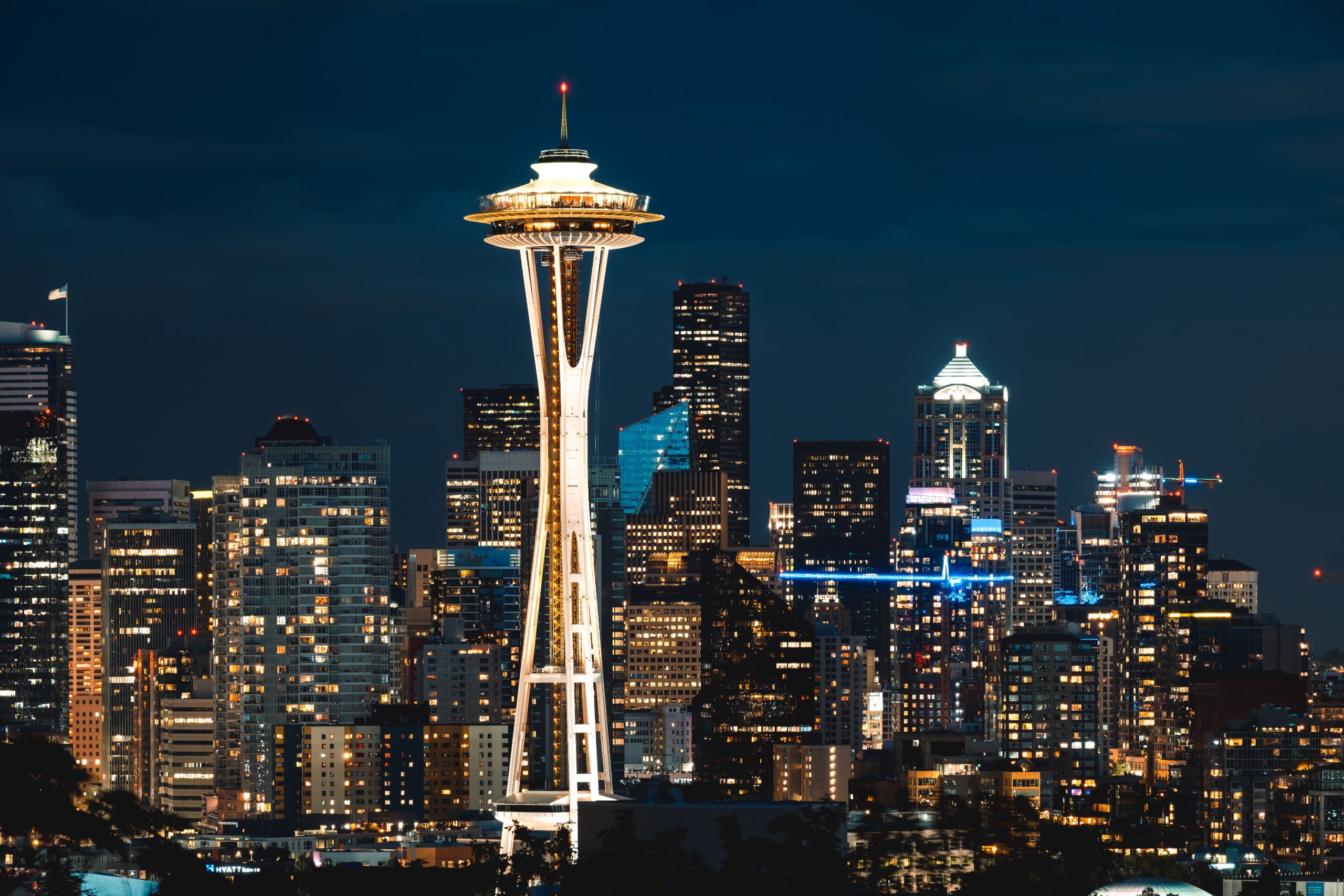
The building has also been recognized as a symbol of Montreal. Just like the Eiffel Tower represents Paris or the Space Needle represents Seattle, Habitat 67 represents Montreal’s creativity and forward-thinking spirit. It is often featured in books, magazines, and websites about architecture and design. People who visit Montreal often make it a point to see Habitat 67, even if they are not architects or designers.
Habitat 67 also shows the connection between architecture and culture. Montreal is a city that values art, music, and creativity. Habitat 67 fits perfectly into this environment. It is not only a place to live but also a work of art that interacts with its surroundings. Its terraces, angles, and patterns reflect light in different ways during the day, creating changing views and experiences.
The building has survived decades of weather, including snow, rain, and strong winds. The concrete construction is very strong, and maintenance has kept the apartments in good condition. Despite its age, the design continues to feel fresh and inspiring. The building proves that bold architectural ideas can last over time if they are well-built and carefully maintained.
Habitat 67 has also been used for special events, tours, and educational programs. Architecture students often visit to study its design, and art lovers appreciate its sculptural qualities. It is a living example of how architecture can combine form, function, and beauty. People often take inspiration from it for their own projects, whether in housing, urban planning, or landscape design.
In conclusion, Habitat 67 is a remarkable building that changed the way people think about city living. Its cube-shaped design, private terraces, and connection to nature make it stand out from ordinary apartment buildings. Built for Expo 67, it represents creativity, innovation, and the desire to improve urban life. Over fifty years later, it remains an architectural icon, inspiring visitors, residents, and designers around the world. Habitat 67 is not just a building; it is a vision of what city living can be when imagination meets function.
Read Also: Keep your face towards the sunshine and shadows will fall behind you
Watch Also: https://www.youtube.com/@TravelsofTheWorld24






Leave a Reply