
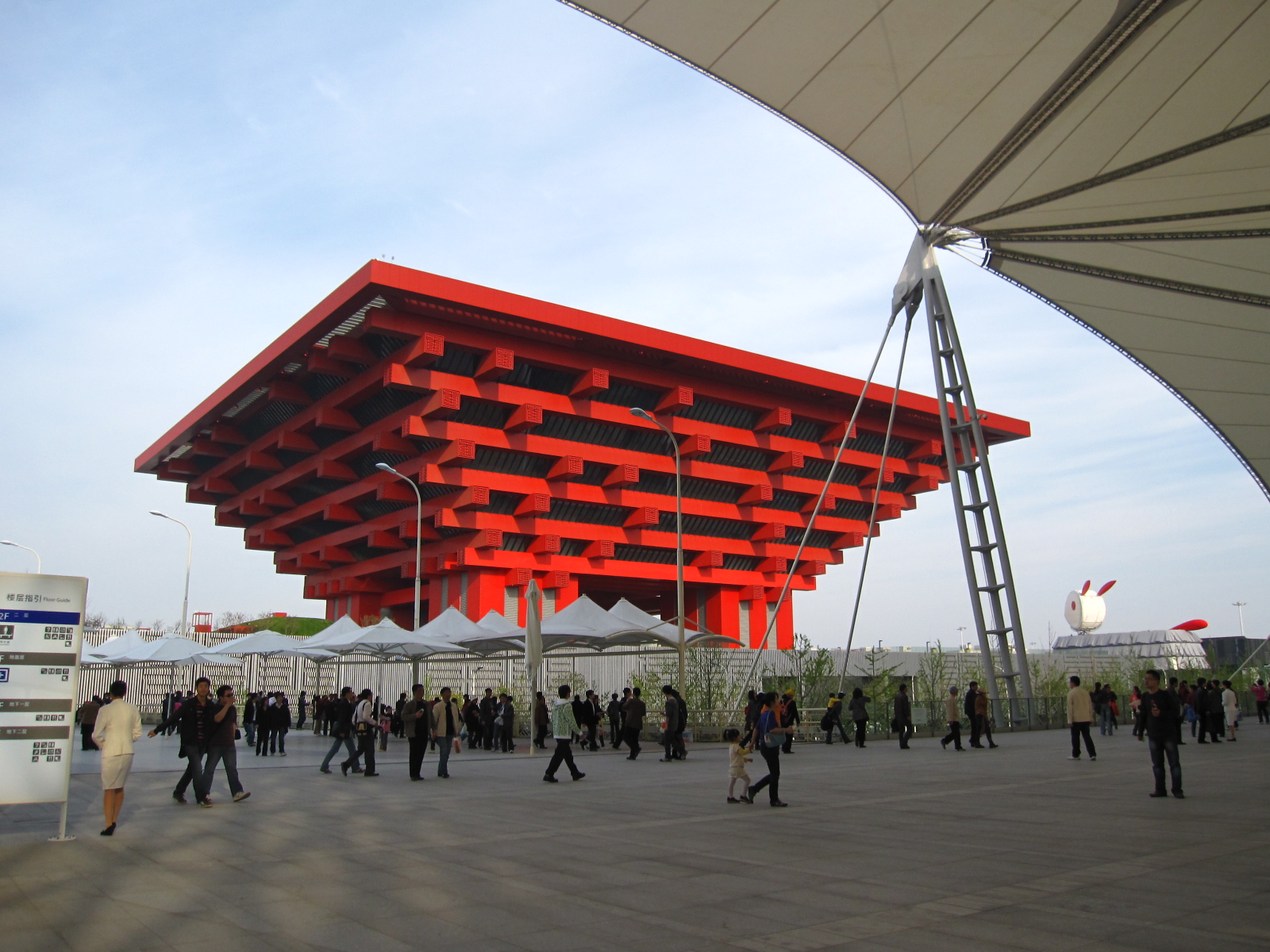
The China Pavilion is one of the most impressive buildings at the Expo 2010 in Shanghai, China. It is a symbol of Chinese culture, history, and architecture, and it quickly became a landmark during the World Expo. People are amazed by its size, design, and the story it tells about China’s past, present, and future. The building is sometimes called the “Crown of the East” because its shape looks like a traditional Chinese crown, representing power, dignity, and cultural pride.
The pavilion was built for the World Expo in 2010, which was a major international event where countries from around the world showcased their culture, technology, and ideas. China wanted a pavilion that reflected its long history and cultural richness. The architects designed a building that combined traditional Chinese elements with modern construction techniques. It is a striking red color, which is important in Chinese culture, symbolizing luck, happiness, and prosperity. (shanghai-expo.cn)
The China Pavilion is very tall, about 63 meters (over 200 feet) high, making it one of the tallest structures at the Expo. Its shape is inspired by the traditional dougong, a wooden bracket system used in ancient Chinese architecture. The roof looks like layers stacked on top of each other, creating a wide overhang that gives the building a majestic appearance. This design connects modern architecture with traditional Chinese culture, making it a bridge between the past and the present.
Visitors enter the pavilion through a large plaza, walking up ramps and stairs that lead to the main exhibition halls. Inside, the pavilion is divided into several sections that tell the story of China. Exhibits show China’s history, culture, achievements, and visions for the future. Large displays, videos, and interactive installations help visitors understand the country’s journey from ancient times to the modern era.
One of the most impressive parts of the pavilion is the panoramic hall at the top. From here, visitors can see views of the city of Shanghai, the Expo site, and surrounding areas. The hall is designed to make visitors feel like they are looking at China as a whole, combining both physical views and cultural perspectives. The experience is both educational and inspiring.
The China Pavilion also focuses on innovation and technology. Exhibits show China’s advances in industry, agriculture, science, and infrastructure. Visitors can see how technology is used in daily life and how it contributes to the country’s development. The pavilion balances the presentation of traditional culture with the celebration of modern achievements, giving a complete picture of China.
The red color of the pavilion is one of its most striking features. It makes the building stand out against the skyline and draws attention from far away. Red is not only beautiful but also meaningful, as it is deeply rooted in Chinese culture. The color, combined with the building’s shape and size, creates a powerful impression that visitors remember for years.
Inside the pavilion, there are large exhibition spaces with multimedia displays, interactive exhibits, and traditional artworks. Visitors can explore different themes, such as China’s natural landscapes, inventions, and historical milestones. The pavilion also highlights the country’s philosophy of harmony, balance, and respect for nature. Many exhibits use light, sound, and motion to create an immersive experience.
The China Pavilion also emphasizes cultural exchange. During the Expo, visitors from all over the world could learn about Chinese customs, festivals, art, and traditions. The pavilion acted as a cultural ambassador, showing China’s openness and willingness to share its heritage with the world.
The structure of the pavilion is carefully engineered to handle its large size and heavy roof. Modern materials and construction methods were combined with traditional design principles to create a building that is both strong and beautiful. The pavilion’s design ensures that it is safe, durable, and able to host thousands of visitors every day.
After the Expo, the China Pavilion was preserved as a museum called the China Art Museum. It continues to welcome visitors, showing art and culture from China and around the world. This allows the pavilion to remain a part of Shanghai’s cityscape and cultural life long after the Expo ended.
The pavilion is more than just a building; it is a symbol of national pride. It represents China’s achievements, creativity, and cultural identity. People who visit feel a connection to the country’s history and a sense of wonder at its progress. It demonstrates how architecture can tell a story, communicate ideas, and inspire visitors.
One of the unique experiences in the pavilion is the use of light and space. The interior is designed to guide visitors through different areas, creating a journey that feels like a story unfolding. High ceilings, wide corridors, and open spaces give a feeling of grandeur, while smaller exhibition areas offer intimate experiences that focus on detail and culture.
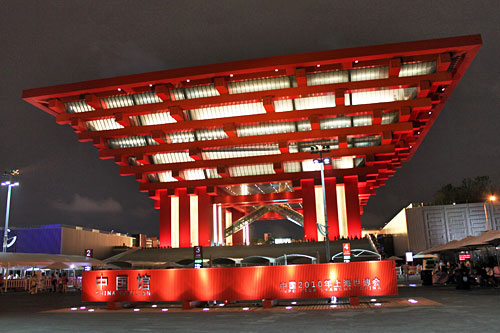
China Pavilion: Symbol of History and Innovation
The pavilion also shows the importance of sustainability and modern design. Many of the building materials and construction techniques were chosen to reduce environmental impact. Energy-efficient systems, careful use of natural light, and thoughtful design help make the pavilion both beautiful and environmentally responsible.
Visitors often leave the pavilion with a strong impression of Chinese culture and history. They see the connection between tradition and modernity, the creativity of Chinese architects, and the richness of the country’s heritage. The China Pavilion is educational, inspiring, and visually striking, making it one of the most memorable buildings in Shanghai.
In conclusion, the China Pavilion in Shanghai is more than an architectural landmark. Its design, exhibits, and cultural significance make it a symbol of China’s history, achievements, and future aspirations. From its striking red color to its panoramic views and interactive displays, it offers visitors an unforgettable experience. Originally built for the Expo 2010, it continues to educate and inspire as the China Art Museum, showing the world the beauty, creativity, and strength of Chinese culture.
Read Also: Keep your face towards the sunshine and shadows will fall behind you
Watch Also: https://www.youtube.com/@TravelsofTheWorld24






Leave a Reply