
The Supreme Court is the final authority on legal questions in the United States. If lower courts disagree, or if a case involves the Constitution, it can end up here. Once the Supreme Court makes a decision, there is no higher court to appeal to.
Because of this role, the building is more than just an office space. It represents the idea that laws matter and that everyone — even the government — must follow the Constitution.
Important issues such as civil rights, freedom of speech, voting, privacy, and many other topics have been decided inside this building.
Before This Building Existed
For many years, the Supreme Court did not have its own building. When the country was young, the justices worked in different locations. At one time, they even met in a small room inside the Capitol building.
This situation continued for over a century. Many people felt it did not match the importance of the court. As the nation grew, so did the need for a permanent home that reflected the court’s authority and independence.
Finally, in the early 20th century, plans began for a dedicated building.
Construction and Opening
Construction of the Supreme Court Building began in 1932 and was completed in 1935. The project took place during the Great Depression, a time when many Americans were struggling financially. Building such a large structure also helped create jobs.
The chief justice at the time strongly supported having a separate building. He believed the court should stand as an equal branch of government, separate from Congress and the president.
When the building opened in 1935, it immediately became one of the most impressive structures in Washington.
Architectural Style
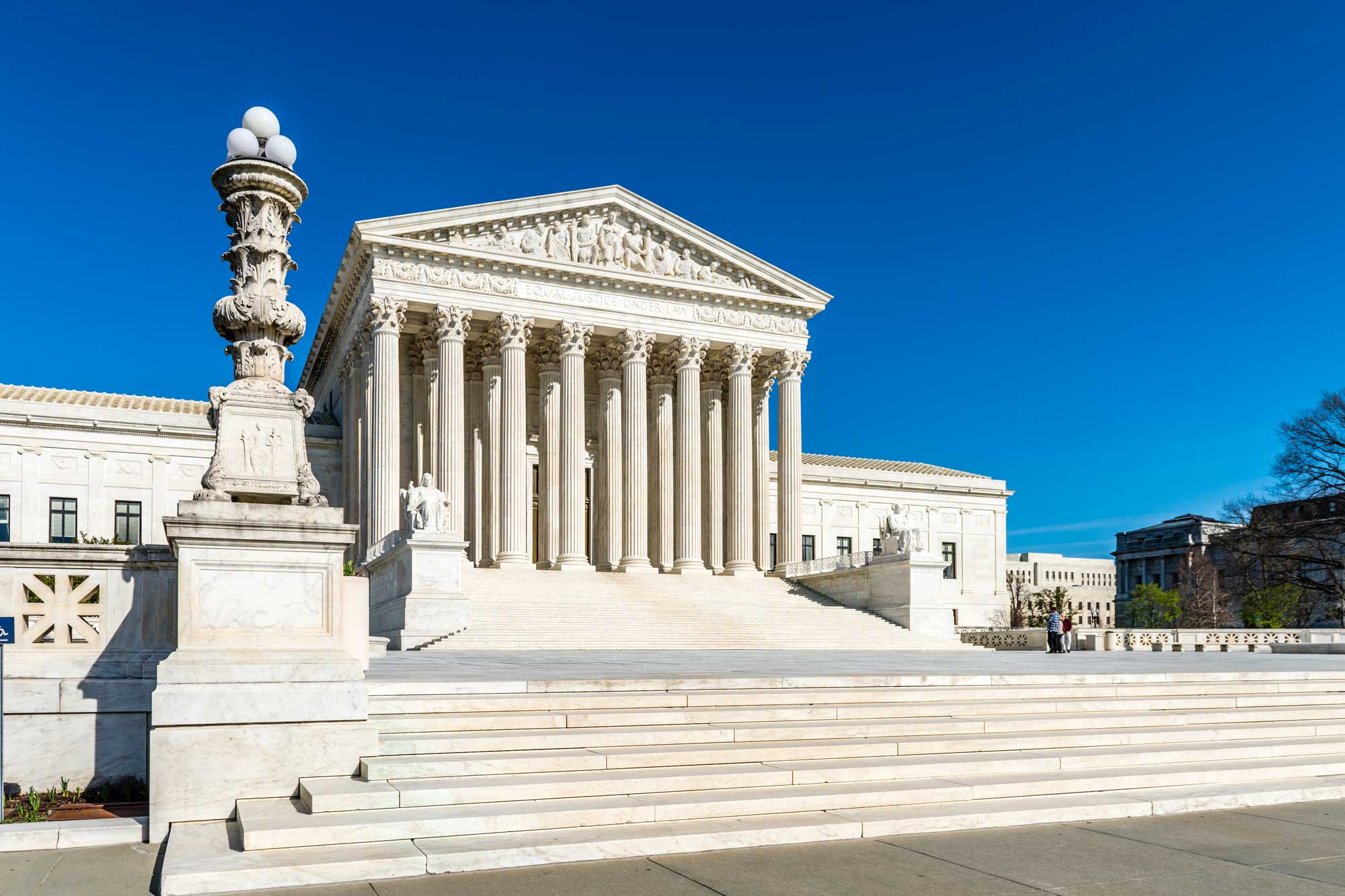
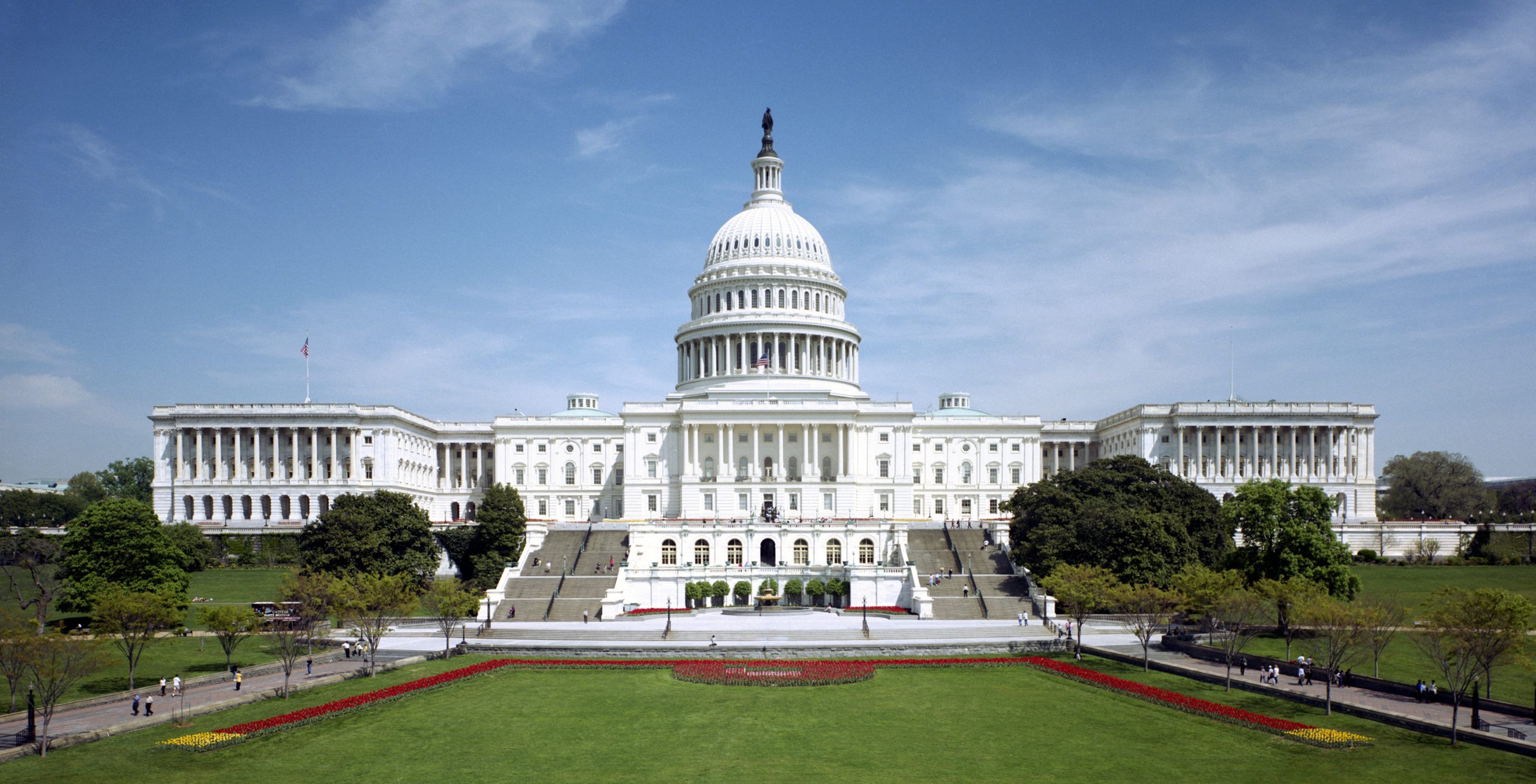
The building is designed in the classical style, inspired by ancient Greek and Roman temples. This style was chosen because it suggests stability, tradition, and respect for law.
Key features include:
-
A wide staircase leading up to the entrance
-
Tall Corinthian columns at the front
-
White marble walls
-
A triangular pediment above the columns
-
A balanced and symmetrical design
The building is made largely from marble, which gives it a bright white appearance. Marble was chosen not only for beauty but also for durability, since it can last for centuries.
Many government buildings in Washington use classical design because it connects modern democracy with the ancient democracies of Greece and Rome.
The Famous Front Inscription
Above the main entrance, carved into the stone, are the words:
“Equal Justice Under Law.”
These words express the court’s mission. They mean that every person should be treated fairly by the legal system, no matter their wealth, background, or status.
This simple phrase has become one of the most recognized statements about justice in the United States.
Statues at the Entrance
On both sides of the front steps are large statues representing ideas connected to law.
One statue represents authority and the power of law. The other represents contemplation and the careful thinking needed to make fair decisions.
These sculptures remind visitors that justice requires both strength and wisdom.
Inside the Building
The interior is just as grand as the outside. Marble floors, tall ceilings, and detailed decorations create a serious and respectful atmosphere.
Important rooms include:
The Courtroom
This is the heart of the building. Here, the nine justices sit on a raised bench while lawyers present their arguments. The public can attend hearings, although seating is limited.
The courtroom is designed to emphasize order and dignity. Dark wood, rich curtains, and soft lighting create a formal setting.
The Great Hall
Visitors entering the building pass through the Great Hall, a long corridor lined with columns and marble walls. Busts of former chief justices stand along the sides, honoring leaders of the court’s past.
Justices’ Chambers
Each justice has a private office area called chambers. Here they read cases, write opinions, and meet with staff.
The Nine Justices
The Supreme Court normally has nine justices:
-
One Chief Justice
-
Eight Associate Justices
They are appointed by the president and confirmed by the Senate. Once appointed, they serve for life unless they retire or resign.
This lifetime appointment is meant to protect them from political pressure, allowing them to make decisions based on law rather than popularity.
How Cases Are Decided
Every year, thousands of cases are submitted to the Supreme Court, but only a small number are chosen for full review.
The process usually includes:
-
Written arguments from both sides
-
Oral arguments in the courtroom
-
Private discussion among the justices
-
A final vote
-
A written opinion explaining the decision
Some decisions are unanimous, while others are closely divided.
Security and Public Access
Because of its importance, the building has strong security. However, it is also open to the public. Visitors can tour many areas, attend lectures, and sometimes observe court sessions.
People from around the world come to see the building, making it both a working institution and a historic landmark.
Symbol of Judicial Independence
In the United States, government power is divided into three branches:
-
Legislative (Congress)
-
Executive (President)
-
Judicial (Courts)
The Supreme Court Building stands as a physical symbol of the judicial branch. Its location across from the Capitol shows that the courts are separate from lawmakers but still part of the same system.
Major Decisions Made Here
Many historic rulings have been issued from this building. These decisions have shaped American society in areas such as:
-
Racial equality
-
Education
-
Criminal justice
-
Free speech
-
Marriage rights
-
Government powers
Some rulings have been widely celebrated, while others have been controversial. Regardless of opinion, all have had lasting impact.
Artwork and Decorations
The building contains many artistic details connected to law and history. Carvings, murals, and sculptures show famous lawgivers from different civilizations, including figures from ancient times.
This global representation suggests that the idea of justice is shared across cultures and history.
Daily Life in the Building
Although it looks like a monument, the building is also a busy workplace. Staff members, clerks, lawyers, and security officers work there every day.
The justices spend much of their time reading legal documents, discussing cases, and writing opinions. Court sessions happen only during certain months, but work continues year-round.
Public Protests and Gatherings
Because the Supreme Court decides major issues, people often gather outside the building to express their views. Supporters and opponents of different decisions hold peaceful demonstrations on the steps and plaza.
This shows how deeply court rulings affect society.
Night Appearance
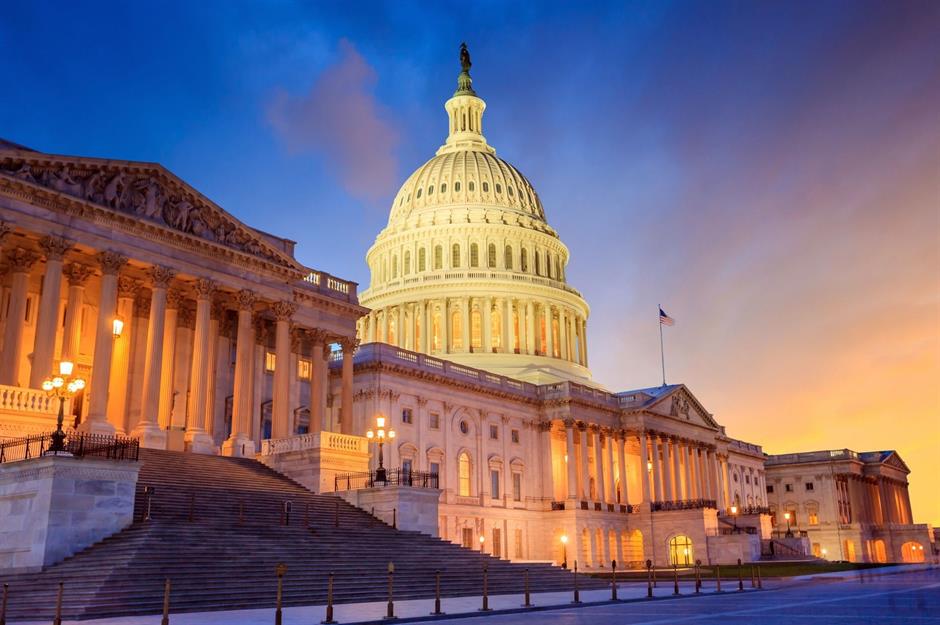
At night, lights shine on the white marble, making the building glow against the dark sky. The illuminated columns and steps create a dramatic and almost temple-like appearance.
Many photographers and tourists consider it one of the most beautiful nighttime views in Washington.
Why the Building Still Matters Today
The Supreme Court Building continues to play a central role in American democracy. Every decision made there can influence laws, rights, and daily life across the country.
Even people who never visit the building are affected by what happens inside it.
The structure itself reminds citizens that justice is meant to stand above politics and personal interests.
Final Thoughts
The United States Supreme Court Building is more than stone and marble. It is a powerful symbol of law, fairness, and the Constitution. Its classical design connects modern America with ancient ideas of justice, while its work shapes the future of the nation.
From its grand steps to the famous words carved above the entrance, every part of the building sends the same message: the law matters, and justice should apply to everyone.
For millions of Americans, it represents hope that disputes can be resolved peacefully through reason and law rather than force. For visitors, it offers a chance to witness one of the most important institutions in the country.
In a world that often changes quickly, the Supreme Court Building stands as a steady reminder of the principles on which the United States was founded — equality, fairness, and respect for the rule of law.
Read Also: Keep your face towards the sunshine and shadows will fall behind you
Watch Also: https://www.youtube.com/@TravelsofTheWorld24





Leave a Reply