
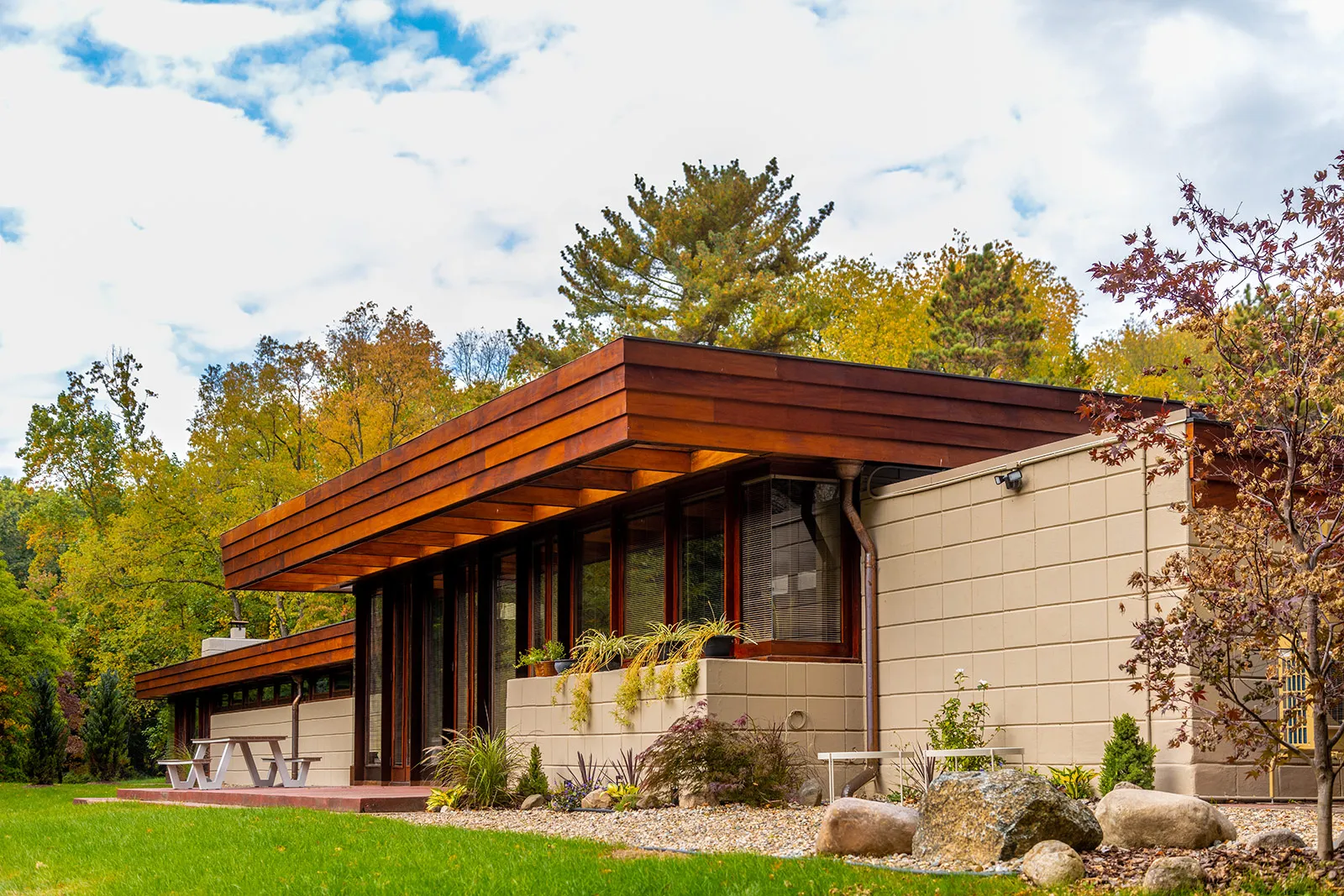
Wright’s Usonian homes were his answer to the challenge of designing practical yet beautiful houses for middle-class Americans. He wanted homes that were efficient, functional, and harmonious with nature. The Eric & Pat Pratt House embodies many key Usonian features:
-
Open floor plans: Rooms flow naturally into one another, creating a sense of space and freedom.
-
Integration with the landscape: Large windows, terraces, and garden views blur the lines between indoors and outdoors.
-
Natural materials: Wood, stone, and brick dominate, giving the home warmth and texture.
-
Horizontal lines: Low, flat roofs and elongated forms emphasize a connection to the earth.
-
Functional design: Built-in furniture, efficient layouts, and clever storage solutions support everyday living.
These principles make the home feel comfortable yet architecturally sophisticated.
Exterior Design
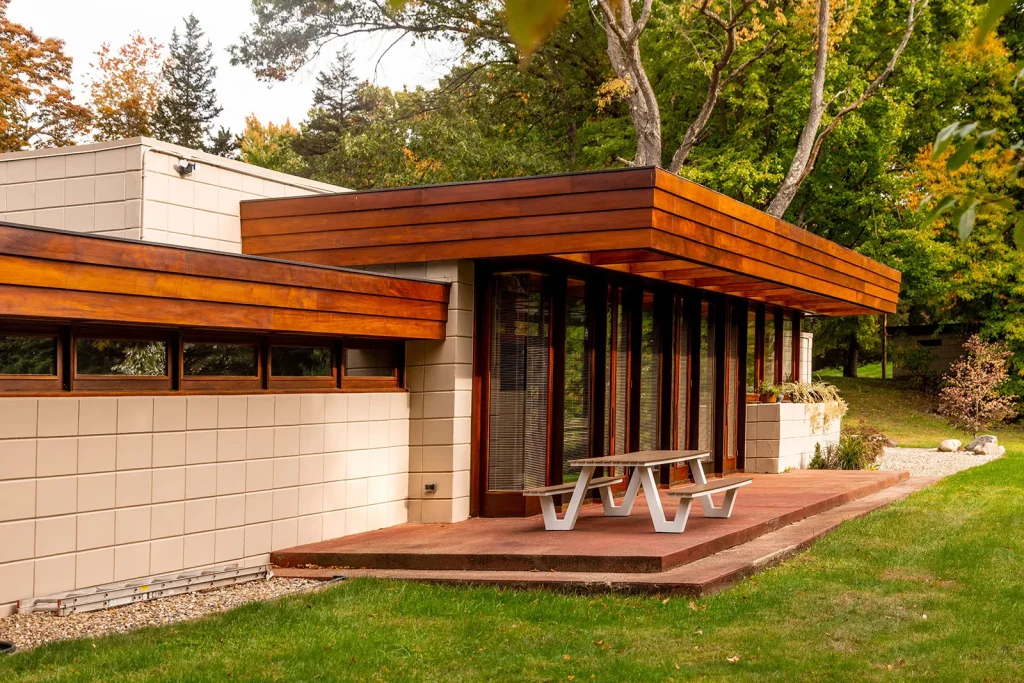
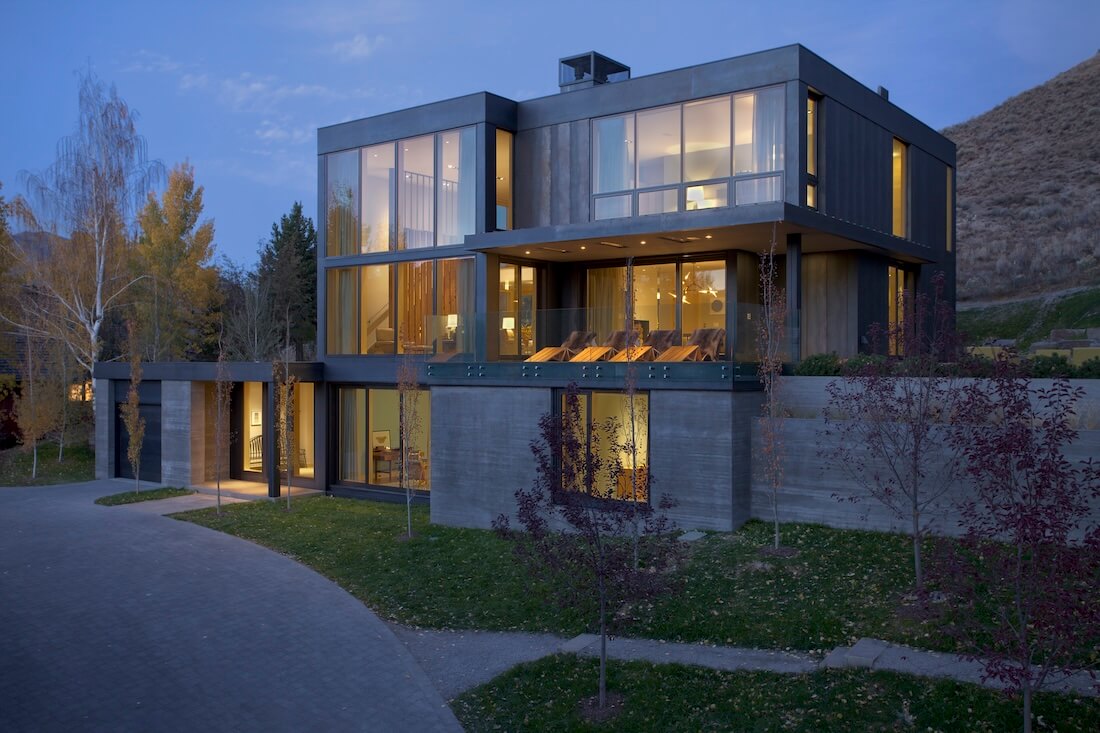
The exterior of the Pratt House showcases Wright’s signature horizontal lines, cantilevered roof elements, and extensive use of natural materials. Stone and wood walls blend with the surrounding landscape, while wide eaves provide shade and shelter. Large glass panels allow abundant natural light to enter the home and offer continuous views of the gardens and open fields.
Frank Lloyd Wright’s Eric & Pat Pratt House — Architecture in Harmony with Nature
The property’s location in The Acres provides both seclusion and community. Homes in this neighborhood were carefully sited to respect the land’s natural contours and preserve open space, giving each residence a sense of individuality within a shared vision.
Interior Spaces
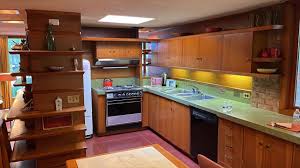
Inside, the house reflects Wright’s commitment to comfort and utility. Open living areas allow for flexible use, connecting the living room, dining area, and kitchen without walls obstructing sightlines. Built-in furniture, including seating, shelves, and cabinetry, contributes to a clean and uncluttered appearance.
Materials continue to play a key role. Rich wood tones and natural stone create warmth, while large windows make the interior feel spacious and light. Fireplaces are often central focal points, enhancing the home’s inviting atmosphere.
Relationship with the Landscape
Wright believed that homes should grow naturally from their sites rather than dominate them. The Pratt House is carefully positioned to take full advantage of its 70-acre surroundings.
Outdoor terraces, gardens, and walking paths encourage residents to engage with nature. Trees and plantings are placed to provide shade, privacy, and aesthetic interest throughout the year. In winter, bare branches frame the house and landscape, while summer foliage offers dappled light and cooling shade.
The Samuel & Dorothy Eppstein House
Adjacent to the Pratt House is the Samuel & Dorothy Eppstein House, another Wright-designed Usonian home. Together, the two houses represent a rare opportunity to experience multiple examples of Wright’s mid-century residential vision within a single community. The proximity of these homes highlights Wright’s ability to adapt his ideas to different clients while maintaining a cohesive architectural philosophy.
The Eppstein House shares similar design principles, including natural materials, horizontal emphasis, and strong indoor-outdoor connections. Having both homes on one property allows for unique flexibility, whether for family, guests, or expanded living arrangements.
Frank Lloyd Wright’s Eric & Pat Pratt House — Architecture in Harmony with Nature
Architectural Details
Several features make the Pratt House stand out even among other Usonian designs:
-
Cantilevered roofs: These extend beyond walls, creating dramatic overhangs that protect the interior and provide visual interest.
-
Clerestory windows: High windows allow natural light to fill the space while maintaining privacy.
-
Built-in furnishings: Wright’s custom furniture minimizes clutter and reinforces the home’s clean lines.
-
Open circulation: Hallways and common areas flow seamlessly, encouraging movement and interaction.
-
Attention to proportion: Carefully calculated dimensions give each room balance and harmony.
These elements combine to make the home both beautiful and highly functional.
Cultural and Historical Significance
The Eric & Pat Pratt House is more than a residence; it is a piece of architectural history. Usonian homes represent a critical period in Wright’s career when he sought to redefine American housing. These designs influenced generations of architects and continue to inspire modern residential architecture.
Owning a Wright home is often described as owning a living work of art. The careful attention to materials, light, and landscape ensures that the house is not just visually striking but also deeply comfortable for everyday life.
Lifestyle and Experience
Living in the Pratt House offers a unique daily experience. Open spaces, natural light, and seamless indoor-outdoor connections create an environment that encourages relaxation and reflection. Terraces and gardens become extensions of living areas, allowing residents to enjoy meals, entertain guests, or simply observe nature.
The sense of privacy afforded by the 70-acre site enhances this lifestyle. Despite being part of a community, the home feels secluded, providing a retreat from the outside world.
Preservation and Care
Maintaining a historic Wright home requires attention to detail and respect for original design principles. Owners often work with preservation experts to ensure that materials, finishes, and landscaping remain true to the architect’s vision. This care preserves both the home’s aesthetic qualities and its functional integrity.
Because of its historical importance, the property may also be of interest to architectural scholars, enthusiasts, and preservation organizations.
Summary
The Eric & Pat Pratt House stands as a shining example of Frank Lloyd Wright’s Usonian approach to architecture. Completed in 1951, it blends natural materials, horizontal lines, and open interiors to create a home that is both functional and artistically expressive. Located in the prestigious Galesburg Country Homes community, the house occupies a 70-acre landscape that enhances its connection to nature.
Adjacent to the Samuel & Dorothy Eppstein House, the property offers a rare opportunity to experience two Wright-designed homes together. The thoughtful design, attention to detail, and seamless integration with the environment make the Pratt House a timeless example of mid-century modern residential architecture.
Whether admired for its artistic value, studied for its historical significance, or lived in as a private residence, the Eric & Pat Pratt House continues to reflect the genius of Frank Lloyd Wright and the enduring appeal of his Usonian vision.
Read Also: Keep your face towards the sunshine and shadows will fall behind you
Watch Also: https://www.youtube.com/@TravelsofTheWorld24












Leave a Reply