
Beauty or Control? The Controversy Around Classical Federal Architecture
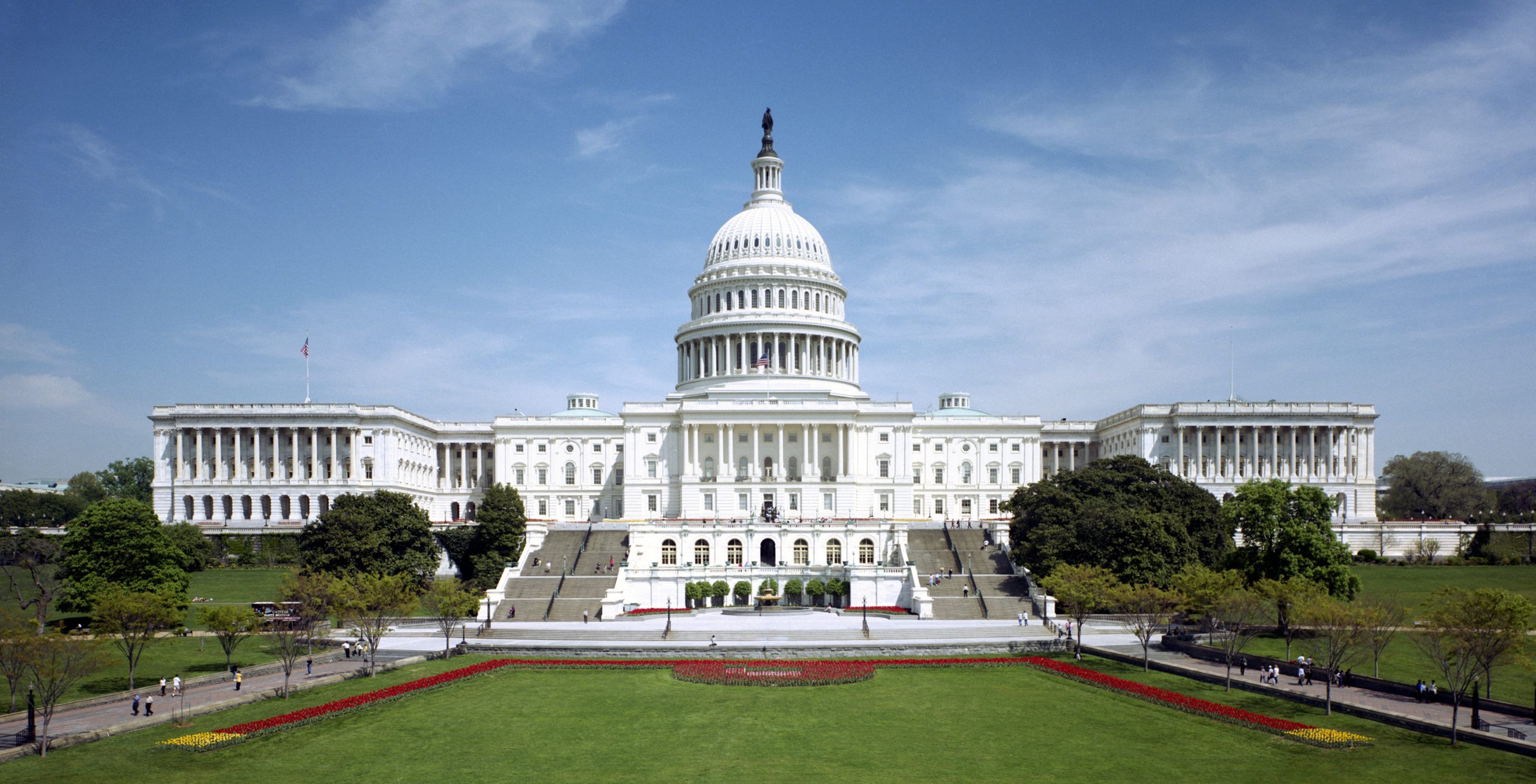
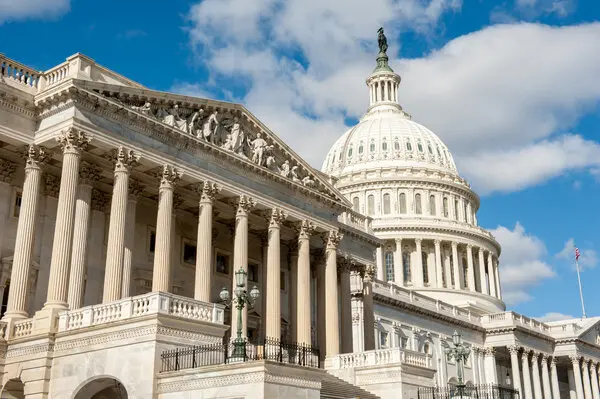
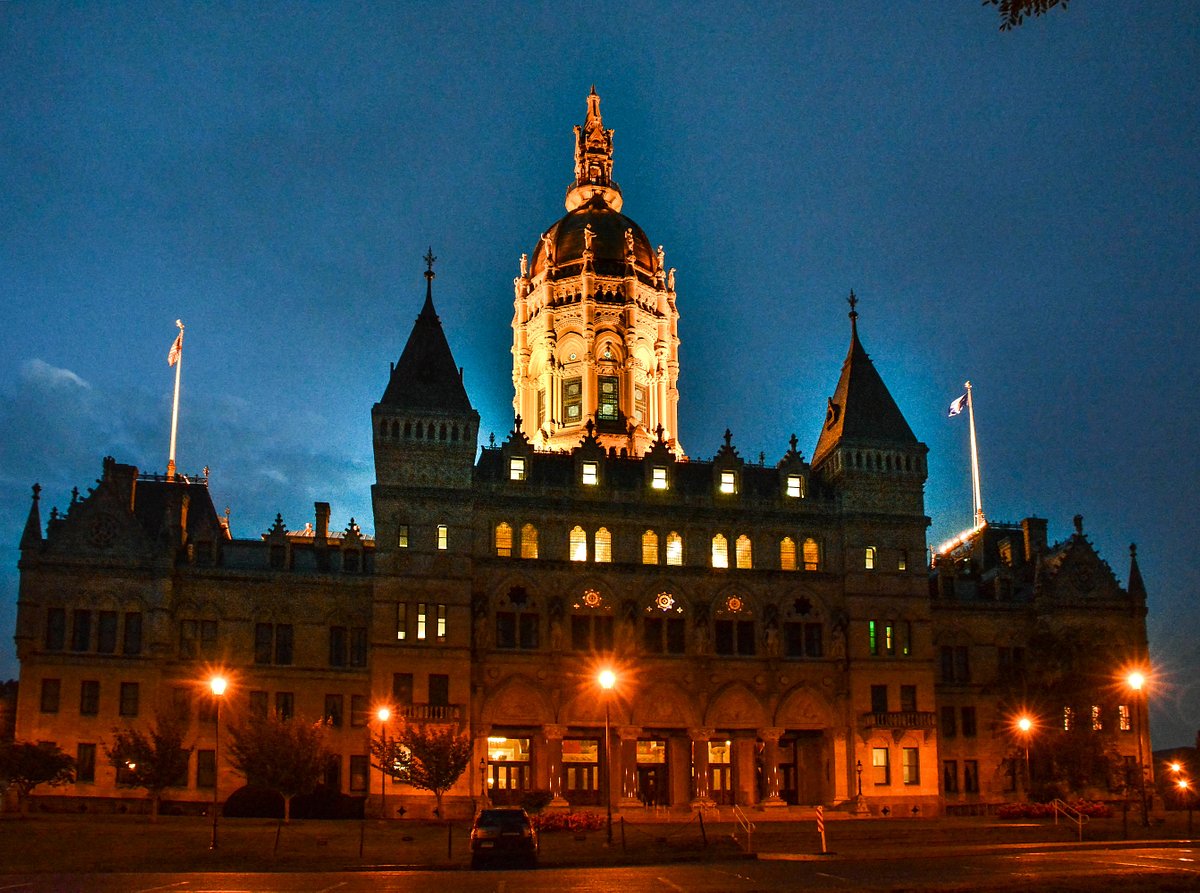
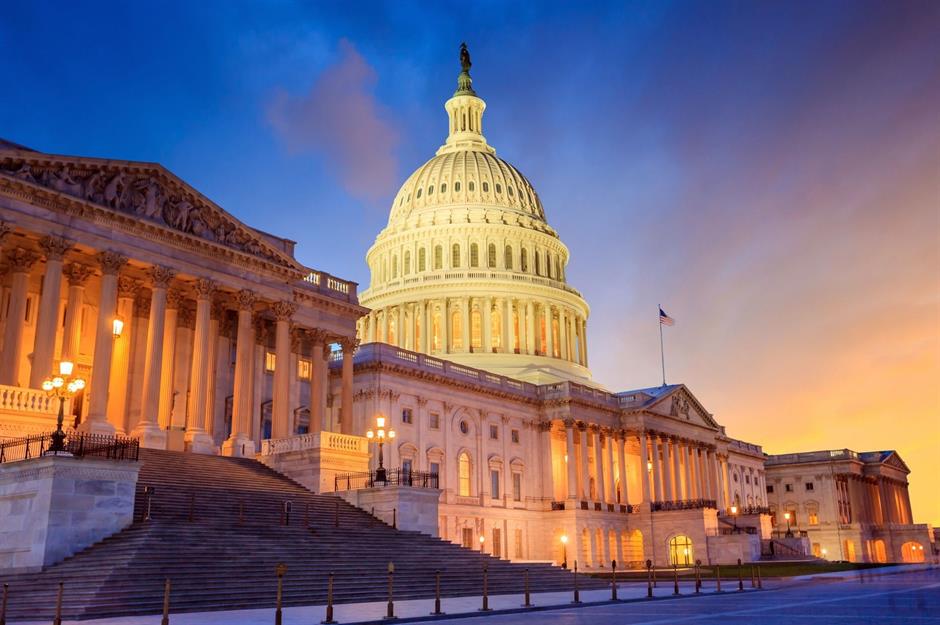
Classical architecture is a style based on the buildings of ancient Greece and ancient Rome. It uses clear shapes, balance, symmetry, and decorative elements like columns, domes, and pediments (the triangular top above columns). Many famous historical buildings use this style, including temples, palaces, and government halls.
In the United States, classical design has long been associated with democracy and stability. Early American leaders admired ancient Greece for its democratic ideas and Rome for its system of laws and governance. As a result, many important U.S. buildings were built in this style to symbolize strength, order, and tradition.
For example, the White House and the U.S. Capitol both use classical elements like columns and domes. These features give the buildings a grand, formal appearance that many people associate with authority and permanence.
How Federal Buildings Have Changed Over Time
In the early years of the United States, most federal buildings followed classical design. Courthouses, post offices, and government offices often looked like small temples with columns in front.
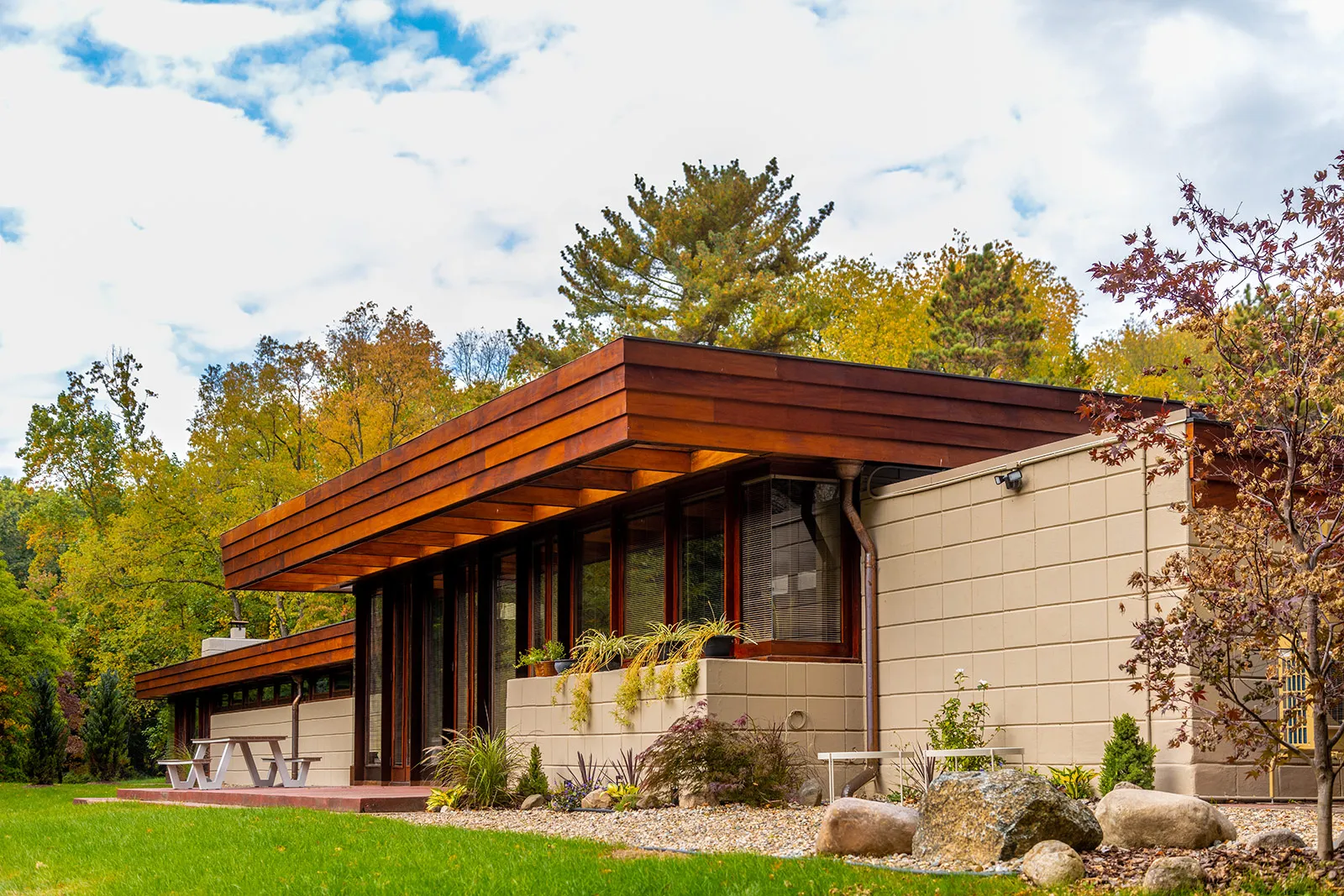
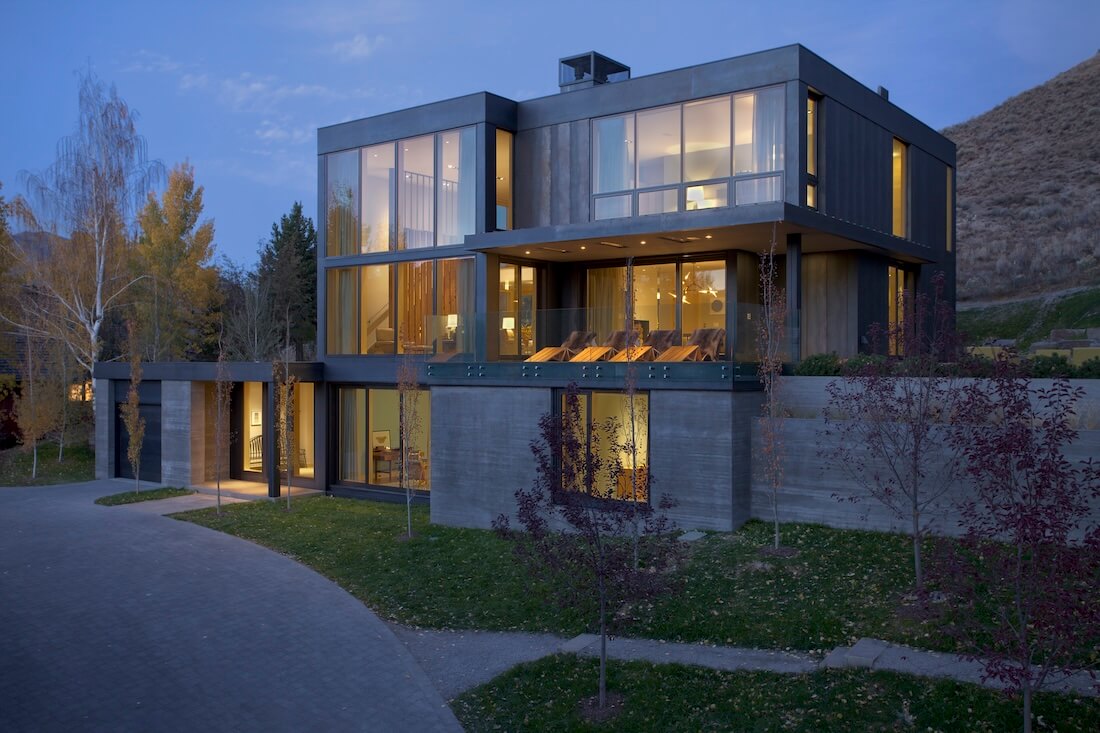
However, in the 20th century, architectural styles began to change. Modernism became popular, especially after World War II. Modern buildings focused on simplicity, new materials like steel and glass, and practical design rather than decoration. Many federal buildings built during this time look very different from older ones. They often have flat roofs, large windows, and minimal ornament.
Some people liked modern architecture because it felt fresh, efficient, and forward-looking. Others found it cold, plain, or even unattractive. This difference in opinion set the stage for later debates about what public buildings should look like.
The Proposal for Classical as the Default Style
During his presidency, Donald Trump signed an executive order suggesting that classical architecture should be the preferred style for new federal buildings. The proposal did not ban modern design completely, but it strongly encouraged traditional styles, especially for important government structures.
Supporters argued that classical buildings are more welcoming and easier for the public to appreciate. They said many modern federal buildings feel harsh, confusing, or impersonal. In contrast, classical buildings often appear familiar and grand, making people feel that government institutions are stable and trustworthy.
Another argument was that classical architecture has stood the test of time. Buildings inspired by ancient Greece and Rome have lasted for thousands of years and still look impressive today. Supporters believed new federal buildings should aim for that same timeless quality.
Why Supporters Liked the Idea
Many supporters believed that government buildings should reflect national identity and shared values. They argued that classical architecture represents democracy, law, and civic pride.
Some also said taxpayers deserve buildings that are beautiful, not just functional. Since public money funds these projects, they believed the designs should aim to inspire citizens rather than simply provide office space.
There was also a concern about consistency. Federal buildings across the country currently use many different styles, which can make them feel disconnected from one another. Supporters thought a return to classical design would create a unified national look.
Why Critics Opposed the Plan
Critics raised several concerns. One major issue was artistic freedom. Architects argued that design should evolve over time and respond to modern needs, technologies, and environmental concerns. Forcing a specific style, they said, could prevent innovation.
Another concern was practicality. Modern buildings often focus on energy efficiency, flexible spaces, accessibility, and new construction methods. Critics worried that strict classical requirements might make buildings more expensive or less functional.
Some also felt the policy ignored America’s diversity. The United States is a large country with many cultures, climates, and regional styles. Critics argued that one historical style cannot represent everyone.
There were also fears that the policy could turn architecture into a political tool rather than a professional decision based on community needs.
The Role of Architecture in Public Life
Architecture is not just about how buildings look. It shapes how people experience public spaces. A courthouse, for example, can feel intimidating, welcoming, or neutral depending on its design. A post office can feel friendly and local or distant and bureaucratic.
Government buildings carry special meaning because they represent public authority. Their design can influence how citizens feel about the institutions inside them.
Classical architecture often conveys order, tradition, and seriousness. Modern architecture can express efficiency, openness, or progress. Neither approach is automatically better; they simply communicate different ideas.
Historical Influences Behind the Debate
The United States has always had debates about architecture. In the late 1800s and early 1900s, there was a strong movement toward classical civic buildings. Later, modernism challenged those traditions.
After World War II, many public buildings were designed quickly to meet growing needs, sometimes with less attention to appearance. Over time, some people came to see these buildings as unattractive or unfriendly, which fueled calls for change.
The proposal to return to classical design can be seen as part of a broader conversation about tradition versus modernity — a debate that appears in art, education, and politics as well as architecture.
Public Reaction
Public opinion was mixed. Some people welcomed the idea, saying they prefer traditional buildings that feel grand and familiar. Others worried that the policy would waste money or limit creativity.
Architects and professional organizations were especially vocal in opposing strict rules. They emphasized that good design depends on context — the location, purpose, budget, and community — rather than a single style.
Many citizens, however, simply wanted buildings that are pleasant to use, safe, and efficient, regardless of style.
Beauty or Control? The Controversy Around Classical Federal Architecture
What Happened Afterward
The executive order promoting classical architecture was later reversed by a new administration. This meant federal agencies returned to choosing designs based on existing guidelines, which allow a wide range of styles.
Even though the policy did not remain in place long-term, it sparked an ongoing discussion about how public buildings should look and what values they should express.
Why the Topic Still Matters
The debate over federal architecture is about more than buildings. It touches on questions of identity, history, beauty, and the role of government.
Should public buildings look traditional to honor the past?
Should they look modern to reflect the present?
Or should each project decide its own style based on local needs?
There is no single correct answer, which is why the discussion continues.
Classical vs. Modern: A Simple Comparison
Classical Style
-
Inspired by ancient Greece and Rome
-
Uses columns, domes, and symmetry
-
Often feels formal and grand
-
Seen as timeless and traditional
Modern Style
-
Uses glass, steel, and simple shapes
-
Focuses on function and efficiency
-
Often looks clean and minimal
-
Seen as forward-looking
Both styles can produce beautiful buildings when done well.
The Future of Federal Architecture
Today, most experts agree that flexibility is important. Different locations and purposes call for different designs. A courthouse in a historic city might suit a classical style, while a research facility might benefit from a modern approach.
There is also growing interest in sustainability. New government buildings often aim to save energy, reduce environmental impact, and provide healthy indoor spaces. These goals sometimes influence design more than visual style.
Technology is another factor. Security systems, digital infrastructure, and flexible workspaces all shape how buildings are planned.
Final Thoughts
The proposal to make classical architecture the default for federal buildings sparked strong reactions because architecture affects everyone. Public buildings are part of daily life — places where people work, seek services, attend court, or participate in civic activities.
Supporters believed classical design would restore beauty and dignity. Critics feared it would restrict creativity and practicality. Although the policy itself did not last, the conversation it started continues to shape how people think about public spaces.
In the end, architecture is a reflection of society. The styles we choose reveal what we value — whether tradition, innovation, unity, diversity, or a balance of all these things. As cities grow and change, the debate over how government buildings should look will likely continue for many years.
Read Also: Keep your face towards the sunshine and shadows will fall behind you
Watch Also: https://www.youtube.com/@TravelsofTheWorld24









Leave a Reply