
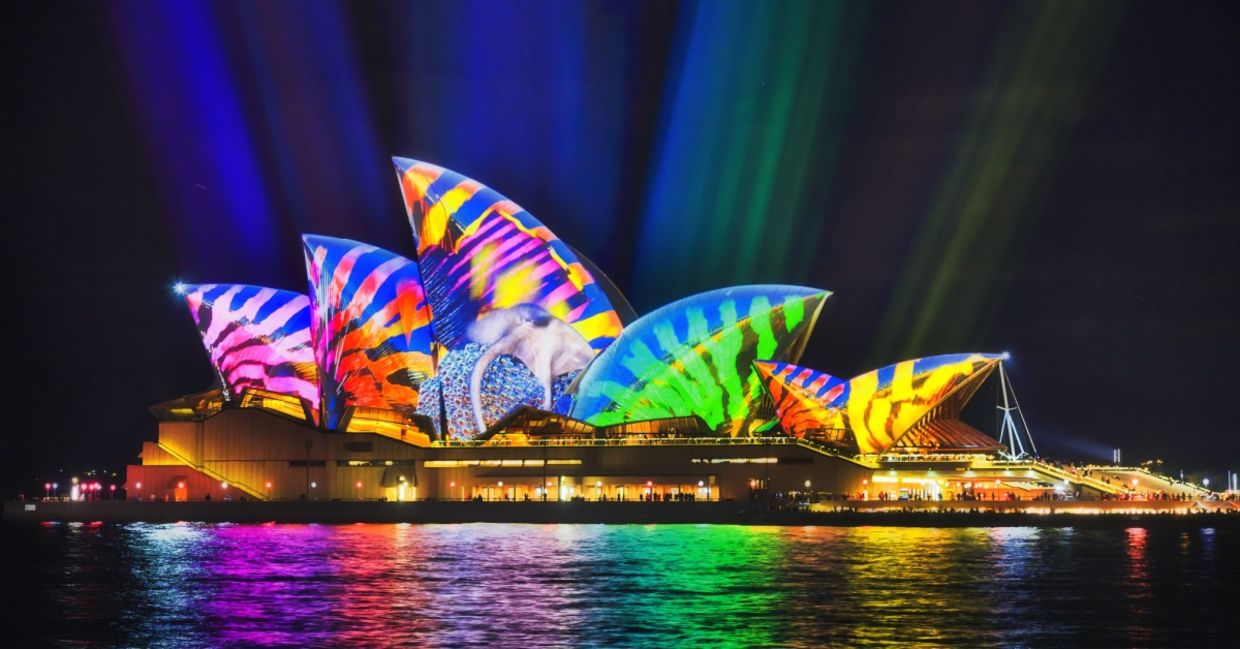
The Sydney Opera House is one of the most recognizable buildings in the world. Its unique sail-like design and location on Sydney Harbour make it a symbol of both Sydney and Australia. People travel from around the globe to see its architecture, attend performances, and enjoy its stunning waterfront setting.
Built in the 20th century, the Opera House is not only a performing arts center but also a masterpiece of modern architecture. Its construction was groundbreaking at the time, requiring innovative engineering and design. Today, it stands as a testament to creativity, perseverance, and the power of bold ideas.
The Vision Behind the Opera House
The building was designed by Jørn Utzon, who won an international design competition in 1957. Utzon’s design was inspired by sails, shells, and natural forms, giving the building its iconic look. His vision transformed the Sydney skyline and created a structure unlike anything seen before.
Construction began in 1959 and took over 14 years, finishing in 1973. The project faced challenges due to the complexity of the design, cost overruns, and technical difficulties. Despite these obstacles, Utzon’s vision was realized, and the Opera House became one of the most celebrated buildings in the world.
Architecture and Design
The Opera House is famous for its white, shell-like roofs, which resemble sails of ships in the harbour. These roofs are made from precast concrete segments covered in over a million glossy white and matte cream tiles. Their arrangement creates a dramatic silhouette that changes with the light, giving the building a dynamic, living appearance.
The base of the Opera House is a massive podium that supports the shells and houses several performance halls, restaurants, and public spaces. The design emphasizes both functionality and aesthetic appeal, with the structure appearing to float above the water.
Inside, the building contains multiple venues, including the Concert Hall, the Joan Sutherland Theatre, and smaller performance spaces. Each hall was designed with acoustics in mind, providing excellent sound for music, opera, and theatre performances.
https://youtube.com/shorts/qysfsXE4d8w?si=o2LSCfa3oAFGidIw
Engineering Challenges
Building the Opera House pushed the limits of engineering at the time. The shell structures were unlike anything previously attempted. Engineers had to develop new techniques for casting, lifting, and assembling the massive concrete segments.
Complex calculations were needed to ensure stability while maintaining the delicate, soaring appearance of the roofs. Engineers and workers collaborated closely with Utzon, experimenting with scale models and prototypes to achieve the final result.
Despite disputes and delays, the project demonstrated the potential of modern engineering and innovative problem-solving.
Cultural Significance
The Sydney Opera House is more than just a building; it is a cultural hub. It hosts thousands of performances each year, including opera, ballet, theatre, classical music, and contemporary concerts. It attracts artists and audiences from around the world, promoting cultural exchange and creativity.
The Opera House also plays a role in Australia’s identity, appearing in photographs, films, and media as a symbol of the nation. Its presence on Sydney Harbour, alongside the Sydney Harbour Bridge, creates one of the most iconic cityscapes in the world.
The Surrounding Area
The Opera House is located at Bennelong Point, a prime spot on Sydney Harbour. The waterfront location allows visitors to enjoy views of the harbour, ferries, and the bridge. The area around the Opera House includes gardens, promenades, and restaurants, making it a popular destination for tourists and locals alike.
Walking along the harbour provides different perspectives of the building, showing its curves, reflections in the water, and relationship with the city skyline. Many photographers and artists are drawn to these views.
Interior Spaces
The interior of the Opera House is as impressive as its exterior. The Concert Hall seats over 2,600 people and features a massive organ. The theatre spaces accommodate opera, dance, and drama productions with excellent sightlines and acoustics.
Decorative details include wood paneling, stone floors, and careful attention to proportions, creating a sense of elegance and harmony. The spaces are designed to enhance the experience of performers and audiences alike.
Recognition and Awards
The Sydney Opera House has received international acclaim for its architecture and cultural impact. In 2007, UNESCO designated it a World Heritage Site, recognizing its significance in human creativity and modern architecture.
It is considered a masterpiece of 20th-century design, inspiring architects and designers around the world. Utzon’s work continues to be studied and admired for its combination of artistry, engineering, and functionality.
Visiting Experience
Visitors can explore the Opera House through guided tours, attending performances, or simply walking around the exterior. The views of the sails, harbour, and city skyline are breathtaking, especially at sunrise or sunset.
Inside, guided tours reveal the history, construction methods, and design details. Attending a concert or opera provides a firsthand experience of the building’s acoustics and atmosphere, creating unforgettable memories.
Night Views
At night, the Opera House is illuminated, highlighting the curves of the shells and creating reflections on the water. Events and light shows often enhance the visual experience, making it a focal point for celebrations and festivals.
The night view emphasizes the architectural elegance and ensures the Opera House remains a symbol of Sydney even after dark.
Influence on Architecture
The Sydney Opera House has influenced architecture globally. Its daring forms, integration with natural surroundings, and innovative engineering inspired modern architects to experiment with new shapes, materials, and techniques.
The building demonstrates how architecture can combine functionality, beauty, and cultural significance, setting a standard for public landmarks worldwide.
Final Thoughts
The Sydney Opera House is a masterpiece of design, engineering, and culture. Its sail-like roofs, stunning location, and versatile performance spaces make it a symbol of creativity and human achievement.
From its ambitious beginnings with Jørn Utzon to its completion in 1973, the Opera House shows what is possible when vision meets perseverance. It continues to inspire, entertain, and amaze visitors from around the world, standing as one of the greatest landmarks of the modern era.
Read Also: Keep your face towards the sunshine and shadows will fall behind you
Watch Also: https://www.youtube.com/@TravelsofTheWorld24







Leave a Reply