
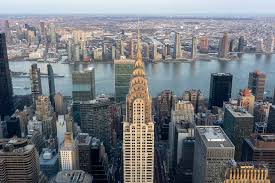
The Empire State Building is one of the most famous skyscrapers in the world. It stands tall in the center of Manhattan and has been a symbol of strength, ambition, and modern city life for many decades. When people think of New York, this building often comes to mind first. Its tall shape, pointed top, and glowing lights at night make it easy to recognize from far away.
Located on Fifth Avenue, the building rises above the busy streets full of taxis, shops, and crowds. It was once the tallest building on Earth and remained so for many years. Even today, surrounded by newer skyscrapers, it still feels powerful and impressive.
Why It Was Built
The Empire State Building was constructed during a very difficult time in American history. The country was facing economic hardship, and many people were out of work. Despite this, leaders wanted to show hope and confidence in the future by building something bold and inspiring.
Construction began in 1930 and finished in 1931 — incredibly fast for such a massive project. Thousands of workers were involved, including many immigrants who worked high above the ground, often in dangerous conditions. They used steel beams to create a strong skeleton for the building, then added stone and glass on the outside.
At the time of its completion, it became the tallest building in the world, rising to 1,454 feet (443 meters) including its antenna. This record made it famous overnight.
A Race to the Sky
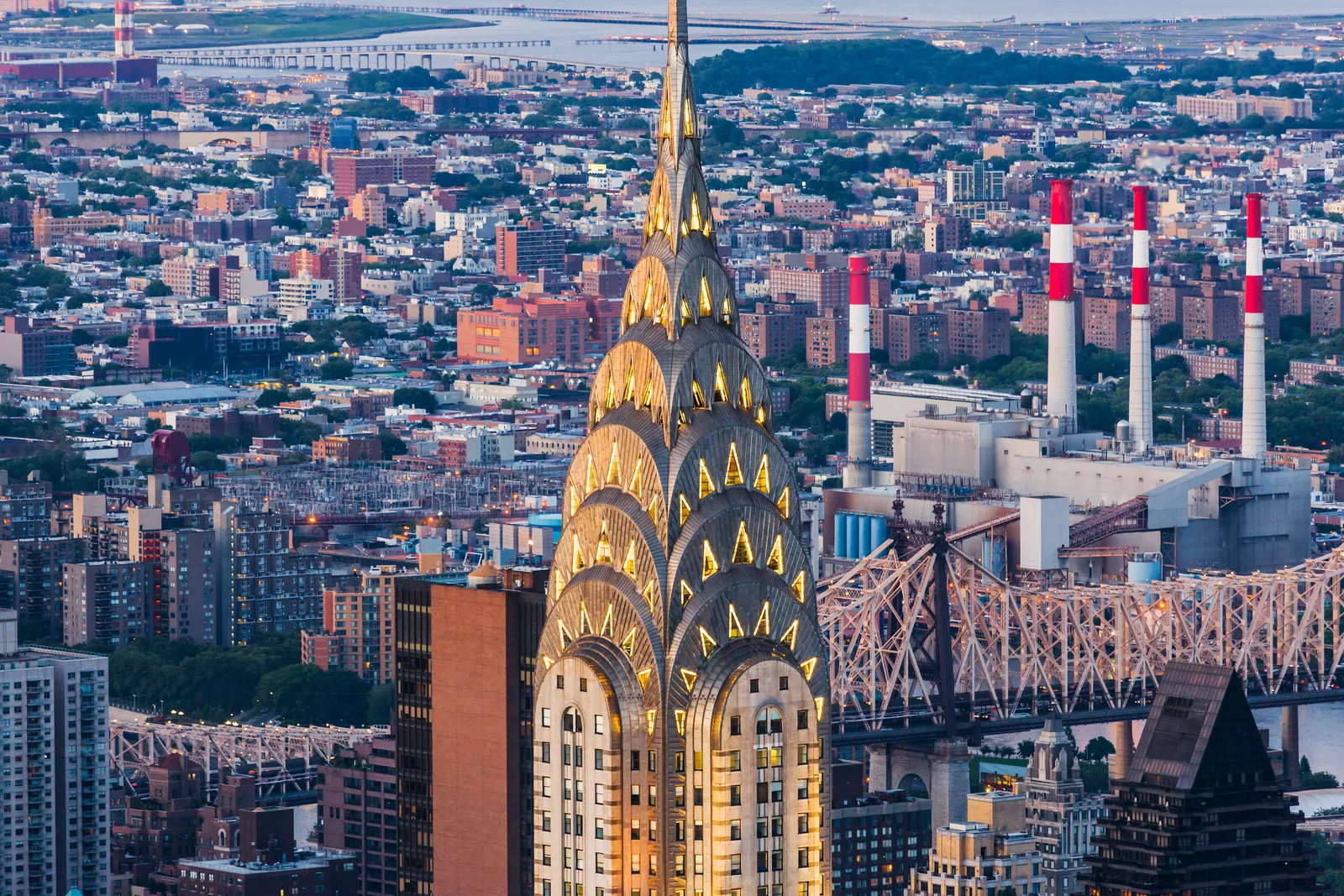
The early 20th century saw a competition among cities, especially in the United States, to build taller and taller skyscrapers. New York was at the center of this race. Just before the Empire State Building was completed, the Chrysler Building briefly held the title of the world’s tallest building.
But the Empire State Building quickly took that title and held it for nearly 40 years. It was not surpassed until 1970, when the World Trade Center’s North Tower was completed.
Design and Style
The building is designed in the Art Deco style, which was popular in the 1920s and 1930s. This style focuses on clean lines, geometric shapes, and elegant decoration without being too fancy. The result is a building that looks both strong and graceful.
Its shape gets narrower as it rises, creating a stepped look. This design was partly required by city laws so sunlight could still reach the streets below. The pointed top was originally planned as a docking station for airships, though this idea was never successful.
The outside is made of limestone and granite, giving it a light gray color that changes slightly depending on the weather and sunlight.
Inside the Building
Inside, the Empire State Building contains offices, shops, and observation decks. The lobby is especially beautiful, with marble walls, shiny floors, and a large image of the building made from metal. The design reflects the optimism of the time when it was built.
Elevators carry visitors quickly to the upper floors. Considering the building’s height, these elevators were a major technological achievement when first installed.
Observation Decks
One of the most popular reasons to visit the Empire State Building is the view from the top. The main observation deck on the 86th floor offers an open-air experience where visitors can see the entire city.
On clear days, you can see for miles — bridges, rivers, parks, and countless buildings stretching to the horizon. Higher still is the enclosed observation deck on the 102nd floor, which provides an even more breathtaking view.
Looking down from these heights gives a new perspective on how huge New York City really is.
A Star in Movies and Pop Culture
The Empire State Building has appeared in many movies, TV shows, and books. One of the most famous scenes is from the movie King Kong, where the giant ape climbs the building’s tower. This scene made the skyscraper even more famous worldwide.
Since then, the building has become a symbol of adventure, romance, and excitement. It often appears in stories set in New York because it represents the city so strongly.
Lights That Change Color
At night, the Empire State Building glows with colorful lights at the top. These lights change for holidays, special events, or to honor important causes. For example, it may shine red, white, and blue on national holidays or green on certain celebrations.
The changing colors make the skyline feel alive and constantly different. Locals sometimes check the colors to guess what event or message is being recognized.
Surviving Through History
Over the decades, the building has witnessed major events, from economic struggles to celebrations and tragedies. It has stood through storms, changing technology, and shifts in city life.
Despite being nearly a century old, it remains strong and fully functional. Modern upgrades have improved safety, energy use, and comfort while keeping the historic appearance intact.
Visiting Experience
Tourists from all over the world come to see the Empire State Building. Many feel excited just standing at its base and looking up. The top seems to disappear into the sky, especially on cloudy days.
Inside, exhibits tell the story of how the building was constructed and why it became so important. Visitors then ride the elevators to the observation decks, where the reward is one of the best city views on Earth.
Sunset is a favorite time to visit because you can see the city in daylight, watch the sky change colors, and then see the lights come on across Manhattan.
A Symbol of New York
More than just an office building, the Empire State Building represents determination and progress. It shows what people can achieve with vision and hard work, even during difficult times.
For New Yorkers, it is part of everyday life — a constant presence in the skyline. For visitors, it is often the highlight of their trip.
Engineering Achievement
Building something so tall in the early 1930s was an incredible engineering challenge. Workers had to lift heavy steel beams high into the air without modern cranes or computers. Safety equipment was limited compared to today, making the job extremely risky.
Yet the project moved forward at an astonishing speed, sometimes completing several floors in a single week. This efficiency amazed the world and proved that large-scale construction was possible.
Environmental Improvements
In recent years, the building has undergone renovations to become more energy-efficient. New windows, insulation, and systems help reduce energy use while keeping the interior comfortable.
These changes show that even historic structures can adapt to modern environmental needs without losing their character.
Why It Still Matters
Today, many cities have taller skyscrapers, but few have the same emotional impact as the Empire State Building. Height alone does not create meaning — history, design, and cultural importance do.
The building represents a turning point in architecture and urban life. It showed that cities could grow upward instead of outward, shaping the modern skyline we see today.
Final Thoughts
The Empire State Building is more than just a tall structure. It is a story of ambition, courage, and imagination turned into steel and stone. From its rapid construction during hard times to its lasting place in movies and culture, it continues to inspire people around the world.
Standing beneath it, you feel the energy of a city that never stops moving. Standing on top of it, you see how vast and alive that city truly is.
Even after nearly 100 years, the Empire State Building remains one of the greatest icons of modern history — a reminder that human dreams can reach as high as the sky.





Leave a Reply