
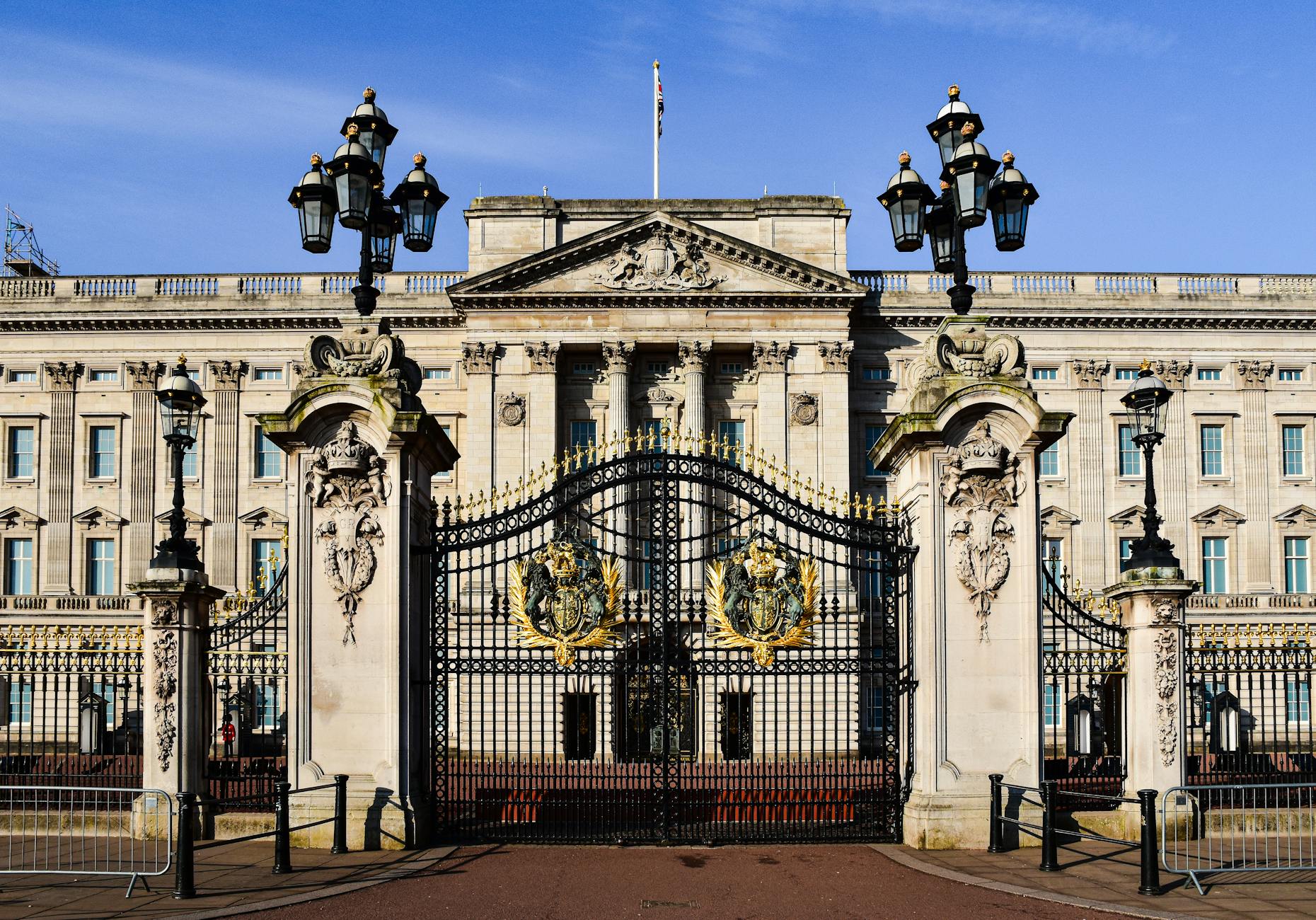
Buckingham Palace is one of the most famous buildings in the world and the official residence of the British monarch in London. Known for its grandeur, history, and ceremonial events, it is a symbol of the British monarchy and a major attraction for visitors from around the globe. The palace serves as both a working royal residence and a place for state occasions, including official ceremonies, receptions, and royal events.
Located in the heart of London, Buckingham Palace is surrounded by beautiful gardens, the Victoria Memorial, and nearby landmarks such as St. James’s Park and Green Park. Its iconic facade, balcony, and gates make it instantly recognizable and a favorite subject for tourists and photographers alike.
History and Construction
Buckingham Palace began as a large townhouse built in 1703 for the Duke of Buckingham. Over the years, it was expanded and transformed to serve as the royal residence. In 1837, when Queen Victoria ascended the throne, the palace became the official London residence of the monarch.
Several architects contributed to its design and expansion, including John Nash and Edward Blore. The palace was enlarged to include new wings, ceremonial halls, and gardens. The central facade, which faces the Mall, was completed in 1913, giving the building its present-day appearance.
Architecture and Design
Buckingham Palace combines classical architectural elements with modern modifications made over centuries. The central building is made of Portland stone and features a symmetrical facade, a grand entrance, and a balcony overlooking the Victoria Memorial.
Inside, the palace contains over 700 rooms, including 19 state rooms, 52 royal and guest bedrooms, 188 staff bedrooms, 92 offices, and 78 bathrooms. The state rooms are used for official functions and display priceless art from the Royal Collection, including paintings by Rembrandt, Rubens, and Canaletto.
The palace gardens cover over 40 acres and include a large lawn, flowerbeds, and a lake. They host outdoor ceremonies, parties, and events for the royal family and guests.
Ceremonial Functions
Buckingham Palace is not just a residence; it is also a working palace where important events take place. The Changing of the Guard ceremony, where the Queen’s Guard changes duty in a formal parade, is a famous attraction for tourists.
The palace also hosts state banquets, receptions for foreign dignitaries, and official royal events such as Trooping the Colour, which celebrates the monarch’s official birthday.
The balcony is often used for public appearances by the royal family, especially during celebrations, weddings, and national events. Crowds gather to see the royals, making it a symbol of public connection with the monarchy.
The Interior
Inside Buckingham Palace, the state rooms are decorated with luxurious furniture, chandeliers, and artworks. The Throne Room and the Ballroom are particularly notable for their grandeur and use in official ceremonies.
The palace also has private apartments for the royal family, including bedrooms, living rooms, and dining spaces. While these areas are not open to the public, they provide a glimpse into the daily life of the monarch.
The palace’s art collection includes portraits, sculptures, and historical artifacts. Visitors during special summer tours can see some of these treasures and learn about the history of the British monarchy.
Gardens and Surroundings
The palace gardens are an essential part of Buckingham Palace. They include lawns, flowerbeds, and a lake, providing a peaceful retreat within the city. The gardens host events such as garden parties, which bring together thousands of guests each year.
Adjacent parks and squares, such as St. James’s Park and Green Park, provide additional beauty and space for public enjoyment. These areas make Buckingham Palace a central point in London for both history and recreation.
Cultural and Historical Significance
Buckingham Palace is a symbol of the British monarchy, representing continuity, tradition, and national identity. It has been the backdrop for historic events, royal weddings, and significant celebrations.
Over the centuries, the palace has survived fires, wars, and political changes, remaining a central figure in British culture. It is often featured in films, television, and literature, making it recognized worldwide.
Public Access
While Buckingham Palace is a private residence, parts of it are open to the public during specific times, usually in the summer. Visitors can tour the State Rooms, see the art collection, and explore parts of the gardens.
The Changing of the Guard ceremony is free and accessible year-round, allowing tourists to witness a piece of royal tradition. These public interactions help connect people with the history and culture of the monarchy.
Restoration and Preservation
Buckingham Palace undergoes ongoing maintenance and restoration to preserve its structure and appearance. This work ensures that both the exterior and interior remain in excellent condition for future generations.
Recent projects have included roof repairs, structural improvements, and conservation of artworks and historic furnishings. Preservation efforts are essential for maintaining the palace as a functioning residence and a national symbol.
Modern Role
Today, Buckingham Palace continues to serve as the official London residence of the monarch while also functioning as a venue for official state business. It hosts foreign dignitaries, government events, and royal celebrations.
Despite modern changes, it retains its historical charm and grandeur, blending tradition with the needs of a contemporary monarchy. Its role in ceremonies, public appearances, and cultural events keeps it relevant in both national and international contexts.
Visiting Experience
Visitors to Buckingham Palace can enjoy guided tours of the State Rooms, explore parts of the gardens, and watch ceremonial events like the Changing of the Guard. The palace offers insight into the history, art, and culture of the British monarchy, providing a unique experience in the heart of London.
The combination of architecture, history, and royal tradition makes Buckingham Palace a must-see destination for tourists, historians, and architecture enthusiasts alike.
Final Thoughts
Buckingham Palace is more than just a building; it is a living symbol of the British monarchy. Its architectural beauty, historical significance, and cultural impact make it one of the world’s most important landmarks.
From royal ceremonies to public tours, the palace continues to capture the imagination of millions, embodying the history, tradition, and identity of the United Kingdom. It stands as a testament to centuries of monarchy, art, and architecture, remaining a central part of London’s heritage.
Read Also: Keep your face towards the sunshine and shadows will fall behind you
Watch Also: https://www.youtube.com/@TravelsofTheWorld24





Leave a Reply