
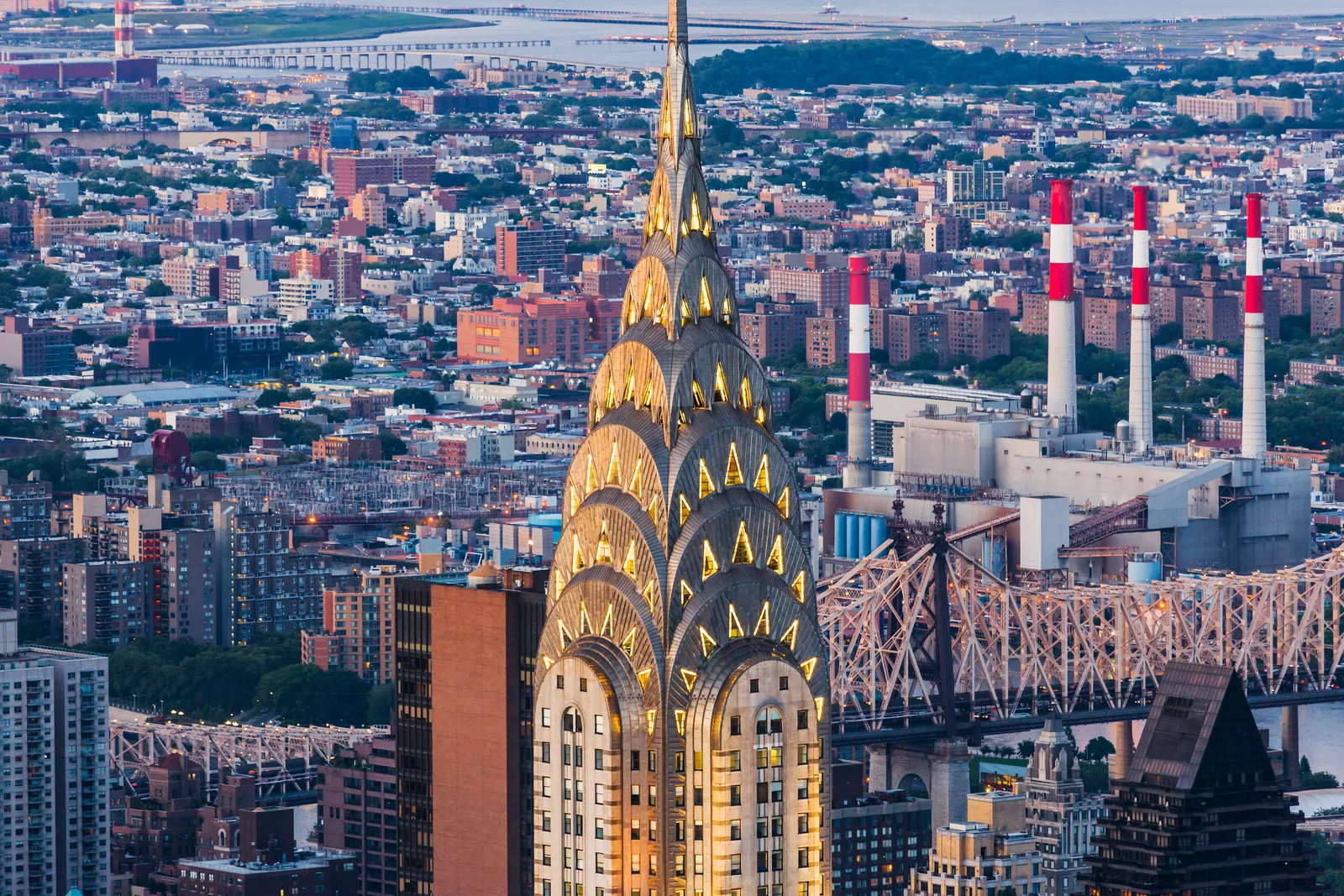
The Chrysler Building is one of the most iconic skyscrapers in New York City. Its spire, gleaming metal decorations, and Art Deco style make it instantly recognizable. Completed in 1930, it was briefly the tallest building in the world and remains a symbol of ambition, innovation, and the city’s skyline.
Located in Midtown Manhattan, near Grand Central Terminal, the Chrysler Building stands among other famous skyscrapers but continues to shine because of its unique design. Its height, decorative features, and elegant silhouette make it a favorite subject for photographers, architects, and tourists alike.
The Story Behind the Building
The building was commissioned by Walter Chrysler, founder of the Chrysler Corporation. Chrysler wanted a headquarters that would reflect the success, modernity, and prestige of his company. At the time, skyscrapers were a way to showcase power, wealth, and technological achievement.
Construction began in 1928 and was completed in just two years. Thousands of workers helped erect the steel frame, install decorative elements, and finish the interiors. The building was designed to combine functionality for offices with extraordinary aesthetics.
Architectural Style
The Chrysler Building is a masterpiece of the Art Deco style, which was popular in the 1920s and 1930s. Art Deco emphasizes geometric shapes, symmetry, and bold decorative features. In the Chrysler Building, these ideas are visible in the terraced crown, triangular windows, and ornamental motifs.
The exterior is clad in white brick and stainless steel, giving it a shining appearance. One of the most famous features is the crown, composed of seven radiating terraced arches, covered in stainless steel. These create a sunburst pattern that sparkles in sunlight.
The corners of the crown are decorated with replicas of Chrysler automobile hood ornaments, paying homage to the founder’s company. Eagle gargoyles and other geometric decorations add to the futuristic look.
Height and Records
When the Chrysler Building was completed in 1930, it reached a height of 1,046 feet (319 meters), making it the tallest building in the world for a short period until the Empire State Building surpassed it in 1931.
Despite losing the title, the Chrysler Building remains a symbol of skyscraper engineering and elegance. Its spire, secretly assembled inside the building and raised to the top, gave it a dramatic height advantage during construction, showing the competition between architects of that era.
Interior Design
Inside, the building was designed to be as luxurious as it is on the outside. The lobby features marble walls, elegant elevators, and intricate metalwork. Decorative motifs echo the Art Deco style of the exterior, with geometric patterns, sunbursts, and automobile-inspired designs.
The office spaces were built to be practical yet elegant, with large windows to allow natural light. While the exterior attracts most attention, the interiors reflect the care and attention to detail typical of the Art Deco movement.
Symbolism and Inspiration
The Chrysler Building symbolizes innovation, ambition, and the optimism of the 1920s. Its design reflects speed, modernity, and industry, particularly the automobile industry, which was booming at the time.
The building’s gleaming spire and metal decorations were intended to make it stand out in New York’s skyline, signaling progress and technological achievement. For many, it represents the spirit of a city that never stops reaching higher.
Construction Challenges
Building such a tall structure in the late 1920s presented numerous challenges. Workers had to lift heavy steel beams and install glass and metal decorations at dizzying heights. Safety measures were limited compared to modern standards, and the pace of construction was fast to meet deadlines.
The hidden spire, assembled secretly within the building, allowed the Chrysler Building to surpass competitors in height temporarily. This clever engineering and planning exemplified the ambitious spirit of the time.
Crown and Spire
The crown is the defining feature of the building. Its terraced arches create a sunburst pattern that glows in sunlight, and at night, it is illuminated to enhance its dramatic presence. The spire rises from the center of the crown and completes the building’s vertical emphasis.
The steel cladding gives it a reflective quality, making it appear to sparkle or change color depending on the light. The Chrysler automobile-inspired motifs are integrated into the crown, combining industry and art in a unique way.
Cultural Impact
The Chrysler Building has appeared in countless movies, photographs, and artworks. It has become a symbol of New York City, representing ambition, elegance, and the skyline’s iconic character. Artists and architects study it as a landmark of Art Deco design and skyscraper innovation.
Tourists and locals alike admire the building for its aesthetic value and historical significance. It continues to inspire designers, filmmakers, and photographers, demonstrating its lasting cultural impact.
Night View
At night, the building’s spire is illuminated, creating a stunning effect against the city’s dark sky. The reflective steel and lighting highlight the crown’s geometric patterns, making it a centerpiece of Manhattan’s nighttime skyline.
The night view emphasizes the building’s elegance, making it one of the most photographed skyscrapers in New York. Its combination of height, decoration, and lighting creates a memorable visual impression.
Comparisons with Other Skyscrapers
Although taller skyscrapers have been built since 1930, the Chrysler Building remains unique because of its design and style. Unlike purely functional towers, it combines structural achievement with artistry.
Its competitors, such as the Empire State Building, were taller but less ornate. The Chrysler Building shows that skyscrapers can be both impressive in height and visually beautiful.
Preservation and Recognition
Over the years, the Chrysler Building has been recognized as one of the greatest architectural achievements of the 20th century. Preservation efforts ensure the exterior and interior decorations are maintained, protecting the Art Deco details from weather and pollution.
It remains an office building while also serving as a historic landmark, blending modern use with cultural heritage. Architects and historians celebrate it as a masterpiece of design and engineering.
Visiting Experience
While the building is primarily an office tower, visitors can admire it from the street, nearby parks, and viewpoints around Midtown Manhattan. Its elegance, height, and shimmering crown make it a highlight of the New York skyline.
Many guided tours and photography trips focus on the Chrysler Building because it represents the height of Art Deco skyscraper design. Its exterior is a lesson in combining beauty, technology, and urban presence.
Engineering and Innovation
The building’s construction techniques, hidden spire, and careful steel framework highlight the engineering ingenuity of the era. Lifting heavy materials, ensuring structural stability, and achieving the desired decorative effects required skill and coordination among architects, engineers, and workers.
The Chrysler Building is a testament to early 20th-century engineering, showing how aesthetic design and practical construction can coexist successfully.
Final Thoughts
The Chrysler Building remains a symbol of New York’s ambition, creativity, and elegance. Its Art Deco design, gleaming spire, and historical significance make it an architectural treasure.
From its rapid construction to its short-lived status as the world’s tallest building, it embodies the spirit of competition, progress, and artistry of its era. Standing among modern skyscrapers, the Chrysler Building continues to inspire admiration and represents the perfect blend of functionality and beauty in urban architecture.
Read Also: Keep your face towards the sunshine and shadows will fall behind you
Watch Also: https://www.youtube.com/@TravelsofTheWorld24











Leave a Reply