
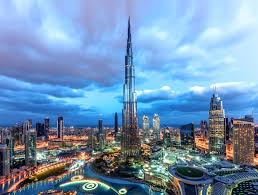
Burj Khalifa is the tallest building in the world, soaring over 828 meters (2,717 feet) above the ground. Located in Dubai, it has become a symbol of modern architecture, engineering innovation, and Dubai’s rapid growth as a global city. Since its opening in 2010, the Burj Khalifa has drawn millions of visitors eager to experience its stunning design, breathtaking views, and luxurious facilities.
The tower dominates Dubai’s skyline and can be seen from miles away. It sits in Downtown Dubai, near other landmarks such as The Dubai Mall, Dubai Fountain, and Burj Park, forming the heart of one of the city’s most visited areas.
History and Planning
The idea of the Burj Khalifa began in the early 2000s as part of Dubai’s plan to diversify its economy and become a global tourism and business hub. The government wanted a landmark building that would attract international attention and showcase the city’s ambition.
Designed by the American architectural firm Skidmore, Owings & Merrill, with architect Adrian Smith leading the project, the tower combined inspiration from Islamic architecture with modern engineering techniques. Its design references the Hymenocallis flower, featuring a Y-shaped plan that helps provide stability and maximize views.
Construction began in 2004 and took six years to complete. Over 12,000 workers and hundreds of engineers, designers, and construction experts contributed to building the structure.
Architectural Design
The Burj Khalifa has a distinctive stepped design, tapering as it rises, which reduces wind forces and provides structural stability. Its exterior is clad in reflective glass, aluminum, and textured stainless steel, giving it a sleek, shimmering appearance.
The tower’s Y-shaped floor plan allows for open spaces in residential, office, and hotel areas while supporting the central spire. The central core contains high-speed elevators, staircases, and mechanical systems. The building includes multiple observation decks, luxury residences, corporate suites, and the world-famous Armani Hotel.
Engineering Marvel
Building the world’s tallest structure presented unique challenges. Engineers developed a reinforced concrete core, steel spire, and innovative foundation system capable of handling both the immense height and the desert conditions of Dubai.
The building’s foundation consists of a large reinforced concrete mat supported by bored reinforced concrete piles, anchored deep into the ground to ensure stability. Its exterior is designed to reduce wind vortexes, preventing oscillation caused by high-speed desert winds.
High-speed double-deck elevators transport visitors and residents quickly to upper floors. Special systems control temperature, water supply, and safety features for all 163 floors.
Interior Features
Inside the Burj Khalifa, luxury and innovation combine. The interiors were designed by Neoscape and feature marble, rich wood, glass, and metal elements.
The Armani Hotel occupies the lower floors, offering luxurious suites, restaurants, and event spaces. Residential apartments, office spaces, and corporate suites occupy other sections, providing amenities such as swimming pools, gyms, and gardens.
Observation decks are located on the 124th, 125th, and 148th floors, offering breathtaking panoramic views of Dubai, the desert, and the Persian Gulf. On clear days, the view stretches over 90 kilometers (56 miles).
Lighting and Exterior
The Burj Khalifa’s exterior is illuminated at night with advanced LED systems, creating dazzling light shows for events and holidays. The building also hosts Dubai Fountain shows at its base, providing a visual spectacle seen from surrounding areas.
The reflective glass facade and tapering design ensure it stands out as a shimmering icon in the desert skyline during the day, while evening lighting transforms it into a dynamic landmark.
Records and Achievements
The Burj Khalifa holds numerous world records, including:
-
Tallest building in the world (828 meters / 2,717 feet)
-
Highest number of floors in a building (163 floors above ground)
-
Tallest free-standing structure in the world
-
Highest observation deck in the world (148th floor)
-
Longest elevator travel distance
These records have made the building a global icon of architectural and engineering achievement.
Tourism and Visiting
The Burj Khalifa attracts millions of tourists each year. Visitors can take high-speed elevators to observation decks to enjoy views, dine in restaurants, or attend events and exhibitions.
The surrounding area, Downtown Dubai, offers shopping at The Dubai Mall, gardens, fountains, and cultural experiences, making it a full-day destination. Nighttime shows, especially the Dubai Fountain performances, are a highlight for visitors.
Cultural Significance
The Burj Khalifa represents Dubai’s ambition, vision, and technological prowess. It has become a symbol of modernity, luxury, and the city’s global status. Beyond tourism, the building has been featured in films, photography, and media worldwide, highlighting its cultural and architectural significance.
It is also a source of pride for Dubai’s residents and a landmark for visitors, embodying human achievement and the possibilities of engineering innovation.
Sustainability and Maintenance
While extremely tall, the Burj Khalifa incorporates environmentally conscious design elements. Its exterior cladding reduces heat gain, and condensate from air conditioning is collected for irrigation. Maintenance is an ongoing process, involving specialized teams for window cleaning, structural inspection, and safety checks to preserve the building’s integrity and appearance.
Final Thoughts
Burj Khalifa is more than a building — it is a symbol of human ambition and creativity. Its record-breaking height, innovative engineering, luxurious interiors, and cultural significance make it one of the world’s most visited and admired landmarks.
Standing tall over Dubai, the Burj Khalifa continues to inspire architects, engineers, and dreamers around the globe, demonstrating what is possible when vision meets innovation.
Read Also: Keep your face towards the sunshine and shadows will fall behind you
Watch Also: https://www.youtube.com/@TravelsofTheWorld24





Leave a Reply