
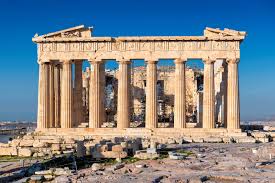
Classical architecture is one of the most beautiful and influential styles in human history. When people think of grand temples, tall columns, and perfectly balanced buildings, they are usually thinking about this style. It began in ancient Greece and later grew in ancient Rome, and even today many government buildings, museums, and universities still follow its ideas.
Classical architecture is not just about how buildings look. It also shows how people in the past thought about beauty, order, strength, and harmony. By looking at the materials, shapes, and history behind these buildings, we can better understand why they still inspire architects around the world.
Origins in Ancient Greece
Classical architecture started in ancient Greece, especially in cities like Athens. The Greeks believed that buildings should reflect balance and perfection, just like the human body. They used math and careful measurements to design structures that felt calm, stable, and pleasing to the eye.
Greek temples were built to honor gods and goddesses. One of the most famous examples is the Parthenon, a temple dedicated to the goddess Athena. This building shows many key features of classical architecture: strong columns, simple decoration, and perfect proportions.
Greek builders worked mainly with stone, especially marble. Marble was strong, long-lasting, and also very beautiful. It reflected sunlight and gave buildings a clean white glow, making temples look almost divine.
Expansion in Ancient Rome
The Romans admired Greek architecture and adopted many of its ideas. However, they also added new technologies and styles. In cities like Rome, architecture became bigger, more complex, and more practical.
Romans invented concrete, which allowed them to build massive structures that were not possible before. They also used arches, vaults, and domes, which helped create wide open spaces inside buildings.
A famous Roman structure is the Colosseum. This huge arena could hold tens of thousands of people for public events. Another masterpiece is the Pantheon, known for its giant dome and central opening at the top that lets sunlight pour inside.
Roman architecture was not only about temples. It included baths, roads, bridges, aqueducts, and public buildings. Their work showed power, organization, and engineering skill.
Key Materials Used
Stone and Marble
Stone was the most important material in classical architecture. It provided strength and durability, allowing buildings to survive for thousands of years. Marble was especially valued because it could be polished smoothly and carved into detailed shapes.
Greek builders preferred marble for temples and statues. Romans also used marble but often combined it with concrete and brick to save time and cost.
Concrete
Concrete was a Roman innovation that changed construction forever. It was made from lime, volcanic ash, water, and small stones. This mixture hardened over time and became extremely strong.
Concrete allowed Romans to build domes, arches, and large interiors without needing thick stone walls everywhere. Many modern buildings still use a similar material today.
Wood and Metal
Wood was used mainly for roofs and interior parts. Because wood decays over time, most ancient wooden parts no longer exist. Metal clamps and supports were also used to hold stone blocks together.
The Importance of Columns
Columns are the most recognizable feature of classical architecture. They are tall vertical supports that hold up the roof and also add beauty to the building.
The Greeks developed three main types of columns, called orders:
Doric Order
The Doric style is the simplest and strongest. Doric columns are thick, plain, and have no base. They give buildings a powerful and solid appearance. Many early Greek temples used this style.
Ionic Order
Ionic columns are slimmer and more elegant. Their tops have scroll-shaped decorations that look like rolled paper. This style feels lighter and more graceful than Doric.
Corinthian Order
The Corinthian style is the most decorative. The tops of these columns are covered with carved leaves and detailed patterns. Romans especially loved this style because it looked rich and impressive.
Shapes and Structural Elements
Classical architecture uses certain shapes again and again because they provide both strength and beauty.
Symmetry
Symmetry means both sides of a building look the same. Classical architects believed symmetry created harmony and order. When you stand in front of such a building, it feels balanced and calm.
Rectangular Layouts
Most Greek temples were rectangular. This shape was easy to build and allowed columns to surround the structure evenly.
Arches
Romans perfected the arch. Unlike flat beams, arches spread weight sideways, making structures stronger and allowing wider openings. Arches were used in bridges, aqueducts, and gateways.
Vaults
A vault is like a stretched arch forming a ceiling. Vaults allowed Romans to cover large halls without many columns inside.
Domes
Domes are one of Rome’s greatest contributions. A dome creates a huge open space beneath it and gives a building a majestic look. The Pantheon’s dome remains one of the largest ancient domes still standing.
Decoration and Detail
Although classical architecture looks simple from far away, it includes many fine details.
Friezes and Sculptures
Greek temples often had carved bands called friezes showing stories of gods, heroes, or battles. These carvings were not just decoration—they also told cultural stories.
Pediments
The triangular space above the front columns of a temple is called a pediment. Sculptures were placed inside this area to create a dramatic entrance.
Proportion
More important than decoration was proportion. Architects carefully planned the size of every part so the whole building looked unified. Even small differences could change how the building felt.
Influence of Human Ideals
Classical architecture reflects the ancient belief that humans are rational and capable of creating order. Buildings were designed to mirror the ideal human form—balanced, strong, and beautiful.
The Roman architect Vitruvius wrote that buildings should have firmness, usefulness, and beauty. These ideas still guide architecture today.
Revival in Later Periods
Classical architecture did not disappear after ancient Rome fell. It returned many times in history.
Renaissance Revival
During the Renaissance in Europe, artists and architects rediscovered ancient Greek and Roman ideas. One important architect was Andrea Palladio, who designed villas and churches based on classical rules. His work influenced architecture across Europe and even in America.
Neoclassical Architecture
In the 18th and 19th centuries, classical style became popular again. Many government buildings were designed with columns and domes to symbolize stability and democracy.
For example, courthouses, parliaments, and museums often use this style because it suggests authority and tradition.
Why Classical Architecture Still Matters
Even in the modern world of glass skyscrapers and steel towers, classical architecture remains important.
Symbol of Power and Stability
Large public buildings often use classical elements because they look strong and timeless. People naturally associate columns and stone structures with permanence.
Beauty Through Simplicity
Classical buildings show that beauty does not always require complexity. Clean lines, balanced shapes, and careful proportions can be more powerful than flashy decoration.
Educational Value
Studying classical architecture helps us understand ancient civilizations—how they lived, what they believed, and what technologies they had.
Inspiration for Modern Design
Many modern architects borrow classical ideas, even if the materials are different. Symmetry, proportion, and clean geometry are still widely used.
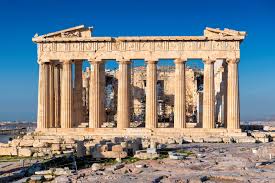
The Beauty of Classical Architecture: From Ancient Greece to Rome
Differences Between Greek and Roman Styles
Although Roman architecture grew from Greek roots, there are some key differences.
Greek architecture focused mainly on temples and religious buildings. It emphasized exterior beauty, since ceremonies happened outside.
Roman architecture focused more on public life. Buildings like baths, theaters, and arenas were designed for large crowds. Romans also paid more attention to interior spaces.
Greeks relied on stone beams and columns, while Romans used arches and concrete to create bigger structures.
Daily Life and Architecture
Classical architecture was not only for temples and monuments. Romans especially built homes, markets, and streets using similar principles.
Wealthy Roman houses had courtyards, columns, and decorative features. Public baths were social centers where people met, relaxed, and exercised.
This shows that architecture shaped daily life, not just religious or political activities.
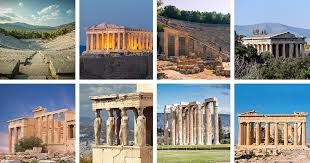
The Beauty of Classical Architecture: From Ancient Greece to Rome
Engineering Achievements
Classical builders achieved amazing results without modern machines. They used simple tools, teamwork, and clever planning.
Huge stone blocks were cut and transported over long distances. Cranes powered by human or animal labor lifted materials into place. Precise measurements ensured everything fit together perfectly.
Their engineering skill is proven by the fact that many structures still stand after thousands of years.
Cultural and Historical Meaning
Classical architecture tells us a lot about ancient values.
Greeks focused on harmony, reason, and human beauty. Their buildings feel calm and refined.
Romans focused on power, organization, and practicality. Their buildings feel grand and commanding.
Together, these traditions shaped Western architecture for centuries.
Conclusion
Classical architecture is much more than an old building style. It is a reflection of ancient ideas about beauty, order, strength, and human potential. Using materials like stone and marble, shapes such as columns, arches, and domes, and careful mathematical planning, Greek and Roman builders created structures that still amaze us today.
From ancient temples to modern government buildings, the influence of classical architecture continues to shape the world around us. Its timeless design shows that when art, science, and human vision come together, the result can last for thousands of years.
Read Also: Keep your face towards the sunshine and shadows will fall behind you
Watch Also: https://www.youtube.com/@TravelsofTheWorld24










Leave a Reply